Rankings
Why the Camino de Santiago Didn’t Make Our Top 100
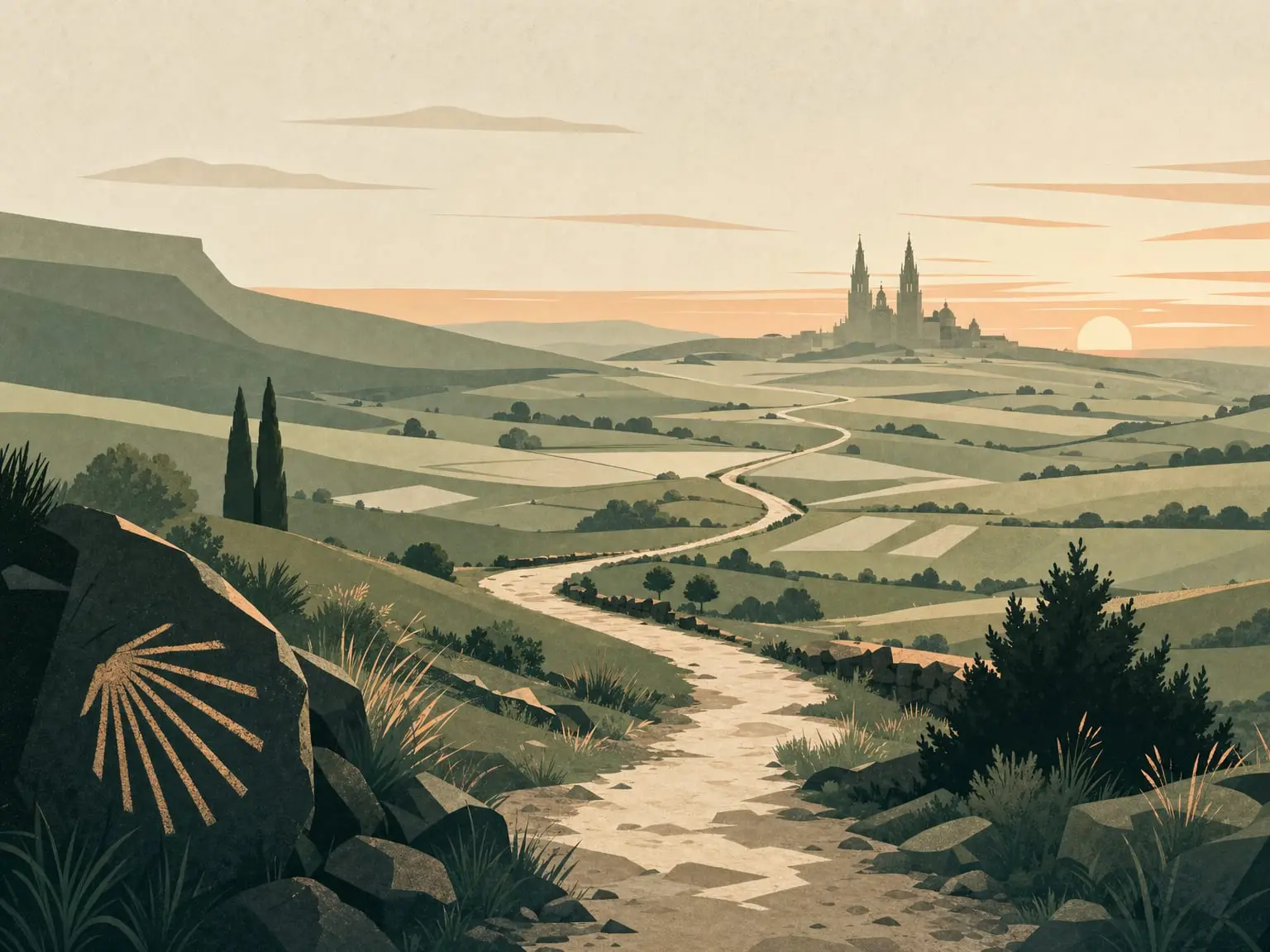
The classic Camino Francés scores 79, but that number misses much of what makes the Camino matter so deeply to pilgrims.
7 June 2026 7 min read
100 long-distance trails, ranked by HikeList Score
These are the 100 highest-rated long-distance hikes in our directory, ranked by the HikeList Score — our 0–100 trail-quality algorithm. It rewards the things that make a multi-day walk worth doing: an ideal length of around a week, a balanced amount of challenge, scenery and wildness over urban or road walking, varied terrain underfoot, good accommodation and resupply, natural trails over tarmac, and the flexibility to walk across more than one season.
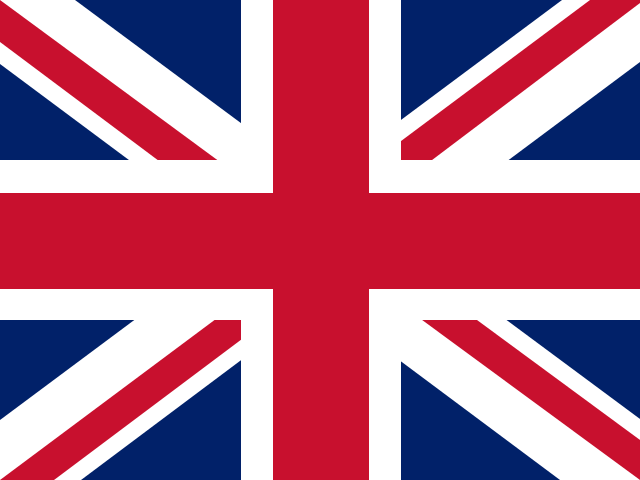
 United Kingdom, England · 148 km · 7 days · Moderate
 Lowland variety gives the Staffordshire Way its strength: a week of waymarked walking through forest, moorland and wetlands on dirt, grass and gravel. Its moderate, field-path character makes a substantial England crossing without technical demands.
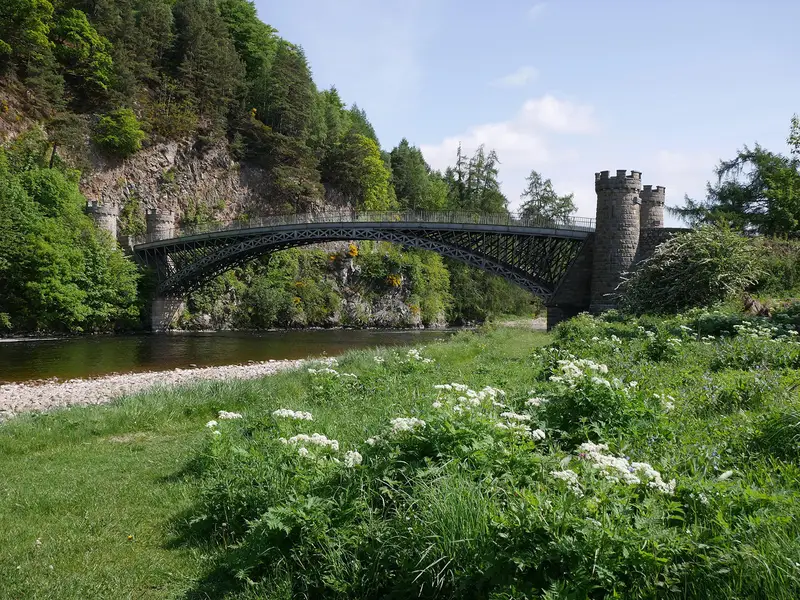
 United Kingdom, Scotland · 137 km · 6 days · Moderate
 Following the River Spey from the Moray Firth towards the Cairngorms, the Speyside Way combines coast, river valley, forest, farmland and moorland. Its track-heavy surfaces suit a steady six-day Scottish journey through malt whisky country.
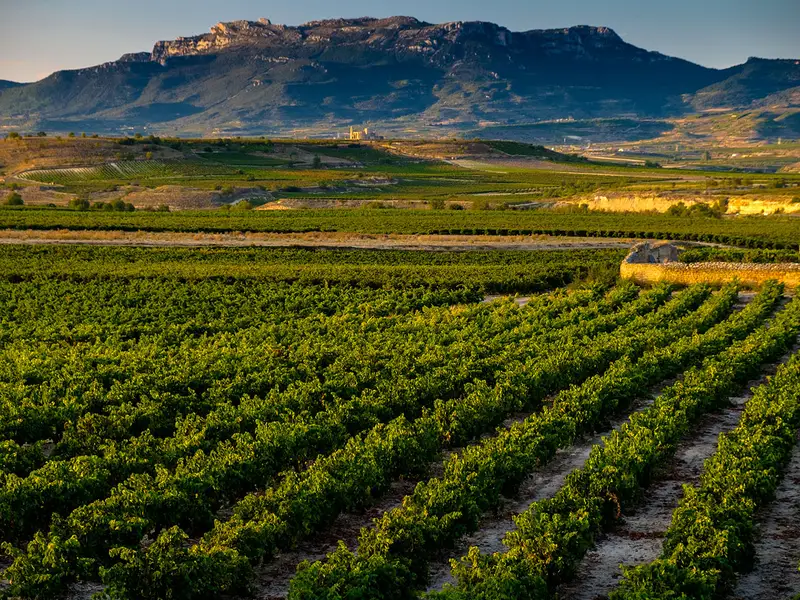
 Spain · 166 km · 7 days · Moderate
 Linking Rioja Alavesa with the Bay of Biscay, the GR38 turns a moderate week into a clear south-to-north traverse. Mountain, forest and coastal terrain give this Basque route a strong sense of progression.
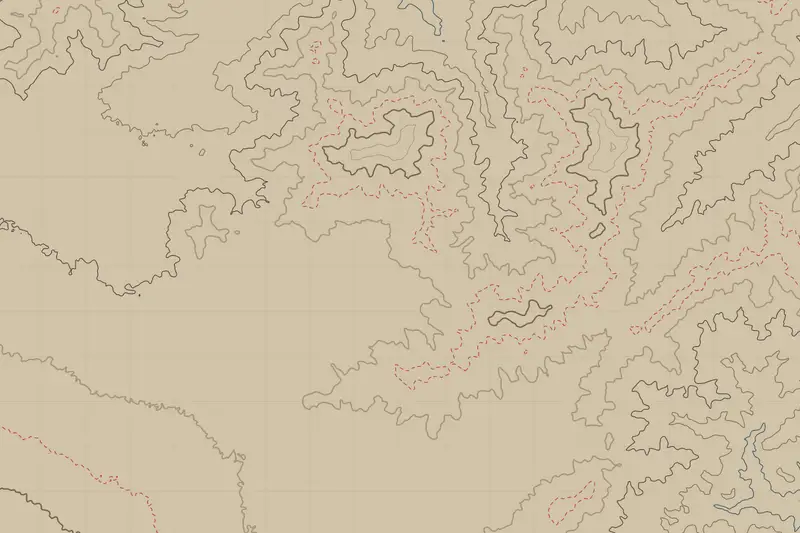
 France · 118 km · 6 days · Moderate
 Circling the Mont Lozère granite massif, this GR68 loop offers a compact six-day mid-mountain trek in the Cévennes National Park. Rocky, dirt and gravel paths move between mountain, moorland, forest and valley terrain.
 Ireland · 179 km · 7 days · Moderate
 Across Galway and Mayo, the Western Way delivers a long, moderate west-of-Ireland walk from Lough Corrib to the north Mayo coast. Mountain, bog, moorland, forest and coastal sections make its seven days notably varied.
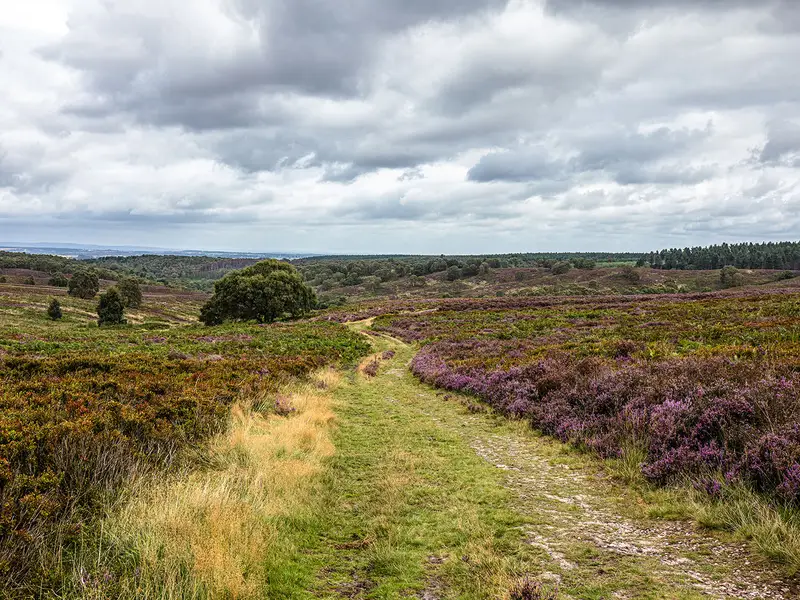
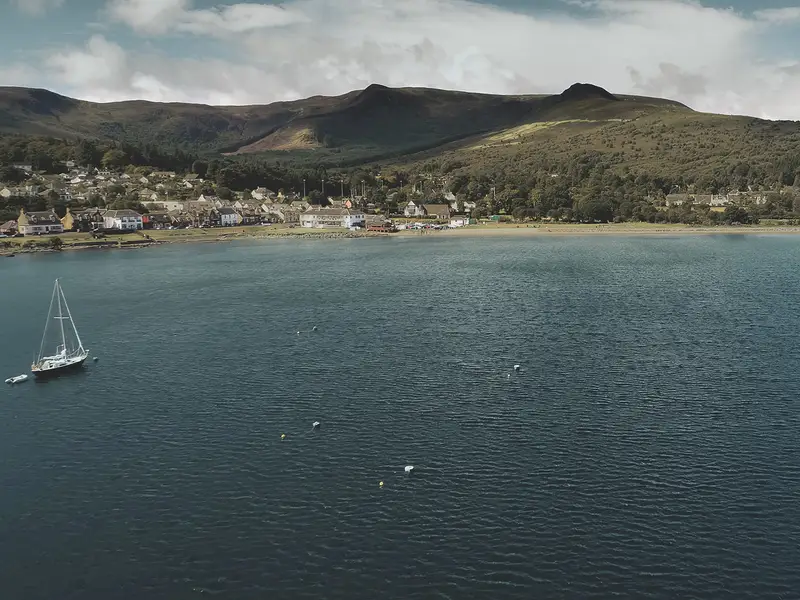 United Kingdom, Scotland · 105 km · 6-8 days · Moderate
 Island walking defines the Arran Coastal Way: a circular route from Brodick around Arran, paced over six to eight days. Coastal ground, beaches, forest, moorland and mountain terrain keep this moderate circuit constantly changing underfoot.
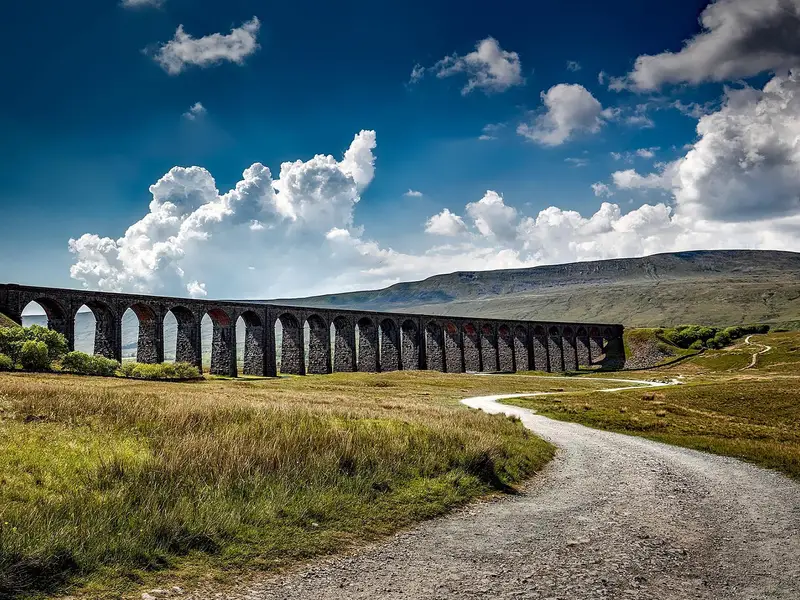 United Kingdom, England · 129 km · 6-8 days · Moderate
 Riverside walking is the core appeal of the Dales Way, but its six to eight days also cross valleys, farmland, limestone, moorland and the Lakeland fringe. It is a measured, accessible point-to-point from Ilkley to Bowness-on-Windermere.
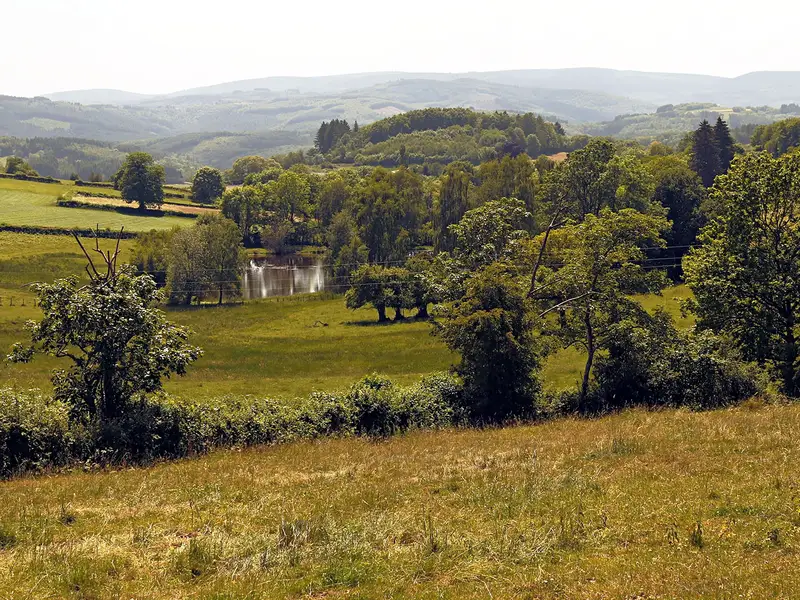 France · 174 km · 8 days · Moderate
 Forest and quiet mountain terrain shape the GR13 through Morvan Regional Nature Park, a non-technical but substantial eight-day walk from Vézelay to Autun. Red-and-white waymarking and mixed dirt, rocky and gravel surfaces suit steady long-distance hiking.
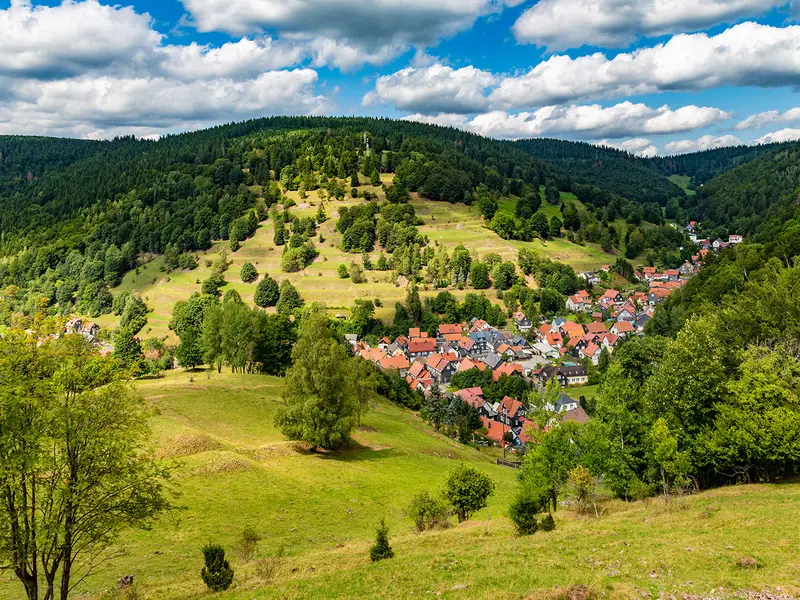
 Germany · 169.3 km · 6-8 days · Moderate
 Ridge character sets the Rennsteig apart: a 169.3 km traverse across Thuringia, usually walked in six to eight days. Forests, moorland and meadows give this moderate German trail both continuity and breadth.
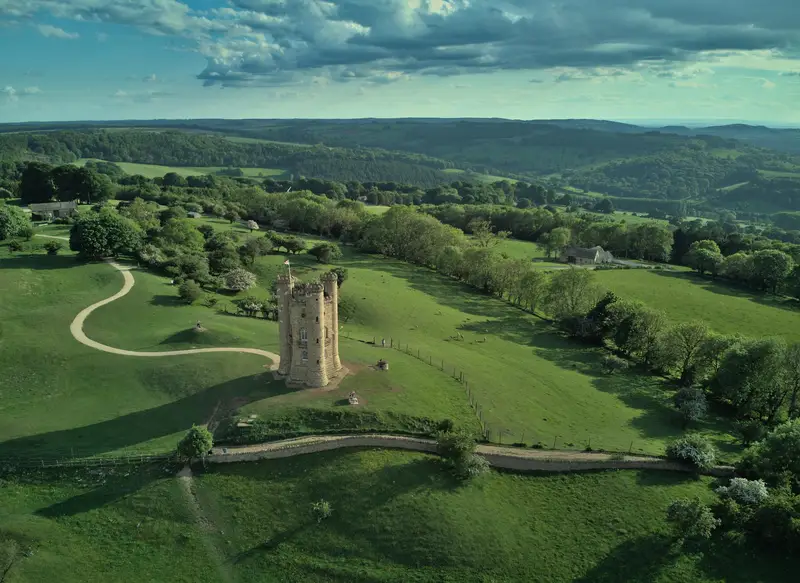 United Kingdom, England · 164 km · 7-10 days · Moderate
 Hills rather than hardship define the Cotswold Way, a moderate National Trail between Chipping Campden and Bath Abbey. Over seven to ten days, grassland and forest on dirt, grass and gravel create a classic south-west England walk.
 Sweden · 188 km · 6-8 days · Moderate
 Coastal walking and rural variety meet on Österlenleden, a waymarked Skåneleden route through south-east Skåne. The 188 km loop from Ystad mixes coast, farmland, meadows, forest and hilly ground on sand, gravel, dirt and paved surfaces.
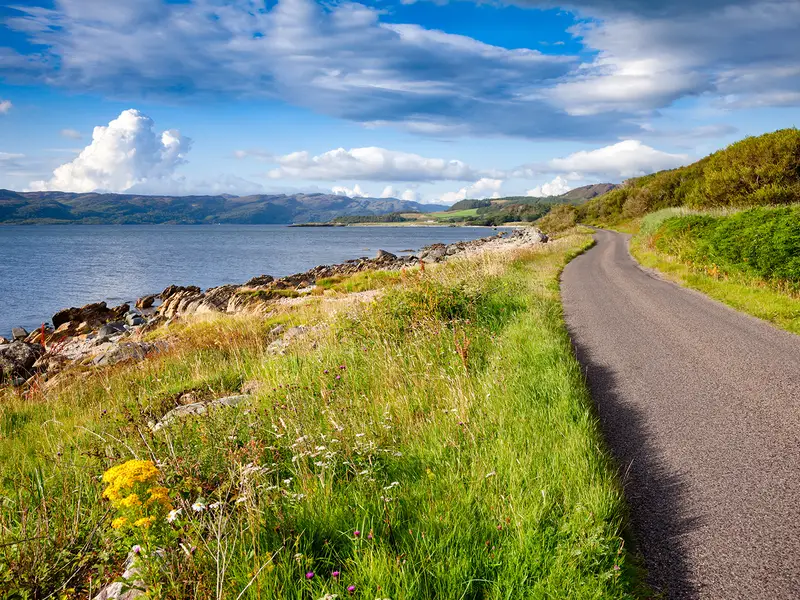 United Kingdom, Scotland · 161 km · 6-7 days · Moderate
 Peninsula travel gives the Kintyre Way a clear identity, running from Tarbert on Loch Fyne to Machrihanish on the Atlantic coast. In six to seven days it blends coastal paths, beaches, forest, moorland and hills.
France · 240 km · 10-12 days · Moderate Length is part of the appeal on the GR700, a 240 km Grande Randonnée from Le Puy-en-Velay to Saint-Gilles. This moderate 10 to 12 day walk crosses the southern Massif Central on dirt, gravel and rocky tracks.
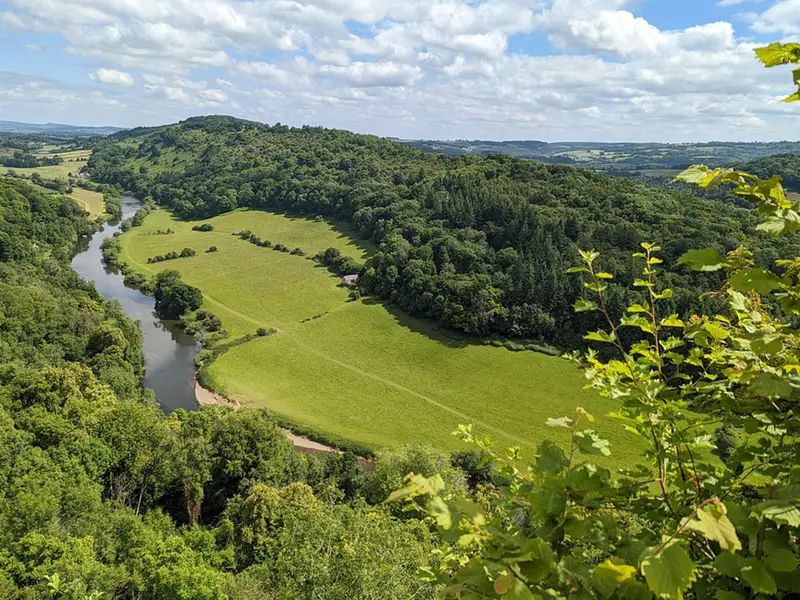 United Kingdom, England · 219 km · 10-12 days · Moderate
 Following one river for 219 km, the Wye Valley Walk has a strong narrative from the upland source near Plynlimon to Chepstow on the Severn estuary. Riverside paths, farmland, forest, moorland and limestone gorges add range.
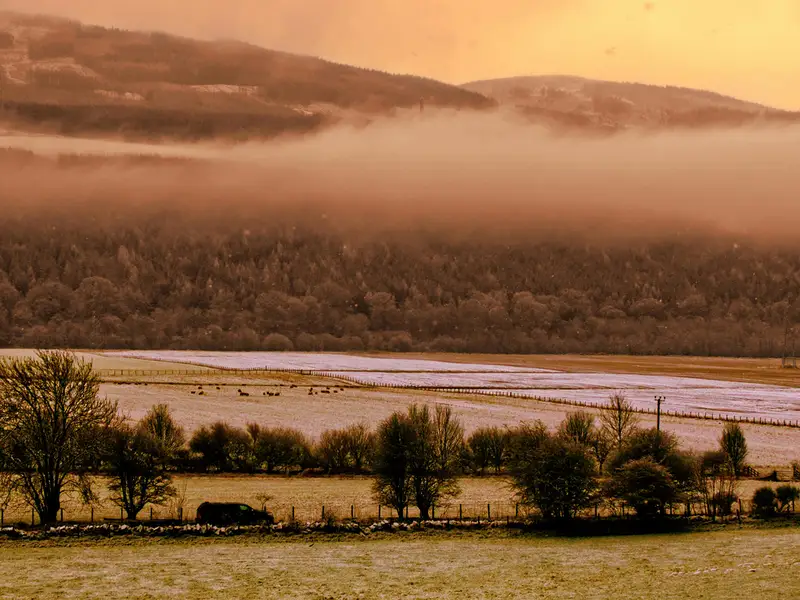 United Kingdom, Scotland · 127 km · 6-8 days · Moderate
 Good tracks, cycleway and minor roads make the Rob Roy Way a practical six to eight day Scottish walk, with enough moorland footpath to keep it honest. Forest, lochside and moorland terrain give the route its character.
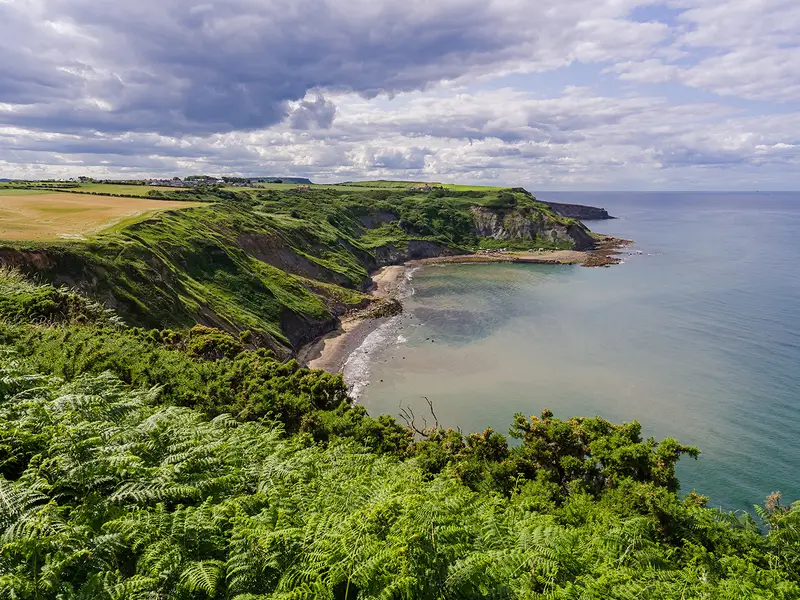 United Kingdom, England · 175 km · 8-9 days · Moderate
 Moorland-to-coast contrast makes the Cleveland Way especially satisfying: it links the North York Moors and Cleveland Hills with a coastal finish at Filey Brigg. Moderate difficulty and an eight to nine day pace suit committed walkers.
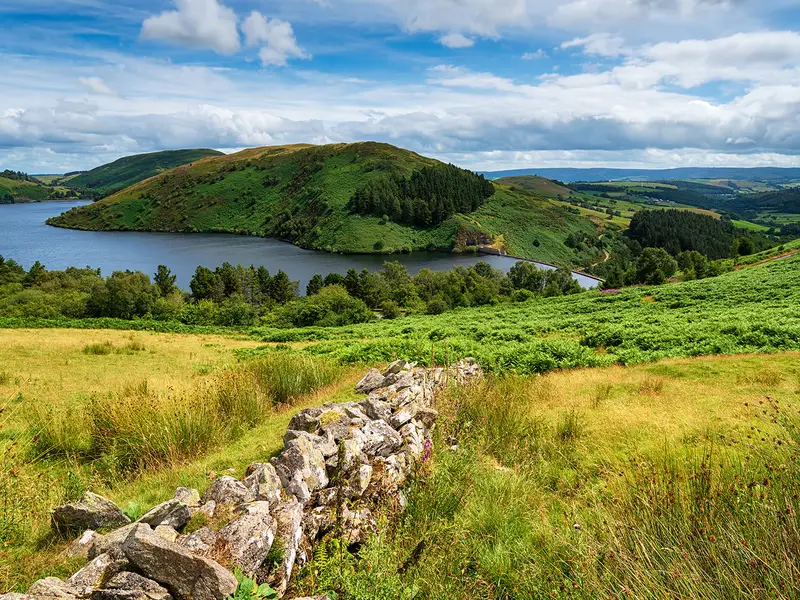
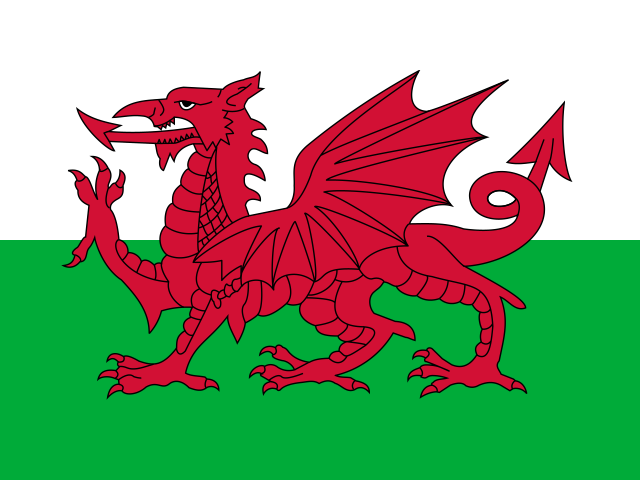 United Kingdom, Wales · 217 km · 9 days · Moderate
 Remote mid-Wales walking is the draw of Glyndŵr’s Way, a broad horseshoe from Knighton to Welshpool through quiet Powys. Moorland, upland mire, rolling hills, woodland, river valleys and some boggy ground make it a serious moderate trail.
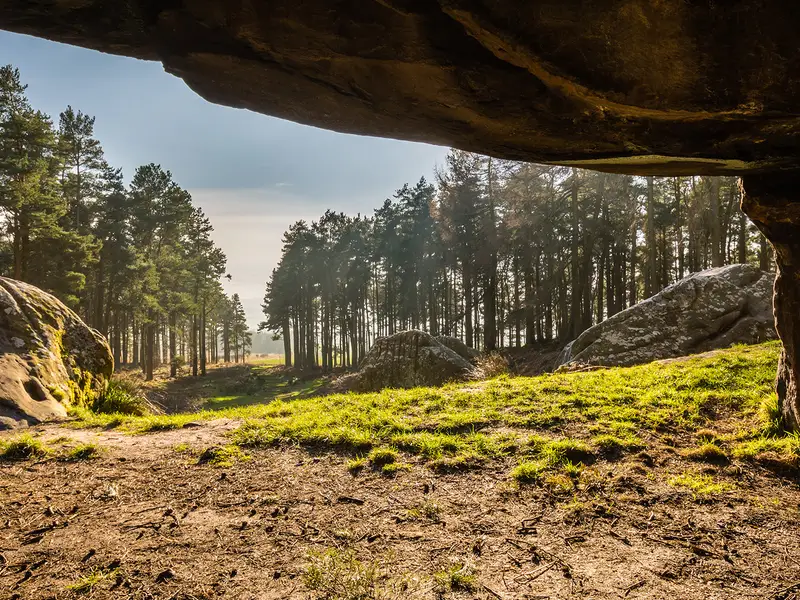 United Kingdom, England, Scotland · 100 km · 5 days · Moderate
 Pilgrim-style progression gives St Cuthbert’s Way a memorable shape, running from Melrose Abbey to the Holy Island of Lindisfarne. In five moderate days it crosses riverside paths, farmland, woodland, moorland, hills and coastal sand.
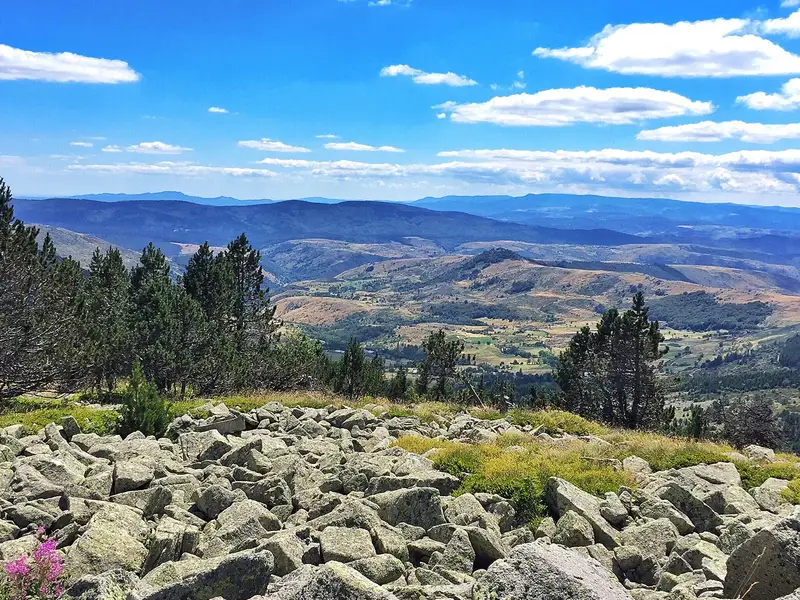 France · 272 km · 12 days · Moderate
 Scale and continuity define the GR70, a 272 km waymarked traverse across the southern Massif Central. Around 12 days of mountain and forest walking on dirt, rocky and gravel surfaces make it a substantial French Grande Randonnée.
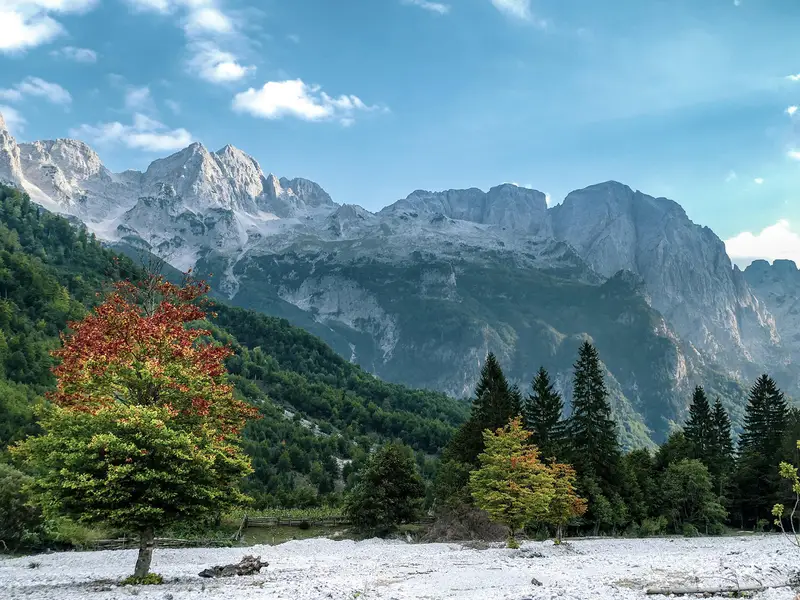
 Montenegro · 192 km · 10 days · Moderate
 High mountain terrain is the reason to walk the Peaks of the Balkans Trail, a 192 km loop through the Accursed Mountains. Its 10-day itinerary crosses Albania, Kosovo and Montenegro on rocky, dirt, scree and snow surfaces.
Ireland · 130 km · 7 days · Moderate Crossing the Dublin and Wicklow Mountains, the Wicklow Way packs mountain, forest, moorland and farmland into a manageable week. Its moderate, non-technical nature gives Ireland a strong point-to-point classic.
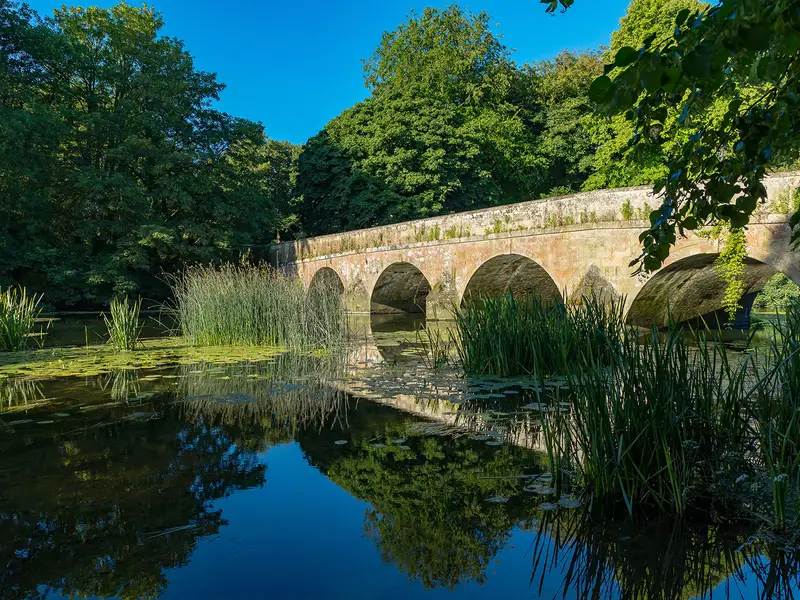 United Kingdom, England · 103 km · 5-6 days · Moderate
 Following the River Stour from Wiltshire to the Dorset coast, this route earns its place through steady lowland variety: river valley, wetland, farmland, woodland, hills and a coastal finish over five to six days.
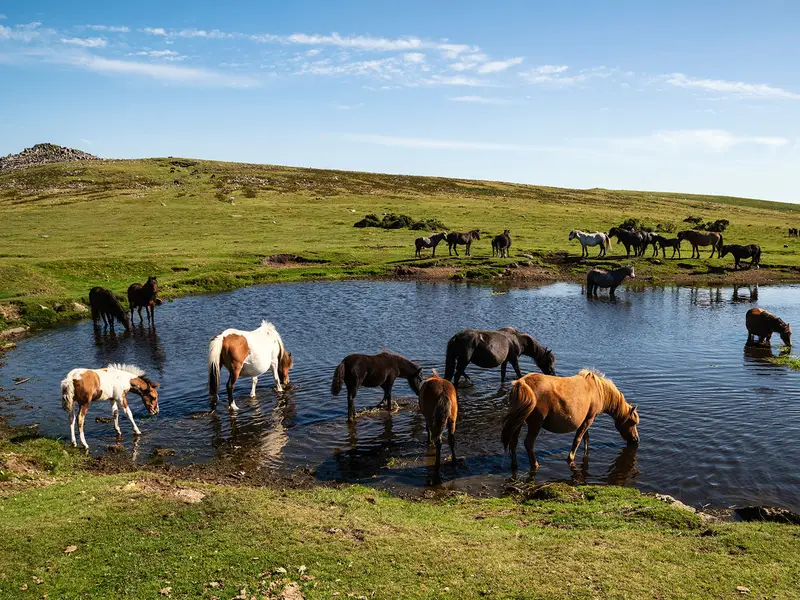 United Kingdom, England · 174 km · 7-10 days · Moderate
 As a 174 km waymarked loop around Dartmoor National Park’s edge, the Dartmoor Way offers a substantial circuit rather than a simple crossing. Moorland-edge towns, wooded sections and rural walking give it lasting multi-day interest.
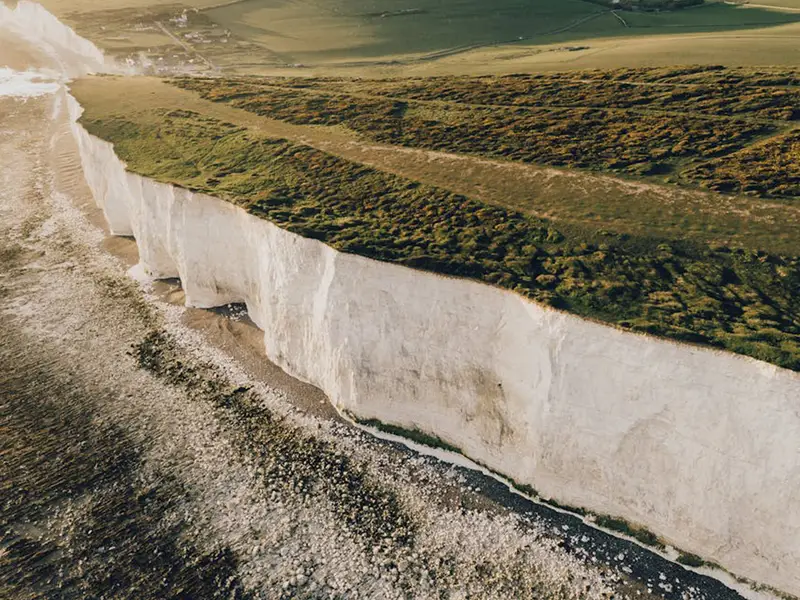 United Kingdom, England · 160 km · 8 days · Moderate
 Open chalk-down walking is the South Downs Way’s defining strength, carrying hikers from Winchester to Eastbourne across grassland, hills and forest. Its moderate, well-paced eight-day format makes it one of England’s clearest long-distance journeys.
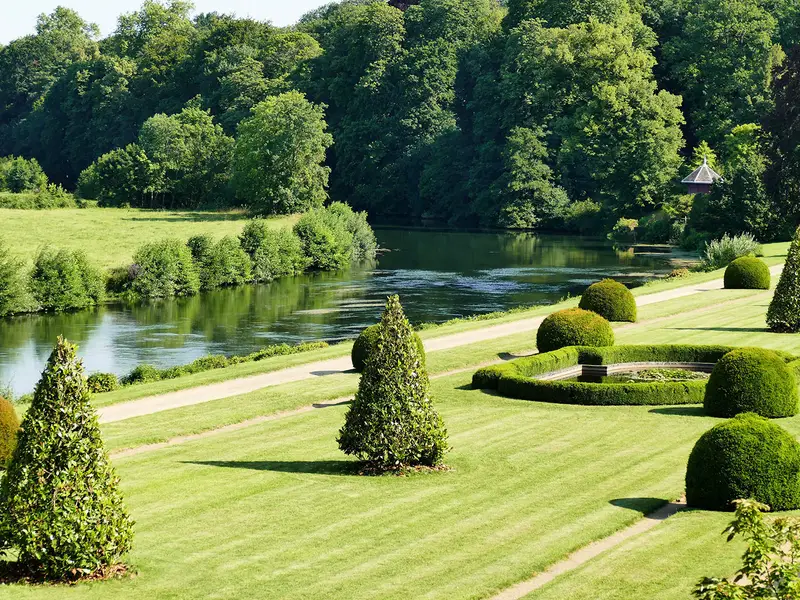 France · 495 km · 13 days · Moderate
 Scale is the GR364’s calling card: a 495 km Grande Randonnée across western France to the Vendée coast. Lowland walking through forest, wetland, rural country and coastal terrain gives it a broad, unhurried character.
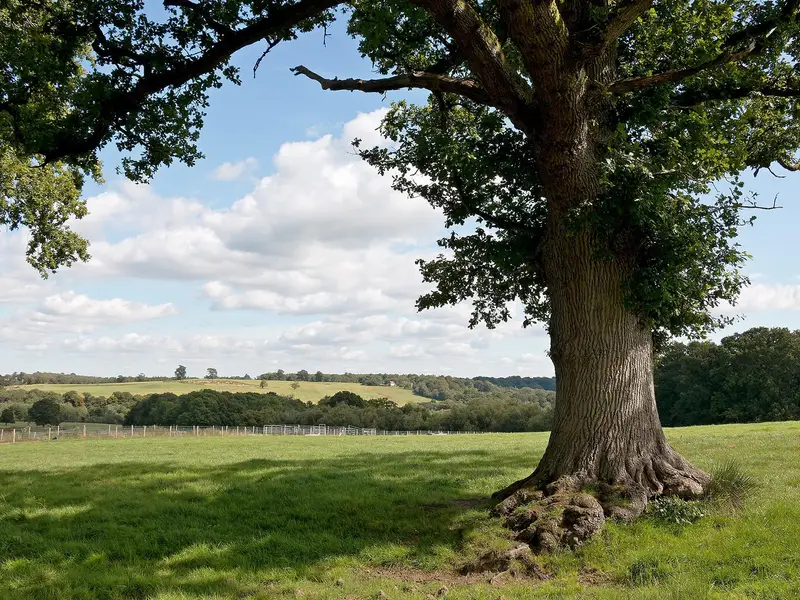 United Kingdom, England · 240 km · 12 days · Moderate
 Following Sussex’s historic boundary gives this 240 km path a distinctive line across southern England. Coastal sections, grassland, forest and sometimes muddy going make it a varied, moderate twelve-day point-to-point walk.
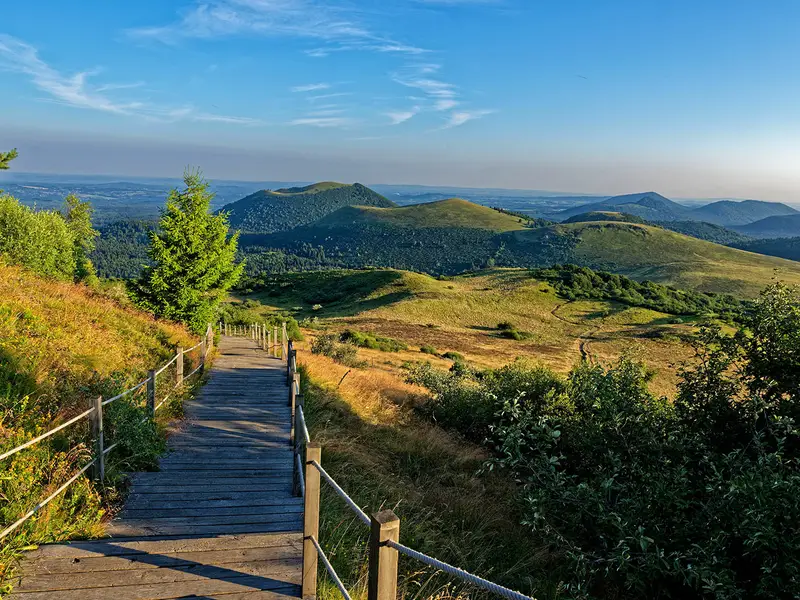 France · 115 km · 6 days · Moderate
 Circling the volcanic Chaîne des Puys from Volvic, the GR441 stands out as a compact six-day mountain-and-forest loop. Its rocky, gravel and dirt paths give the route enough texture without pushing beyond moderate difficulty.
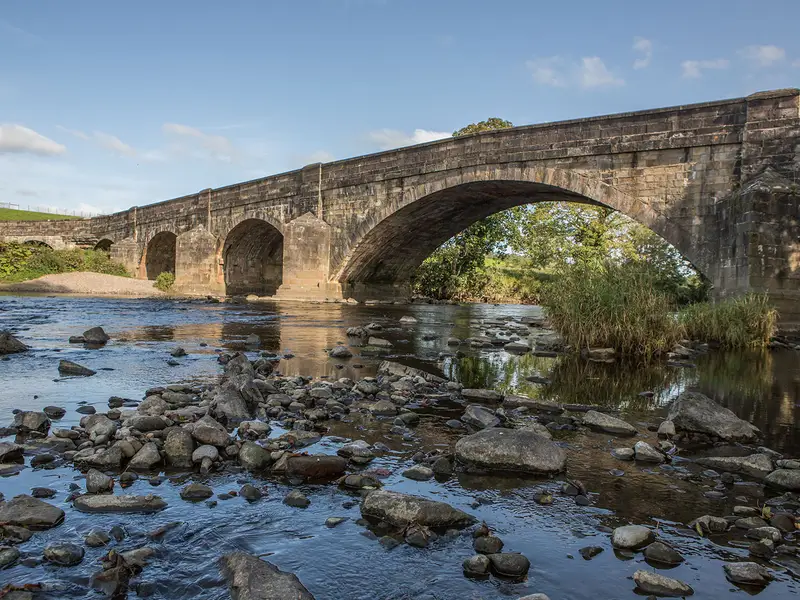 United Kingdom, England · 116 km · 6-7 days · Moderate
 The Ribble Way’s appeal is its upstream progression, tracing the River Ribble from the Lancashire estuary towards the moorland below Cam Fell. Wetlands, river valley and moorland give this six-to-seven-day walk a clear natural rhythm.
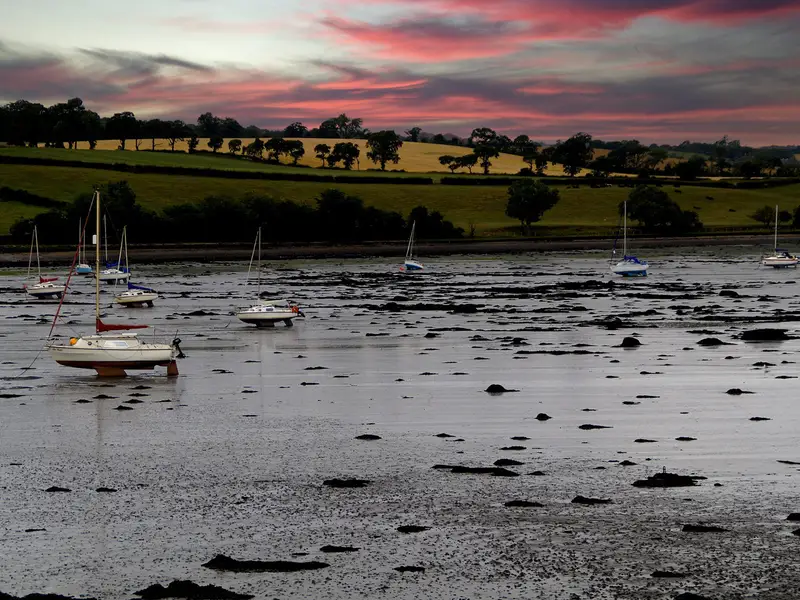 United Kingdom, Scotland · 215 km · 9-10 days · Moderate
 A coast-to-coast line across central Scotland gives the John Muir Way real long-distance shape. Low-level, undulating walking links coast, moorland, woodland, canal towpath and rural lanes between the Firth of Clyde and the North Sea.
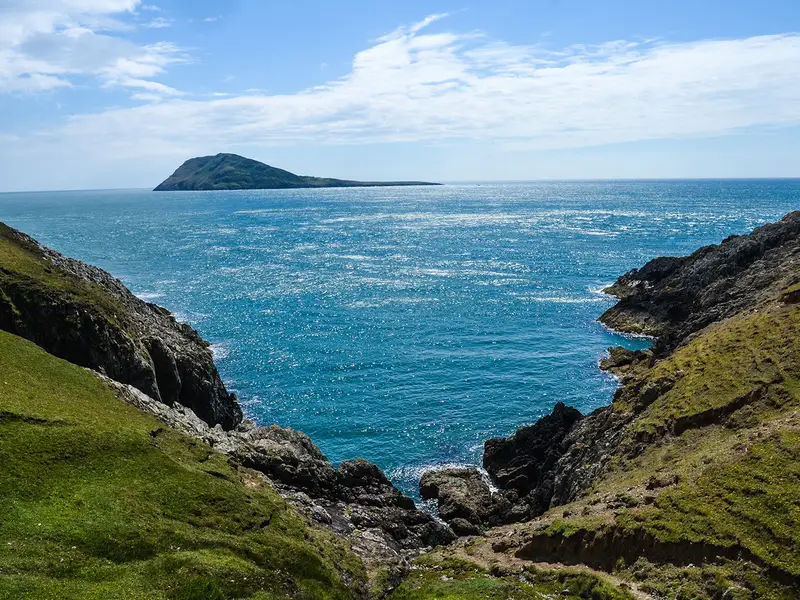 United Kingdom, Wales · 216 km · 14 days · Moderate
 Across North Wales from Holywell to Aberdaron, this two-week pilgrimage route earns its place through sustained variety. Coastal walking, woodland, riverside paths, moorland and mountain foothills keep the moderate journey consistently engaging.
Sweden · 130 km · 7 days · Moderate Southeastern Sweden’s forests and wetlands give the Glasriket Trail a quiet, immersive week-long character. Its passage through the country’s glassmaking heartland adds a cultural thread to the dirt, gravel and boardwalk walking.
 Austria · 125 km · 7 days · Moderate
 Following the wild River Lech from Formarinsee to the Lechfall, the Lechweg delivers a strong mountain-river journey in a moderate seven-day package. Mostly valley walking keeps the alpine setting accessible.
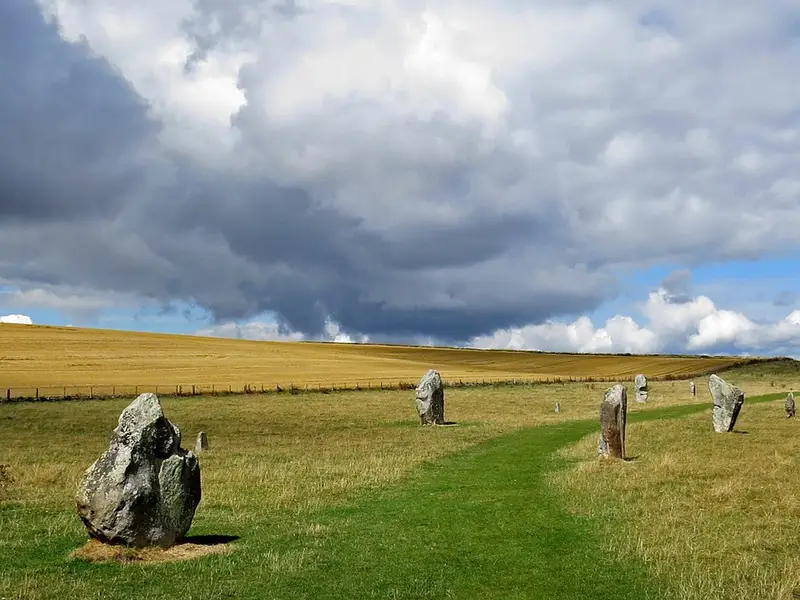 United Kingdom, England · 139 km · 6 days · Moderate
 The Ridgeway proves how satisfying a low-level National Trail can be, running from Overton Hill near Avebury to Ivinghoe Beacon. Grassland, hills, forest and chalk underfoot create a focused six-day traverse of southern England.
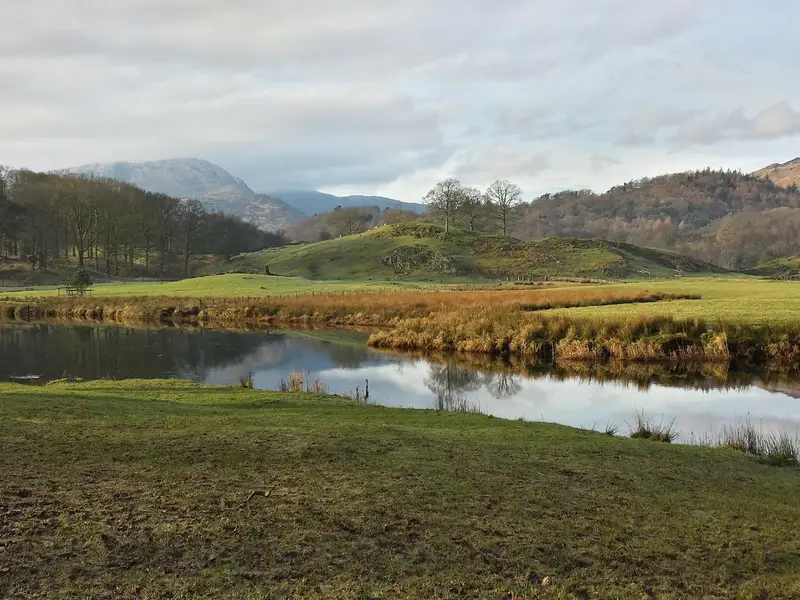 United Kingdom, England · 112 km · 5 days · Moderate
 In just five days, the Cumbria Way gives a compact crossing of Cumbria from Ulverston to Carlisle. Mostly low-level valleys, lakeshores and farmland sit alongside mountainous, forest and grassland terrain for a varied moderate walk.
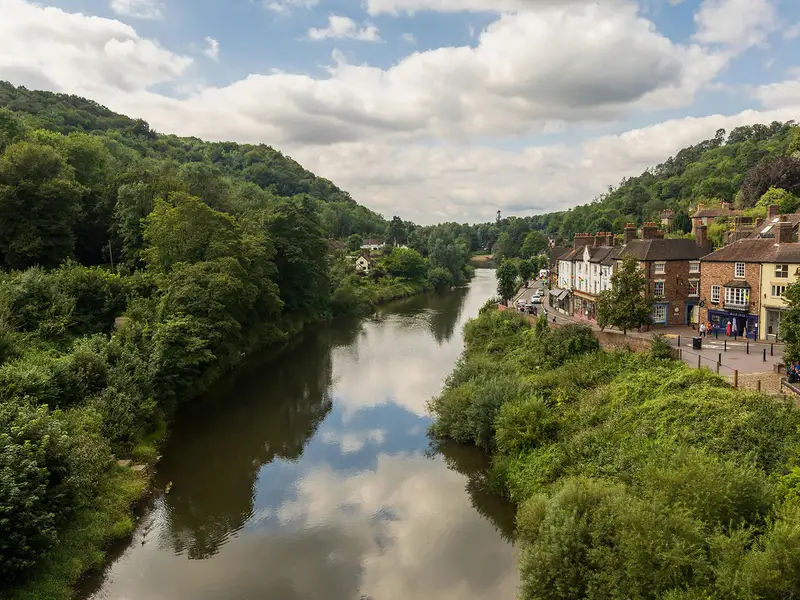 United Kingdom, England, Wales · 344 km · 14 days · Moderate
 Few river routes have such a complete line: the Severn Way follows the River Severn from the Plynlimon plateau to Severn Beach. Over fourteen days it moves through mountain, valley, hills and wetland.
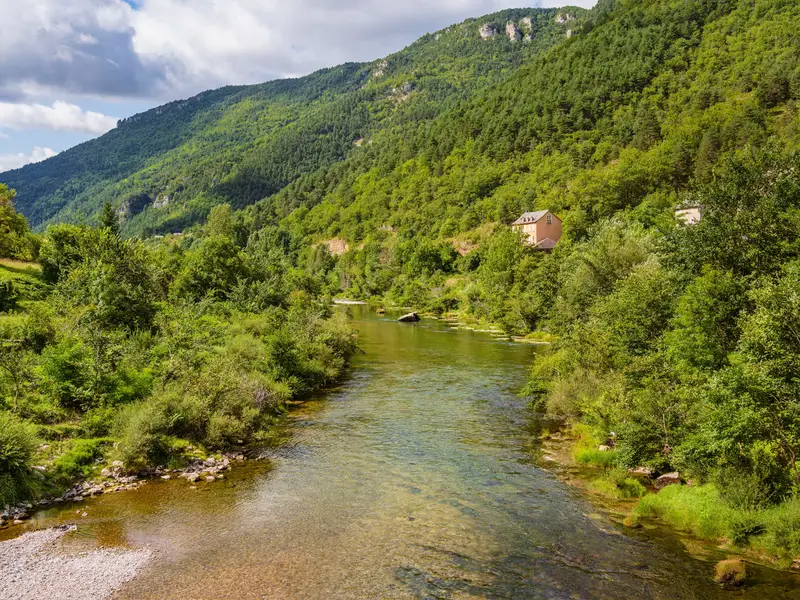 France · 116.5 km · 6-7 days · Hard
 For challenge, the GR68 stands out among mid-length routes, looping around the Mont Lozère massif with roughly 4,338 m of ascent. Moorland, forest, valley and terraced hillsides make this hard Cévennes walk richly varied.
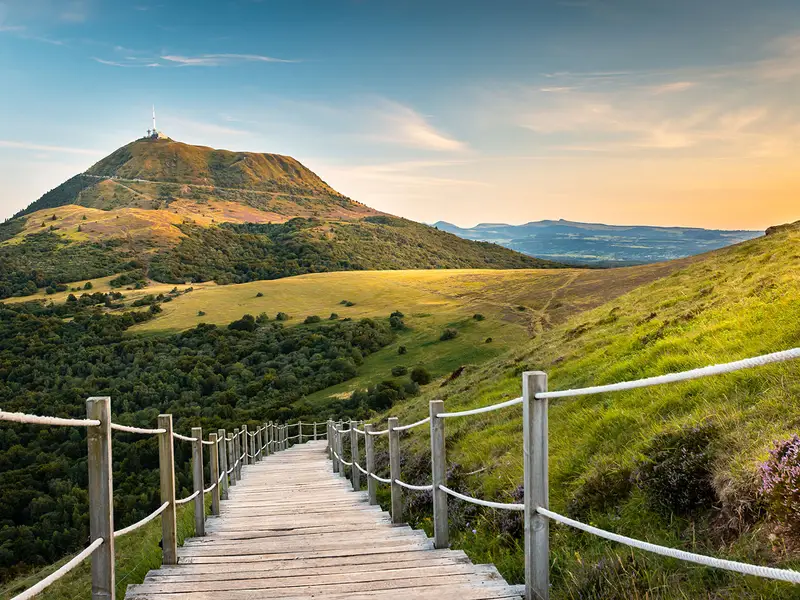 France · 198 km · 9 days · Moderate
 The GR30 is a generous nine-day loop through the Massif Central, circling Auvergne’s volcanic lakes. Mountainous and forest terrain, with dirt, rocky and gravel surfaces, gives the route a strong upland identity.
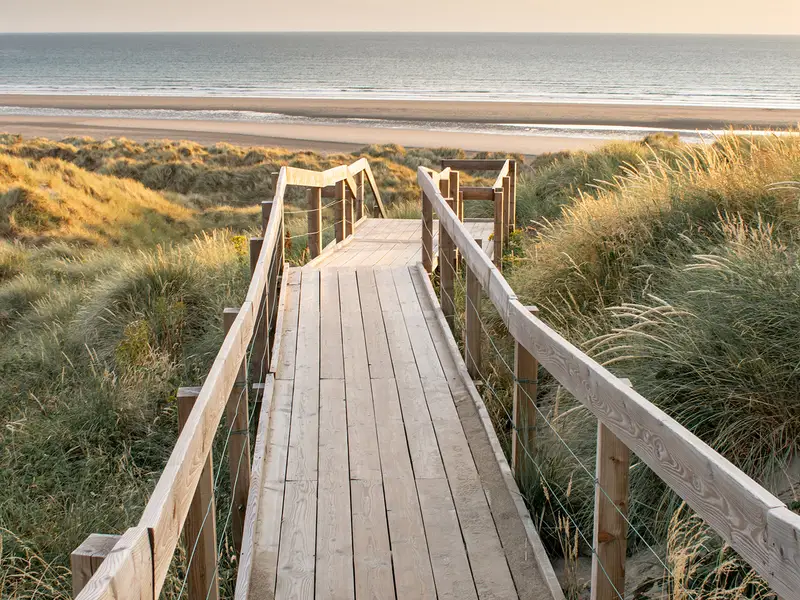 United Kingdom, Wales · 96 km · 7 days · Moderate
 Cliff paths, sandy bays, harbour towns, dunes and estuary walking give the Ceredigion Coast Path remarkable variety for 96 km. Its week-long point-to-point line between Cardigan and Ynyslas is a concentrated Welsh coastal journey.
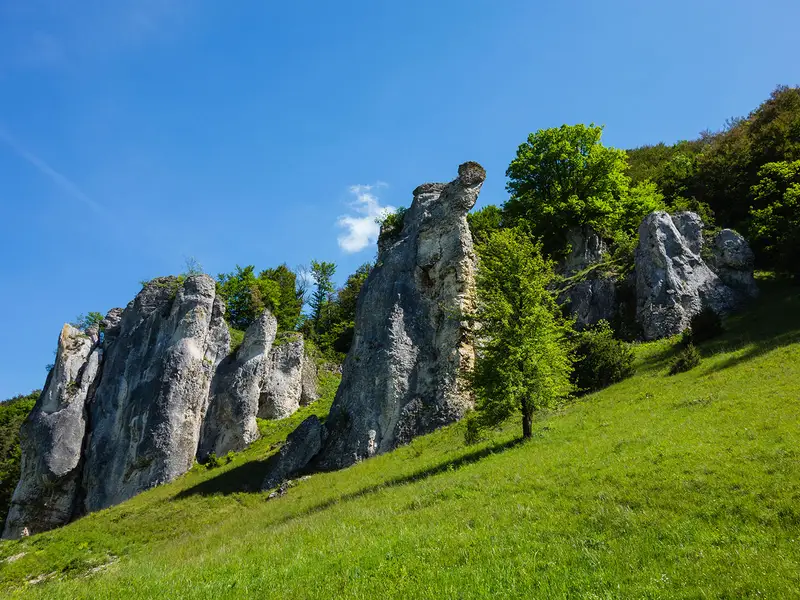 Germany · 200 km · 10 days · Moderate
 Length and ease combine well on the Altmühltal Panorama Trail: 200 km through Bavaria’s Altmühltal Nature Park on well-made paths. Forest, meadows, riverside walking, limestone crags and juniper heaths sustain interest over ten days.
 Switzerland · 115 km · 7 days · Moderate
 Circling the four main arms of Lake Lucerne, this seven-day route blends lakeside walking with mountainous, forest and urban sections. It suits hikers wanting a moderate Swiss journey with lake views and historic sites.
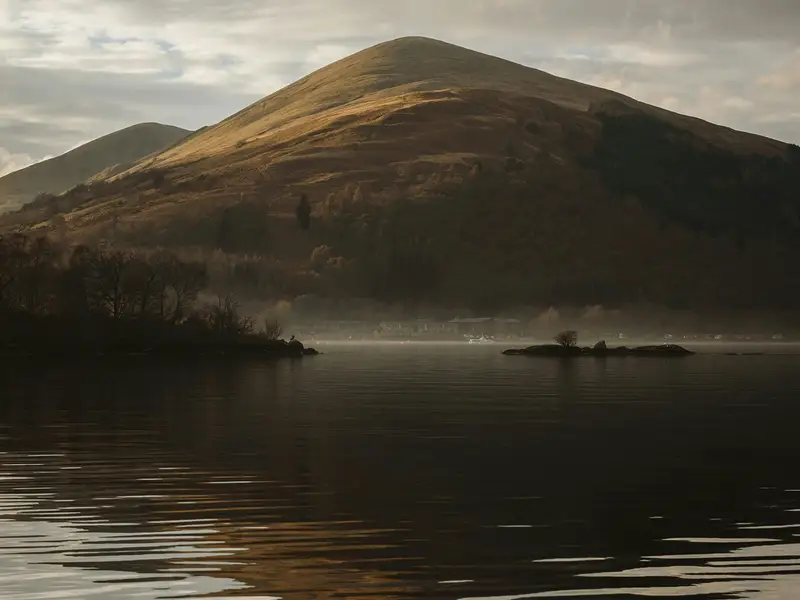 United Kingdom, Scotland · 92 km · 5 days · Moderate
 Crossing the Cowal peninsula from Loch Fyne to Loch Lomond, this five-day Scottish walk packs coast, forest, moorland, hillside and lochside into a manageable moderate journey.
 United Kingdom, England · 174 km · 6-9 days · Moderate
 Following the greensand ridge for 174 km, the Greensand Way offers a substantial but moderate English traverse of hills and forest, with dirt and gravel paths suited to steady multi-day walking.
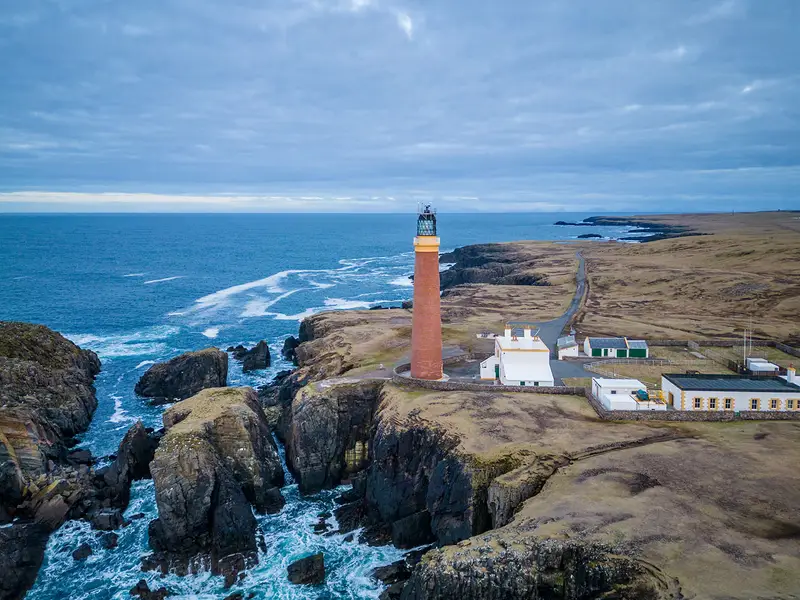 United Kingdom, Scotland · 252 km · 10-13 days · Moderate
 Island breadth gives the Hebridean Way its force: 252 km through the Outer Hebrides, mixing coast, beaches, machair, moorland and hills over 10–13 moderate days.
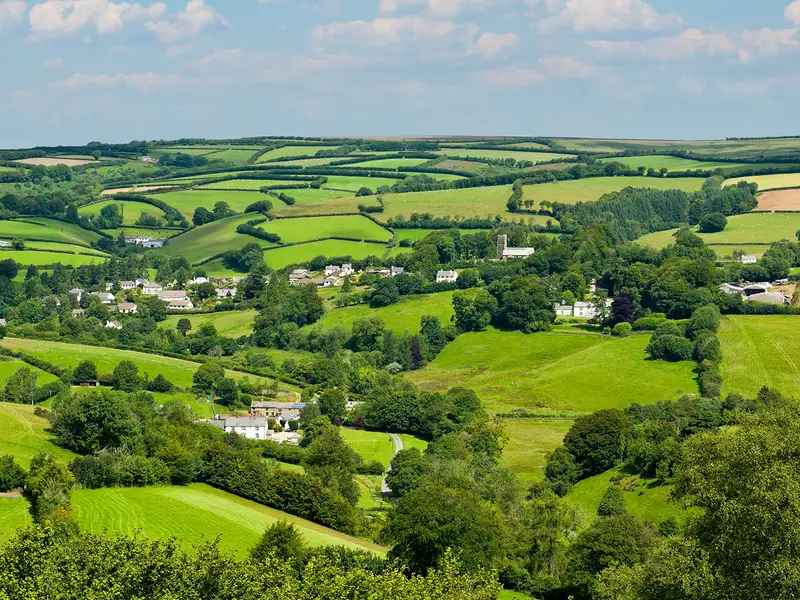 United Kingdom, England · 84 km · 5-6 days · Moderate
 Tracing the River Exe from the estuary towards Exmoor, this moderate route earns its place through clear progression: coast, river valley, forest, moorland and farmland across a compact five- to six-day walk.
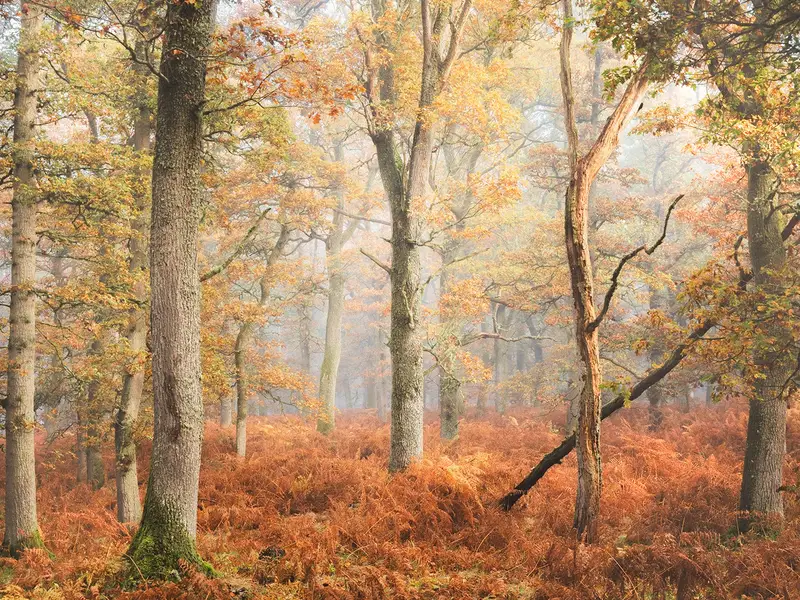 United Kingdom, Scotland · 103 km · 4-6 days · Moderate
 As a circular Scottish route from Blairgowrie through Perthshire and the Angus glens, the Cateran Trail combines farmland, moorland, forest and open hillside with drovers’ roads and riverside paths.
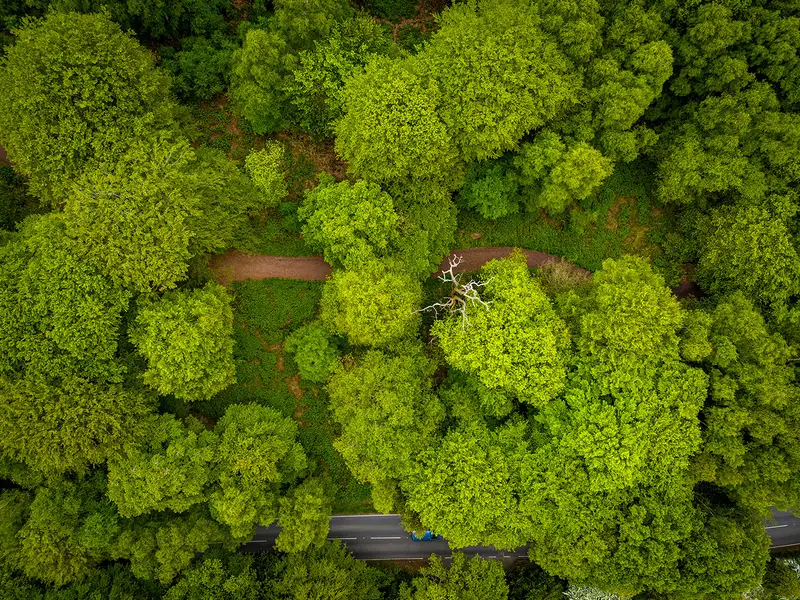 United Kingdom, England · 130 km · 7 days · Moderate
 Gentle, low-level walking is the Essex Way’s strength, carrying a seven-day line from Epping to Harwich through farmland, woodland, river valley and coastal terrain without needing mountain difficulty.
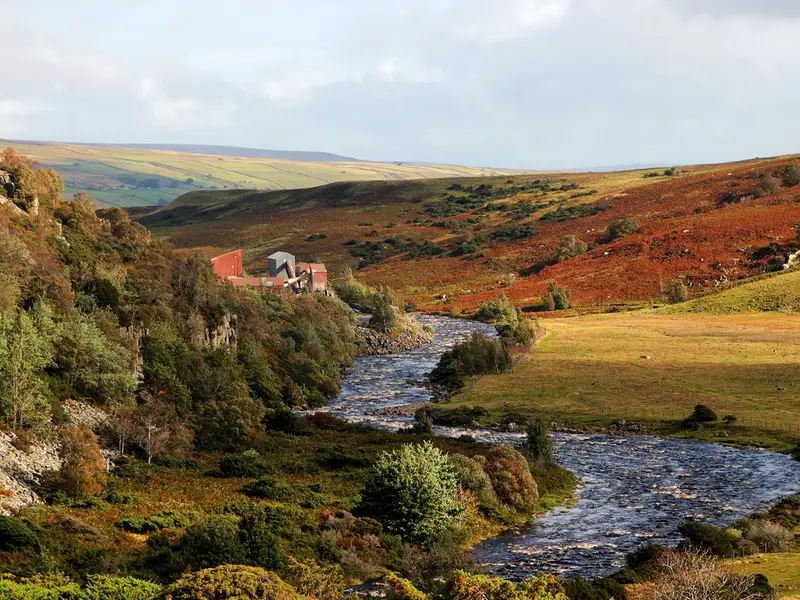 United Kingdom, England · 148 km · 6-7 days · Moderate
 Variety drives the Teesdale Way, following the River Tees from the North Pennines to the North Sea through moorland, river valley, rolling hills, coast and urban sections.
Ireland · 179 km · 8 days · Moderate Around the Dingle Peninsula, this moderate Irish circuit delivers eight days of coastal, farmland, moorland and mountainous walking, using lanes, tracks, cliff paths and sand rather than relying on one terrain type.
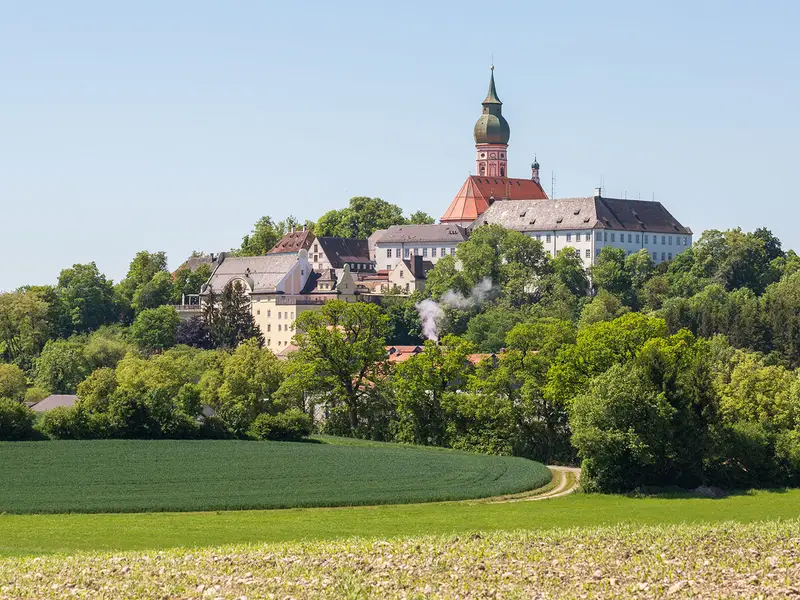 Germany · 120.7 km · 6-7 days · Moderate
 Measured over six to seven days, the King Ludwig Way crosses Bavaria’s Alpine foothills from Lake Starnberg to Füssen, combining lakeshore, farmland, forest, moor, meadow and gorge walking.
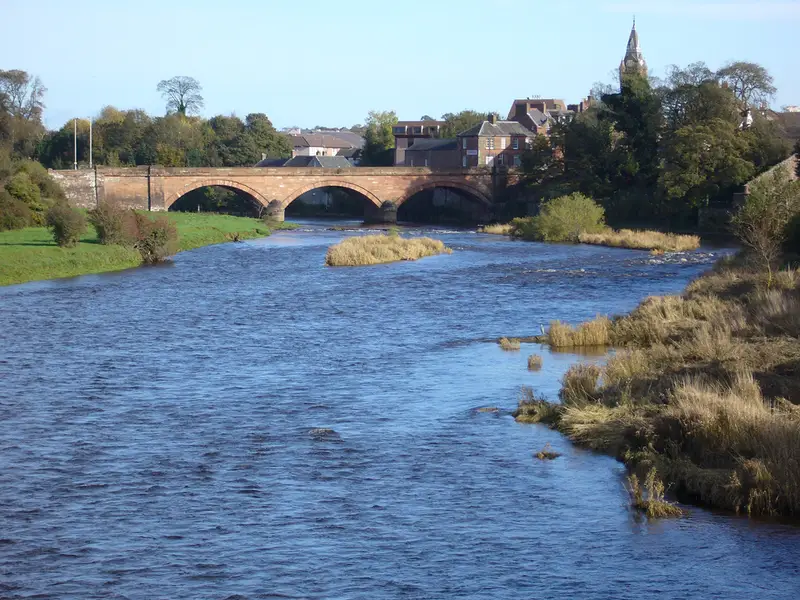 United Kingdom, Scotland · 88 km · 5 days · Moderate
 Compact but varied, the Annandale Way follows the River Annan from the Moffat hills to the Solway Firth, moving through moorland, farmland, woodland, river valley and coast in five days.
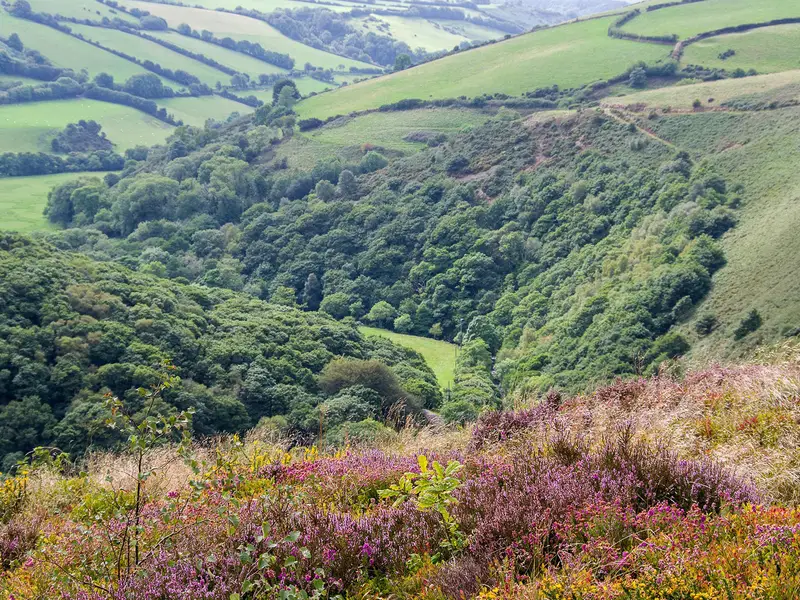 United Kingdom, England · 188 km · 8-12 days · Moderate
 Linking Dartmoor and Exmoor from Wembury Bay to Lynmouth, the Two Moors Way gives a full Devon coast-to-coast journey, with open moorland adding bite to an otherwise moderate 188 km route.
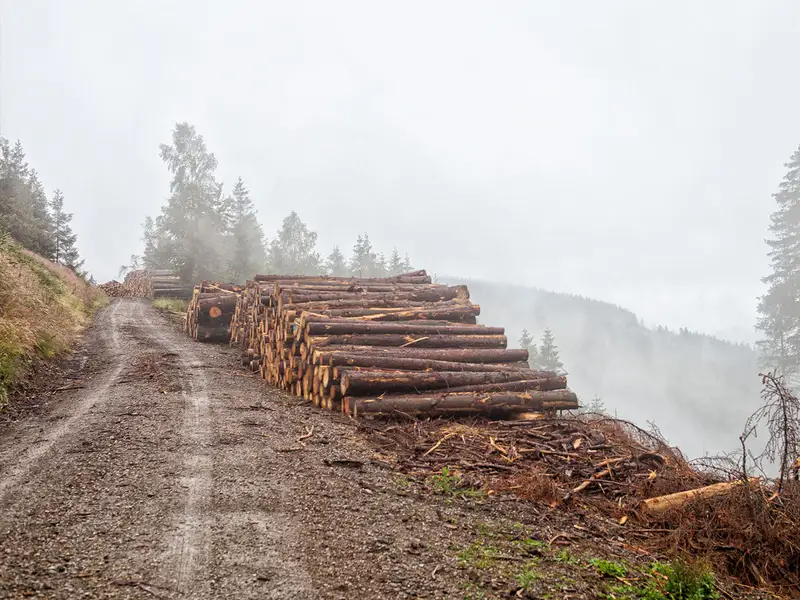 Germany · 97 km · 6 days · Moderate
 Through the western and southern Harz mountains, the Harzer BaudenSteig offers six days of waymarked mountain and forest walking on dirt, gravel and rocky surfaces between Bad Grund and Walkenried.
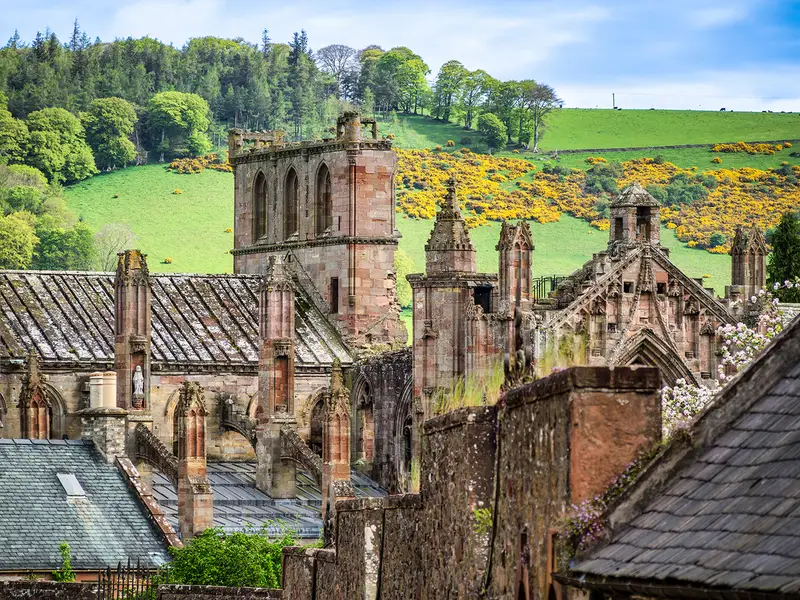 United Kingdom, Scotland · 109 km · 5-6 days · Moderate
 Abbeys give this Scottish Borders circuit its structure, linking Melrose, Dryburgh, Kelso and Jedburgh across the Tweed and Teviot valleys through riverside paths, farmland, woodland and rough high ground.
Ireland · 214 km · 9 days · Hard For a tougher Irish circuit, the Kerry Way brings 214 km around the Iveragh Peninsula and Killarney area, mixing mountainous, coastal, forest, moorland and farmland terrain over the traditional nine stages.
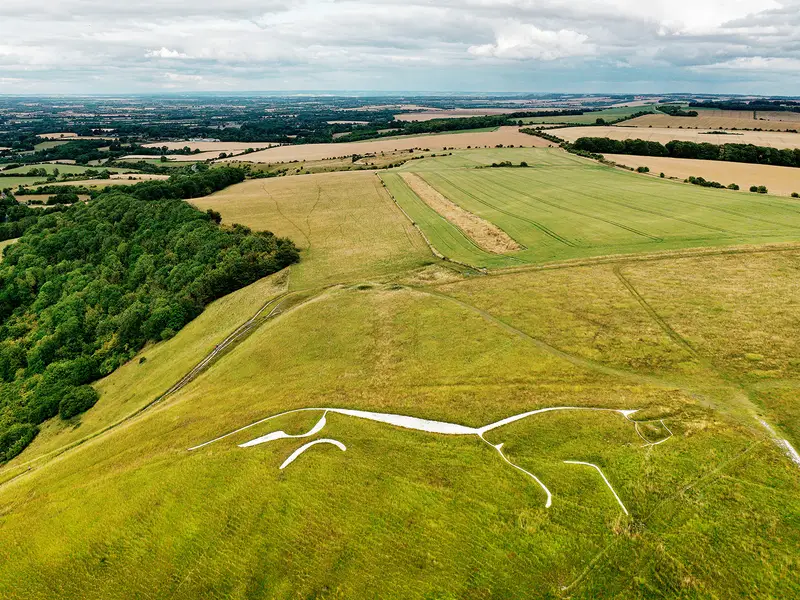 United Kingdom, England · 146.5 km · 7-9 days · Moderate
 Its clear theme sets the White Horse Trail apart: a 146.5 km Wiltshire loop linking all eight chalk-cut white horses, with moderate rural, grassland and hill walking over seven to nine days.
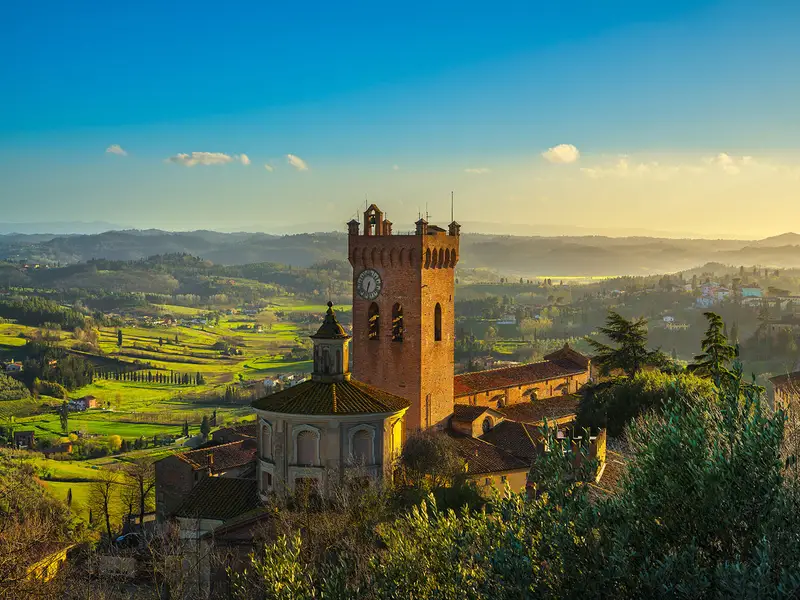
 Italy · 180 km · 7 days · Moderate
 Pilgrimage character anchors this Tuscan section of the Via Francigena, a seven-day Lucca to Siena walk through rolling hills, vineyards, olive groves, woodland, clay fields and river crossings.
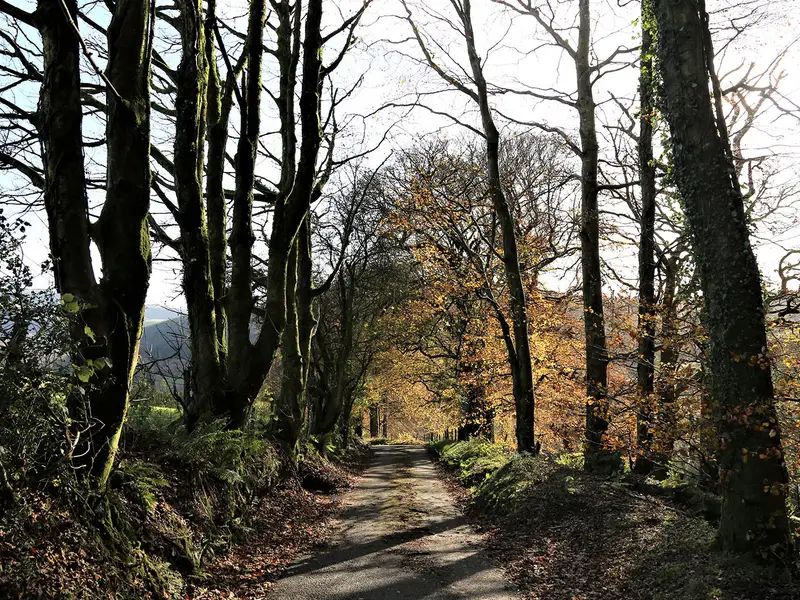 United Kingdom, Wales · 164 km · 6-10 days · Hard
 Experienced walkers get a hard Welsh horseshoe on the Dyfi Valley Way, following the Afon Dyfi from Cardigan Bay to the Aran mountains and back to the estuary at Borth.
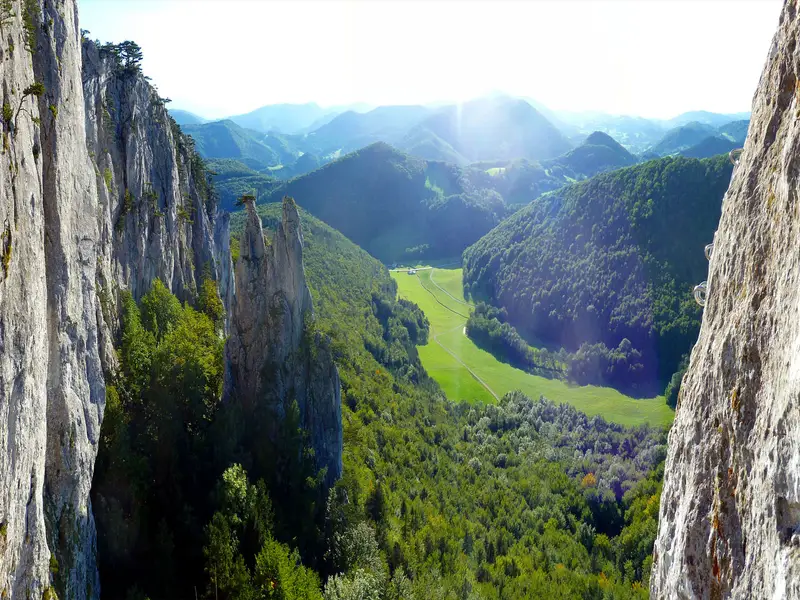 Austria · 120 km · 6-10 days · Moderate
 Circling Vienna rather than escaping it entirely, the Vienna Woods Trail links Wienerwald forest, vineyard slopes, urban green space and Danube-side riverside walking in a moderate 120 km loop.
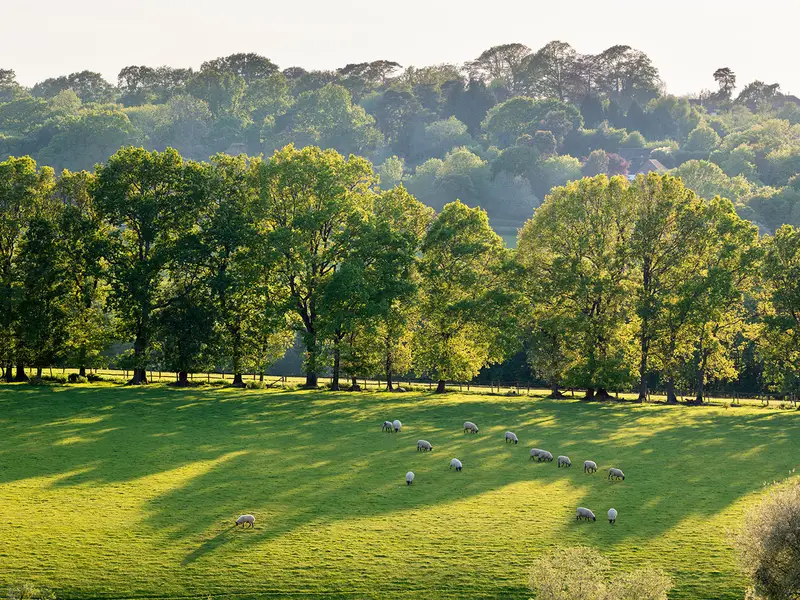 United Kingdom, England · 133 km · 7 days · Moderate
 Straightforward in concept and satisfying in scope, the Wealdway runs from the Thames estuary to the English Channel, giving seven days of moderate forest, grassland and hill walking across England.
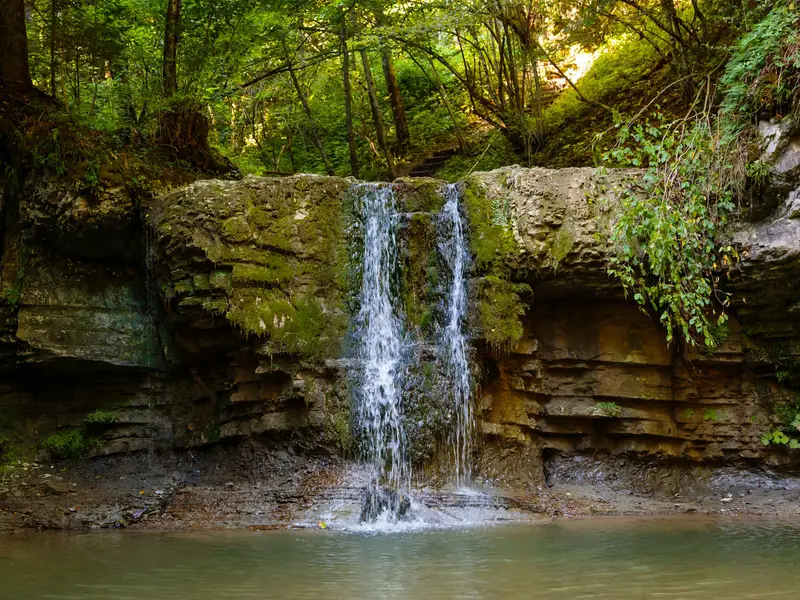
 Slovenia · 230 km · 11 days · Hard
 Demanding in scale and terrain, the Path of Peace crosses western Slovenia for 230 km, briefly enters Italy and finishes at Trieste, with Alpine sections, forest and hills making it a hard point-to-point hike.
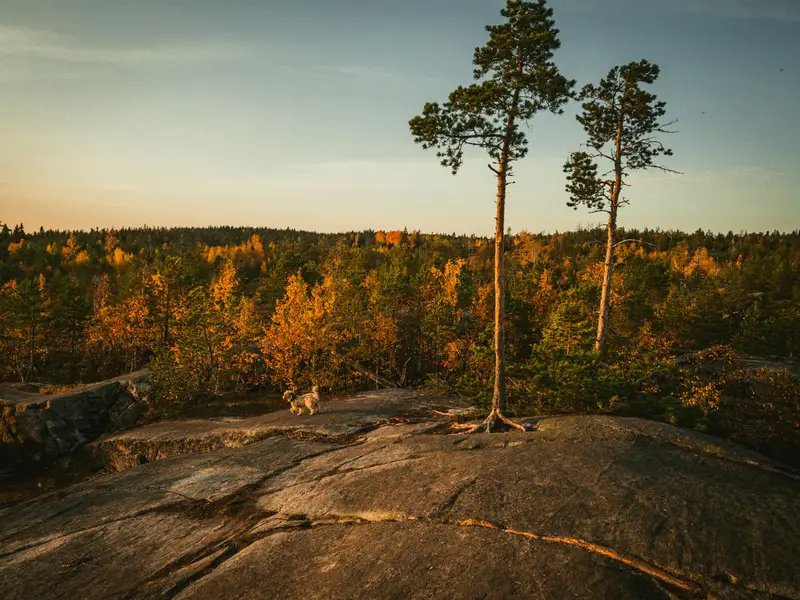
 Czechia · 119 km · 5-7 days · Moderate
 Rock formations, forest paths and hilly terrain give this 119 km Czechia route real character without pushing beyond moderate difficulty. Its 5–7 day point-to-point format makes it a compact, varied long-distance walk through Český ráj.
 Belgium · 265 km · 10-12 days · Moderate
 Following river valleys through Ardennes forest and hilly ground, the GR 57 offers a sustained 265 km point-to-point journey from Belgium towards Luxembourg. It suits fit walkers wanting a moderate trail with plenty of woodland and valley walking.
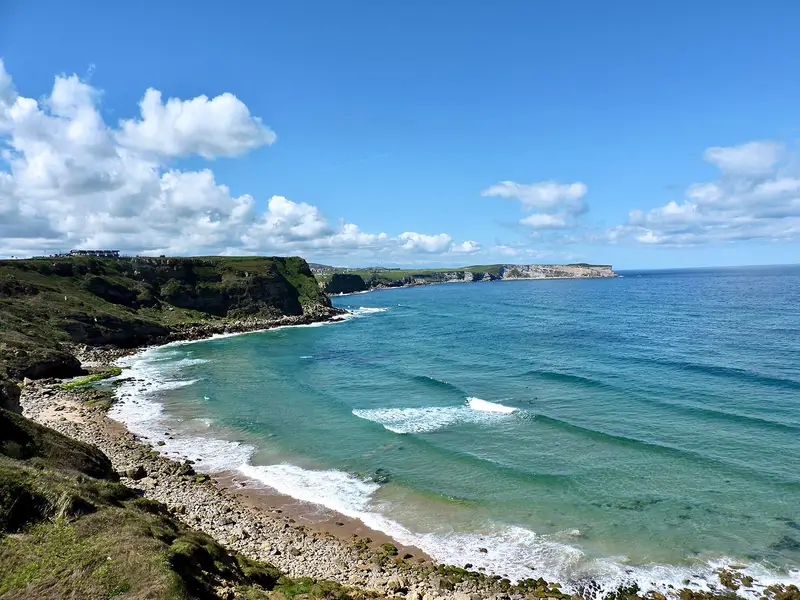 Spain · 180 km · 7 days · Moderate
 Coastal walking, farmland, towns and wetlands make this Cantabrian section of the Camino del Norte unusually varied for a 7-day hike. The mix of paved, gravel, dirt and cobblestone surfaces keeps the journey practical but never monotonous.
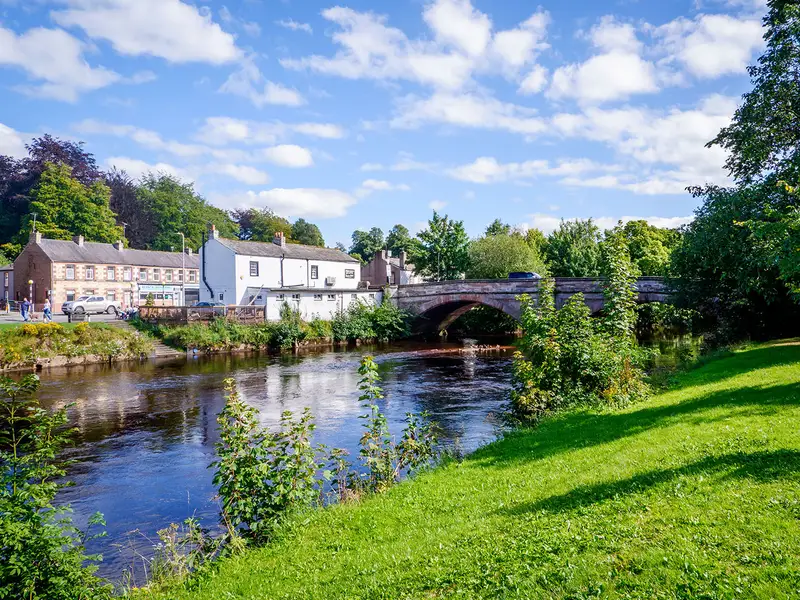 United Kingdom, England · 129 km · 6 days · Moderate
 River character defines The Eden Way, tracing the River Eden from the Solway Firth towards its upland source over 129 km. Woodland, lowland farmland and moorland give this moderate Cumbria walk a clear beginning-to-end purpose.
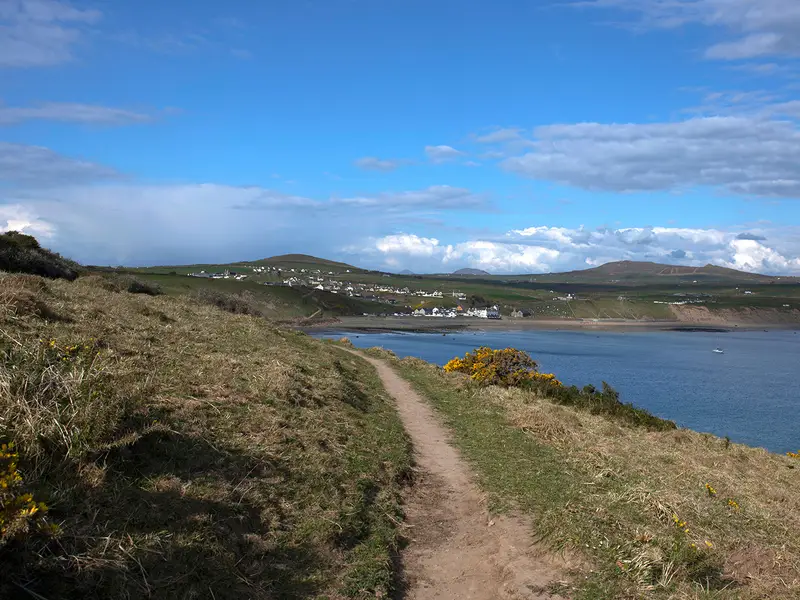 United Kingdom, Wales · 146 km · 7-10 days · Moderate
 Around Penrhyn Llŷn, this 146 km Welsh coastal route combines clifftops, hills, farmland and dunes over a flexible 7–10 day schedule. It earns its place through sustained coastal walking with enough varied ground to keep each day distinct.
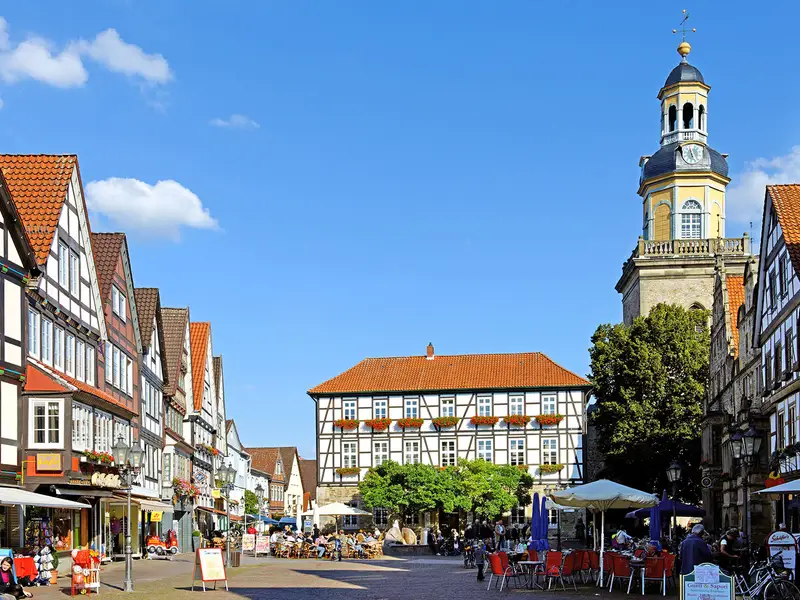 Germany · 225 km · 13 days · Moderate
 Wooded uplands, ridge trails, meadows, moorland and river valleys give the Weserbergland Trail a broad range of moderate walking. Its 225 km length and 13-day standard itinerary make it a substantial German point-to-point hike.
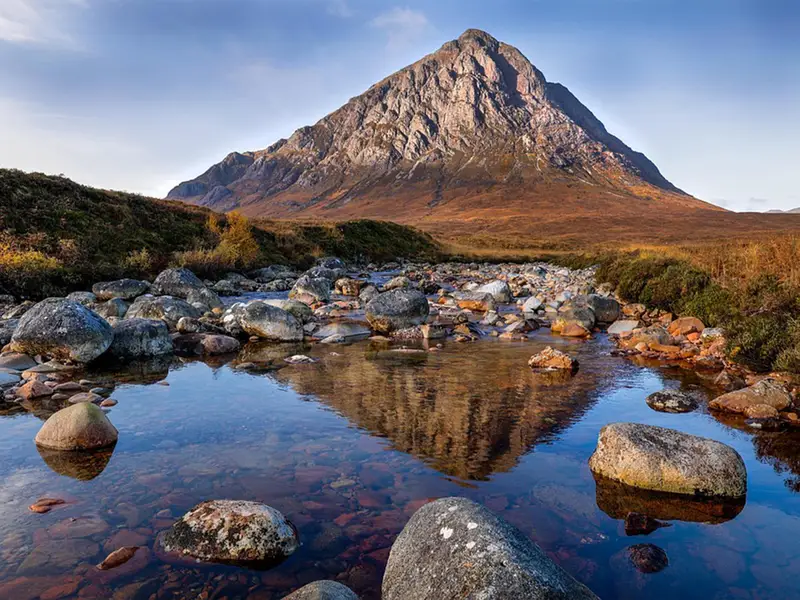 United Kingdom, Scotland · 154 km · 7 days · Moderate
 Scotland’s first official long-distance route remains a benchmark multi-day walk because it links forest, grassland and mountainous terrain in a clear 154 km line from Milngavie to Fort William. Seven days gives it classic journey scale.
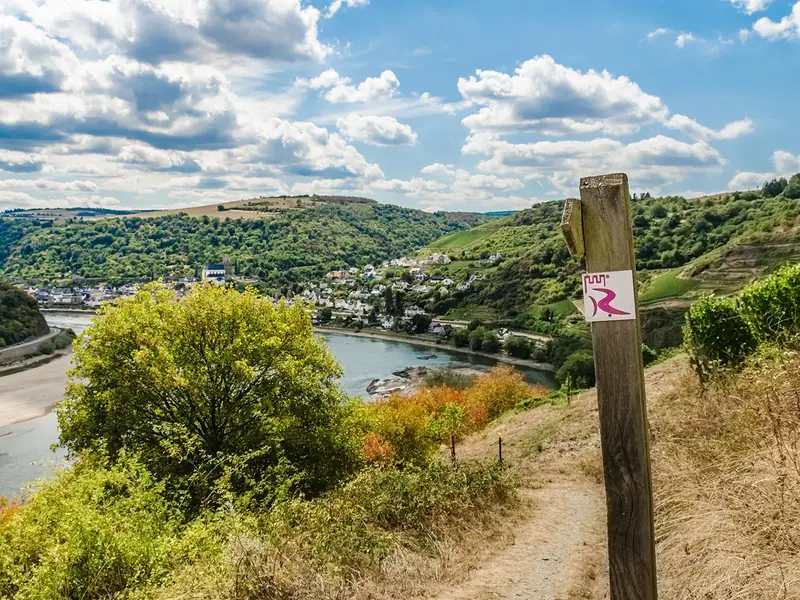 Germany · 195 km · 13 days · Moderate
 Along the left bank of the Rhine, the RheinBurgenWeg turns 195 km of forested and mountainous ground into a 13-day moderate trail through the UNESCO Upper Middle Rhine Valley. It is long, scenic and firmly journey-focused.
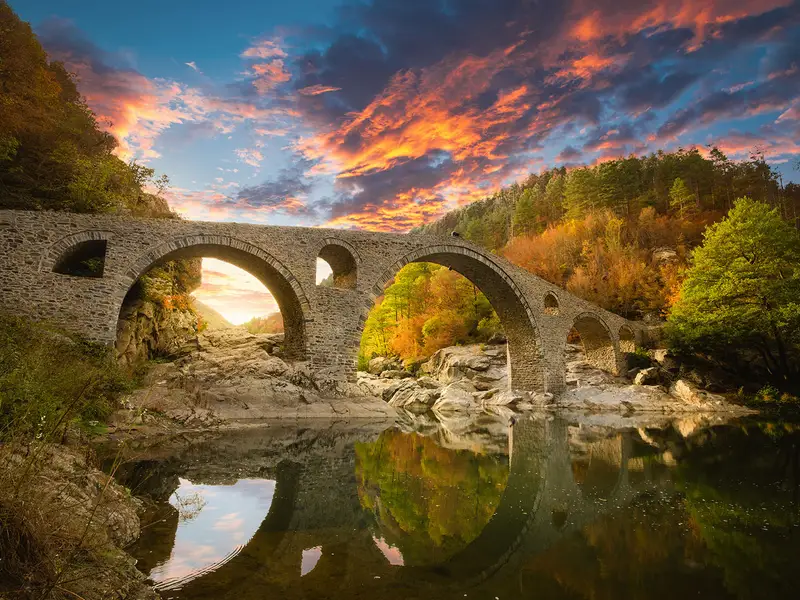
 Bulgaria · 150 km · 7 days · Moderate
 Rather than one official signed line, this is best treated as a 7-day walking week in Bulgaria’s Western Rhodopes. Mountainous forest terrain, rocky tracks and an approximate 150 km cumulative distance give it a strong expedition feel.
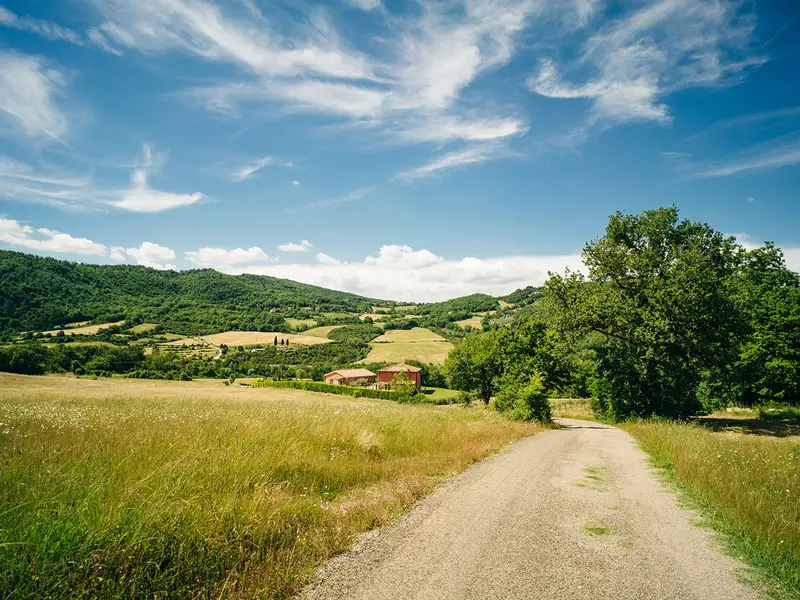 Italy · 130 km · 5-6 days · Hard
 Crossing the Tuscan-Emilian Apennines from Bologna to Florence, the Via degli Dei packs a hard 130 km into 5–6 days. Forest, ridges, river valleys and around 5,000 m of ascent make it demanding but purposeful.
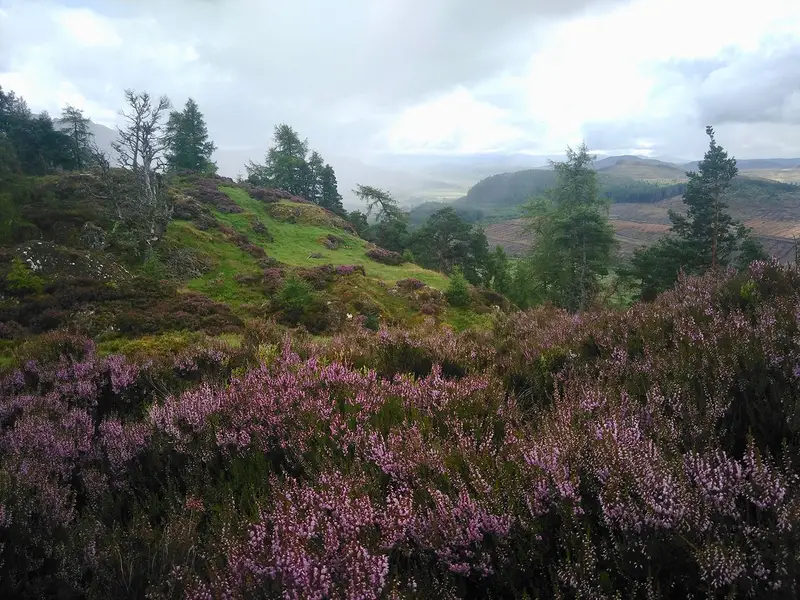 United Kingdom, Scotland · 132 km · 6-8 days · Moderate
 Glens, loch-side sections, forest, moorland and mountain wilderness shape the East Highland Way without turning it into a mountain traverse. Over 132 km from Fort William to Aviemore, it offers a moderate Highland crossing with real remoteness.
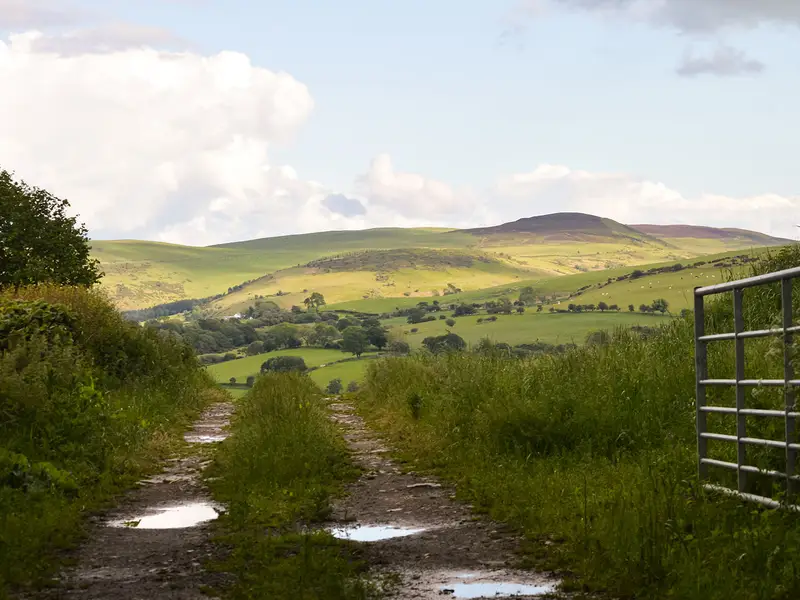 United Kingdom, Wales · 196 km · 7-11 days · Hard
 Circular, hard and almost 200 km long, the Clwydian Way stands out for walkers who want commitment rather than a simple point-to-point. Moorland, hill ridges, forest, farmland and riverside sections create a demanding north-east Wales circuit.
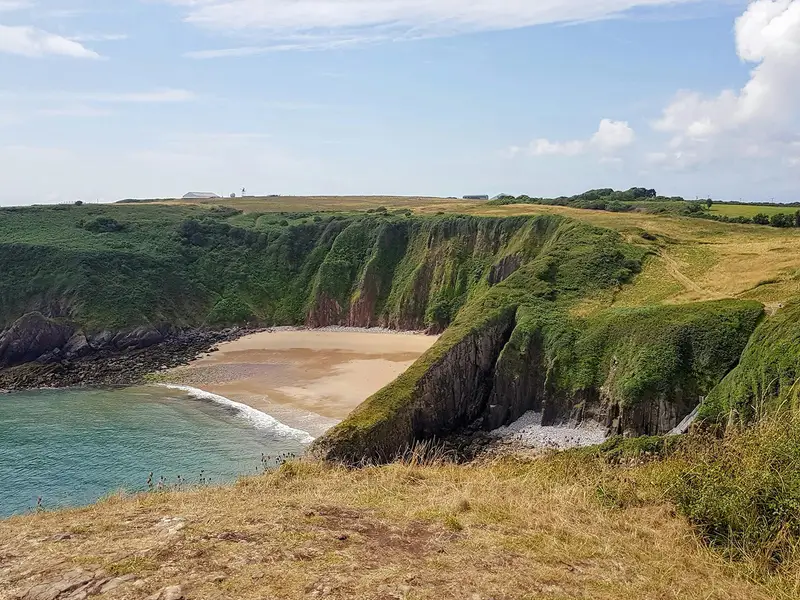 United Kingdom, Wales · 299 km · 12-15 days · Moderate
 Few routes sustain coastal walking at this scale: 299 km through Pembrokeshire Coast National Park over 12–15 days. Clifftops, beaches, estuaries and heath give the National Trail constant variety while remaining moderate overall.
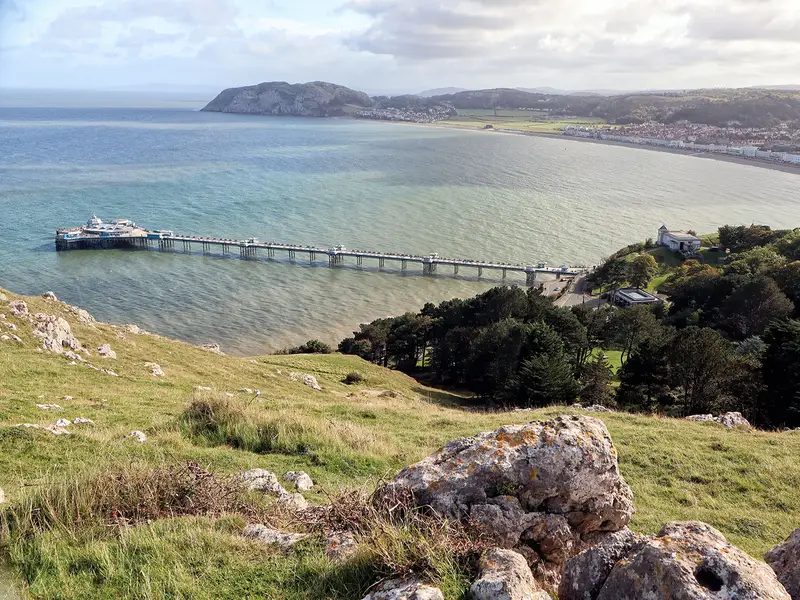 United Kingdom, Wales · 97 km · 4-7 days · Moderate
 Linking Bangor with Prestatyn, the North Wales Path turns 97 km of coast, moorland and upland into a manageable 4–7 day journey. Promenades, seafront paths and old railway trackbed add accessible contrast to the rougher ground.
Ireland · 168 km · 10 days · Moderate The Blackwater Way follows southern Ireland’s River Blackwater valley across 168 km, usually east-to-west over about 10 days. Farmland, forest, moorland and upland sections make it a well-balanced moderate National Waymarked Trail.
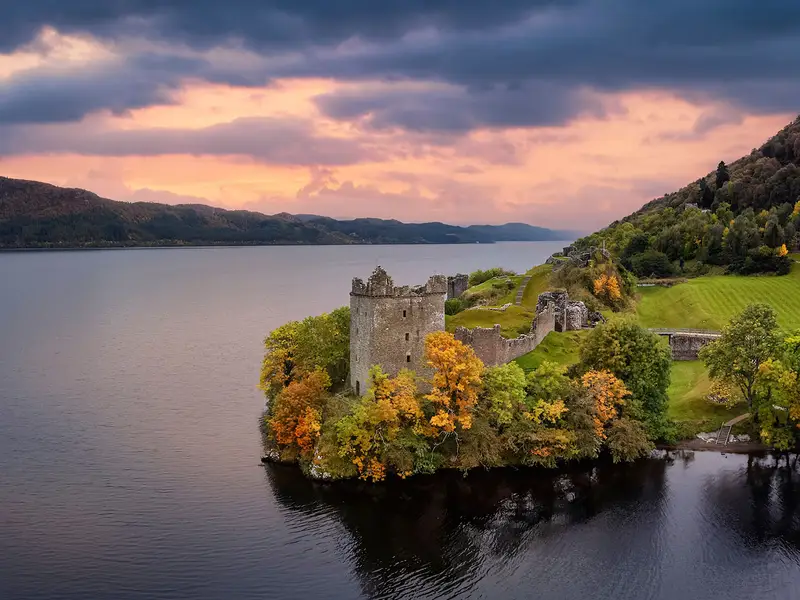 United Kingdom, Scotland · 129 km · 6 days · Hard
 A full 129 km loop around Loch Ness gives this Scottish Highlands route a rare sense of completion. Starting and finishing at Inverness Castle, it combines forest, moorland and mountainous terrain in a hard 6-day circuit.
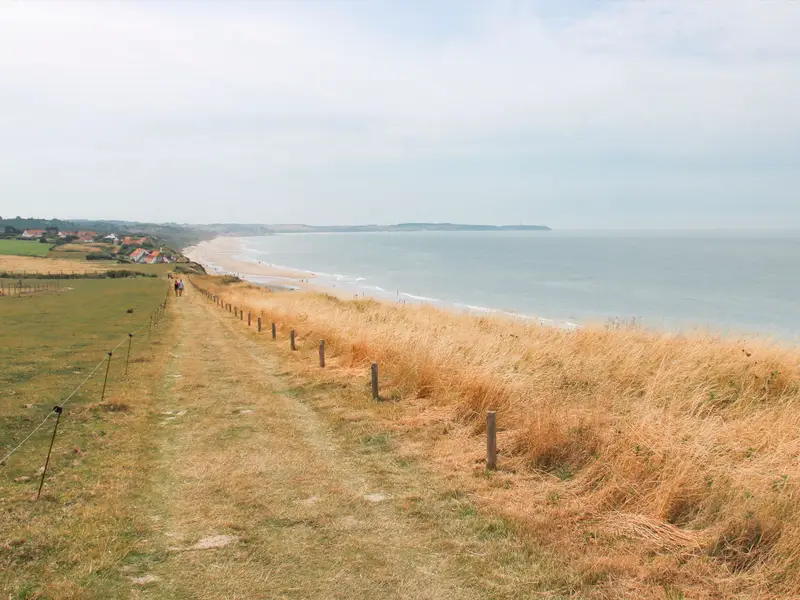 France · 290 km · 12 days · Moderate
 The GR120 offers a long, waymarked coastal line across Hauts-de-France, running 290 km from the Belgian border to Mers-les-Bains / Le Tréport. Sand, grass, gravel, dirt and paved sections keep its moderate 12-day rhythm varied.
France · 225 km · 10-13 days · Hard For fit walkers, the GR107 is a serious mountain thru-hike across the eastern Pyrenees from Foix to Berga. Its 225 km distance, 10–13 day schedule and rocky, forested terrain make it a hard, committing crossing.
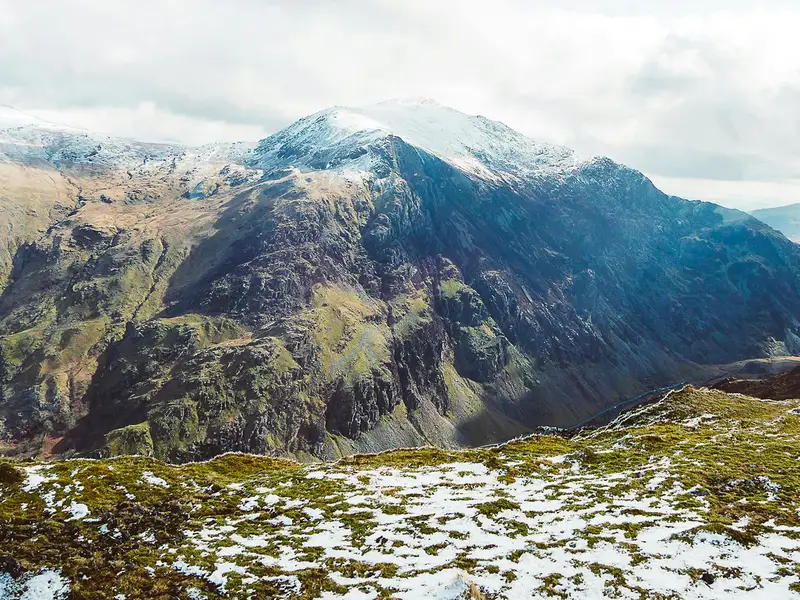 United Kingdom, Wales · 156 km · 6-8 days · Moderate
 Through Eryri, the Snowdonia Way provides a 156 km south-to-north traverse from Machynlleth to Conwy without relying on high-level mountain travel. Valley tracks, hillside paths, moorland and wooded valleys make it varied but moderate.
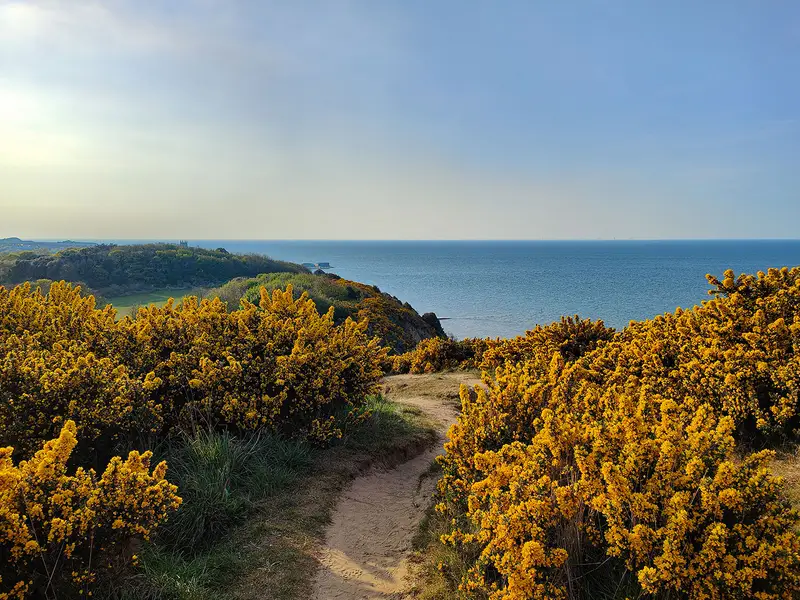 United Kingdom, England · 133.5 km · 6-8 days · Moderate
 Mostly flat, non-technical walking gives the Norfolk Coast Path broad appeal, but its 133.5 km length still creates a proper multi-day journey. Salt marsh, dunes, mudflats, low cliffs and heath add texture to the coastal route.
 Germany · 112 km · 6-8 days · Hard
 Rocky sandstone terrain, forest and a hard mountain feel give the Malerweg real weight for a 6–8 day walk. Its loop format and hut-to-village style make it a concentrated Saxon Switzerland journey.
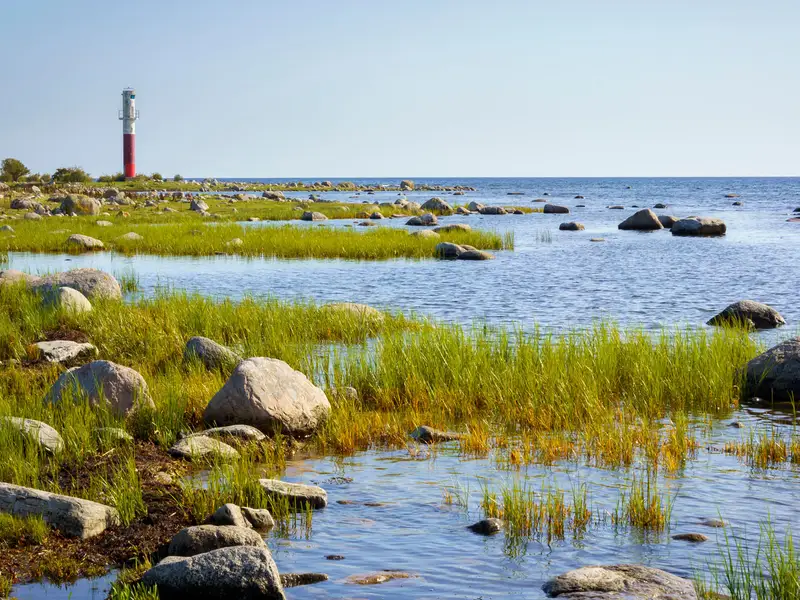 Sweden · 270 km · 12-15 days · Moderate
 Across 270 km of lowland forest, lakes, pasture and coast, Blekingeleden offers a full Swedish thru-hike without severe difficulty. Its 12–15 day length gives the route enough scale to feel properly immersive.
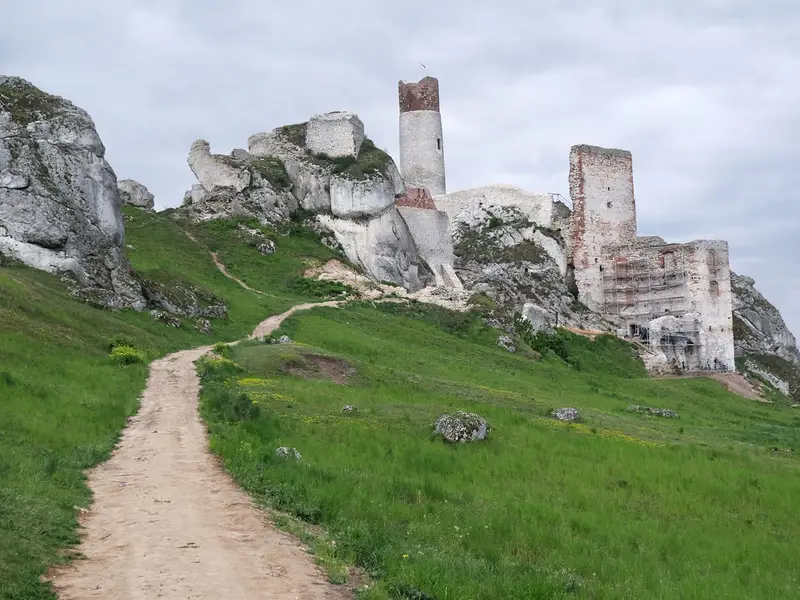
 Poland · 163 km · 7 days · Moderate
 Limestone uplands, rocky outcrops, forest and farmland give this Polish route strong variety over a manageable week. Red waymarks and a moderate grade make it a substantial point-to-point walk rather than a technical challenge.
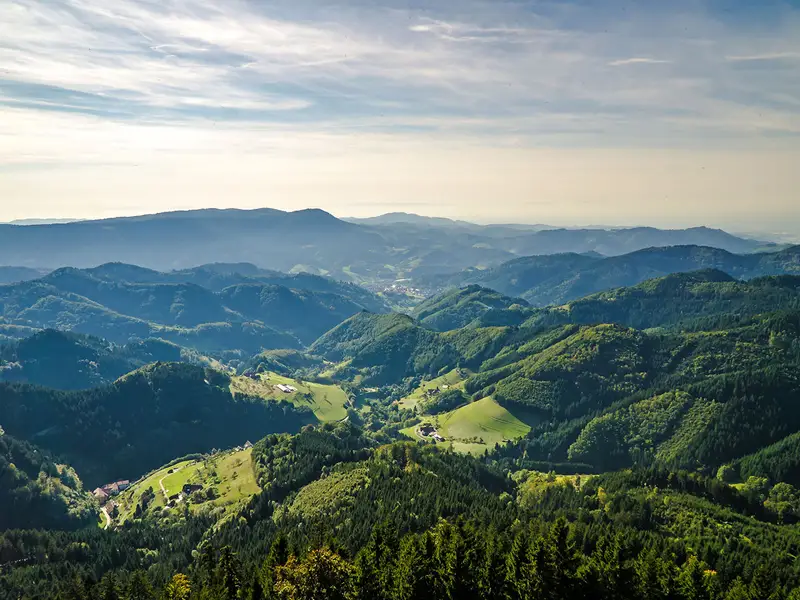 Germany · 285 km · 12-13 days · Hard
 Germany’s Black Forest gets a classic north–south traverse on the Westweg, with forest, mountains, moorland, valleys and vineyard hills over nearly two weeks. It earns its place through sustained, hard walking for fit hikers.
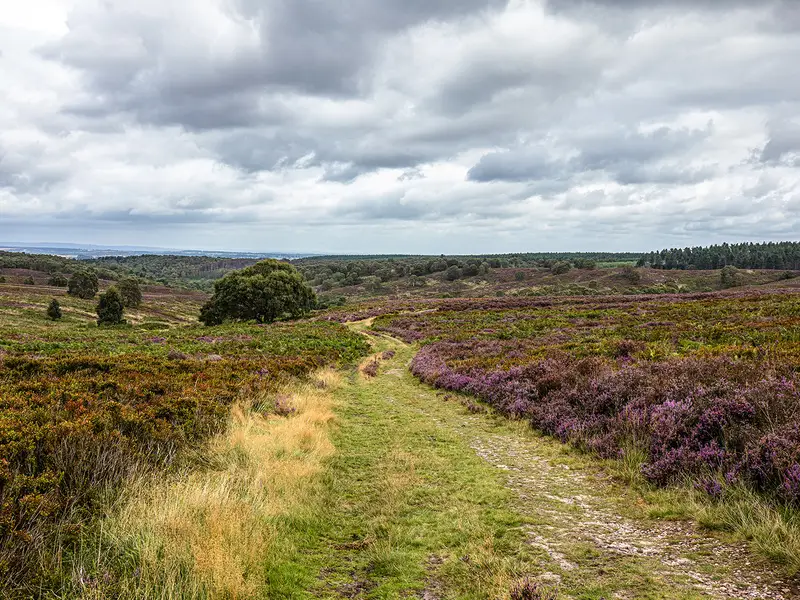 United Kingdom, England · 163 km · 6-10 days · Moderate
 This 163 km Midlands footpath links Cannock Chase with the Cotswolds over moderate forest, grassland and hill walking. Its appeal is the steady, waymarked cross-country progression suited to a 6–10 day trip.
Poland · 247 km · 10-14 days · Moderate Rather than a high-mountain route, the Amber Trail stands out as a long signed heritage greenway through hills, forest, river valley and farmland. The 10–14 day core gives Poland a distinctive moderate-distance journey.
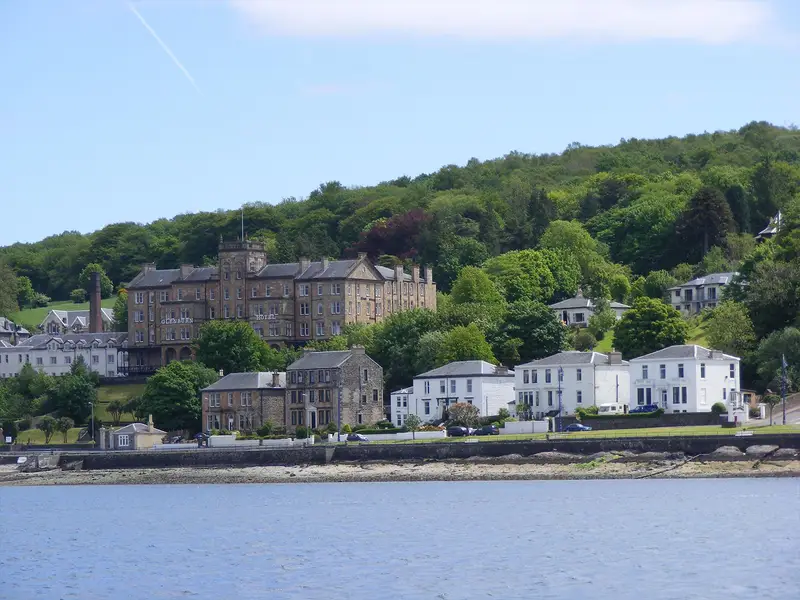 United Kingdom, Scotland · 48 km · 2 days · Moderate
 Short but satisfying, the West Island Way compresses coast, farmland, forest and moorland into a two-day crossing of Bute. Its mix of shore, tracks, minor roads and rougher going makes it a compact island expedition.
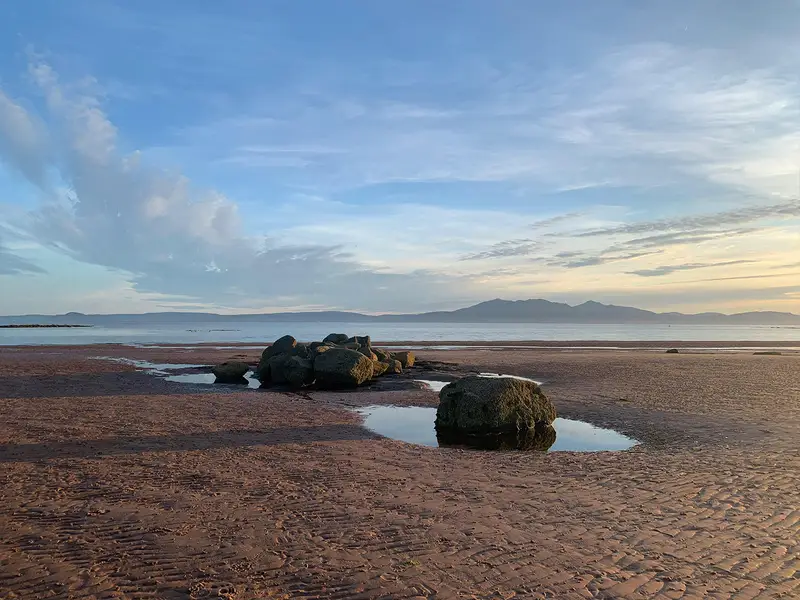 United Kingdom, Scotland · 161 km · 7 days · Moderate
 The Ayrshire Coastal Path is a week-long Scottish coast walk with beaches, clifftops and varied underfoot conditions from sand and shingle to field paths and minor roads. It offers distance, exposure and constant coastal character.
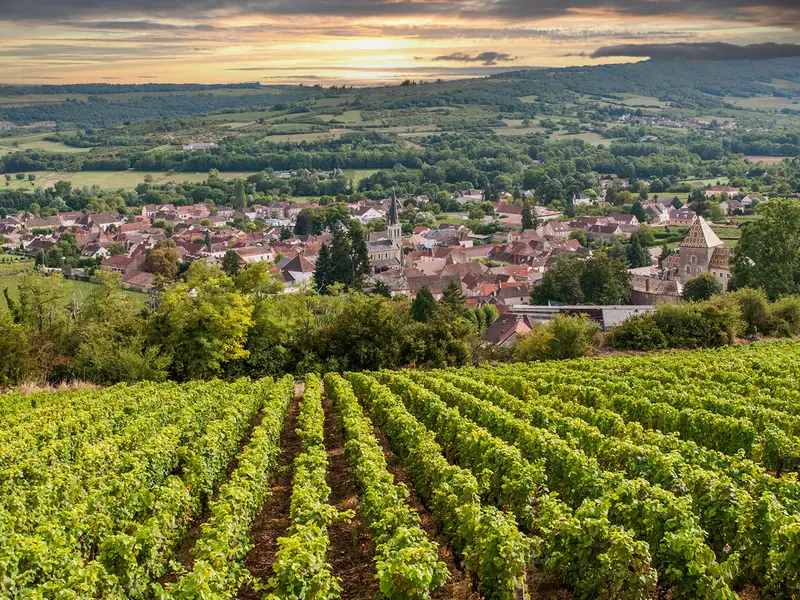 France · 84 km · 4-6 days · Moderate
 Compact and civilised in scale, the GR213 gives 4–6 days of moderate walking through northern Burgundy’s forest, river valley and hills. Its heritage and pilgrimage character makes it more than a simple countryside link.
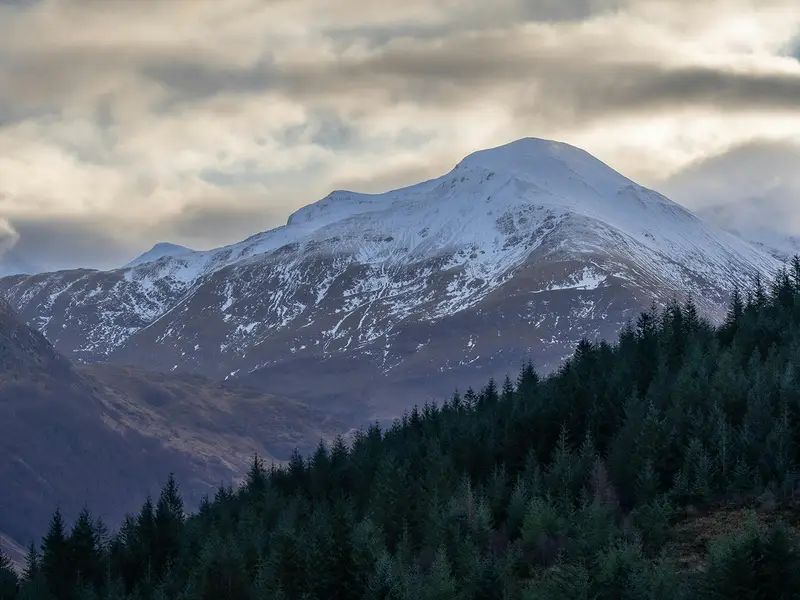 United Kingdom, Scotland · 125 km · 5-7 days · Moderate
 Canal towpaths, lochside paths, forest tracks and old roads make the Great Glen Way a varied Scottish traverse rather than a mountain route. In 5–7 days it delivers a clear, well-paced journey from Fort William to Inverness.
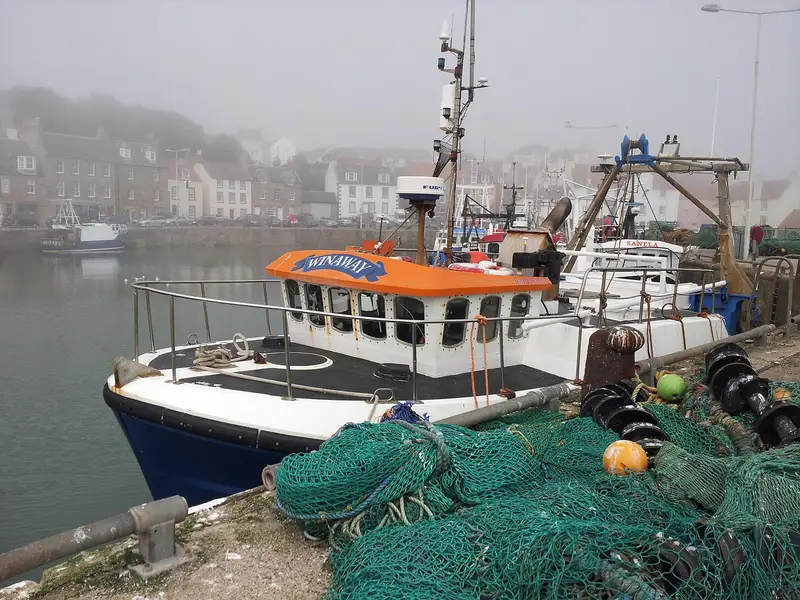 United Kingdom, Scotland · 188 km · 7-10 days · Moderate
 Few moderate trails pack in as much coastal texture as the Fife Coastal Path: beaches, dunes, clifftops, woodland, farmland and urban sections over 188 km. The 7–10 day length gives it genuine long-distance substance.
Sweden · 376 km · 14-21 days · Moderate At 376 km, the Bohus Coast Trail has the scale of a serious thru-hike while staying broadly moderate. Coastal walking is balanced by forest, pasture and meadow, with rocky, dirt, gravel and paved surfaces across its many stages.
 United Kingdom, Wales · 200 km · 12 days · Moderate
 A full 200 km loop around Anglesey and Holy Island gives this Welsh trail rare completeness. Moderate, well waymarked coastal walking combines cliffs, beaches, dunes, heath and farmland into a rewarding 12-day circuit.
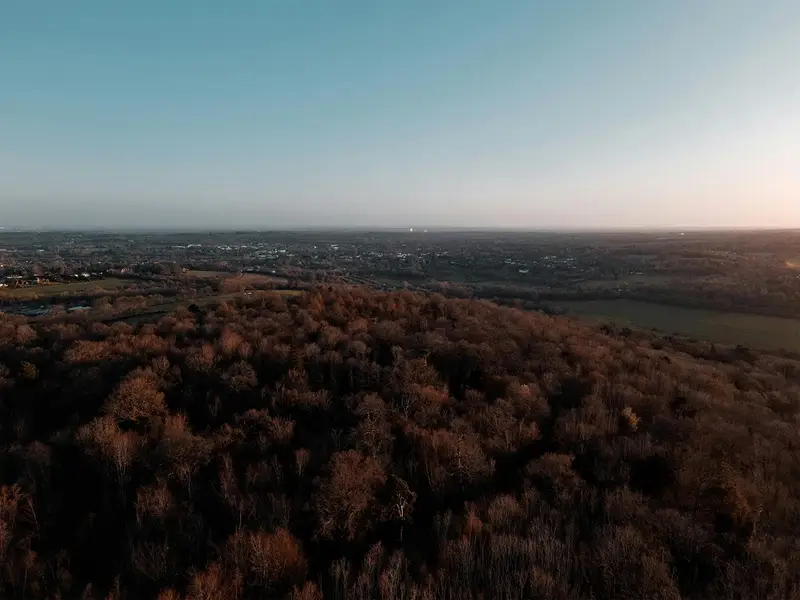 United Kingdom, England · 246 km · 12 days · Moderate
 Low altitude does not mean easy repetition on the North Downs Way: its moderate challenge comes from repeated climbs across forest, grassland and hills. Over about 12 days, it forms a strong south-east England point-to-point walk.
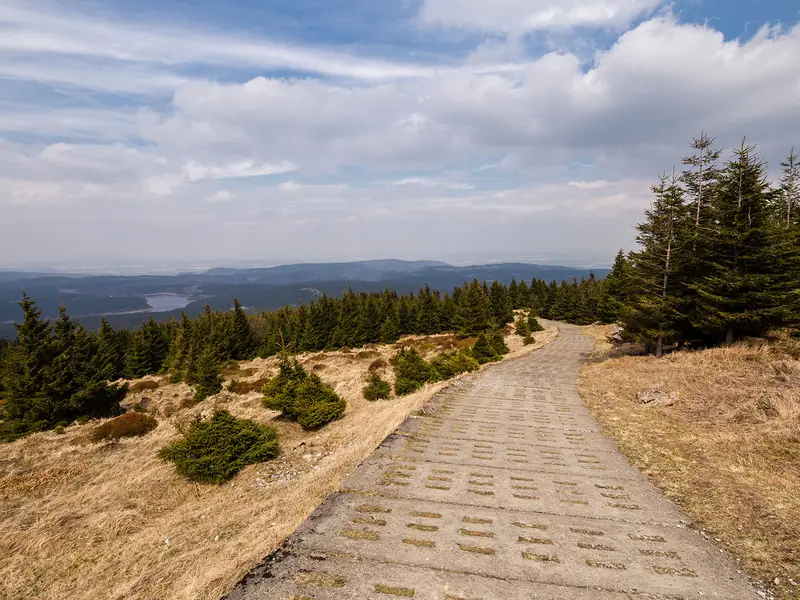 Germany · 91 km · 3-6 days · Moderate
 Following the former inner-German border through the Harz Mountains, the Harzer Grenzweg adds a clear historical line to forested mountain walking. Its 3–6 day length makes the moderate challenge focused but memorable.
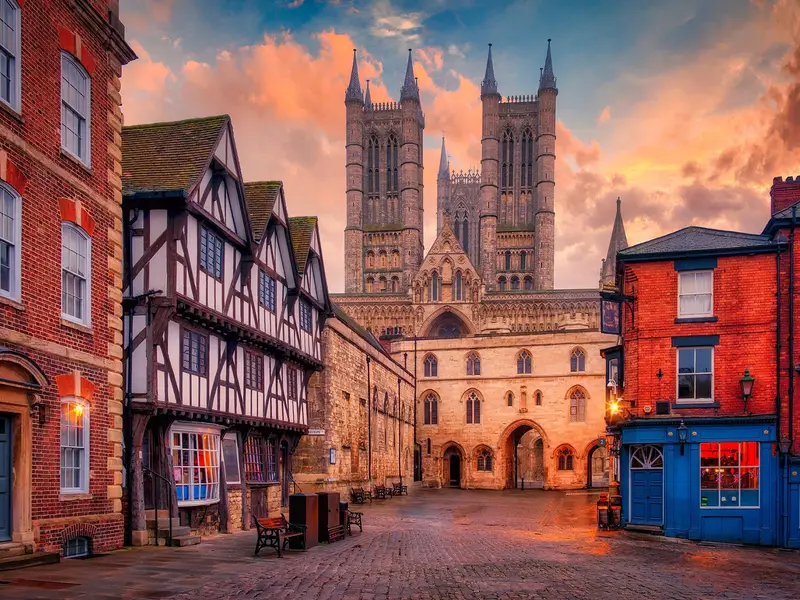 United Kingdom, England · 237 km · 10-12 days · Moderate
 The Viking Way earns its place through breadth: 237 km across hills, rural ground, forest and wetlands in England’s East Midlands. Walked over 10–12 days, it is a substantial moderate footpath with real point-to-point momentum.
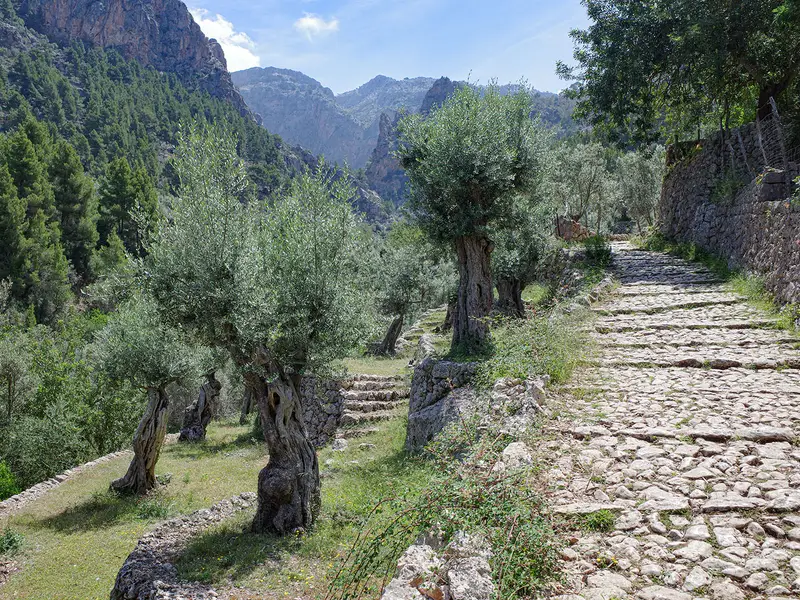 Spain · 140 km · 8-10 days · Hard
 Mallorca’s GR221 is a hard mountain walk with coastal sections, limestone, forest, scrub and agricultural terraces adding constant variety. Rocky, cobbled and stone surfaces help give the 8–10 day route its distinctive dry-stone character.
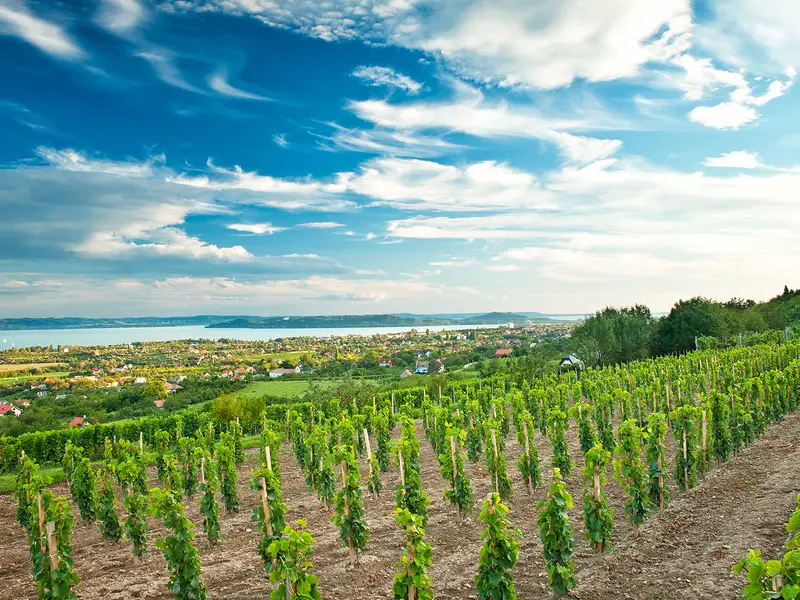
 Hungary · 220 km · 10 days · Moderate
 As a 10-day walk mainly using the National Blue Trail, the Balaton Uplands route showcases western Hungary’s hilly, volcanic, forested and vineyard terrain. It is moderate, varied and long enough for a proper regional traverse.
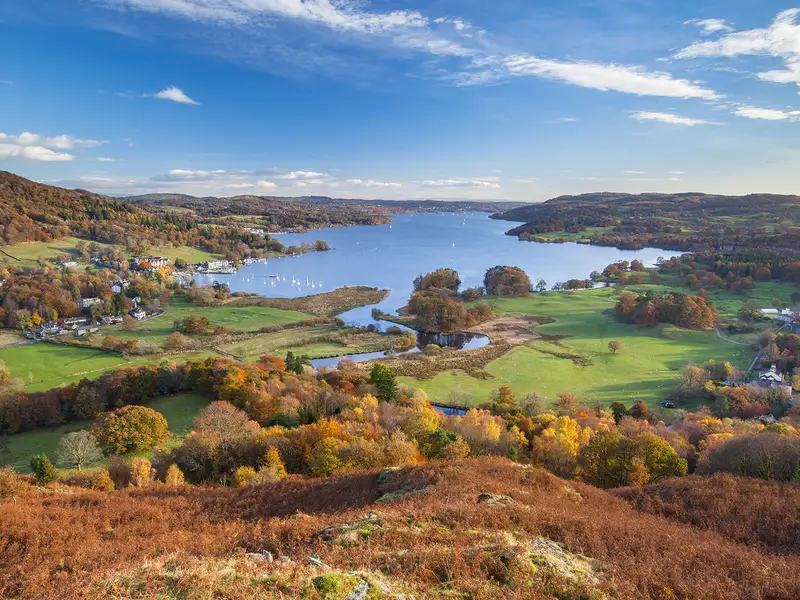 United Kingdom, England · 72 km · 4 days · Moderate
 Looping Windermere in four days, this Lake District route gives moderate walking through lakeshore woodland, pasture and short upland sections. Its compact distance makes it accessible while still feeling like a complete multi-day circuit.
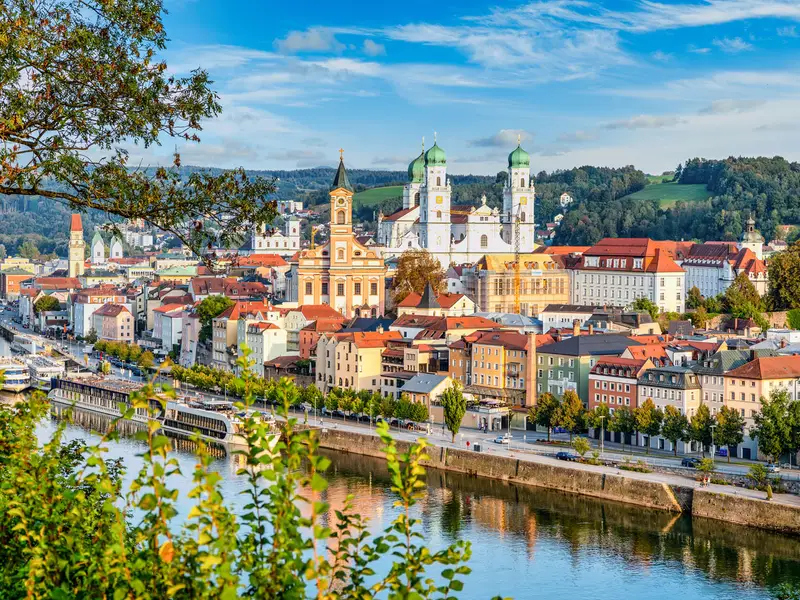 Austria · 450 km · 21 days · Moderate
 The Donausteig’s strength is scale with steadiness: 450 km of moderate walking through river valley, riverside, forest and low mountain terrain. Around 21 days of stages create a long, coherent Danube journey.
Every published trail on HikeList is scored by the same algorithm, so the ranking is consistent and comparable across countries. The list is generated automatically and updates as trails are added and refined, so the order can shift over time. Open any trail to see its full score breakdown, factor by factor.
The classic Camino Francés scores 79, but that number misses much of what makes the Camino matter so deeply to pilgrims.