Reference
The Complete Long-Distance Hiking Glossary: 60+ Terms Explained
A plain-English guide to 60+ long-distance hiking terms, from NoBo and zero days to bothies, cols, GR routes and base weight.
7 June 2026 9 min read
15 hand-picked long-distance trails
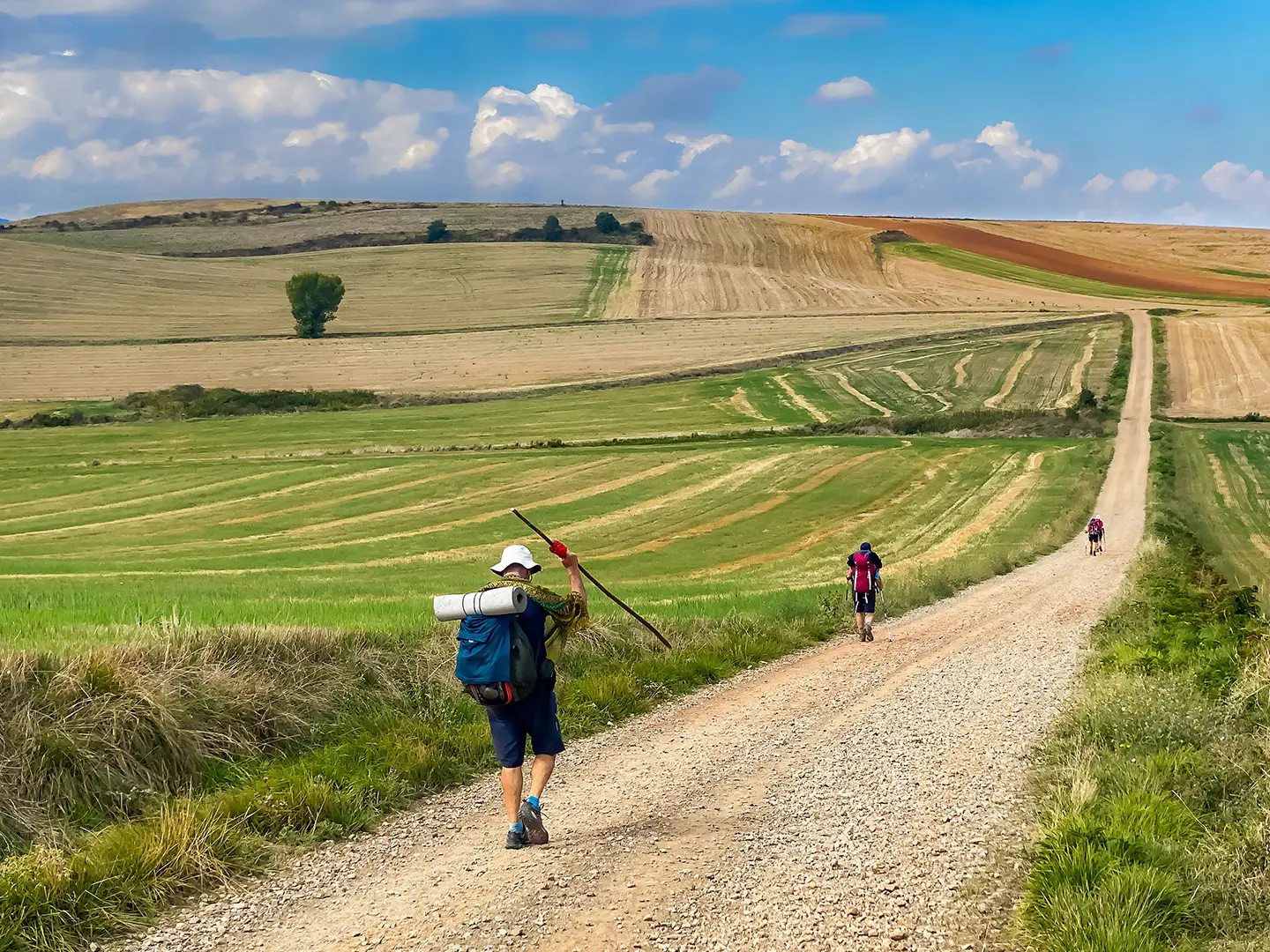
Long thru-hikes are the trails you plan your life around: 300 km and beyond, usually taking at least two weeks and often far longer. This collection is for hikers looking beyond a holiday trek towards a full thru-hike, from coastal national trails to Arctic crossings, pilgrim circuits and high mountain traverses. Every route here demands sustained fitness, time and commitment.

 United Kingdom, Scotland · 370 km · 16-22 days · Expert
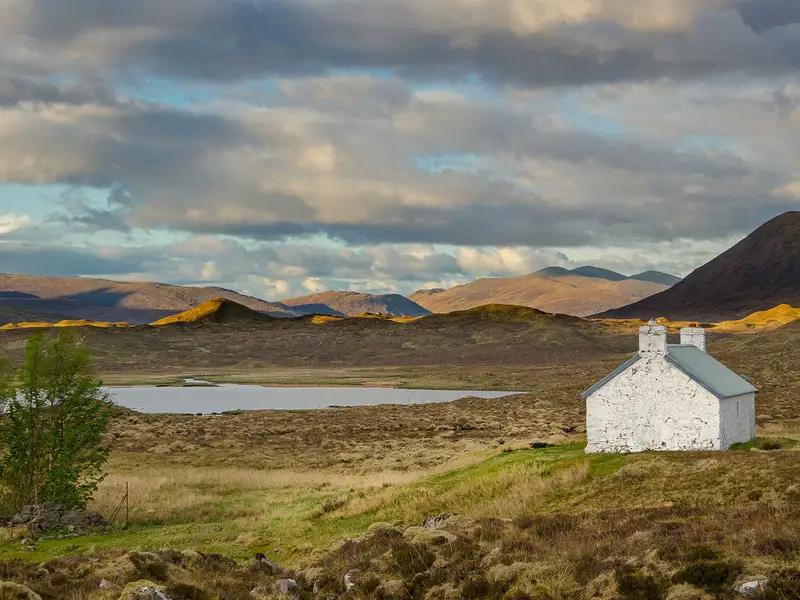
 The Cape Wrath Trail fits the theme through remoteness as much as length: an unofficial, unwaymarked 370 km expert route from Fort William to Cape Wrath, taking 16–22 days across moorland, bog, coast and river crossings.
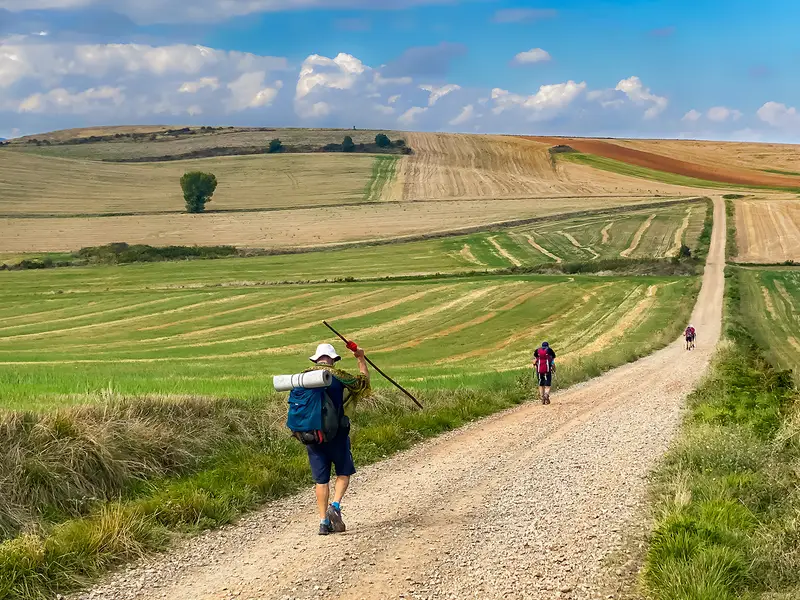
 Spain · 780 km · 33-35 days · Moderate
 The Camino Francés is a long-distance icon without the technical severity of many epics here: about 780 km across northern Spain, usually 33–35 days, through mountains, farmland, vineyards, plains and hills.
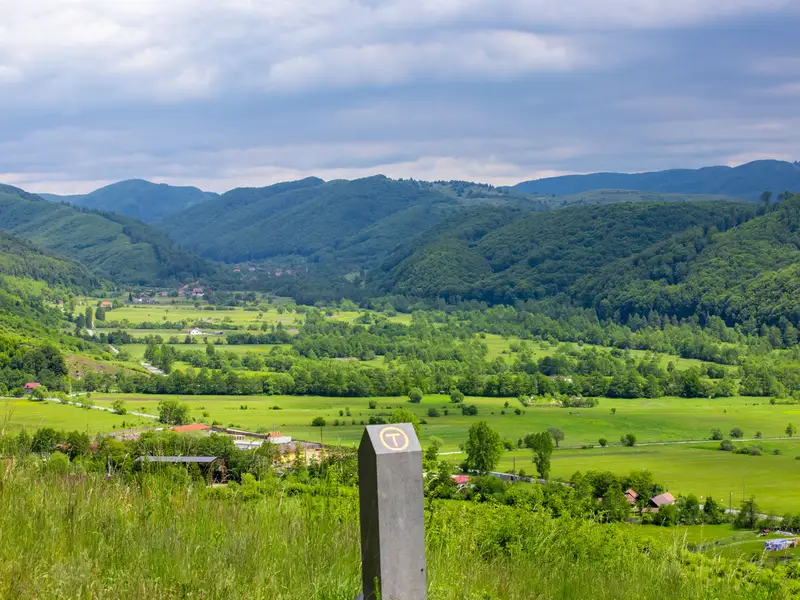
 Romania · 1400 km · 45-60 days · Hard
 Via Transilvanica is Romania’s major long-distance challenge, running roughly 1,400 km point to point from Putna to Drobeta-Turnu Severin, with 45–60 days of hard walking through forests, meadows, farmland, villages and mountains.
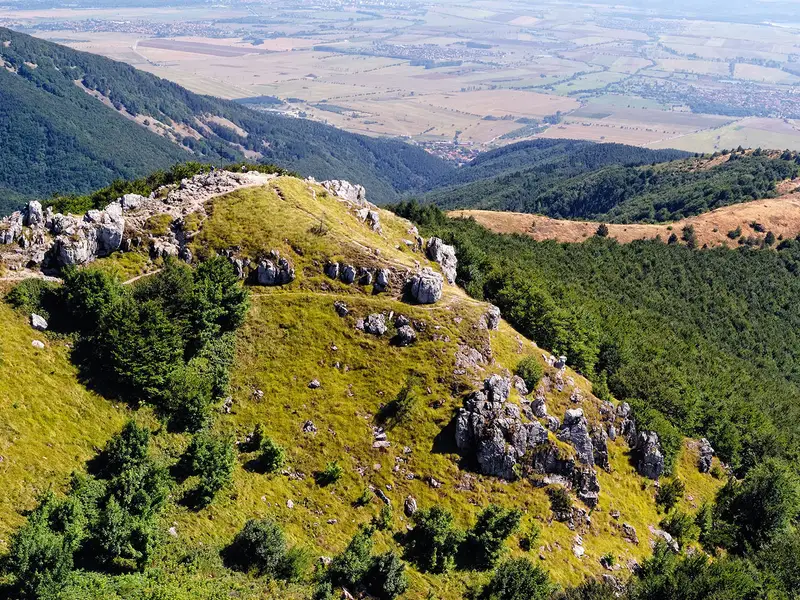
 Bulgaria · 650 km · 22 days · Hard
 The Kom-Emine Trail is Bulgaria’s signature thru-hike: about 650 km west to east across the Stara Planina, linking Mount Kom to Cape Emine with hard mountain, forest and coastal terrain.
 Japan · 1025 km · 50 days · Hard
 The Michinoku Coastal Trail is Japan’s longest long-distance hiking route, a 1,025 km waymarked coastal path along the Sanriku Coast that takes roughly 50 days and is hard for its sustained distance.
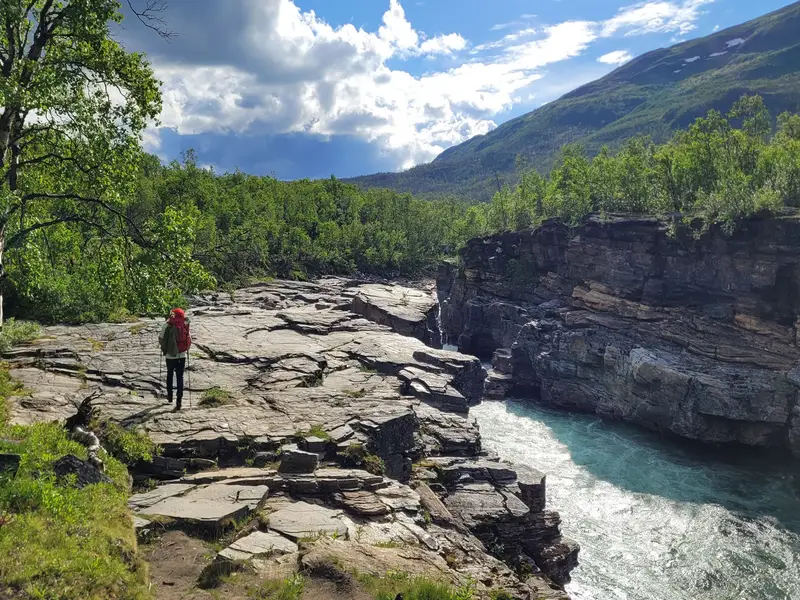
 Sweden · 440 km · 21 days · Hard
 Kungsleden is a compact but serious northern epic: roughly 440 km from Abisko to Hemavan, typically 21 days, with hard walking through Swedish Lapland’s mountains, forest, wetland and tundra.
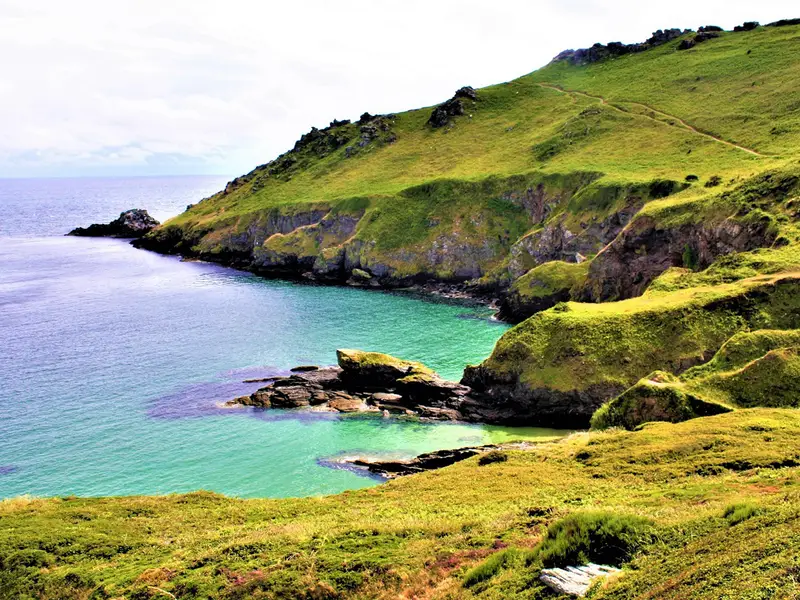
 United Kingdom, England · 1014 km · 45 days · Strenuous
 At 1,014 km and 45 day-stages, the South West Coast Path is England’s coastal endurance test, a strenuous point-to-point route around Somerset, Devon, Cornwall and Dorset.
 Japan · 1200 km · 40 days · Hard
 The Shikoku Pilgrimage brings a different style of epic: a hard 1,200 km loop around southern Japan linking 88 official temples, with coastal, forest, farmland and urban sections over about 40 days.
 Italy · 7000 km · 350 days · Expert
 At around 7,000 km and 350 days, the Sentiero Italia is the collection’s biggest commitment: an expert point-to-point route crossing all 20 Italian regions through mountain, forest and coastal terrain.
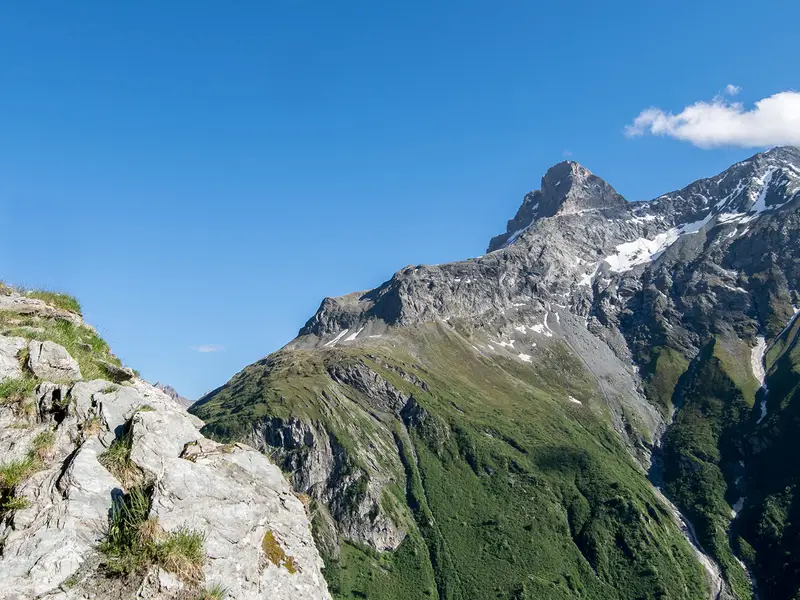
 France · 620 km · 30 days · Strenuous
 The GR5 earns its place as a classic month-long Alpine traverse: 620 km point to point across France, from Lake Geneva to the Mediterranean, with strenuous mountain and forest walking.
France · 800 km · 45 days · Expert The HRP is included for hikers wanting a high-mountain commitment: an expert 800 km traverse from Hendaye on the Atlantic to Banyuls-sur-Mer on the Mediterranean, generally planned at about 45 days.
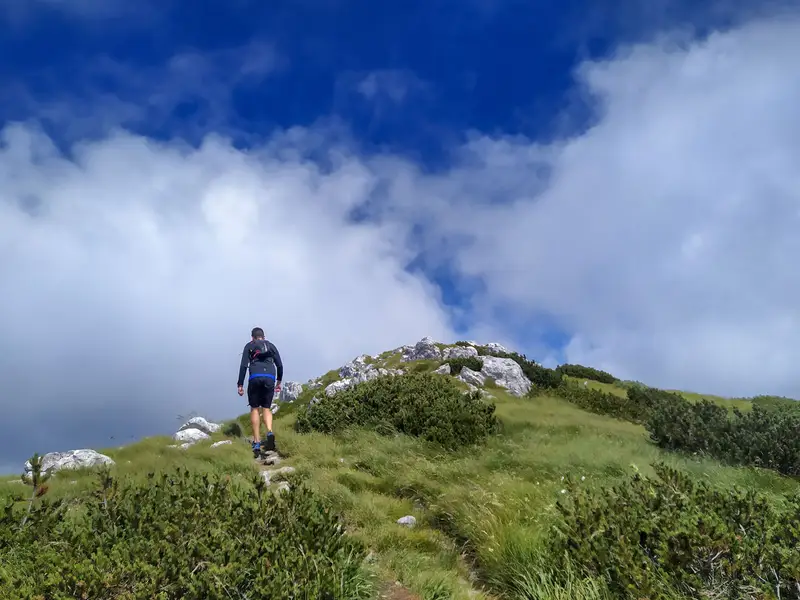
 Croatia · 550 km · 30 days · Expert
 This Croatian section of the Via Dinarica White Trail is a 550 km expert mountain thru-hike, usually planned for about 30 days across karst, forest and high Dinaric terrain.
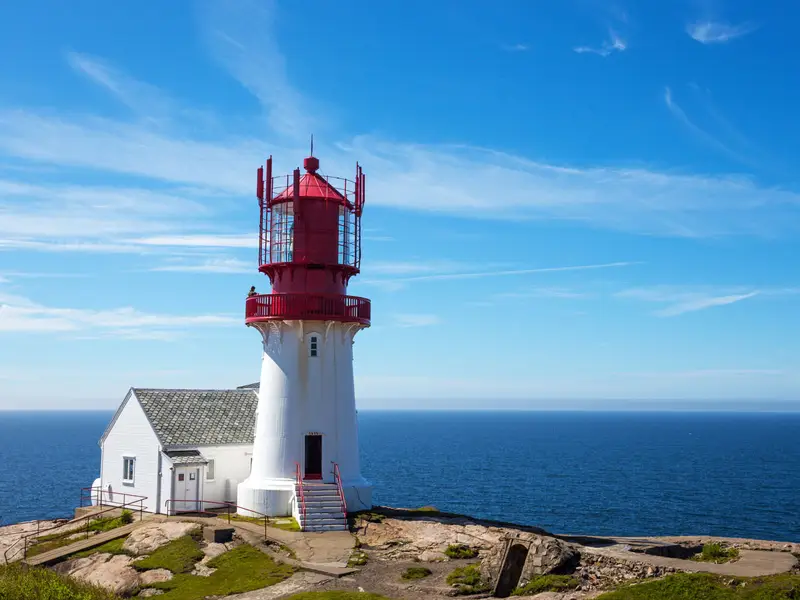
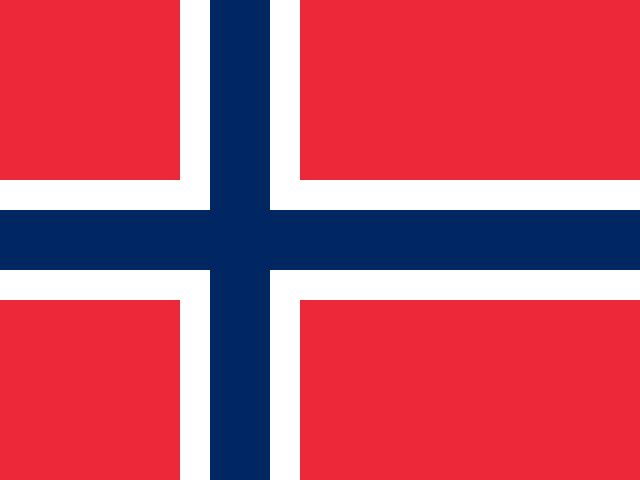 Norway · 2600 km · 100 days · Expert
 Norge på langs is an expert-level national crossing rather than a single official waymarked trail, with roughly 2,600 km and 100 days of self-planned travel through Norway’s mountains, valleys, bogs, forests, Arctic and coast.
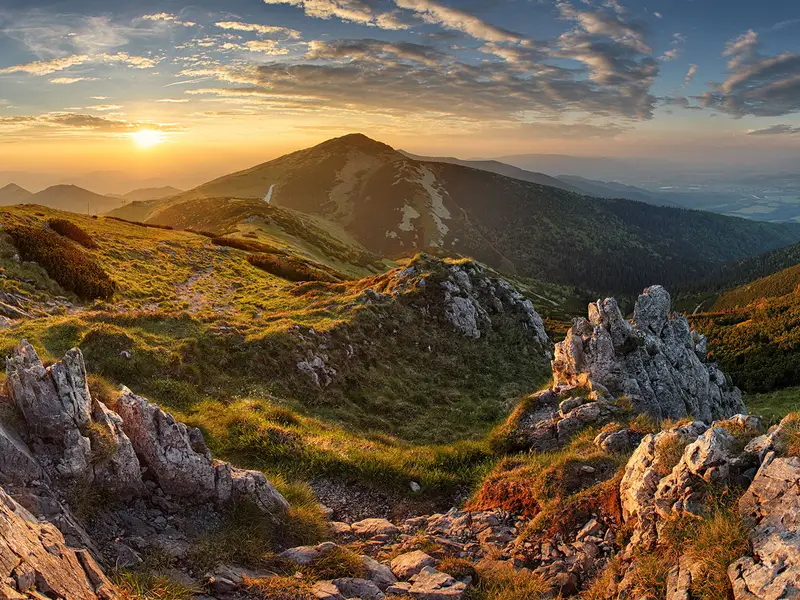
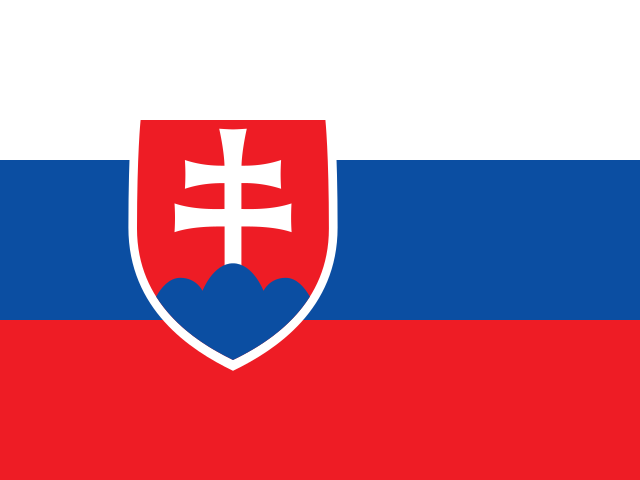 Slovakia · 770 km · 25-30 days · Expert
 Cesta Hrdinov SNP is a demanding Slovak crossing: roughly 770 km from Dukla Pass to Devín Castle, usually 25–30 days, with expert-level mountain and forest walking.
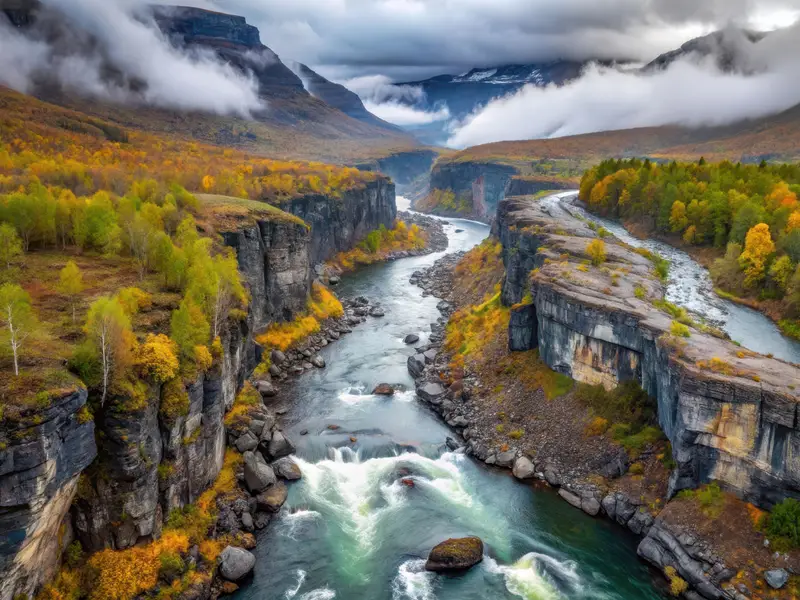 Norway · 800 km · 40 days · Expert
 Nordkalottruta is the Arctic option for expert hikers: an 800 km signposted point-to-point route through Arctic Norway, Sweden and Finland, taking about 40 days across tundra, plateau, valleys, bog and forest.
Start with the number of days you can realistically protect. A 16–22 day Cape Wrath Trail is a very different proposition from the 350-day Sentiero Italia, even though both are expert point-to-point routes. If a month is your limit, compare routes such as the GR5, Kungsleden, Via Dinarica Croatian section or Cesta Hrdinov SNP. If you can commit 40–60 days, Japan’s Shikoku Pilgrimage and Michinoku Coastal Trail, Romania’s Via Transilvanica, Nordkalottruta and the HRP move into genuinely extended expedition territory.
Difficulty is not only about distance. The moderate, non-technical Camino Francés is long at about 780 km, but sits in a different category from expert mountain routes such as the HRP, Cape Wrath Trail or Norway’s self-planned Norge på langs. Terrain should guide your shortlist: coastal walking appears on the South West Coast Path and Michinoku Coastal Trail, while tundra, bog and plateau define northern routes like Kungsleden and Nordkalottruta.
For long thru-hikes, consistency matters as much as peak fitness. You need to repeat full walking days, manage recovery and keep moving through forests, farmland, mountains, coast, moorland or bog depending on the route. Hard and strenuous trails may be manageable with steady pacing; expert routes add navigational, remote-terrain or high-mountain demands from the facts given for each trail.
Decide whether you want a point-to-point journey or a circuit. Most routes in this collection are point to point, giving a clear start and finish across a country or mountain chain. The Shikoku Pilgrimage is the exception: a 1,200 km loop linking 88 official temples, with urban, farmland, forest and coastal sections.
Finally, match your appetite for structure. Some of these long-distance challenges are established or signposted, while others are deliberately less straightforward: Norge på langs is not an official waymarked trail, and the Cape Wrath Trail is unofficial and unwaymarked. Choose the epic that fits not just your ambition, but the style of commitment you actually want.
A plain-English guide to 60+ long-distance hiking terms, from NoBo and zero days to bothies, cols, GR routes and base weight.
A long-distance hike is a multi-day walk on a named route — learn what counts, how it feels, and how to start without overdoing it.

Long-distance hiking, thru-hiking and trekking overlap more than people admit. Here’s the plain-English difference, with real examples.