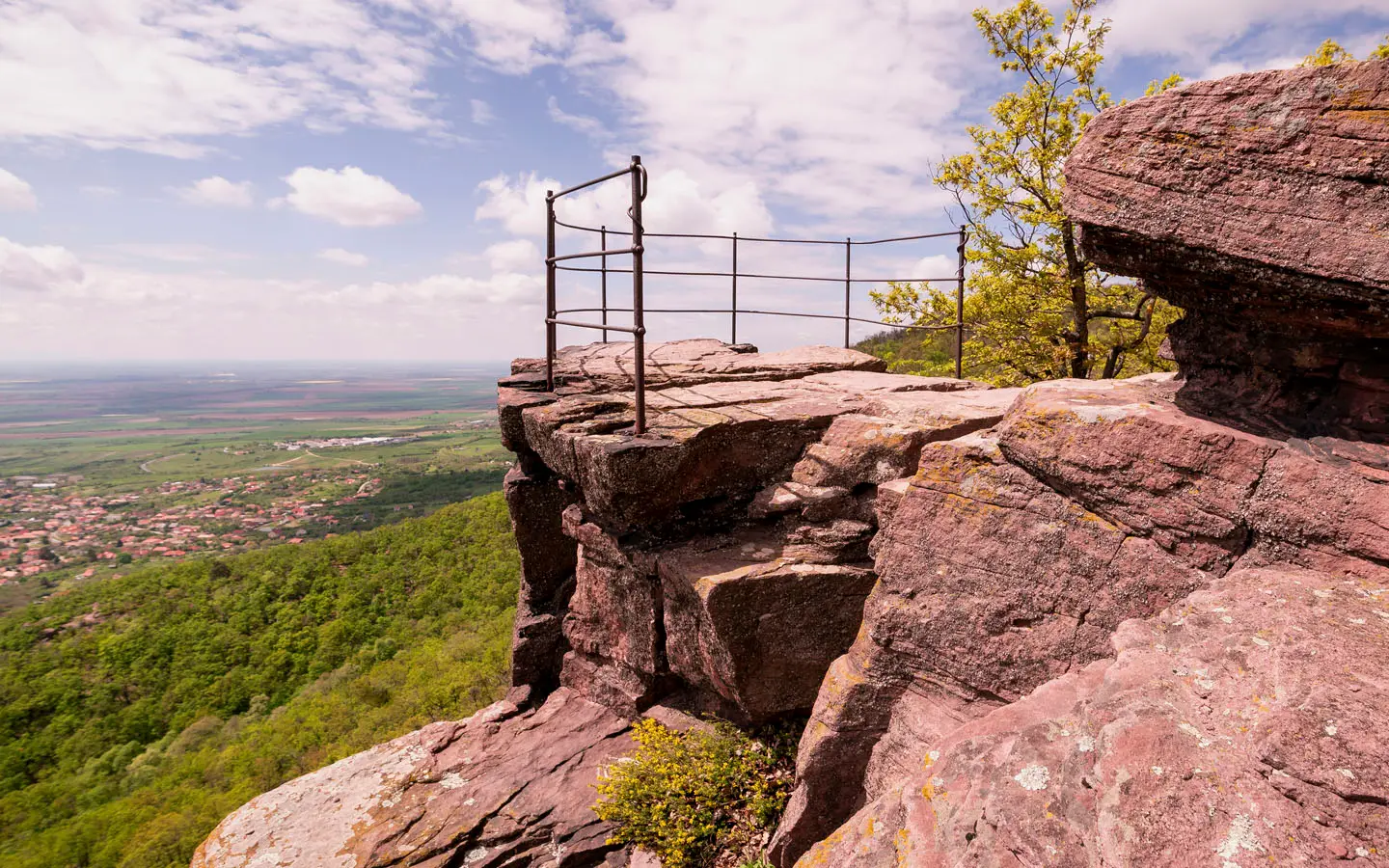
 Hungary
 Long Distance Hikes in Hungary
Rolling hills, ancient forests, and sweeping plains await.
Hungary’s long-distance hiking trails lead you through a land where nature, history, and tradition meet in every step.
Featured hikes in Hungary
Rockenbauer Blue Trail
Badacsony Volcano Trail
National Blue Trail (Országos Kéktúra)

No hikes found
No hikes match your current filter criteria. Try adjusting your filters.

Key Facts About Hiking in Hungary
Hungary Hiking Overview
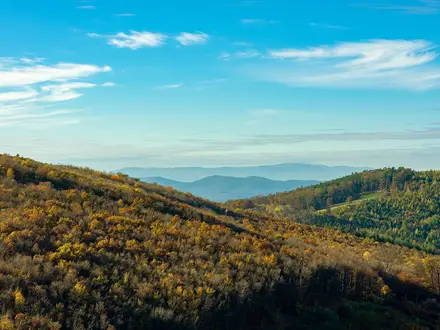
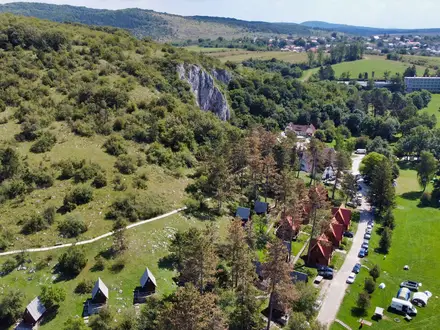
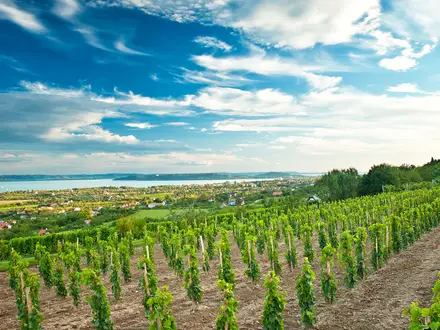
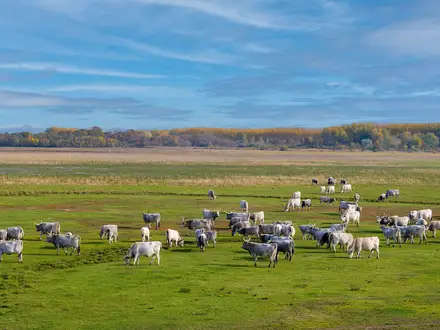
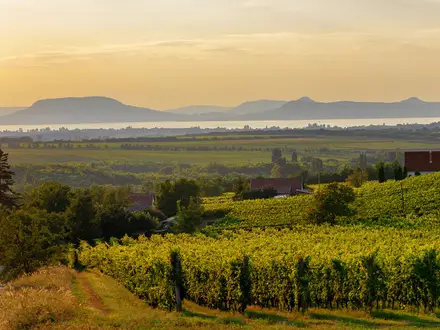
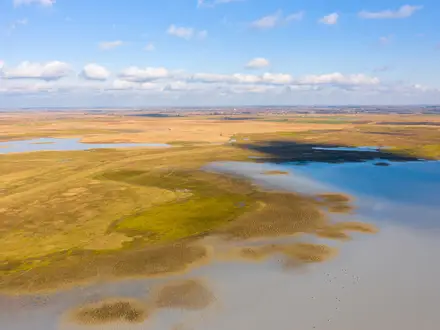
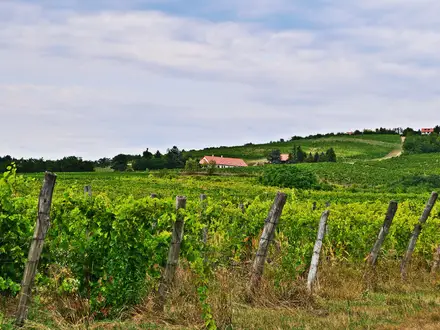
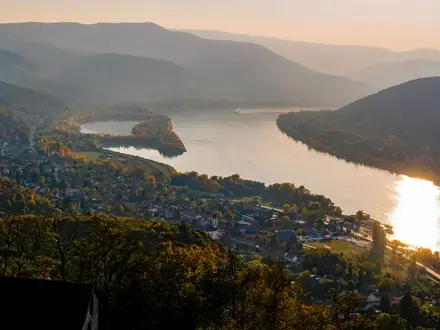
Hungary is a fantastic destination for long-distance hiking, with a diverse landscape that ranges from forested hills and volcanic mountains to peaceful riversides and vast plains.
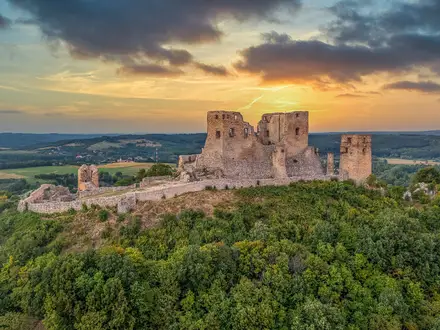
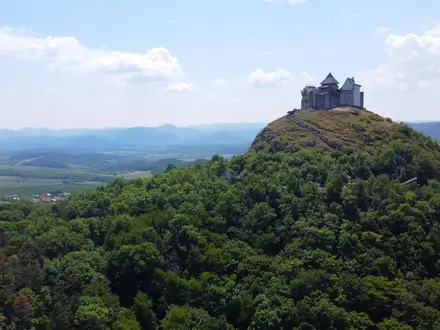
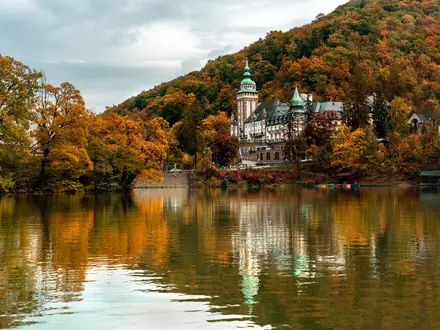
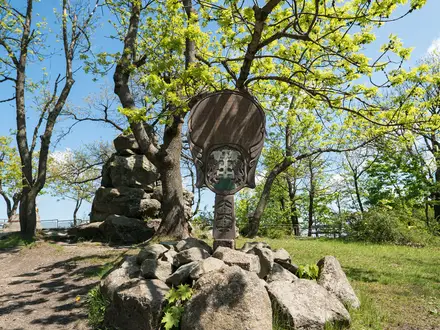
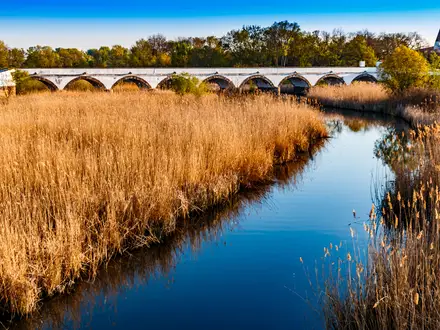
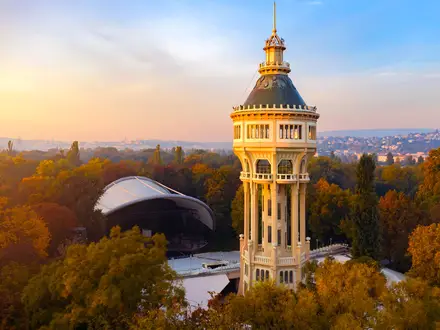
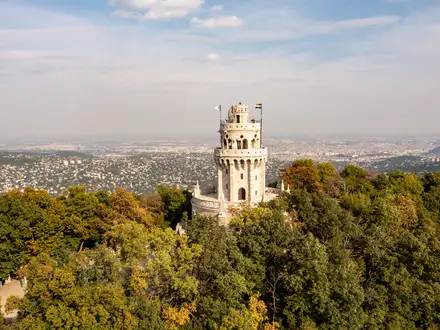
Trails often pass through charming villages, historic castles, and UNESCO-protected sites, blending outdoor adventure with cultural exploration. Excellent waymarking, frequent shelters, and easy access by public transport make multi-day hikes convenient. Whether you’re seeking scenic countryside walks or extended treks across national parks, Hungary offers a slower, nature-rich way to experience Central Europe’s beauty and heritage.
The Longest & Most Popular Hiking Trails in Hungary
The National Blue Trail (Országos Kéktúra), stretching over 1,160 km from Írottkő to Hollóháza, is Hungary’s longest and most famous hiking route.
It’s also the most popular, showcasing forests, mountains, villages, and historic landmarks across the country.

Hiking Seasons in Hungary
The best hiking seasons are spring (April–June) and autumn (September–October), with mild weather, colorful scenery, and comfortable conditions for multi-day trekking.

The Best Month to Hike in Hungary
May is often ideal, offering warm temperatures, blooming landscapes, and long daylight hours — perfect for exploring Hungary’s scenic trails.

Hiking Permits & Licenses in Hungary
No permits are required for most trails. However, some protected areas or nature reserves may require registration or have specific access rules, so always check local guidelines.

Can I wild camp whilst hiking in Hungary
Wild camping is generally discouraged but sometimes tolerated in remote areas. It’s best to use official campsites or seek landowner permission, especially in national parks or protected zones.