 Japan
Japan Long Distance Hikes in Japan
Japan’s hiking trails weave ancient pilgrim paths with wild mountain landscapes.
Step into cedar forests, climb sacred peaks, and follow coastlines where history meets nature. Long-distance hiking in Japan is unforgettable.
Featured hikes in Japan
Tokai Nature Trail
Shikoku Pilgrimage (88 Temples)
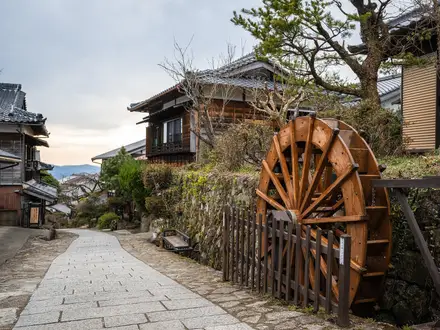
Nakasendo Trail

No hikes found
No hikes match your current filter criteria. Try adjusting your filters.

Key Facts About Hiking in Japan
Japan Hiking Overview
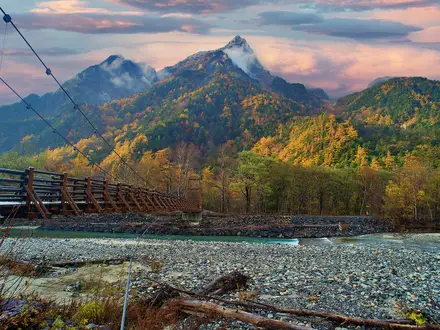
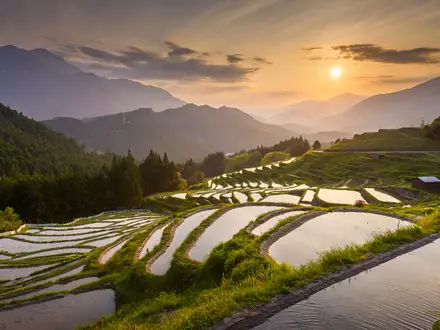
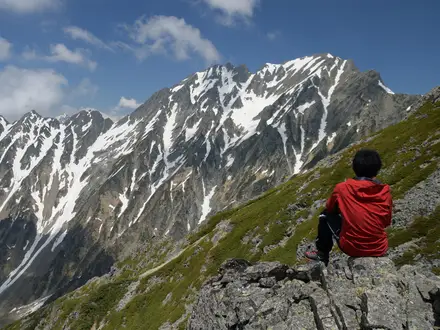
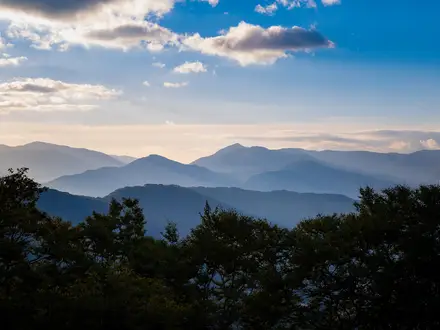
Japan’s hiking culture blends ancient pilgrimage routes, dramatic mountains, and coastal trails. From Shikoku’s spiritual 88 Temple Pilgrimage to rugged Japanese Alps traverses, the country offers rich long-distance hiking experiences.
Seasonal variety makes each trek unique—spring blossoms, lush summer greenery, fiery autumn leaves, and snow-capped winter peaks. Accessible transport, well-marked trails, and traditional inns ensure both adventure and comfort.
For long-distance hikers, Japan delivers cultural depth, spiritual meaning, and diverse landscapes unmatched across Asia.
The Longest & Most Popular Hiking Trails in Japan
Japan’s longest hike is the Shikoku 88 Temple Pilgrimage, a 1,200 km spiritual circuit across four prefectures.
The most popular is the Kumano Kodo, a UNESCO World Heritage trail where pilgrims once journeyed through mystical forests to sacred shrines.

Hiking Seasons in Japan
Spring and autumn are best—pleasant temperatures and stunning scenery. Summers can be hot at low elevations, while winters bring heavy snow in mountainous regions.

The Best Month to Hike in Japan
October is ideal—comfortable weather, clear skies, and brilliant autumn foliage across mountains and countryside.

Hiking Permits & Licenses in Japan
Most long-distance trails require no permits. However, national parks, alpine climbs, or restricted areas may require registration for safety or conservation.

Can I wild camp whilst hiking in Japan?
Wild camping is generally restricted. Use designated campsites or mountain huts, especially in national parks, to respect regulations and local traditions.