 Montenegro
 Long Distance Hikes in Montenegro
Rugged peaks, alpine lakes, and ancient trails await.
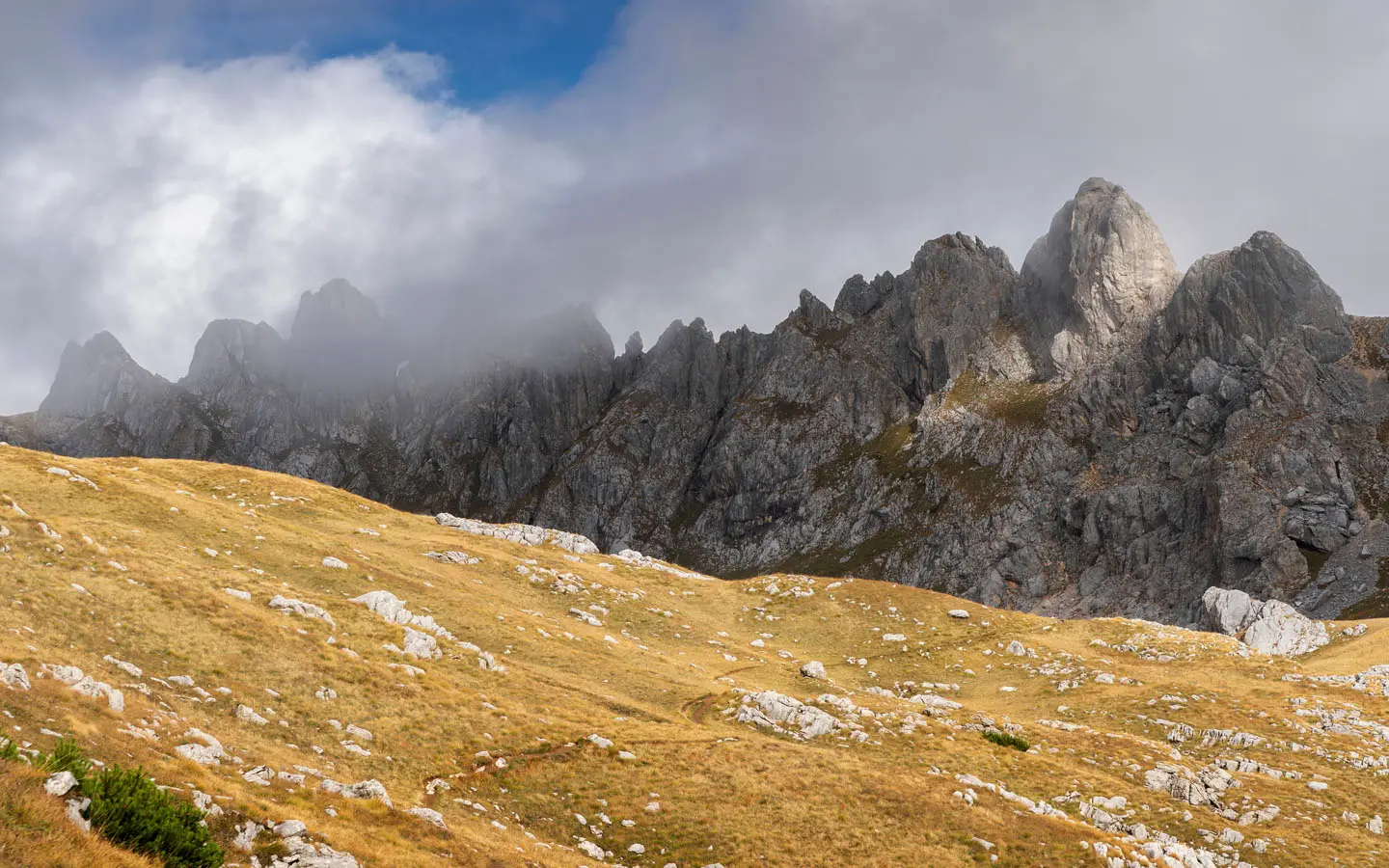
Montenegro’s long-distance hiking routes reveal a land where wild nature and rich culture meet beneath dramatic Balkan skies.
Featured hikes in Montenegro
Primorska Planinarska Transverzala (PPT)
Bobotov Kuk Summit Trail
Peaks of the Balkans Trail

No hikes found
No hikes match your current filter criteria. Try adjusting your filters.
Key Facts About Hiking in Montenegro
Montenegro Hiking Overview
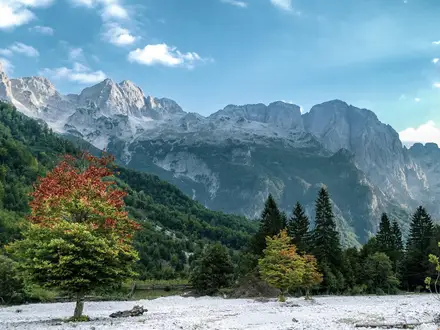
Montenegro is a paradise for long-distance hikers, offering dramatic landscapes packed into a small but diverse country.
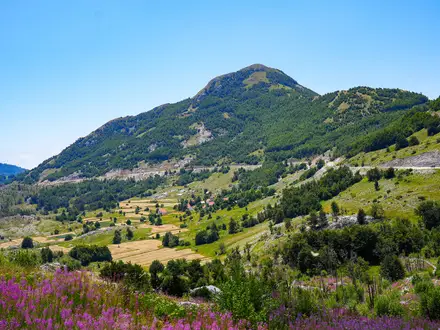
Trails cross the towering Dinaric Alps, peaceful glacial lakes, and forested national parks, passing remote villages and centuries-old shepherd paths. With breathtaking scenery, well-marked routes, and a growing network of mountain huts, Montenegro is ideal for multi-day trekking. Hikers experience pristine wilderness, panoramic views, and deep cultural traditions — making this Balkan gem a rewarding destination for both seasoned adventurers and casual explorers alike.
The Longest & Most Popular Hiking Trails in Montenegro
The Primorska Planinarska Transverzala, stretching around 180 km along Montenegro’s coastal mountains, is the country’s longest marked trail.
The Peaks of the Balkans Trail is the most popular, offering stunning alpine scenery across Montenegro, Albania, and Kosovo on a spectacular cross-border route.

Hiking Seasons in Montenegro
The main hiking season runs from June to October, when snow has melted from mountain trails and conditions are ideal for long-distance trekking.

The Best Month to Hike in Montenegro
September is often ideal, offering stable weather, warm days, cool nights, and fewer crowds on popular hiking routes.

Hiking Permits & Licenses in Montenegro
Most trails require no permits. However, cross-border routes like Peaks of the Balkans may require registration or special documentation, so always check requirements in advance.

Can I wild camp whilst hiking in Montenegro
Wild camping is generally tolerated in remote areas. Always respect private property, avoid protected zones, and follow Leave No Trace principles when setting up camp.