Rankings
Why the Camino de Santiago Didn’t Make Our Top 100
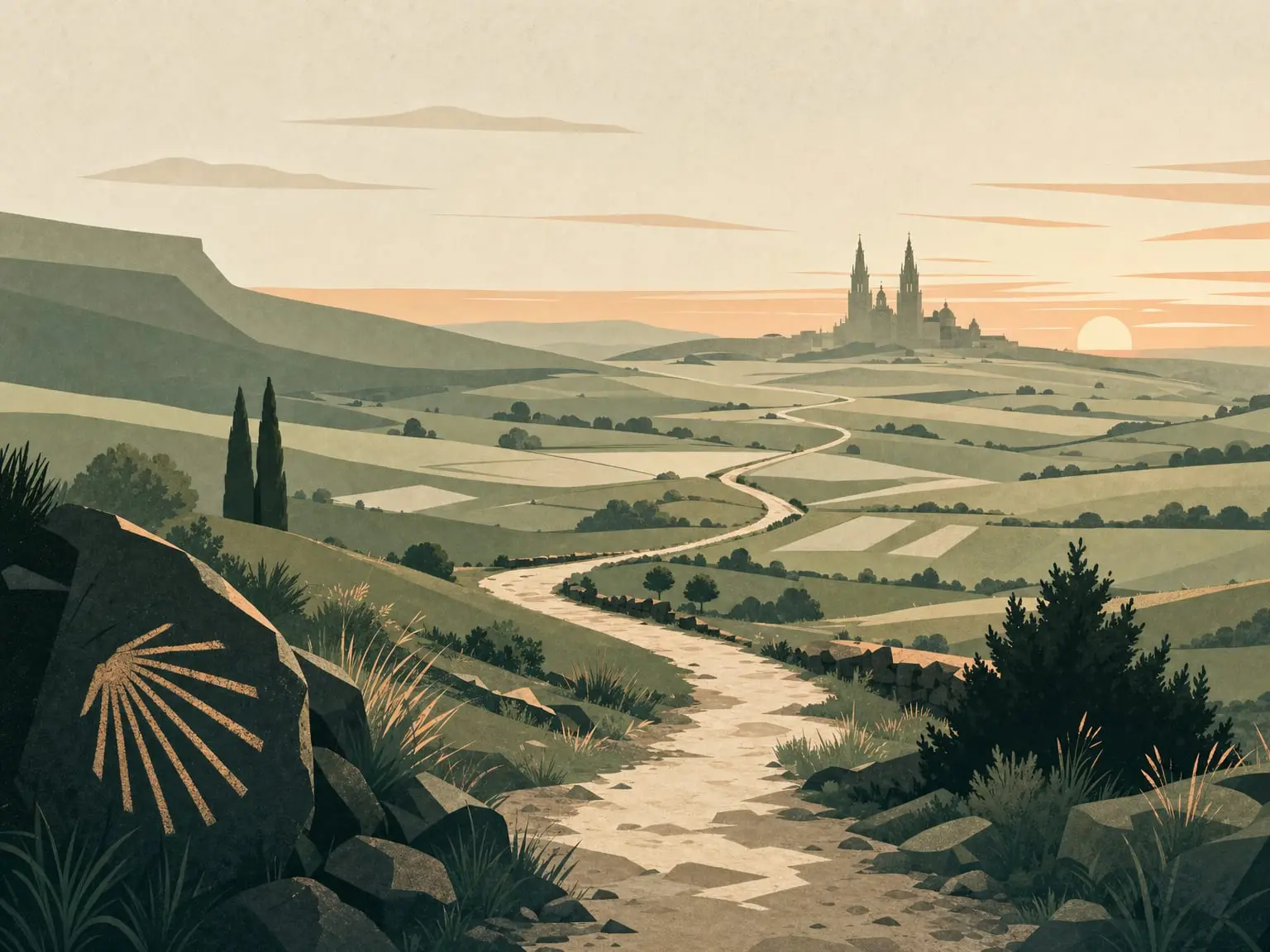
The classic Camino Francés scores 79, but that number misses much of what makes the Camino matter so deeply to pilgrims.
7 June 2026 7 min read
15 hand-picked long-distance trails
Pilgrimage hikes bring history, faith and endurance into the same journey: days or weeks of walking towards cathedrals, abbeys, temples, monasteries and holy mountains. This collection looks beyond a single Camino, gathering classic Ways of St James, medieval European routes, Japanese temple circuits and shorter sacred paths for hikers who want their miles to carry a sense of purpose.

 United Kingdom, England, Scotland · 100 km · 5 days · Moderate
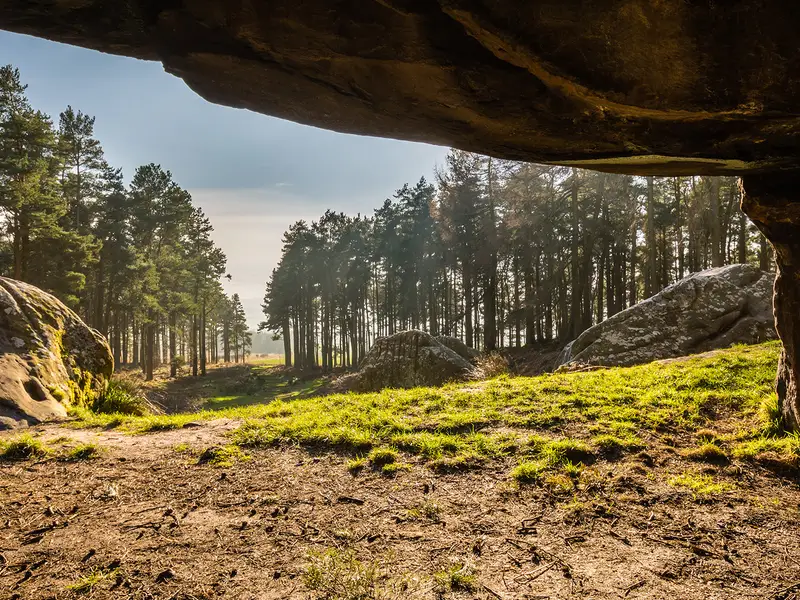
 St Cuthbert’s Way links Melrose Abbey to Holy Island over 100 km, mixing riverside, farmland, woodland, moorland, hills and coast in a moderate five-day point-to-point pilgrimage.
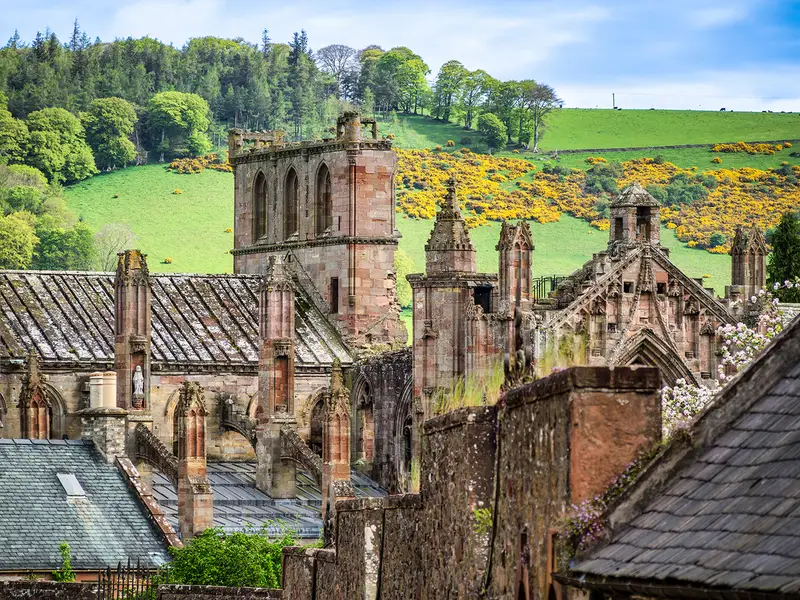 United Kingdom, Scotland · 109 km · 5-6 days · Moderate
 The Borders Abbeys Way is an abbey-focused Scottish loop, linking Melrose, Dryburgh, Kelso and Jedburgh Abbeys over 109 km through riverside lowland, farmland, woodland and rough high ground.
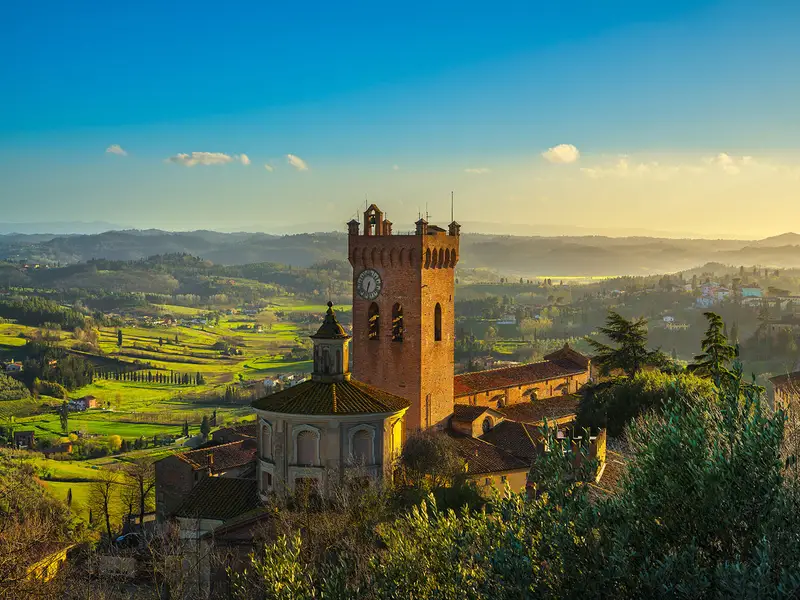
 Italy · 180 km · 7 days · Moderate
 This Lucca-to-Siena section distils the medieval Via Francigena into a 7-day Tuscan pilgrimage, with rolling hills, vineyards, olive groves, woodland and clay fields at a moderate walking grade.
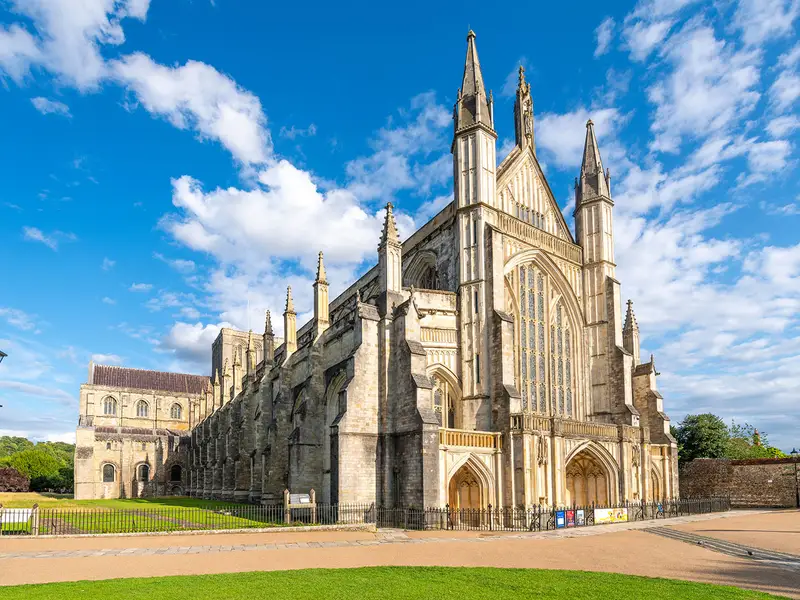 United Kingdom, England · 214 km · 15 days · Moderate
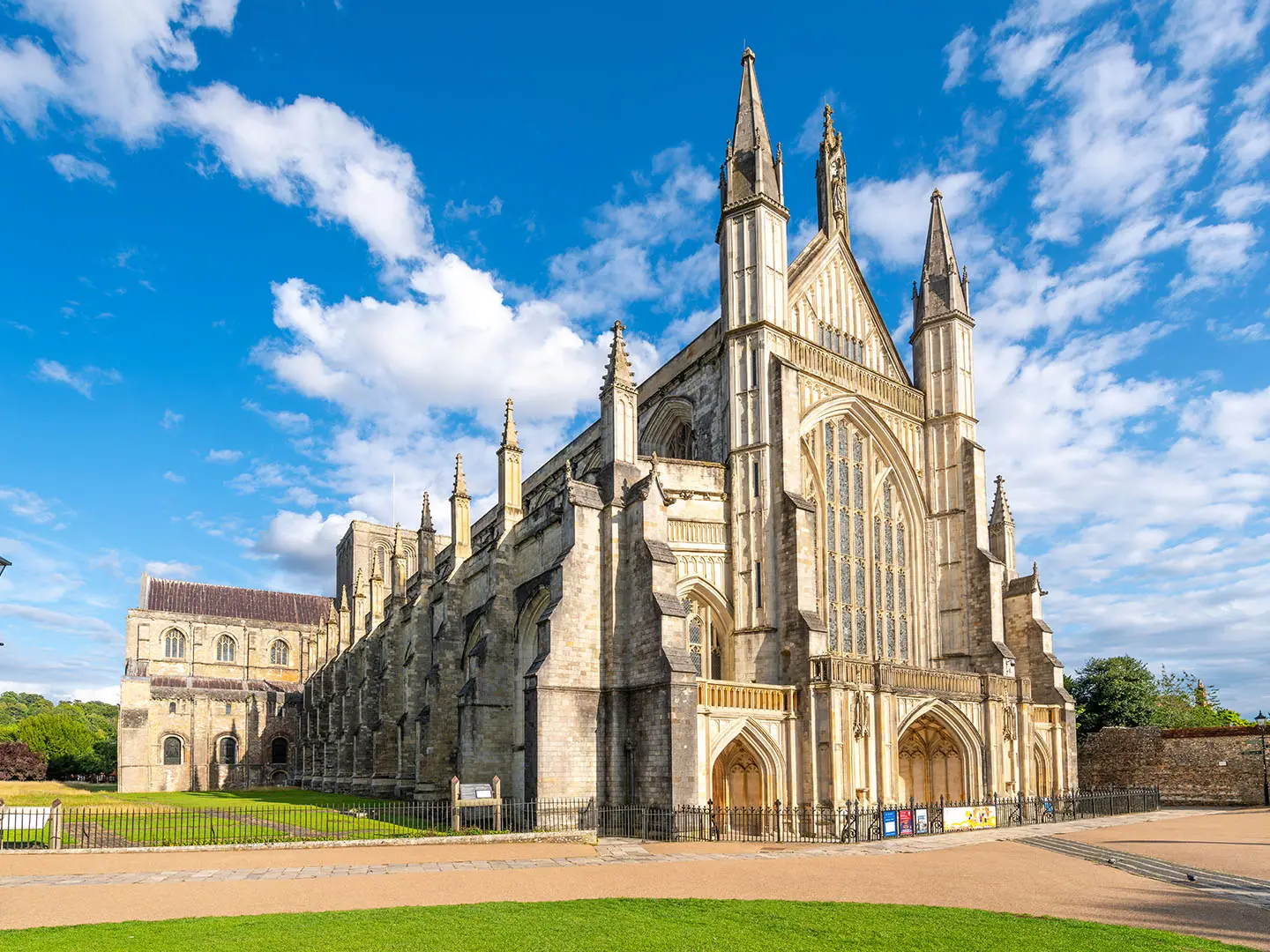
 The Pilgrims’ Way follows a classic English cathedral-to-cathedral line, covering 214 km from Winchester to Canterbury through forest, hills and farmland over a standard 15-day schedule.
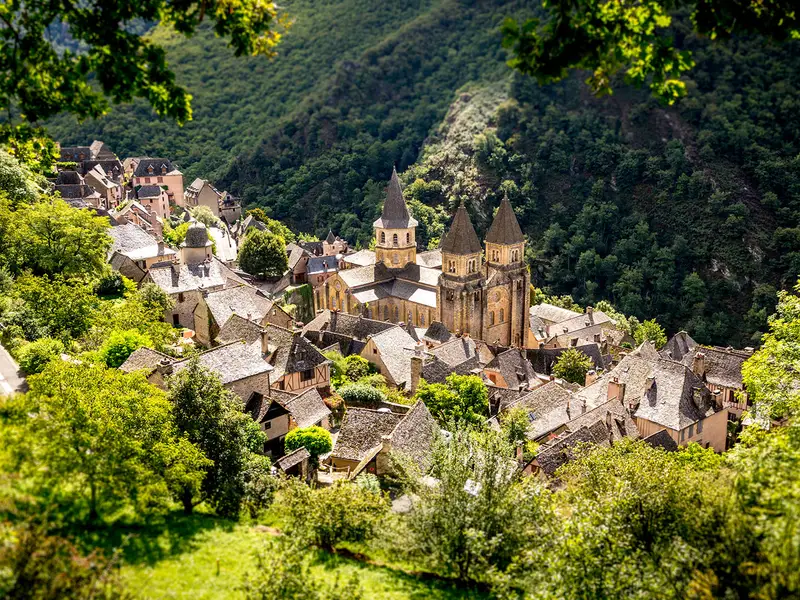
 France · 735 km · 28-32 days · Moderate
 The GR65, or Le Puy Camino, is a major French Way of St James: 735 km from Le Puy-en-Velay to Saint-Jean-Pied-de-Port across plateau, hills, forest and river valleys.
 Japan · 70 km · 4 days · Hard
 The Nakahechi Route is a compact but hard Japanese pilgrimage: 70 km over mountainous forest terrain on the Kii Peninsula, usually walked in four days by hikers wanting a serious historic route.
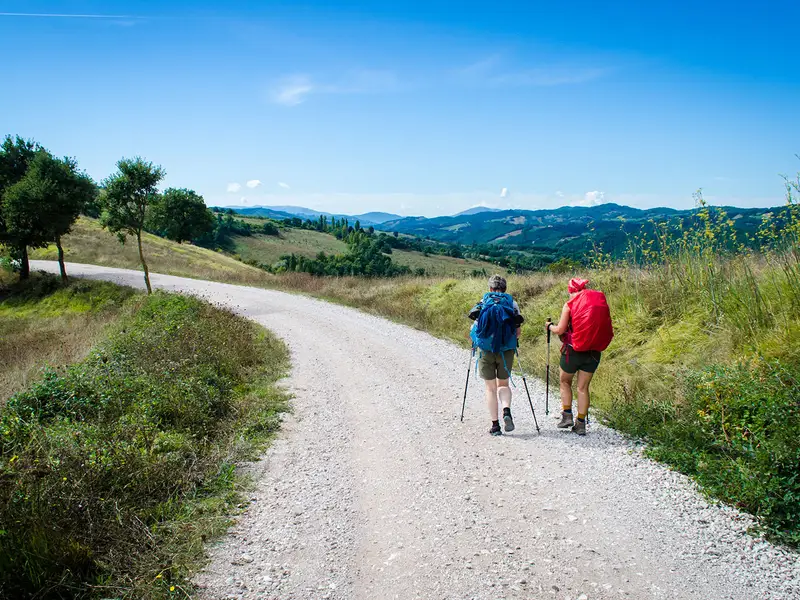 Italy · 500 km · 27-28 days · Hard
 The Via di Francesco earns its place as a demanding central Italian pilgrimage, running about 500 km from the Sanctuary of La Verna to Rome through mountainous, forest, valley, rural and urban terrain.
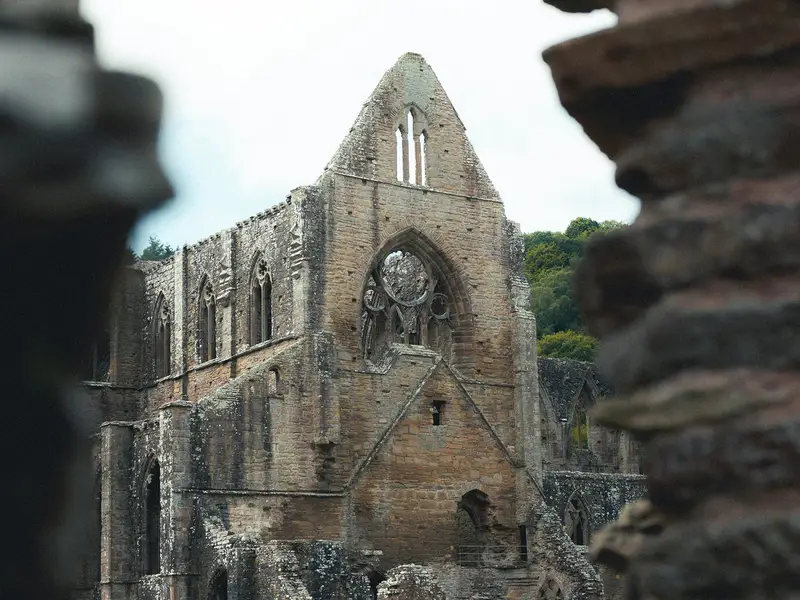
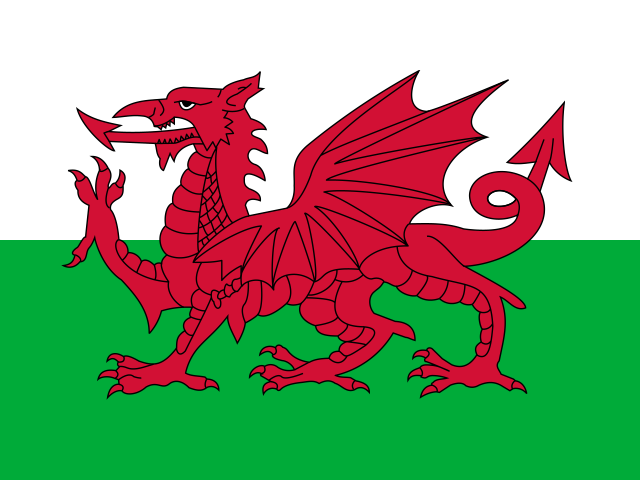 United Kingdom, Wales · 969 km · 40-60 days · Moderate
 The Cistercian Way is a vast Welsh monastic circuit: 969 km linking all 16 medieval Cistercian houses plus modern successor communities, across coast, upland, farmland, valleys and mountain ranges.
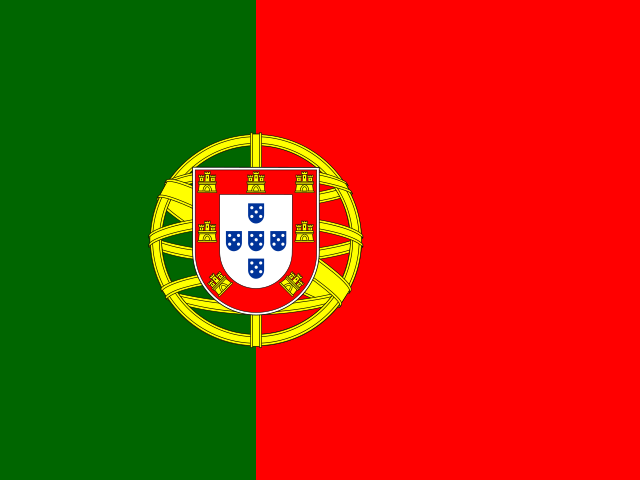 Portugal · 620 km · 28-30 days · Moderate
 The Caminho Português gives Camino walkers a full 620 km approach from Lisbon Cathedral to Santiago, with moderate walking through forest, woodland, farmland, vineyards and rolling terrain.
 Ireland · 35 km · 1-2 days · Hard
 Tóchar Phádraig is short but intense: a 35 km County Mayo pilgrim path from Ballintubber Abbey to Croagh Patrick’s summit, graded hard for its mountainous finish.
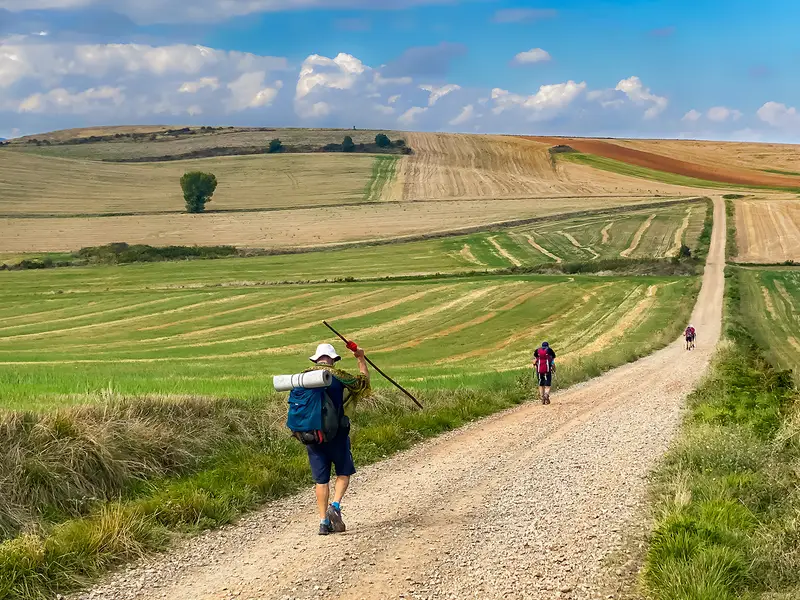
 Spain · 780 km · 33-35 days · Moderate
 The Camino Francés is the benchmark for pilgrimage hikes: a 780 km moderate point-to-point crossing of northern Spain, linking Pyrenean mountains, farmland, vineyards and plains on the way to Santiago de Compostela.
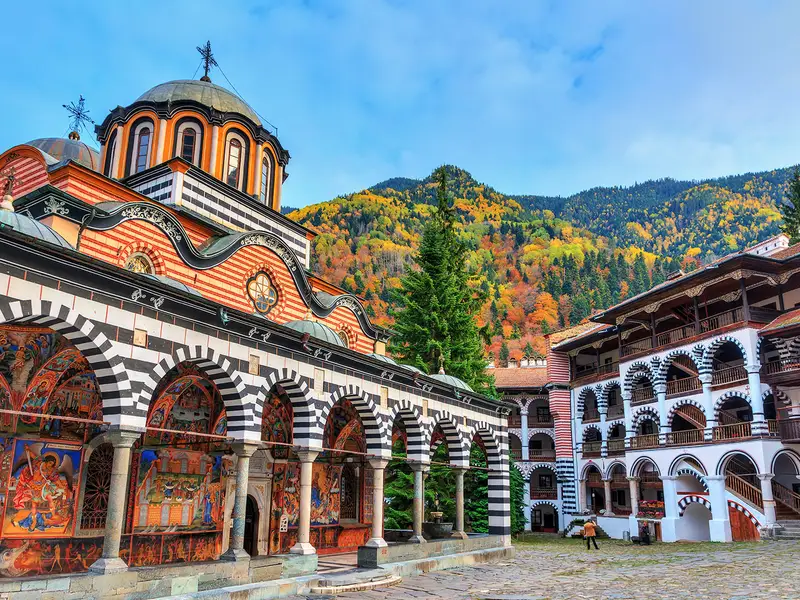
 Bulgaria · 13 km · 1 days · Moderate
 This Bulgarian route offers a one-day monastery pilgrimage from Rila Monastery into the Rilska River valley, climbing through forest and mountains to hermitage sites on a 13 km out-and-back walk.
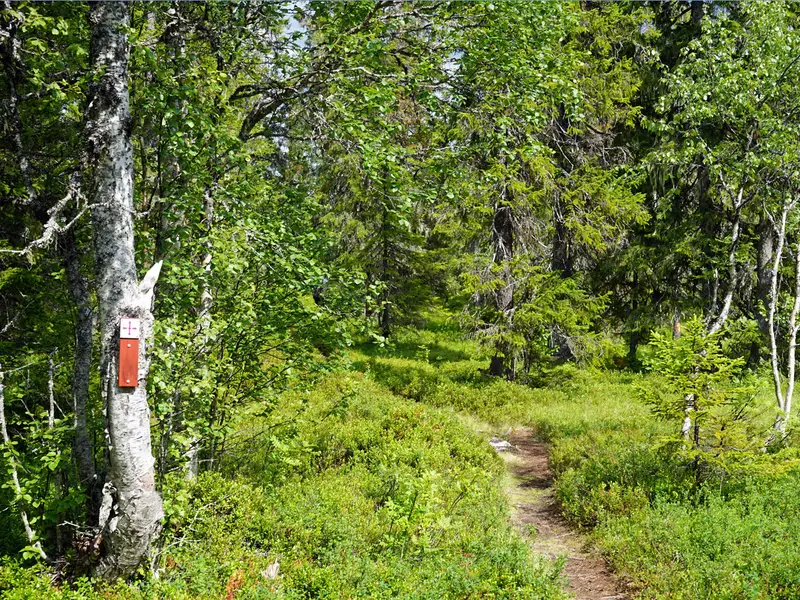
 Sweden · 580 km · 30 days · Moderate
 St. Olav’s Way brings a northern European pilgrim tradition into a 580 km, 30-day journey from Selanger near Sundsvall to Nidaros Cathedral in Trondheim, crossing forest, lakes, mountains and farmland.
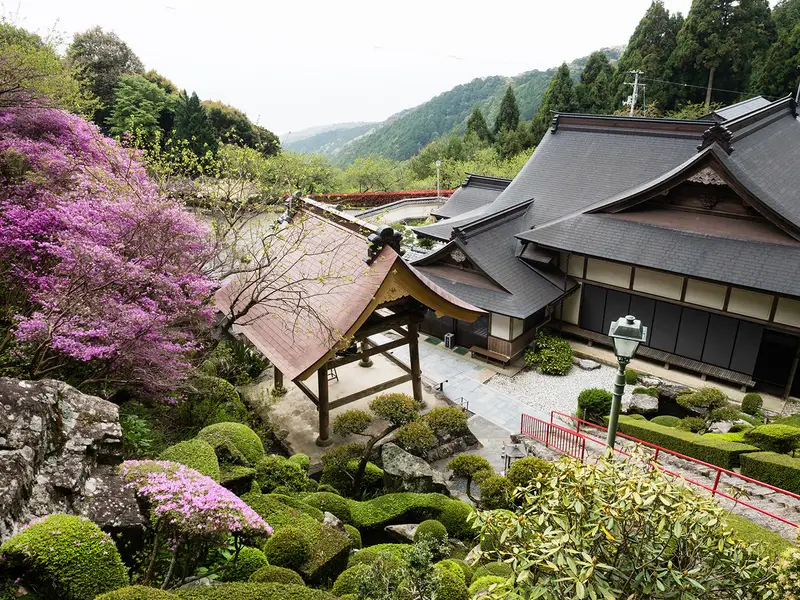
Japan · 24 km · 1 days · Moderate The Choishi Michi Trail is a long but moderate one-day Japanese pilgrimage, walking about 24 km from Jison-in Temple near Kudoyama to Koyasan’s Daimon Gate and Danjo Garan.
 Japan · 1200 km · 40 days · Hard
 The Shikoku Pilgrimage is the collection’s great Buddhist circuit: a hard 1,200 km loop around southern Japan, linking 88 official temples across coastal, forest, farmland and urban landscapes.
Start with time. A one-day route such as the Rila Monastery Pilgrimage Trail or Mount Koya Choishi Michi can give you a concentrated pilgrimage experience without a long absence from home, while 4–7 day routes suit walkers testing multi-day rhythm. At the other end, the Shikoku Pilgrimage, Cistercian Way, Camino Francés and GR65 ask for several weeks of steady progress and a willingness to repeat the daily routine.
Difficulty is not only about distance. The Kumano Kodo Nakahechi Route, St. Francis Way and Tóchar Phádraig are graded hard because of mountainous walking, sustained terrain or a demanding finish. Moderate routes can still be substantial: 500–900 km on foot is a major undertaking even when the walking is non-technical. Choose a route that matches both your fitness and your appetite for consecutive days.
Trail shape matters too. Point-to-point pilgrim walks create a strong feeling of travelling towards a destination, but they require transport planning at the beginning and end. Loop routes such as the Shikoku Pilgrimage, Borders Abbeys Way and Cistercian Way have a different rhythm, circling through linked sacred sites. An out-and-back route is simpler logistically, but feels more like a focused day pilgrimage than a long passage.
These pilgrimage hikes cross very different ground: vineyards and farmland, river valleys and forests, coastal paths, upland, mountains and urban stretches. If you prefer sociable, well-known traditions, the Camino routes are obvious anchors. If you want a quieter historic thread, abbey routes in Britain and Wales or St Olav’s Way offer a different kind of continuity.
Build your pace around the journey rather than just the kilometres. Historic towns, temples, abbeys and holy summits are part of why these routes matter, so allow space for arrival, rest and reflection. The best choice is the walk whose distance, terrain and destination still feel meaningful after many repeated mornings on the trail.
The classic Camino Francés scores 79, but that number misses much of what makes the Camino matter so deeply to pilgrims.
A plain-English guide to 60+ long-distance hiking terms, from NoBo and zero days to bothies, cols, GR routes and base weight.
A long-distance hike is a multi-day walk on a named route — learn what counts, how it feels, and how to start without overdoing it.