Reference
The Complete Long-Distance Hiking Glossary: 60+ Terms Explained
A plain-English guide to 60+ long-distance hiking terms, from NoBo and zero days to bothies, cols, GR routes and base weight.
7 June 2026 9 min read
16 hand-picked long-distance trails
Hut to hut hiking lets you link big mountain days without carrying a tent, sleeping instead in staffed huts and refuges across the Alps and Pyrenees. This collection is for hikers who want a true multi-day journey with a lighter pack: classic alpine loops, high traverses, Dolomites routes and Pyrenean refuge circuits, ranging from moderate to expert.
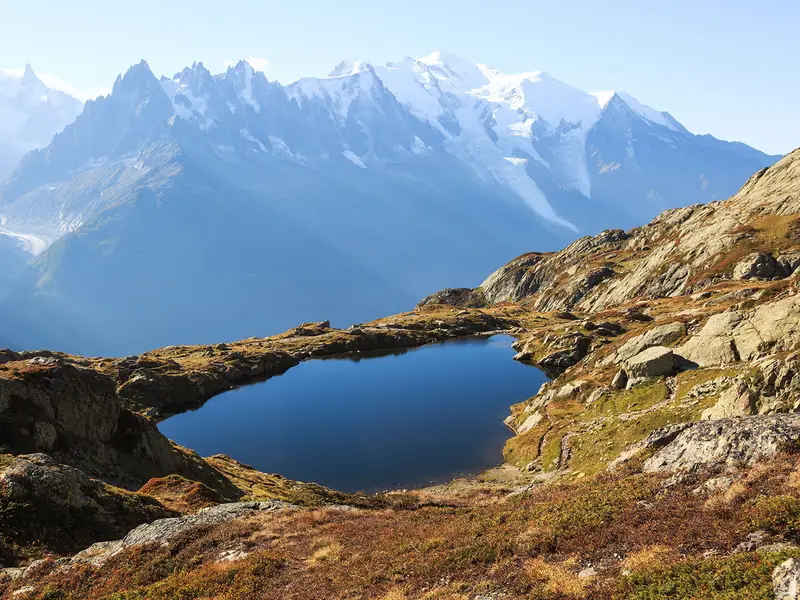
 France, Italy, Switzerland · 170 km · 11 days · Hard
 A defining hut-to-hut classic: this 170 km hard loop circles the Mont Blanc massif through France, Italy and Switzerland over 11 walking days, with long alpine stages and major ascent.
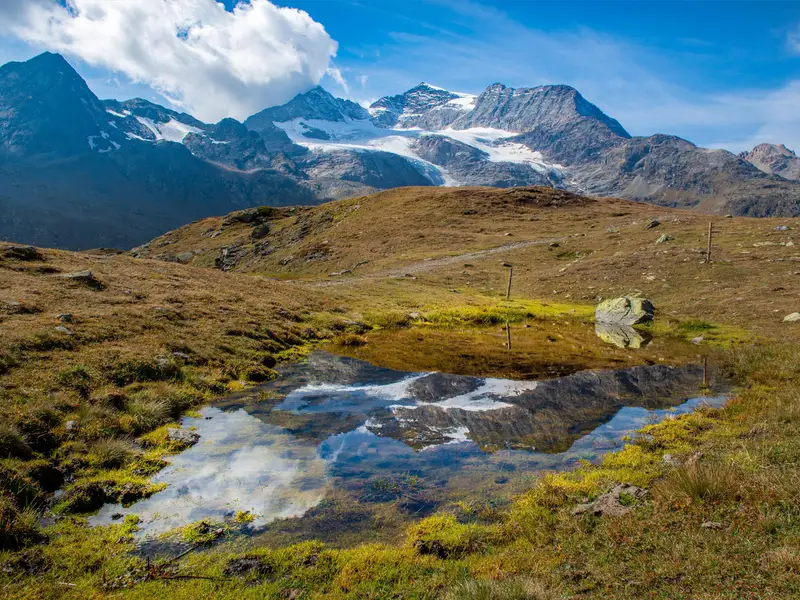 Switzerland · 130 km · 8 days · Hard
 The Bernina Trek circles the Bernina massif in Switzerland on a hard high-alpine line from Madulain to Poschiavo. At about 130 km and eight days, it is substantial without being a two-week trek.
 Austria · 87 km · 7 days · Moderate
 The Gastein Valley Trail is a moderate 87 km, 7-day mountain-hut traverse in Salzburg. It mixes alpine pasture, forest, rocky high paths and spa towns around the Gasteinertal.
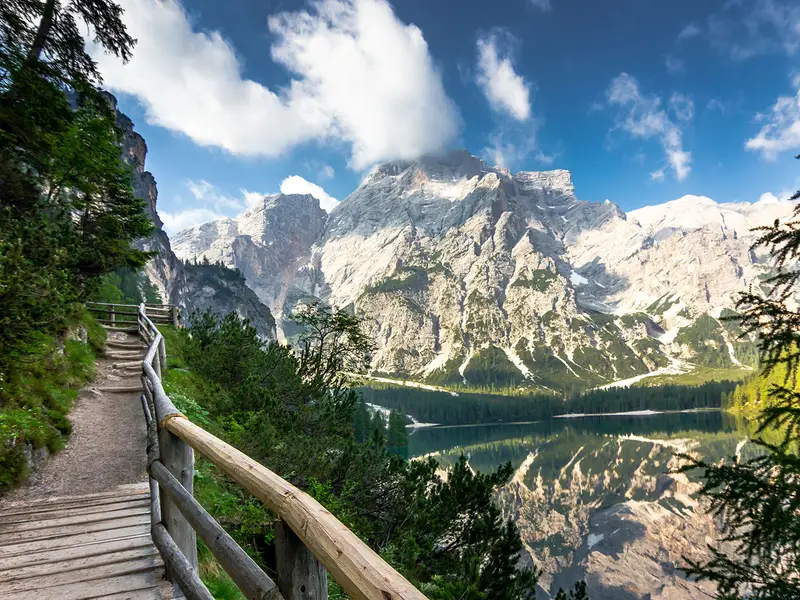 Italy · 120 km · 10 days · Moderate
 Alta Via 1 is the accessible Dolomites classic for hut-to-hut walkers: 120 km across Italy in 10 days, graded moderate and following a north–south line through alpine mountain terrain.
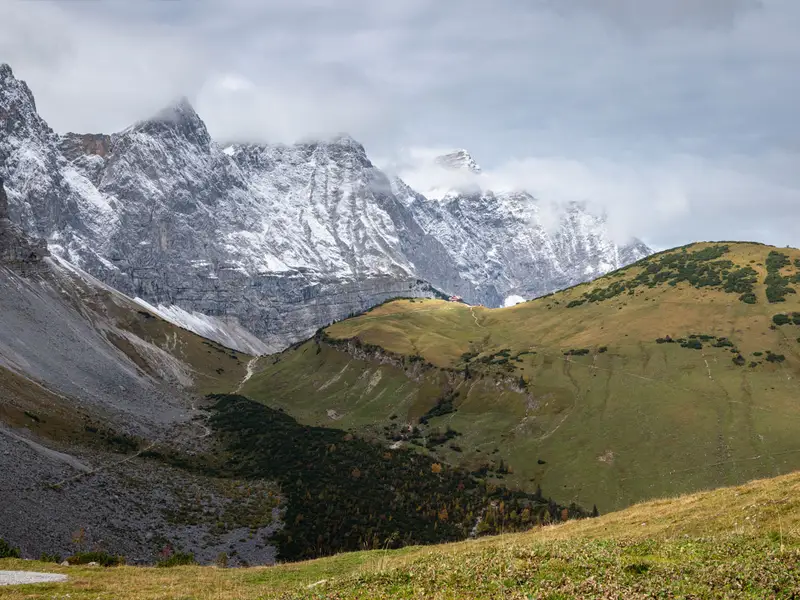 Austria · 326 km · 24 days · Hard
 For hikers wanting a full Tyrolean traverse, the Eagle Walk is the long option: 326 km over 24 stages from St. Johann in Tirol to St. Christoph am Arlberg, graded hard.
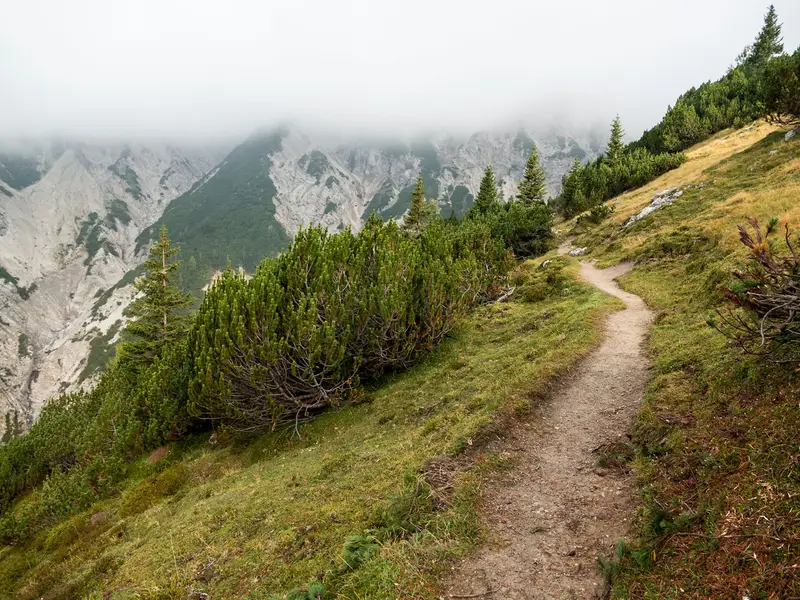 Austria · 67 km · 6 days · Hard
 The Karwendel Höhenweg is a six-stage, 67 km hut-to-hut traverse entirely inside Naturpark Karwendel. Its hard black-graded alpine route is for sure-footed hikers comfortable in serious mountain terrain.
Austria · 155 km · 10 days · Hard The Carnic High Trail follows the Austrian-Italian border on a 155 km alpine traverse. Typically walked in 10 days, it fits hut-to-hut hikers seeking a sustained ridge-country journey.
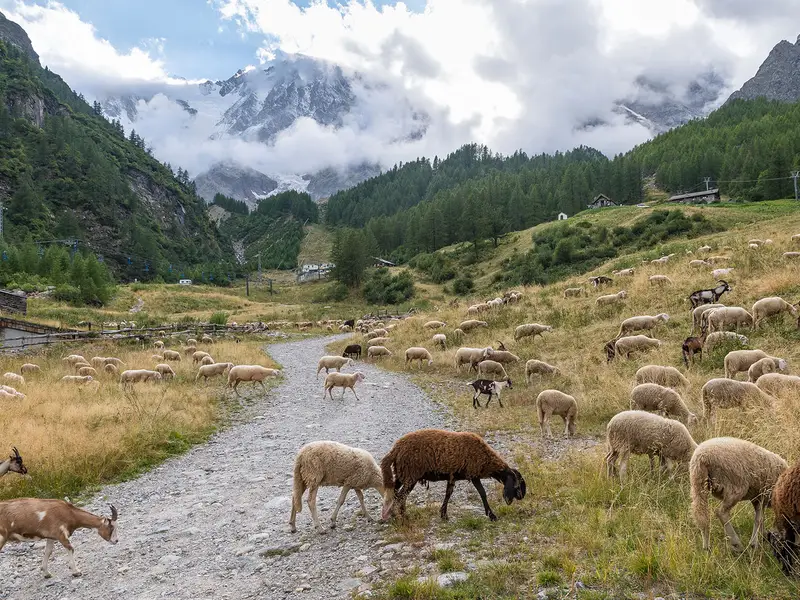 Italy · 170 km · 10 days · Expert
 For a more committing circuit, the Tour del Monte Rosa is a 170 km expert loop around the massif. Its alpine and glacier terrain makes it a serious 10-day hut-to-hut objective.
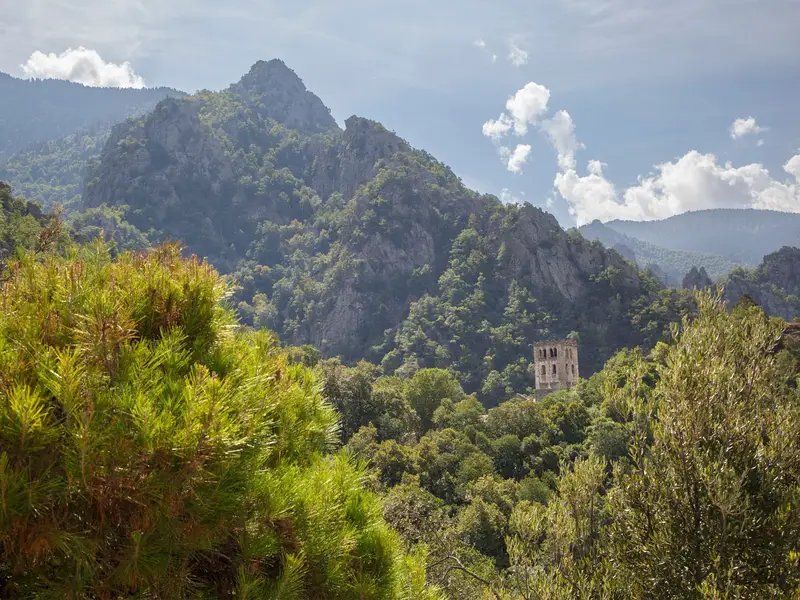 France · 84 km · 5 days · Hard
 The Tour du Canigou is a hard 84 km refuge-to-refuge loop in the eastern French Pyrenees. Its 5-day format links French Catalonia’s Conflent and Vallespir valleys around the Canigou Massif.
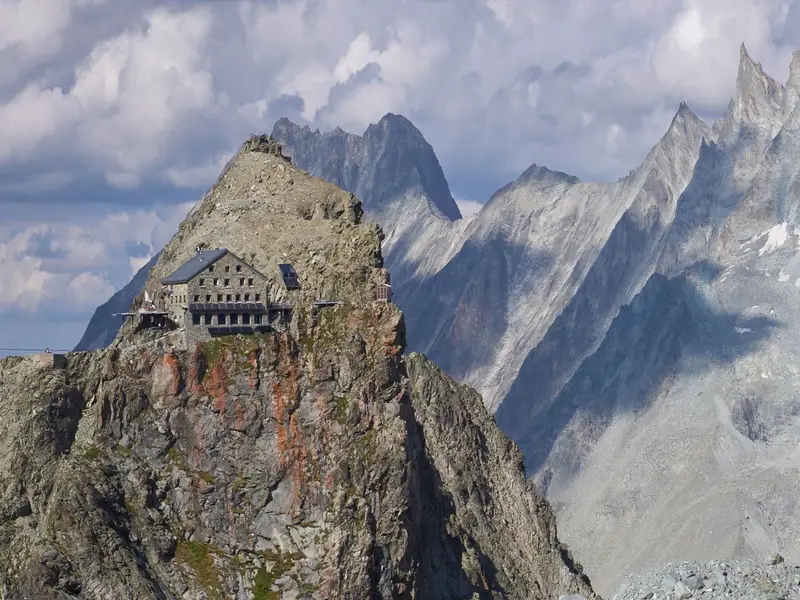 Switzerland · 215 km · 12-14 days · Expert
 This expert 215 km point-to-point trek links two famous alpine bases, Chamonix and Zermatt. Over 12–14 days, it suits experienced hikers wanting a demanding high route towards the Matterhorn.
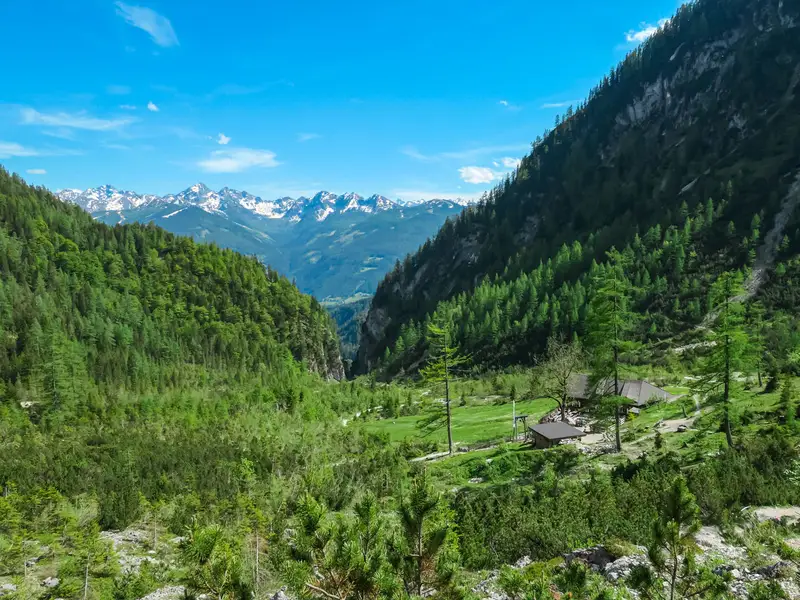 Austria · 70 km · 7 days · Hard
 This 70 km Austrian traverse is hard, high and varied, crossing ridgelines, cirques, scree and alpine meadows. The full Schladminger Tauern High Trail takes 7 days from Hochwurzen to St. Nikolai.
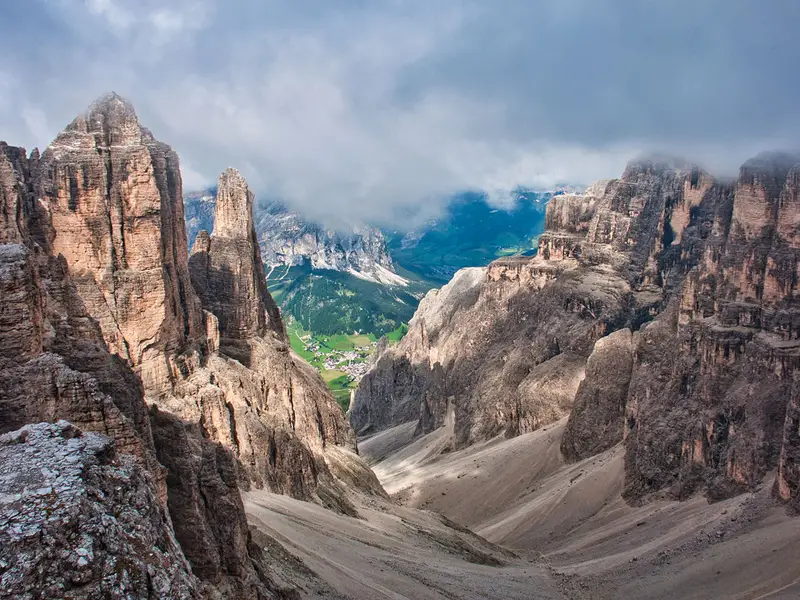 Italy · 160 km · 13 days · Expert
 Alta Via 2 belongs here as the tougher Dolomites high route: 160 km over 13 days from Bressanone to Feltre, with expert grading and rocky alpine terrain throughout the traverse.
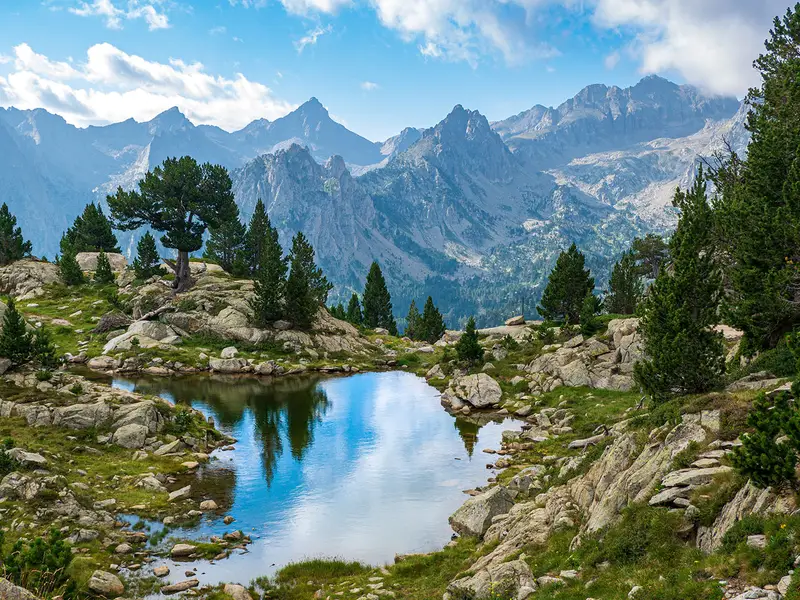
 Spain · 65 km · 5-7 days · Strenuous
 Carros de Foc brings the refuge-to-refuge format to the Catalan Pyrenees. This strenuous 65 km loop takes 5–7 days through mountainous terrain, alpine sections, forest and lakes.
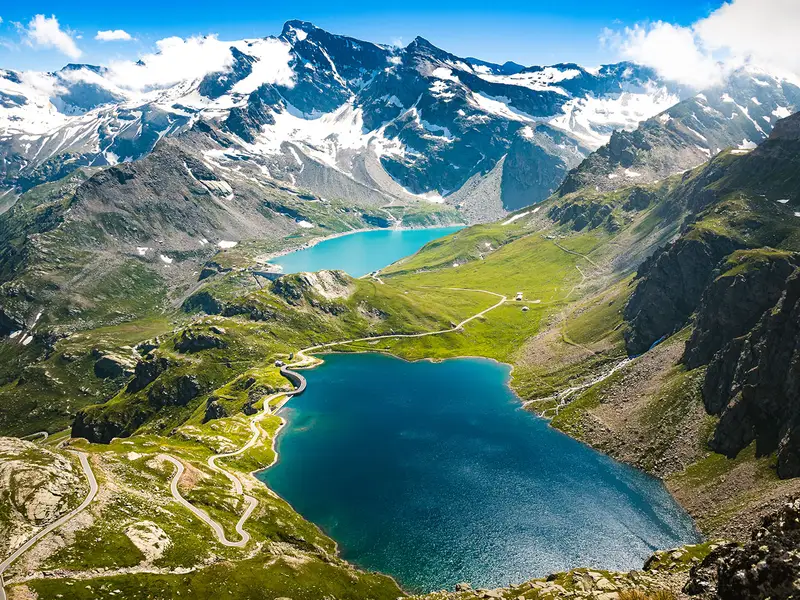 Italy · 55 km · 5 days · Hard
 A compact Italian hut-to-hut option, the Gran Paradiso Trek covers 55 km in 5 days through Gran Paradiso National Park. Its hard grade suits hikers wanting a shorter but serious alpine route.
Austria · 80 km · 7-8 days · Hard The Stubai High Trail packs a lot into 80 km, usually 7–8 days. This hard Austrian loop is defined by steep, narrow, exposed paths, rocky ground, scree and boulder fields.
 Austria · 45 km · 4 days · Hard
 Short but not easy, the Rätikon High Trail is a 45 km, 4-day hard loop through limestone mountains on the Austria–Switzerland border, starting and finishing at the Lünersee.
Start with difficulty, not just distance. A 45 km route such as the Rätikon High Trail is still graded hard because it stays in mountain terrain, while the 120 km Alta Via 1 is marked moderate despite taking 10 days. If this is your first European hut trek, the moderate options give you a gentler entry into consecutive mountain stages; if you already move confidently on steep or rocky ground, the hard Austrian, Italian and Swiss routes open up more committing high-level terrain.
Duration matters for planning and recovery. Shorter trips such as the 4-day Rätikon High Trail, 5-day Gran Paradiso Trek or 5–7 day Carros de Foc can fit into a compact holiday, while routes like the Tour du Mont Blanc, Alta Via 2, Haute Route and Eagle Walk demand a much larger block of time. Point-to-point trails feel like a journey across a range; loops simplify returning to your start.
Hut to hut hiking removes camping weight, but it does not make the mountains easy. Many of these routes are hard or expert, with alpine, rocky, scree, glacier or exposed terrain noted in their descriptions. Build your choice around the hardest day you are willing to repeat, not the average day on paper.
The Alps routes here cover France, Italy, Switzerland and Austria, with a strong spread of Dolomites, Tyrol, Graubünden and border-ridge itineraries. The Pyrenean options in France and Spain offer refuge-to-refuge alternatives with mountainous forest, lakes and high terrain. If you want maximum variety, choose a route crossing countries or valleys; if you prefer simpler language, transport and food planning, a single-country trek may be easier to organise.
Book huts or refuges early where reservations are required, and check each stage carefully before committing. Distances in this collection range from 45 km to 326 km, but the real question is whether the trail type, terrain and grade match your experience.
A plain-English guide to 60+ long-distance hiking terms, from NoBo and zero days to bothies, cols, GR routes and base weight.
Long-distance hiking, thru-hiking and trekking overlap more than people admit. Here’s the plain-English difference, with real examples.
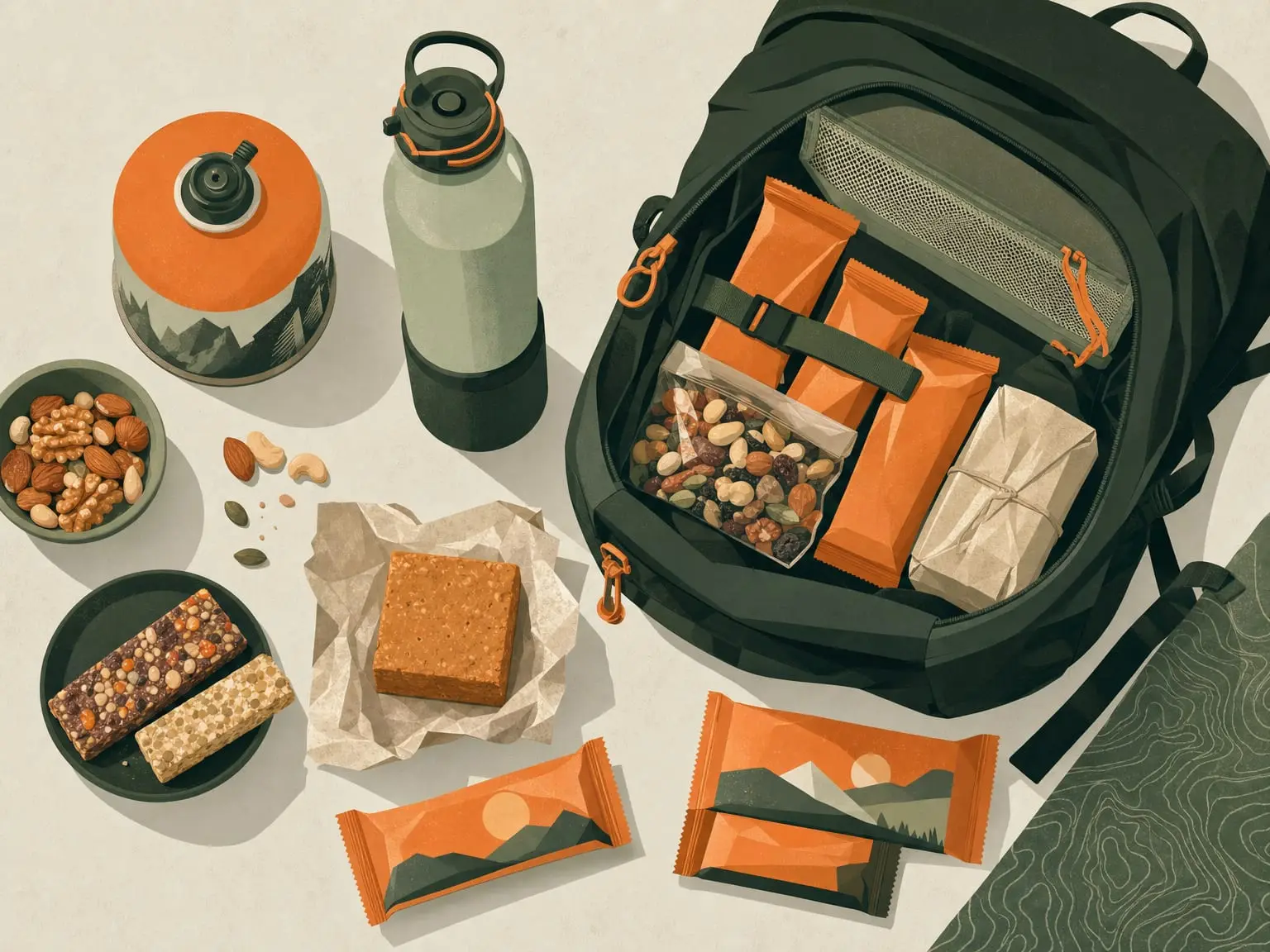
Pack enough to walk strongly without hauling dead weight: here is the simple food maths for multi-day and long-distance hikes.