Alföld Blue Trail

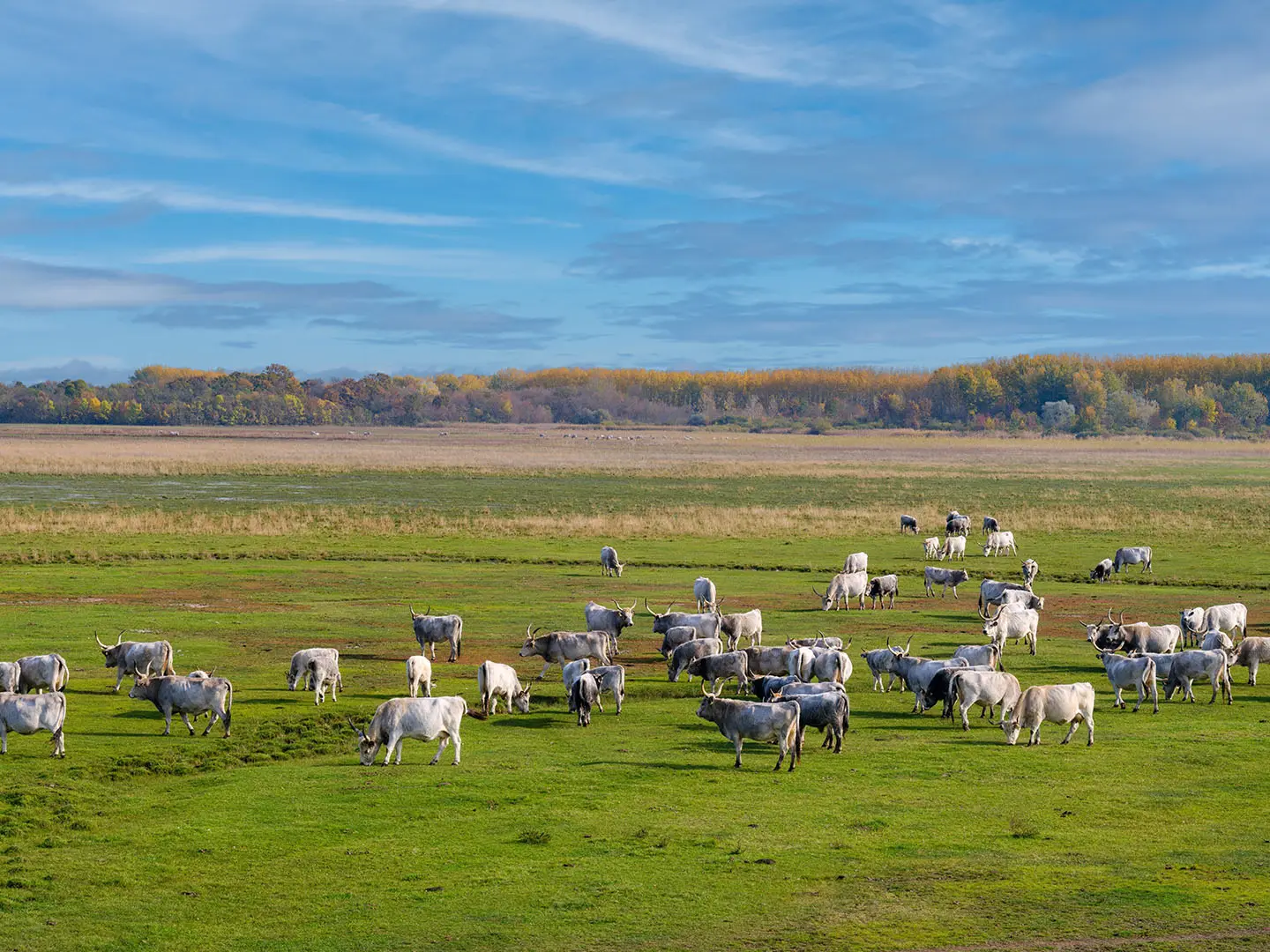
Image by Danita Delimont

Alföld Blue Trail: Complete Guide to Hungary’s Epic Long-Distance Hike

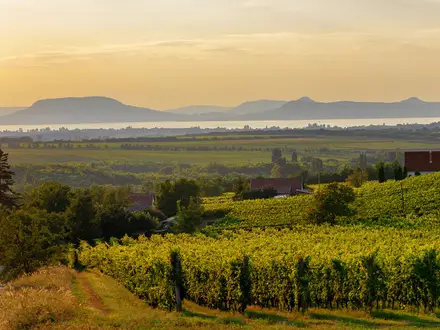
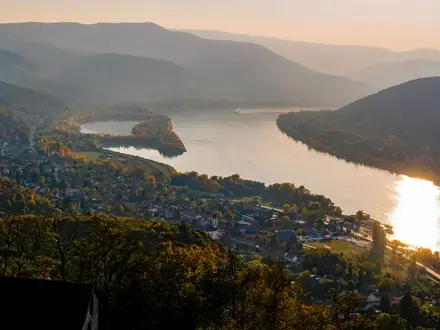
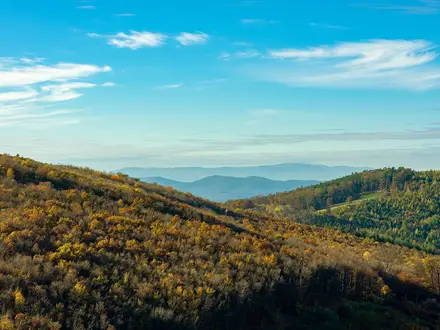
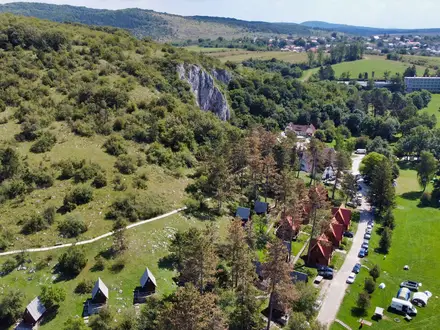
Embark on an unforgettable adventure across Hungary’s sweeping Great Plain with the Alföld Blue Trail, a journey that brings hikers face to face with the country’s serene lowlands, dense forests, and picturesque wetlands. This iconic long-distance route stretches for hundreds of kilometers, weaving through tranquil villages, flourishing nature reserves, and vibrant fields that change with the rhythm of the seasons.

As you traverse the trail, you’ll be immersed in peaceful landscapes, from vast grasslands dotted with wildflowers to shady tree-lined paths and shimmering riversides. The gentle terrain offers an inviting experience for hikers of all levels, making it ideal for those who want to soak up the quiet beauty and rural charm of Eastern Hungary. Whether you’re an intrepid thru-hiker or a wanderer seeking new horizons, the Alföld Blue Trail promises a captivating exploration of the heart of Hungary’s countryside.

Route Overview

The Alföld Blue Trail is a point-to-point route spanning approximately 870 kilometers across Hungary’s Great Plain, officially starting in Szekszárd in the southwest and finishing in Sátoraljaújhely near the Slovakian border in the northeast. The trail traverses a diverse array of towns, villages, and protected areas, including major points such as Kecskemét, the UNESCO-listed Hortobágy National Park, Bugac Puszta, Tisza River floodplains, and the Lake Tisza region.

Typically completed in about 33 days at a moderate pace, the trail can be divided into manageable daily sections, with options for overnight stops in cities, villages, hostels, campsites, or wild camping spots. The route is primarily marked, though signage in rural or remote areas may be infrequent, so having reliable maps or GPS navigation is strongly recommended.

Trail surfaces consist mostly of dirt and gravel, with some stretches running along unpaved farm tracks, riversides, and through wetlands, susceptible to mud and waterlogged conditions during rainy periods. Urban crossings and short paved segments exist near larger settlements but are minimal overall. Facilities such as water sources, picnic areas, and shelters are available at intervals, but hikers should prepare for long stretches without services, particularly in more remote agricultural zones. The flat terrain makes for generally easy walking, though the total distance and exposure to weather can add to the challenge.

Historical Context of the Alföld Blue Trail

The Alföld Blue Trail forms a vital part of Hungary’s renowned National Blue Trail network, which dates back to 1938 and stands as one of the first long-distance hiking routes in Europe. Originally established to encourage outdoor recreation and foster national unity, the trail system has played a significant role in Hungarian culture for generations. The Alföld Blue Trail itself was developed later, designed to showcase the unique landscapes of the Great Hungarian Plain and to connect rural communities with the country’s broader network of footpaths.

Throughout its history, the route has guided countless hikers through regions steeped in local heritage and folklore. The trail passes sites of historical significance, including traditional villages, ancient churches, and monuments commemorating the region’s agricultural traditions. In some sections, hikers can observe remnants of Hungary’s old feudal estates and step along the paths once traveled by shepherds, merchants, and historical figures whose stories are deeply woven into the fabric of the Alföld.

Today, the Alföld Blue Trail not only provides access to natural wonders but also invites travelers to experience the living history of Hungary’s eastern heartland, offering a deep connection to the traditions and resilience of the communities that have flourished here for centuries.

Notable highlights

  • Hortobágy National Park: This UNESCO World Heritage site is Hungary’s oldest and largest national park, famous for its vast alkaline grasslands, unique wildlife including wild horses and bird species, and the iconic Nine-Arch Bridge spanning over the Hortobágy River.

  • Kecskemét: A vibrant city known for its Art Nouveau architecture, colorful markets, and cultural festivals. Hikers can explore its historic town center, ornate churches, and museums highlighting the region’s agricultural and artistic traditions.

  • Tisza River and Floodplain Forests: A scenic stretch where the trail follows the banks of the Tisza River, offering tranquil views, opportunities for birdwatching, and a chance to experience the rich biodiversity of the floodplain forests.

  • Bugac Puszta: Renowned for its sweeping sand dunes and open steppe, Bugac Puszta is a quintessential landscape of the Great Hungarian Plain. Visit traditional shepherd farms and witness demonstrations of horsemanship and local customs.

  • Lake Tisza (Tisza-tó): This expansive reservoir is a haven for water birds and a popular destination for kayaking, fishing, and swimming. The trail skirts the lakeshore, allowing for peaceful rest stops and refreshing views.

  • Traditional Villages: The route passes through numerous rural Hungarian villages where hikers can experience the warm hospitality of the locals, sample regional cuisine, and observe well-preserved folk architecture.

  • Historical Churches and Monuments: Along the trail, discover centuries-old churches, roadside chapels, and memorials that tell the story of Hungary’s religious and cultural heritage, including Romanesque, Gothic, and Baroque structures.

Challenges to expect

Despite its generally flat terrain, the Alföld Blue Trail presents several notable challenges that hikers should be prepared for. The open landscapes of the Great Hungarian Plain mean limited natural shelter, so exposure to sun, wind, and sudden weather changes can be significant—especially during the summer months when temperatures can soar. The lack of shade on certain sections may lead to dehydration or heat exhaustion if not managed carefully.

Navigational difficulties may arise, particularly where the trail weaves through farmland, remote countryside, or sparsely marked routes. Seasonal flooding in wetlands or along rivers can occasionally make paths muddy or impassable, requiring reroutes or additional caution. In rural stretches, amenities and resupply points can be widely spaced, so planning ahead for food, water, and overnight accommodations is essential.

Additionally, long sections without settlement or infrastructure can test physical and mental endurance. Insects like mosquitoes are common in wetland and riverside areas, making effective repellent necessary. While the landscape is not mountainous, the distance covered and the variability in trail conditions call for thorough preparation and flexibility throughout your journey.

Country
Trail type
Point to point
Terrain & Landscape
  • Forest
  • Wetlands
Trail surface
  • Dirt
  • Gravel
Difficulty rating
Easy
Elevation gain/loss
700 metres
Highest point altitude
183 metres
Distance
870 kilometres
Duration
33 days
Permits & Fees
No permits or fees
Accommodation
  • Hotels
  • Campsites
  • Hostels
  • Wild camping spots
Average daytime temperature
18°C
Chance of rainfall
Medium
Estimated cost
$
Optimal hiking season
Spring
March to May
Autumn
September to November
Accessibility
  • Family Friendly
  • Pet Friendly
Facilities
  • Water Sources
  • Campsites
  • Shelters
  • Picnic Areas
Day 1
Szekszárd to Baja
Approx. 26km

Begin your journey in the town of Szekszárd, moving through rolling vineyards and open plain landscapes as you make your way south towards Baja. The route generally follows flat farm roads and field tracks, with opportunities to visit small rural villages along the way before reaching the historic riverside town of Baja.

Day 2
Baja to Mélykút
Approx. 27km

Depart from Baja, following the riverside paths and field tracks eastward. The terrain is open and flat, weaving between agricultural areas and sparsely wooded patches. Arrive in Mélykút, a small town offering essential services and a peaceful rural character.

Day 3
Mélykút to Kiskunhalas
Approx. 25km

Travel north from Mélykút, traversing fields and passing through scattered farmsteads. Occasional small lakes and channels break up the flat scenery. The route continues into Kiskunhalas, known for its lacework and welcoming town center.

Day 4
Kiskunhalas to Bugac
Approx. 28km

Leaving Kiskunhalas, the route leads east into the open steppe and wooded groves of the Kiskunság region. End the day in Bugac, home to the renowned Bugac Puszta nature area, with opportunities to observe traditional shepherding and occasional horsemanship displays.

Day 5
Bugac to Kecskemét
Approx. 29km

Continue from Bugac through protected grasslands and cross sandy ridges as you approach the regional hub of Kecskemét. This city offers numerous amenities and its famed Art Nouveau buildings make an atmospheric end to the day.

Day 6
Kecskemét to Tiszakécske
Approx. 27km

Exit Kecskemét, hiking across more arable fields and the occasional orchard. The landscape is characteristically flat, with the route gradually shifting towards the east. Tiszakécske lies beside the Tisza River and offers riverside recreation.

Day 7
Tiszakécske to Cserkeszőlő
Approx. 24km

Follow riverside trails and embankments as you continue along the Tisza, enjoying peaceful surroundings and bird-rich wetlands. Arrive in Cserkeszőlő, a town famous for its thermal baths and spas—an ideal spot for relaxation.

Day 8
Cserkeszőlő to Szentes
Approx. 26km

The trail moves northeast, alternating between open plain and cultivated fields. Occasional wooded patches offer shade. Eventually, reach the town of Szentes, known for its parks and public art installations.

Day 9
Szentes to Hódmezővásárhely
Approx. 28km

Depart from Szentes, traveling deeper into the plain. The route is straightforward, passing dykes and fields. Hódmezővásárhely offers plenty of facilities and a lively city atmosphere to recharge.

Day 10
Hódmezővásárhely to Mindszent
Approx. 22km

Head northward along a gentle riverside path, moving between cultivated lands and riverside forests. The small town of Mindszent is notable for its proximity to natural wetlands.

Day 11
Mindszent to Tiszaalpár
Approx. 25km

Resume along the Tisza floodplain, where birds and aquatic life are commonly seen. This stage features tranquil countryside and stretches with little shade, culminating in the small agricultural town of Tiszaalpár.

Day 12
Tiszaalpár to Tiszaug
Approx. 20km

Today’s hike is shorter, staying near the riverside forests where possible. Travel through peaceful rural landscape to reach the smaller settlement of Tiszaug with its calm pace of life.

Day 13
Tiszaug to Tiszafüred
Approx. 28km

Follow riverside dykes and tracks as you enter the Lake Tisza region. Birdlife increases dramatically here and marshy landscapes dominate. End the day in Tiszafüred, a haven for ecotourism and lake recreation.

Day 14
Tiszafüred to Poroszló
Approx. 21km

Skirt the shores of Lake Tisza, passing through marshland boardwalks and lakeside villages. Continue toward Poroszló, where you can visit local nature exhibits or enjoy the waterside scenery.

Day 15
Poroszló to Tiszafüred–Hortobágy National Park
Approx. 26km

Leave Poroszló and enter Hortobágy National Park, an expansive UNESCO-listed wilderness of grassland and alkaline steppe. Expect wide open vistas, traditional herds, and the possibility of heron, crane, and stork sightings.

Day 16
Hortobágy National Park to Hortobágy Village
Approx. 24km

A day dedicated to the heart of the park, enjoying classic puszta scenery, nature trails, and bird observation towers. Conclude in the village of Hortobágy, famous for the Nine-Arch Bridge and traditional inn.

Day 17
Hortobágy Village to Hajdúszoboszló
Approx. 29km

Wander out of the park back into cultivated landscape. The route is straightforward, following minor roads and pathways. Reach Hajdúszoboszló, noted for its large spa complex and vibrant town life.

Day 18
Hajdúszoboszló to Berettyóújfalu
Approx. 27km

Cross a mosaic of fields and small streams, with some sections following dirt embankments. The day ends at Berettyóújfalu, a crossroads town with shops, history, and accommodation.

Day 19
Berettyóújfalu to Szeghalom
Approx. 28km

Travel northeast on levees and rural byways, meandering alongside rivers and wetlands. Small farming hamlets line the way to Szeghalom, a peaceful local center.

Day 20
Szeghalom to Gyomaendrőd
Approx. 24km

Move through varied rural scenery, with frequent river crossings and scenic backroads. Finish in Gyomaendrőd, a town partly surrounded by oxbow lakes and tranquil fishing spots.

Day 21
Gyomaendrőd to Szarvas
Approx. 27km

Continue in the Tisza basin through poplar groves and riverside nature reserves. Szarvas, noted for its botanical gardens and historic water mills, provides a pleasant conclusion to the day.

Day 22
Szarvas to Mezőtúr
Approx. 25km

Trace peaceful agricultural routes north, passing ditches and irrigation channels. Arrive in Mezőtúr, a regional hub with a pottery tradition and variety of visitor services.

Day 23
Mezőtúr to Törökszentmiklós
Approx. 23km

Follow mostly straight, flat tracks cutting through arable land and stretches of woodland. Törökszentmiklós is an inviting stop, noted for its churches and local markets.

Day 24
Törökszentmiklós to Szolnok
Approx. 21km

Another mellow day across the Tisza lowlands, with the route mostly along levees and beside riverine woods. Finish in the city of Szolnok, an important transport junction with rich history and culture.

Day 25
Szolnok to Abádszalók
Approx. 28km

Proceed along the winding river, alternating between meadows and farmland. Enter Abádszalók, a destination known for its lakeshore, festivals, and summer recreation.

Day 26
Abádszalók to Kunhegyes
Approx. 26km

The trail continues northeast, rejoining smaller levees and bypassing wetlands. Expect some isolated stretches before reaching the welcoming town of Kunhegyes.

Day 27
Kunhegyes to Tiszabábolna
Approx. 25km

Move through lowland meadows and reed beds near the Tisza River, passing by small villages and farmsteads. The peaceful village of Tiszabábolna marks today's quieter conclusion.

Day 28
Tiszabábolna to Mezőkövesd
Approx. 27km

Follow a mix of embankments and backcountry roads leading away from the wetland zones. Mezőkövesd is famous for its Matyó folk art and local museums.

Day 29
Mezőkövesd to Szerencs
Approx. 28km

This section covers more populous areas with undulating farmland and groves. Szerencs, a town with a castle and old chocolate factory, provides ample amenities.

Day 30
Szerencs to Sárospatak
Approx. 25km

Travel north into the Tokaj foothills, where the land gradually gains low elevation. Arrive in picturesque Sárospatak, home to a Renaissance castle and the famous Calvinist college.

Day 31
Sárospatak to Cigánd
Approx. 27km

Follow the floodplain routes and rural roads across the Bodrog region, traversing serene agricultural lands. Cigánd, a small town with local restaurants and shops, marks the end of today's journey.

Day 32
Cigánd to Sátoraljaújhely
Approx. 29km

Your last full day traverses riverbanks, meadows, and rural towns as you head toward the northern border of Hungary. The hike ends at Sátoraljaújhely, located at the foot of the Zemplén hills, with a lively downtown and transport links.

Day 33
Rest Day or Short Connecting Leg to Trailhead/Pickup
Approx. 10km

Use this final day for rest, exploration of Sátoraljaújhely’s attractions, or for logistics such as arranging onward travel. Alternatively, hike a short connecting leg to the official trailhead for completion recognition.