GR11 (Spanish Pyrenees Trail)
GR11 Spanish Pyrenees Trail: Ultimate Guide to Hiking the Trans-Pyrenean Route
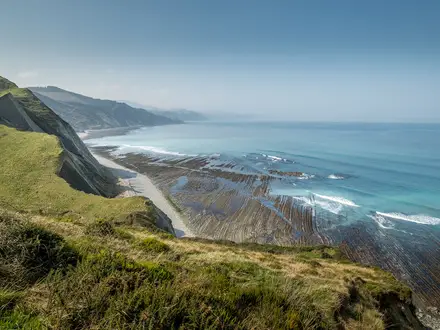
Stretching across the majestic spine of the Spanish Pyrenees, the GR11 is an epic long-distance trail that promises an unforgettable trekking adventure. This iconic route weaves its way from the wild Atlantic coast at Hendaye to the sun-drenched shores of Cap de Creus on the Mediterranean, traversing soaring mountain peaks, lush forests, and deep valleys along the way. Hikers on the GR11 are immersed in a landscape where rugged cliffs, sparkling alpine lakes, and traditional mountain villages form a stunning backdrop at every turn.
Whether you’re seeking remote high-altitude passes, vibrant meadows filled with wildflowers, or the challenge of tackling one of Europe’s most legendary trails, the GR11 offers a transformative journey through some of the continent’s most breathtaking scenery. Every day on the trail unveils new panoramas and authentic cultural encounters, creating a once-in-a-lifetime experience for seasoned adventurers.
Route Overview
The GR11, or Senda Pirenaica, is a point-to-point long-distance trail that stretches approximately 820 kilometers across the entire length of the Spanish Pyrenees. The route starts at Hendaye on the Atlantic coast and concludes at Cap de Creus on the Mediterranean coast. The trail typically takes around 45 days to complete, though times can vary depending on individual pace and daily distance covered.
Along the way, hikers traverse several notable regions and natural parks, including the Irati Forest, Ordesa and Monte Perdido National Park, Benasque Valley, and Aigüestortes i Estany de Sant Maurici National Park. The trail connects a mix of remote mountain passes, charming villages such as Sallent de Gállego and Torla, and varied terrain from lush forests to rugged, high-altitude rock fields.
The GR11 is known for its demanding elevation profile, with a total elevation gain estimated at approximately 40,000 meters. Trail surfaces are highly variable, shifting from dirt and rocky paths to occasional snowfields at higher elevations. Accommodation options along the route range from mountain huts and campsites to hostels, hotels, and wild camping spots, providing flexibility depending on your planned stages. Resupply points and water sources are available, but stretches of the trail require careful planning, as some sections are remote with limited services for several days.
Historical Context of the GR11 Pyrenean Trail
The GR11, also known as the Senda Pirenaica, traces a path through the Spanish Pyrenees steeped in centuries of history and cultural heritage. The trail largely follows ancient routes that connected remote mountain communities, shepherding paths, and trade routes used for generations. Many villages along the GR11 still display traditional stone architecture and centuries-old customs, offering glimpses into the deep-rooted ways of life that have shaped the Pyrenean identity.
Throughout history, the Pyrenees have formed a natural barrier between the Iberian Peninsula and the rest of Europe. This formidable mountain range has witnessed significant historical events, from Roman incursions to medieval pilgrimages along nearby routes such as the Camino de Santiago. The Pyrenees also served as a refuge and crossing point during conflicts, most notably during the Spanish Civil War and World War II, when those fleeing persecution or seeking safer lands braved its rugged passes.
In the modern era, the GR11 was officially established as a long-distance hiking route in the late 20th century, inspired by the European tradition of marked trails. Today, it invites hikers to traverse landscapes that echo with stories and legends, making every step not just a physical journey but a walk through history.
Notable highlights
- Hendaye (Atlantic Coast): The trail begins in this vibrant Basque town perched on the shores of the Bay of Biscay, offering stunning ocean views and a taste of unique Basque culture.
- Irati Forest: One of Europe’s largest and best-preserved beech and fir forests, this area features beautiful woodland trails, abundant wildlife, and a tranquil ambiance.
- Ordesa and Monte Perdido National Park: A UNESCO World Heritage Site, this area captivates with dramatic limestone canyons, waterfalls, alpine meadows, and the towering Monte Perdido massif.
- Benasque Valley: Known for its proximity to Pico Aneto, the highest summit in the Pyrenees, this valley delights with glacial lakes, rugged peaks, and classic mountaineering scenery.
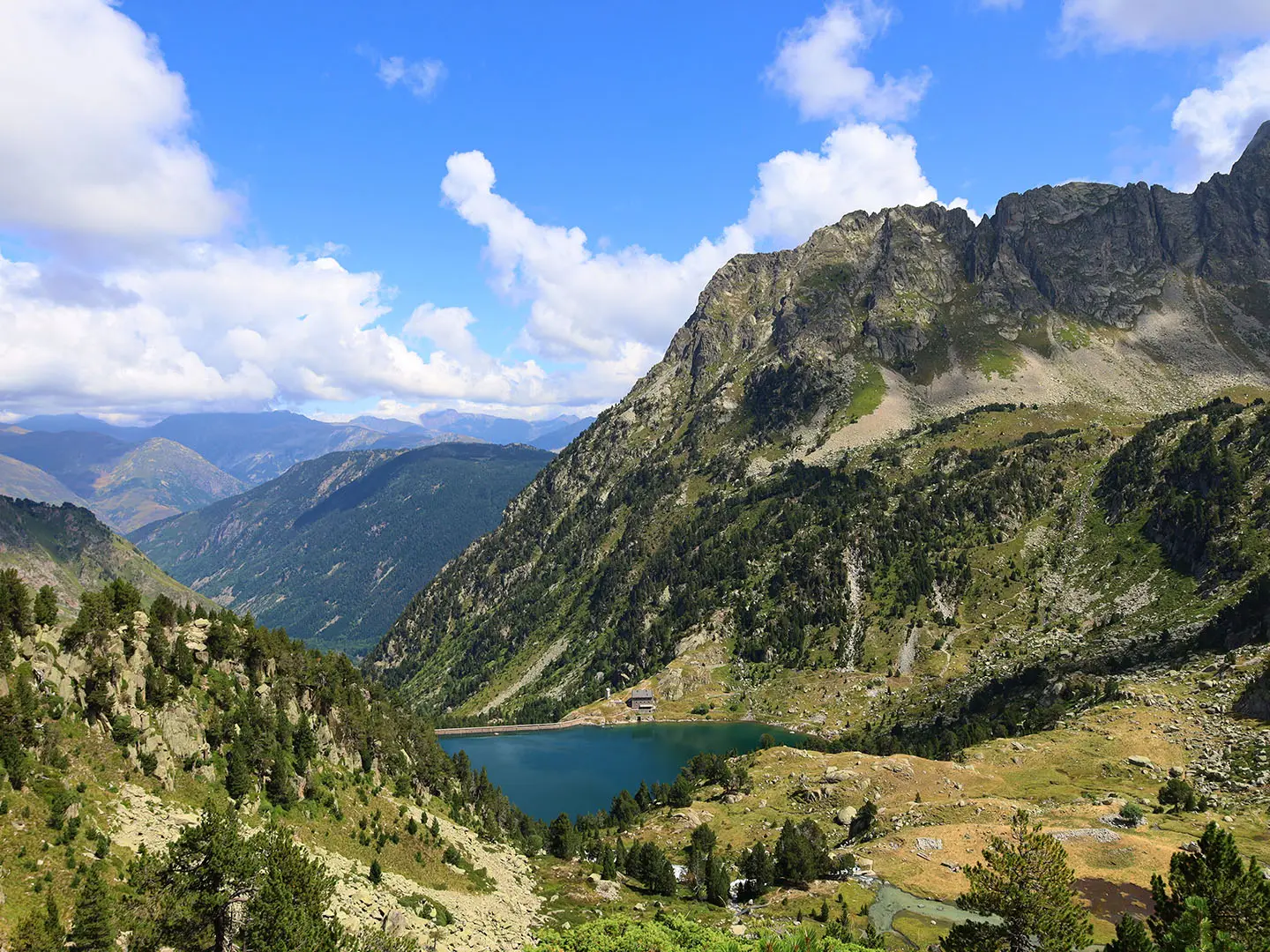
- Aigüestortes i Estany de Sant Maurici National Park: Renowned for its crystal-clear lakes, lush pine forests, and jagged mountain landscapes, this park is a paradise for nature lovers and photographers.
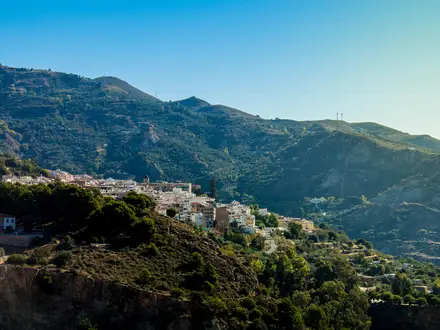
- Traditional Pyrenean Villages: Scattered throughout the route, villages like Sallent de Gállego and Torla offer charming stone architecture, local hospitality, and the chance to experience regional cuisine.
- High Mountain Passes: The GR11 takes you over numerous spectacular passes such as Collada de Anzotiello and Collado Vallibierna, each offering panoramic vistas across the mountain range.
- Cap de Creus (Mediterranean Coast): The journey concludes at Spain’s easternmost point, where dramatic rocky headlands meet the shimmering blue of the Mediterranean—an iconic finish to this unforgettable adventure.
Challenges to expect
The GR11 is renowned for its challenging terrain and demanding elevation changes, with hikers often ascending and descending steep mountain passes in rapid succession. Some sections, particularly in the central Pyrenees, involve rugged, rocky trails and require careful footing, while snowfields can linger well into summer on higher-altitude segments. River crossings after rain or in early summer can also be hazardous, requiring extra caution and sometimes detours.
Weather in the Pyrenees can be highly unpredictable, even during the optimal hiking seasons of summer and autumn. Sudden storms, intense sun, or rapid drops in temperature are common, especially at higher elevations. Carrying appropriate gear, including waterproof clothing and warm layers, is essential. In exposed areas, wind and fog can impair visibility, increasing the risk of losing the trail.
Navigation can be a significant challenge on some portions of the GR11, as trail markings may be sparse or faded, particularly in remote sections or during unfavorable weather. Having up-to-date maps, GPS devices, or mobile applications with offline capabilities is highly recommended to avoid getting lost. The sheer distance and remoteness mean that self-sufficiency, physical fitness, and preparedness are vital for a safe and successful trek.
- Mountainous
- Forest
- Dirt
- Rocky
- Snow
- Hotels
- Huts
- Campsites
- Hostels
- Wild camping spots
- Pet Friendly
- Water Sources
- Campsites
- Shelters
The journey commences from Hendaye on the Atlantic coast, following country roads and footpaths through green Basque hills. The route ascends gently away from the coastline with ocean views before reaching the picturesque village of Biriatu.
From Biriatu, the trail climbs steadily through lush meadows and woodland, crossing into Navarre and winding through hamlets before descending toward the lively town of Elizondo in the Baztan Valley.
This section travels along rolling countryside, interspersed with rural farmsteads, before reaching the scenic town of Urdazubi/Urdax. Expect pastoral landscapes and peaceful wooded areas.
Crossing tranquil mountainsides and valleys, hikers navigate woodland paths and traverse historical sites, including remnants of monasteries and ancient forges on the way to Orbaitzeta.
The trail ventures deeper into Navarre’s highlands, crossing the Irati Forest. You’ll encounter dense beech woods, river valleys, and the peaceful, traditional stone hamlet of Ochagavía.
A mountainous section, ascending through forest to the high meadows of the Pyrenees, with outstanding views before a descent to Isaba, a vibrant mountain village with Pyrenean character.
Today features a challenging ascent into higher, open mountain terrain, followed by a scenic ridge walk. You eventually descend into the forested Zuriza valley, a popular area for hikers and campers.
Leaving Zuriza, you cross rolling highlands and descend through pine forests and pastures. The day ends at the Gabardito mountain hut, offering shelter with spectacular Pyrenean views.
A demanding stage through remote pine forests, crossing high passes with rewarding views of jagged peaks. The descent leads to the historic railway town of Canfranc.
Departing Canfranc, the GR11 heads east through alpine valleys and over strenuous passes before reaching the picturesque resort village of Sallent de Gállego, framed by soaring peaks.
A scenic ascent leads over high cols with panoramic mountain views. The path descends along rocky trails to reach Baños de Panticosa, a historic spa spot surrounded by peaks.
This classic stage features an ascent into the wild, rocky heart of the central Pyrenees before a descent into the scenic Bujaruelo valley, close to the entrance of Ordesa National Park.
Crossing into Ordesa and Monte Perdido National Park, you traverse dramatic gorge landscapes and pass through pristine forests before entering the mountain village of Torla-Ordesa.
Leaving Torla-Ordesa, this section heads south and then east, traversing high pastures and forested ridges before arriving at the mountain village of Fanlo.
A remote, wild stage crossing the highlands toward the famed Góriz Refuge. Panoramic views are guaranteed along this segment, which may still hold snow into summer.
The route drops steeply from the high Góriz plateau into the lush Pineta valley, traveling beneath sheer cliffs and alongside powerful waterfalls.
Today's hike involves long, gradual climbs through pine forests and open hillsides, followed by mountain tracks to the hamlet of Parzán.
Ascending from Parzán, you traverse high, open landscapes, passing glacial tarns and meadows before descending to the tranquil Biadós valley, surrounded by towering peaks.
A classic Pyrenean traverse, this day includes multiple high passes and expansive alpine views, ending in Benasque—a lively town and base for summiting Aneto.
The route takes you through beautiful upland meadows, traversing river valleys and remote passes en route to the historic Hospital de Vielha refuge.
After crossing the renowned Vielha tunnel region, descend into the Aran Valley toward Salardú, passing through scenic, forested terrain with Pyrenean charm.
A day in the stunning Aigüestortes i Estany de Sant Maurici National Park, winding past beautiful mountain lakes en route to the well-situated Refugi de Colomèrs.
The route continues through lake-filled basins and alpine meadows, eventually dropping into the charming village of Espot, gateway to the national park.
A long ascent through lush valleys and remote terrain, this day culminates at Estany de Certascan, a large glacial lake surrounded by high summits.
Traversing rugged and wild country, you will cross mountain passes and forested slopes before descending to the welcoming village of Tavascan.
Following quiet mountain paths, the route ascends through steep-sided valleys then crosses high ridges before descending into the tranquil village of Àreu.
Begin with an ascent high into the Vallferrera valley, traversing pine forests and mountain streams to reach Refugi de Vallferrera, nestled beneath lofty summits.
Leaving the high mountain refuge, the trail descends through forests and pastures, eventually reaching the village of Alins nestled in the valley.
A gentler day with rolling terrain, meandering through the Pyrenean foothills between Alins and a return to Àreu for a restful night.
Travel through open terrain and scattered hamlets, ascending gradually toward Norís. Enjoy extensive valley panoramas and peaceful rural countryside.
Follow faint trails and quiet paths through a remote corner of the Pyrenees. Tor, a nearly abandoned village with a dramatic backdrop, marks today's journey’s end.
A challenging stage, climbing once again toward high-altitude lakes and valleys, culminating at the mountain refuge of Certascan.
Cross spectacular and solitary Pyrenean landscapes, traversing high passes before a descent into the valley town of Esterri de Cardós.
Enjoy a day of mixed mountain walking: forested slopes, river valleys, and quiet country tracks as you make the return journey to Tavascan.
From Tavascan, ascend scenic trails through tranquil valleys and pine woods before dropping again into mountainous terrain en route to Estaon.
A relatively short day, passing abandoned hamlets and gentle ridges, leading to the small settlement of Jou. Wild camping options abound along this peaceful section.
This stage traverses remote, forested country and climbs steadily to Pla de la Font refuge, set in open alpine terrain with superb mountain vistas.
A varied day descending from high pastures into the popular Pyrenean village of Espot, fringed by the lakes and forests of the national park.
Follow trails through Aigüestortes National Park, passing cascading streams and famed Estany de Sant Maurici lake, surrounded by dramatic pinnacles.
A return loop through national park landscapes, including pine forests and rock outcrops, before descending to Espot—a good resupply point.
Climb again through wild valleys, reaching the beautifully-sited Restanca mountain refuge. Expansive views and glacial tarns characterize the high country here.
Descending through a series of high-altitude valleys and forested slopes, you return to the lively medieval town of Salardú, surrounded by Pyrenean peaks.
Heading east, traverse forest paths and follow the Noguera Pallaresa River to the atmospheric Montgarri refuge, a historic site in a beautiful alpine setting.
Begin the final leg: descend steadily towards the Mediterranean landscapes, passing olive groves, rocky headlands, and quaint villages before arriving at Cadaqués, marking the culmination of an extraordinary traverse.
A short and memorable final stage along the windswept coastline to Cap de Creus, Spain’s easternmost point, where the Pyrenees meet the Mediterranean Sea—a place for reflection and celebration.