Hornstrandir Trek

Image by Kristyna

Hornstrandir Trek Iceland: Ultimate Guide to the Remote Wilderness Hiking Adventure

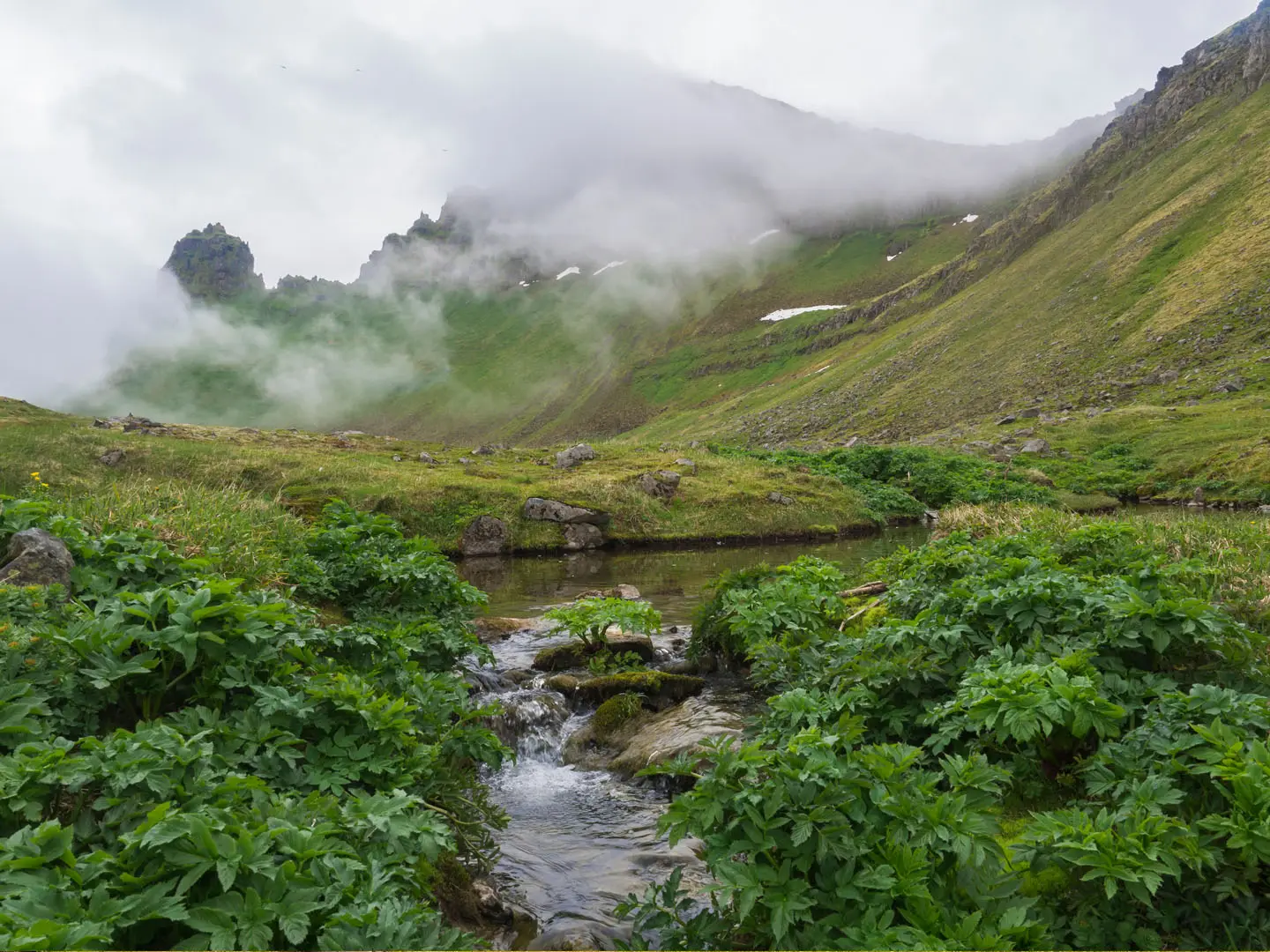
Embark on an unforgettable journey through the pristine wilderness of Iceland’s Hornstrandir Nature Reserve, where dramatic cliffs plunge into the icy North Atlantic, wildflower meadows stretch beneath endless skies, and arctic foxes roam freely. The Hornstrandir Trek is a remote adventure into one of Europe’s last true wildernesses, offering hikers the rare opportunity to disconnect and immerse themselves in untouched landscapes shaped by glaciers, ocean, and wind.

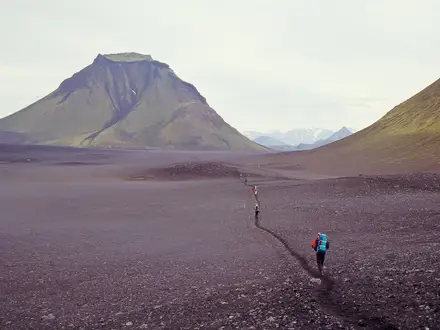
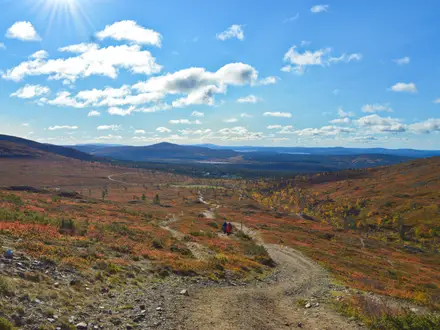
Trekking across rugged coastlines, over mossy hills, and through river valleys teeming with birdlife, you’ll encounter breathtaking vistas at every turn. With no roads or permanent settlements, the trek promises pure solitude and raw natural beauty, making it a paradise for experienced hikers seeking solitude, challenge, and reward in Iceland’s far northwest.

Route Overview

The Hornstrandir Trek generally begins at Hesteyri, reached by boat from Ísafjörður, and finishes at Látravík or Hlöðuvík on the eastern or northern coast, with possible alternative exits such as Veiðileysufjörður or Fljótavík based on route and weather. The route typically covers approximately 55 kilometers and takes about 5 days to complete, though duration can vary depending on hiking pace, chosen variation, and weather conditions.

Major waypoints include Adalvik Bay, Hornvík Bay (the heart of the trek), Hornbjarg Cliffs, Kjaransvík Valley, Fljótavík Lagoon, and finally the Lonafjörður fjord area. Campsites and rustic huts are found at key locations, but these must be reserved well in advance or be prepared for wild camping. Trail conditions range from well-trodden coastal paths to unmarked, marshy tundra, snowfields, river crossings, and rocky ascents. Most of the terrain is remote and challenging, requiring reliable navigation skills and physical fitness.

Access to the area is limited to boat transfers, and schedules can be impacted by weather. There are no resupply points along the trail; all food and gear must be carried from the start. Water sources are generally abundant, but all hikers should remain self-reliant and carry a map, compass, and GPS for navigation.

Historical Context of Hornstrandir Nature Reserve

The Hornstrandir region has a rich and fascinating history, shaped by isolation, resilience, and nature’s formidable presence. For centuries, small communities survived on subsistence farming, fishing, and gathering seabird eggs from the dramatic cliffs. The harsh environment and challenging access meant life here was closely intertwined with the cycles of the land and sea, fostering a culture of ingenuity and strong bonds within close-knit villages like Hesteyri and Látrar.

In the mid-20th century, the region underwent a dramatic shift. As economic opportunities declined and modern conveniences became more accessible elsewhere in Iceland, the population gradually abandoned Hornstrandir. By the 1950s, the area was depopulated, leaving behind ghost settlements, remnants of turf houses, and old trails that today form the backbone of trekking routes through the reserve.

In 1975, Hornstrandir was designated a nature reserve, preserving its unique wildlife—most notably the native arctic fox—and Celtic-inspired culture. While the area is no longer inhabited year-round, seasonal cabins and restored buildings now accommodate hikers and nature enthusiasts, ensuring that Hornstrandir's poignant history remains an integral part of every trekker’s journey.

Notable highlights

  • Hesteyri: Once the largest settlement in Hornstrandir, Hesteyri is now a tranquil starting point for many treks. It features restored turf houses and the remnants of a whaling station, set amid peaceful meadows, with regular sightings of arctic foxes and a backdrop of dramatic mountains.

  • Hornvík Bay: One of the most breathtaking sights in Iceland, Hornvík is famed for its sweeping beach, turquoise waters, and 500-meter-high bird cliffs teeming with puffins, guillemots, and kittiwakes. This remote bay is often the highlight of the trek and a prime location for wildlife viewing and photography.

  • Hornbjarg Cliffs: Towering above the North Atlantic, these iconic cliffs are among Iceland’s highest and most impressive sea cliffs. Popular with both hikers and birdwatchers, the area offers stunning panoramic views and a profound sense of exposure to untouched nature.

  • Adalvik Bay: This historic bay is dotted with the remains of abandoned farms and a small old church. Sheltered by surrounding peaks, Adalvik provides a serene stopover and offers insight into the region’s past human habitation.

  • Fljótavík Lagoon: Known for its tranquil beauty, Fljótavík features a large freshwater lagoon separated from the ocean by sandbanks. Its lush meadows, quiet beaches, and distant mountain vistas make it a peaceful camping spot and an excellent site for enjoying the area’s solitude.

  • Kjaransvík Valley: A lush, green valley carved by rivers, Kjaransvík is a welcome sight after more rugged crossings. It is known for its wildflowers in summer and frequent encounters with curious arctic foxes.

  • Lonafjörður: This serene fjord marks the southern end of many Hornstrandir routes and is surrounded by steep hills and wild heathlands. It offers peaceful campsites and a fitting end point to the trek, with easy access to boat pick-up services.

Challenges to expect

Hiking the Hornstrandir Trek is as rewarding as it is demanding, with some of Iceland’s most unpredictable and notorious weather conditions. Even during the height of summer, trekkers can face thick fog, heavy rain, gale-force winds, and sudden drops in temperature. Hypothermia is a real risk for those not adequately prepared, so packing proper waterproof gear and warm layers is critical.

The terrain itself adds to the challenge. Trails are often unmarked and can become faint or disappear entirely in marshy valleys, over rocky ridges, and across river crossings that swell rapidly after rainfall or snowmelt. Navigation skills are essential, as GPS and mobile signal coverage are inconsistent or non-existent in many areas. Expect to cross rugged ground, snow patches, slippery rocks, and occasional steep ascents and descents that require careful footing.

Isolation is another factor to consider. There are no shops, emergency services, or consistent infrastructure along the route, meaning hikers must be self-sufficient with food, shelter, and emergency supplies. Communication with the outside world is extremely limited, so it’s strongly advised to register your trek with Icelandic Search and Rescue and travel with companions if possible.

Country
Trail type
Point to point
Terrain & Landscape
  • Mountainous
  • Coastal
  • Arctic
Trail surface
  • Dirt
  • Rocky
  • Snow
Difficulty rating
Hard
Elevation gain/loss
1500 metres
Highest point altitude
600 metres
Distance
55 kilometres
Duration
5 days
Permits & Fees
No permits or fees
Accommodation
  • Huts
  • Campsites
  • Wild camping spots
Average daytime temperature
10°C
Chance of rainfall
High
Estimated cost
$$$
Optimal hiking season
Summer
June to August
Accessibility
  • Pet Friendly
Facilities
  • Water Sources
  • Campsites
  • Shelters
Day 1
Hesteyri to Hlöðuvík
Approx. 14km

The trek begins at Hesteyri, a former village now known for its restored buildings and remote setting. After departing by boat from Ísafjörður, hikers follow a marked trail east and then north, climbing gradually over low mountain passes. The route traverses mossy valleys, small rivers, and eventually winds along the coast to Hlöðuvík, a scenic bay surrounded by steep green hills. This section generally involves gentle ascents, several boggy sections, and stunning coastal views along the way.

Day 2
Hlöðuvík to Hornvík
Approx. 11km

Departing Hlöðuvík, the route ascends steep slopes and crosses a high pass, which can retain snow even in summer. Descending into the expansive Hornvík Bay reveals cliffs, wild beaches, and panoramic views. This leg is known for its birdlife and striking views of Hornbjarg cliffs. The section often includes river crossings and a mix of rocky and grassy terrain. Hornvík is one of the best spots for camping or staying overnight in a hut.

Day 3
Hornvík Exploration (Hornbjarg Loop)
Approx. 8km

Day 3 is typically spent exploring the area around Hornvík, with an out-and-back or loop hike to the top of the Hornbjarg cliffs. This dramatic section is a highlight, featuring steep ascents to one of Iceland’s tallest sea cliffs, excellent birdwatching, and unforgettable views over the North Atlantic. Expect rugged cliffs, grassy ridges, and some exposed trail sections. Return to Hornvík for the night.

Day 4
Hornvík to Fljótavík
Approx. 12km

The stage from Hornvík to Fljótavík begins with a beach walk before ascending another mountain pass. The path traverses wild tundra, skirting glacial streams and small lakes before dropping into the tranquil Fljótavík lagoon area. This section is remote, with fewer established paths and a higher chance of encountering snowfields or wet bogs. Camping is possible on Fljótavík’s meadows, surrounded by mountains and silence.

Day 5
Fljótavík to Látravík / Veiðileysufjörður
Approx. 10km

The final day traverses low ridges and valleys along the coastline or cuts directly to Veiðileysufjörður for boat pick-up, depending on your chosen exit. The route is mostly easy, following grassy tracks and crossing streams, with occasional boggy ground. The trek concludes in the fjord of choice, where you’ll await your transfer back to Ísafjörður. Views along the water and final glimpses of the wild Hornstrandir landscape mark the end of this unique journey.