Creux du Van Circular Trail
How would you rate Creux du Van Circular Trail?
Tap a star to share your experience and help other hikers.
Creux du Van Circular Trail: Jura Cliff-Rim Day Hike
HikeList Score
Creux du Van Circular Trail scored 77/100 on HikeList's trail-quality metrics.
See score breakdownHide breakdown
- Ideal length 55
- Balanced challenge 100
- Scenery & wildness 88
- Varied terrain 94
- Accommodation 49
- Food & support 65
- Path quality 98
- Season flexibility 89
Computed from length, challenge, scenery & wildness, terrain variety, accommodation, food & support, path quality and season flexibility.
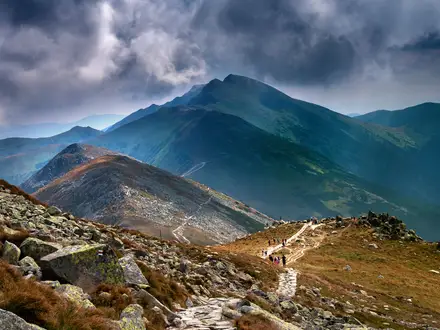
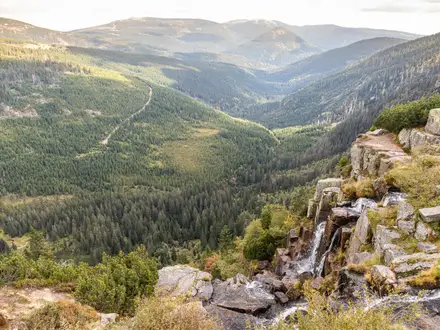
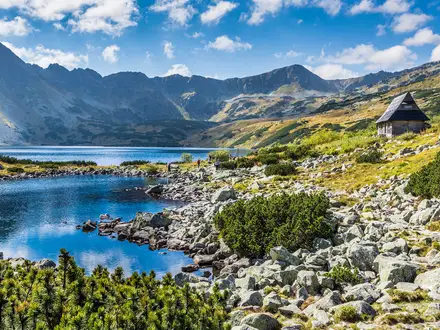
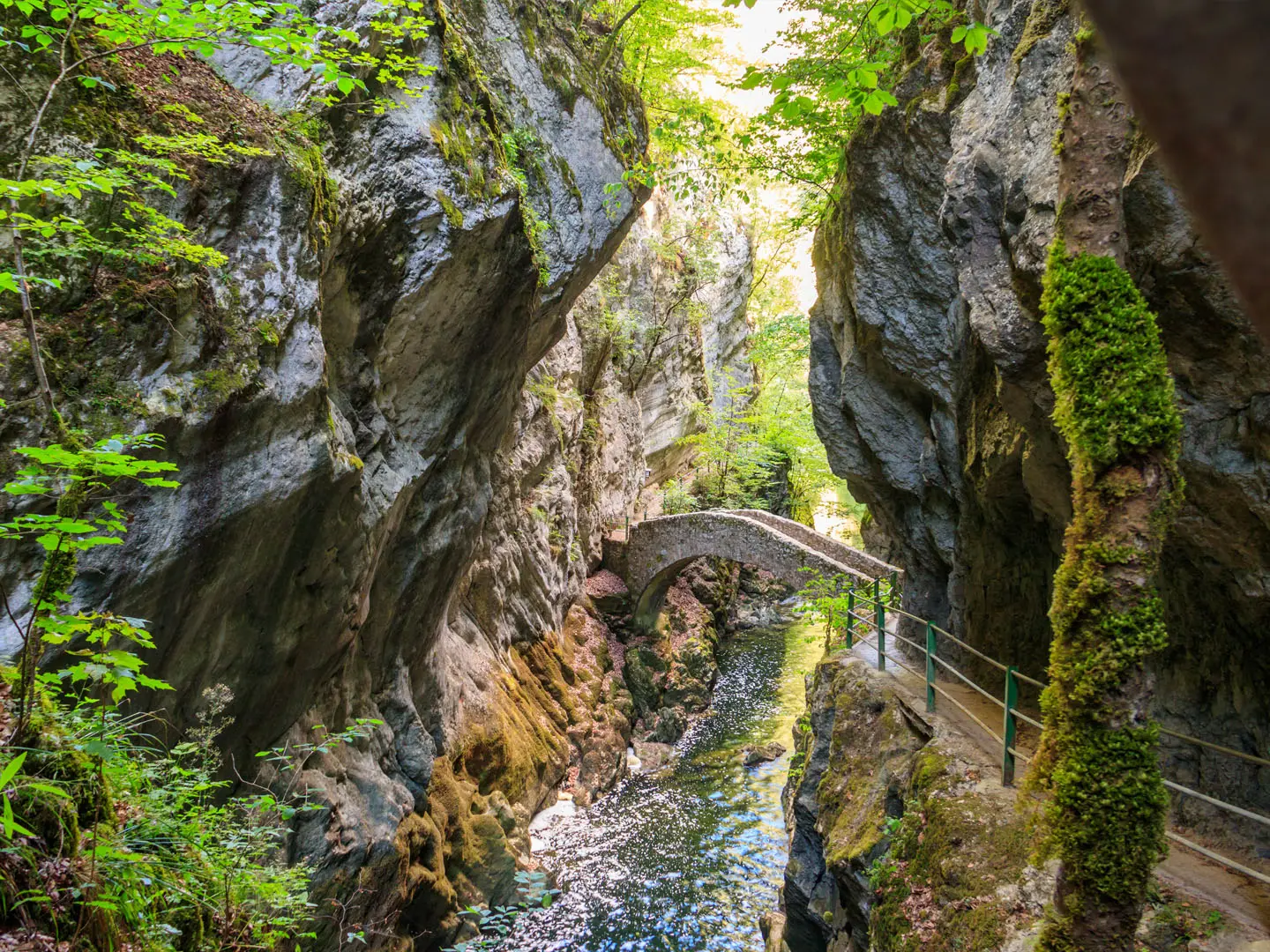
The Creux du Van Circular Trail is a 14 km, one-day loop from Noiraigue in the Val de Travers, canton of Neuchatel, Switzerland. It circles the Creux du Van, a limestone rock amphitheatre in the Jura on the north side of Le Soliat, using the waymarked SwitzerlandMobility route no. 5 / Switzerland Tourism route 286. With about 780 m ascent, natural paths and a steep switchback section, it is a moderate day hike for fit walkers who want big cliff-edge views without an overnight.
Route Overview
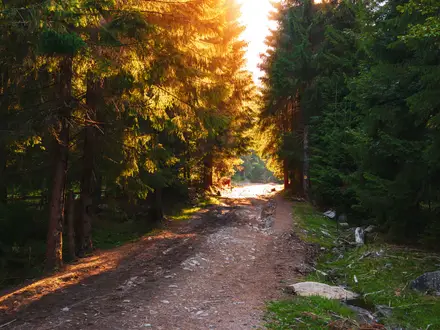
The loop starts and finishes at Noiraigue railway station, making it straightforward by public transport. The classic anticlockwise route climbs via Ferme Robert and Pre au Favre to the rim of the Creux du Van and Le Soliat, then continues by Fontaine Froide before descending the Sentier des Quatorze Contours back towards Noiraigue. It can also be walked clockwise. Expect forest tracks, Jura pasture, rocky/stony sections and an exposed rim protected in places by a low stone wall. For a shorter related option see Creux du Van to Noiraigue; for another Jura ridge outing compare the Chasseral Ridge Walk.
Geology and Nature Reserve History
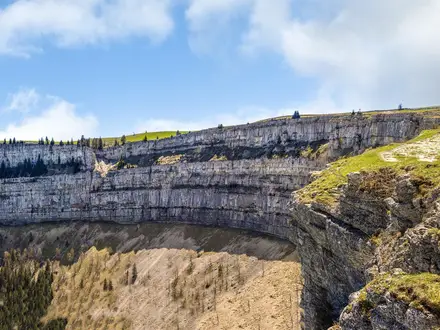
The Creux du Van is a horseshoe-shaped limestone cirque about 1.4 km wide, with vertical cliffs roughly 150–160 m high and a basin around 200 m deep. Its form is linked to long-term erosion by water, ice and freeze-thaw action, including glacial activity cited around 18,000 years ago. The area is now a protected nature reserve, created in 1976. Alpine ibex were reintroduced from 1965, and the reserve also supports chamois, marmots, Eurasian lynx and capercaillie.
Notable highlights
The Creux du Van amphitheatre (1.4 km-wide limestone cirque): The cliff-rim walk above the horseshoe-shaped amphitheatre is the main reason to do the loop. Keep behind the stone wall and avoid the edge in poor visibility.
Le Soliat viewpoint (1,463 m): The high point of the route sits on the plateau above the cirque, with views over the Val de Travers, the Swiss Plateau and, on clear days, the Alps including Mont Blanc.
Alpine ibex and chamois (nature reserve wildlife): Ibex were reintroduced here from 1965 and are often seen grazing around the high pastures. Chamois, marmots and Eurasian lynx also live in the wider reserve.
Sentier des Quatorze Contours (14 switchbacks): This steep wooded path is the loop’s signature climb or descent. It is non-technical but tiring, and can be slippery when wet.
Fontaine Froide (cold spring): This spring near the base of the amphitheatre stays at about 4°C year-round, making it a traditional refreshment point on the route.
Ferme Robert (historic farmhouse and buvette): A long-standing waypoint below the cliffs, now serving as a buvette/restaurant and useful rest stop on the Noiraigue loop.
Challenges to expect
The walk is moderate rather than technical, but the 780 m ascent makes it a demanding day. The Quatorze Contours section is steep and can be slippery in rain, while the cliff-top rim needs care in wind, mist or snow. Upper sections may hold snow and ice outside the main May–October season. Navigation is helped by Swiss yellow waymarking, but reserve rules apply: stay on paths, no camping, dogs on a lead.
HikeList Score
Creux du Van Circular Trail scored 77/100 on HikeList's trail-quality metrics.
See score breakdownHide breakdown
- Ideal length 55
- Balanced challenge 100
- Scenery & wildness 88
- Varied terrain 94
- Accommodation 49
- Food & support 65
- Path quality 98
- Season flexibility 89
Computed from length, challenge, scenery & wildness, terrain variety, accommodation, food & support, path quality and season flexibility.
 Switzerland
Show more data Show less
- Mountain
- Forest
- Cliffs
- Meadow
- Dirt
- Rock
- Gravel
- None Daytrip
- Family Friendly
- Pet Friendly
- Restrooms
- Water Sources
- Picnic Areas
In these collections
Photos from hikers
Taken on the trail by people who've reviewed Creux du Van Circular Trail.
Reviews
How would you rate Creux du Van Circular Trail?
Tap a star to start your review — you could be the first.