World Heritage Trail Wachau

Image by visualpower

World Heritage Trail Wachau: Complete Guide to Austria’s Scenic Hiking Route

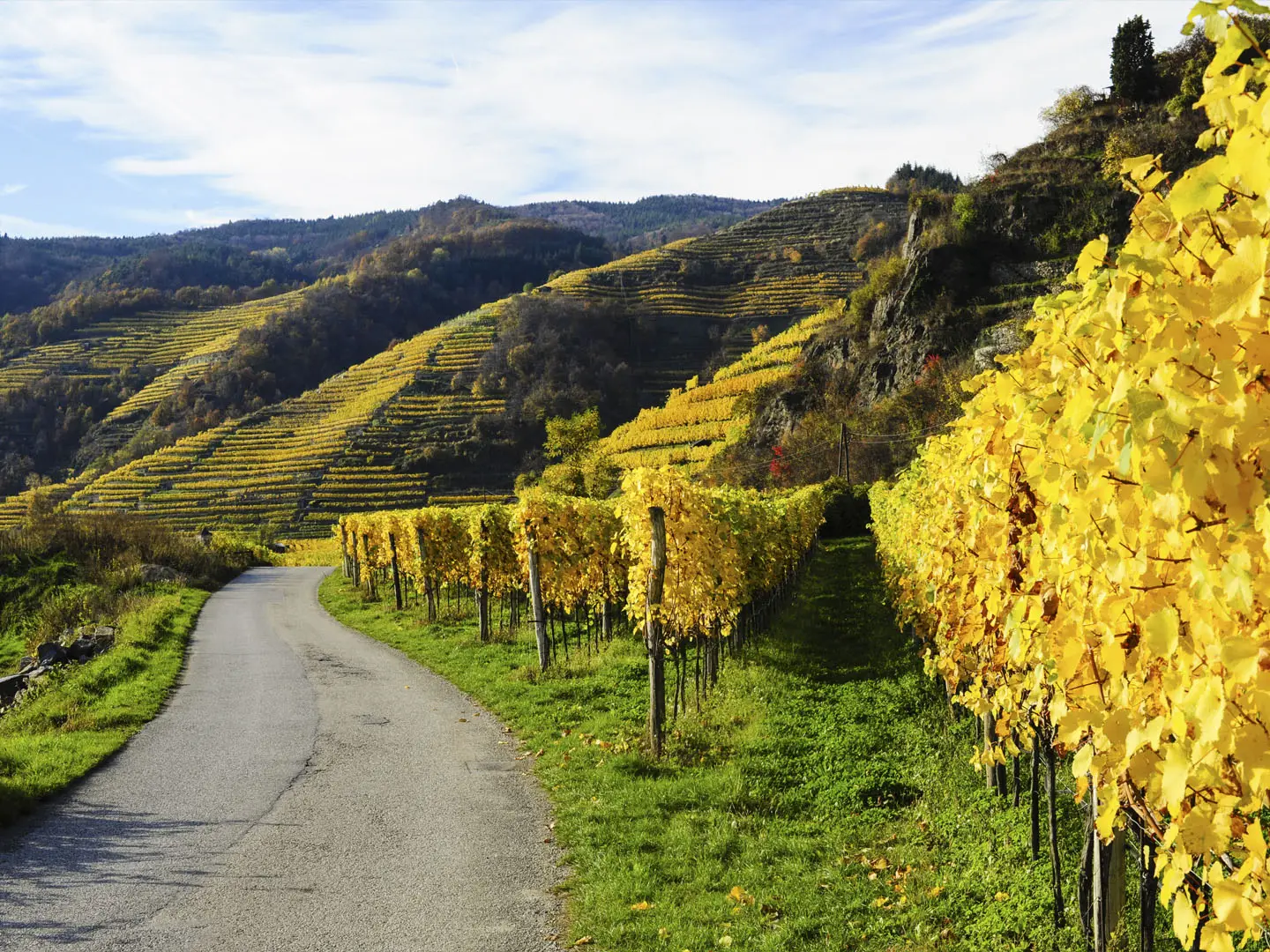
Immerse yourself in the enchanting beauty of Austria’s Wachau Valley as you traverse the World Heritage Trail Wachau, a route celebrated for its sweeping Danube vistas, picturesque vineyard terraces, and centuries-old villages. The trail winds through a landscape where medieval castles stand watch over hillside orchards and the meandering river glitters in the sun, offering a captivating blend of natural wonders and rich cultural heritage.

Whether exploring under the soft blush of spring blossoms or amid the golden hues of autumn vineyards, hikers are treated to an ever-changing tapestry of color and texture. Vine-clad slopes, ancient abbeys, and vibrant market towns invite you to linger, savoring both the region’s spectacular viewpoints and its renowned hospitality.

Route Overview

The World Heritage Trail Wachau is a point-to-point route stretching approximately 180 kilometers from Krems an der Donau to Melk, or vice versa, following the north and south banks of the Danube River. The trail is traditionally divided into 14 well-marked stages, though most hikers complete it in about 8 days. Key towns and villages traversed along the way include Krems, Dürnstein, Weißenkirchen, Spitz, Aggsbach, and Melk, with optional detours to scenic viewpoints, monasteries, and castles.

Trail conditions vary from paved paths and gravel roads in towns to dirt tracks and rocky sections as you move through forests, vineyards, and hillsides. Elevation changes are frequent but generally manageable, with the highest point reaching around 960 meters above sea level. Most stages are equipped with rest areas and water sources, and local transportation options along the river can be used to shorten or adapt certain sections if needed. The route is suitable for hikers with moderate experience and can be hiked in either direction, with reliable signage found throughout the region.

Tracing the Rich History of the Wachau Valley

The Wachau Valley is steeped in history, its landscape shaped by centuries of human settlement and cultural development. Archaeological discoveries, such as the famous Venus of Willendorf figurine—estimated to be over 25,000 years old—attest to the region’s significance since prehistoric times. The strategic location along the Danube made the Wachau a critical corridor for trade, travel, and defense throughout the ages, resulting in the construction of numerous castles, fortresses, and monasteries that now dot the hillsides.

The medieval period left a particularly strong imprint on the Wachau, with towns like Dürnstein and Melk playing prominent roles. Dürnstein Castle gained international fame as the prison of King Richard the Lionheart of England, whose capture here became a legendary episode in European history. Meanwhile, Melk Abbey emerged as a powerful center of religion and learning, its Baroque splendor drawing visitors from around the world. The valley’s terraced vineyards, a testament to monastic and local viticulture traditions, have been meticulously cultivated for centuries, shaping both the landscape and the economy.

Today, the Wachau’s intertwined natural and cultural heritage is recognized by its inscription as a UNESCO World Heritage Site. Walking the World Heritage Trail Wachau allows hikers to trace the footsteps of emperors, monks, traders, and winemakers, experiencing firsthand the historical richness that makes this region an enduring symbol of Austria’s past.

Notable highlights

  • Melk Abbey: A majestic Benedictine monastery perched atop a rocky bluff, Melk Abbey is renowned for its stunning Baroque architecture, expansive library, and panoramic views of the Danube and Wachau Valley.

  • Dürnstein Castle Ruins: Overlooking the river and the medieval town below, the romantic ruins of Dürnstein Castle are famous as the place where Richard the Lionheart was imprisoned. The climb offers sweeping vistas of vineyards and picturesque rooftops.

  • Spitz an der Donau: This charming riverside village is at the heart of wine country, with steep terraced vineyards, historic wine cellars, and traditional heurigen (wine taverns) that invite hikers to sample local vintages.

  • Krems an der Donau: One of Austria's oldest cities, Krems boasts a well-preserved historic center filled with narrow cobblestone streets, Gothic churches, and vibrant marketplaces, offering a glimpse into the region’s rich past.

  • Wachau Vineyards: The trail frequently meanders through world-famous vineyards recognized for their exquisite Rieslings and Grüner Veltliners, providing ample opportunities for wine tastings and scenic breaks.

  • Aggstein Castle: Dramatically situated atop a rugged cliff, Aggstein Castle is both a historical fortress and a viewpoint, with panoramic scenes of the valley and fascinating exhibitions on medieval life.

  • Willendorf in der Wachau: Known for the archaeological discovery of the Venus of Willendorf, this tiny village offers a small museum and an insight into human history dating back over 25,000 years.

  • Rossatz-Arnsdorf Ferry Crossing: Experience a traditional Danube river crossing via ferry, connecting the town of Rossatz with Dürnstein, and providing delightful river views and a sense of adventure.

  • Göttweig Abbey: Another UNESCO-listed landmark, this hilltop abbey features magnificent architecture, beautiful gardens, and panoramic outlooks across the valley, making it a rewarding detour for hikers.

Challenges to expect

While the World Heritage Trail Wachau is generally rated as moderate, hikers should be prepared for several steep ascents and descents, especially when navigating the hilly vineyard terraces and climbing up to castle ruins such as Dürnstein and Aggstein. Some sections involve rocky, uneven surfaces that may become slippery after rain, so sturdy footwear with good grip is essential.

Weather conditions can also pose challenges. The Wachau Valley is prone to sudden rain showers, particularly during spring and early autumn, which can make trails muddy and increase the risk of slips. Summer brings warmer temperatures, but limited shade points in certain vineyard stretches may result in strong sun exposure—hikers are advised to carry adequate water, sun protection, and hats.

Navigation through forested and rural segments of the trail can be tricky due to occasional overgrown paths or limited waymarkings. Although most key areas are signposted, carrying a detailed map or reliable GPS device is recommended, especially for less travelled sections.

Finally, the overall distance of the World Heritage Trail Wachau demands good physical stamina and multi-day planning. Accommodation needs to be booked in advance during peak seasons, and some small villages may have limited services or supplies, requiring careful logistical preparation.

Country
Trail type
Point to point
Terrain & Landscape
  • Mountainous
  • Forest
Trail surface
  • Dirt
  • Gravel
  • Rocky
  • Paved
Difficulty rating
Moderate
Elevation gain/loss
4500 metres
Highest point altitude
960 metres
Distance
180 kilometres
Duration
8 days
Permits & Fees
No permits or fees
Accommodation
  • Hotels
  • Lodges
  • Hostels
  • Campsites
Average daytime temperature
18°C
Chance of rainfall
Medium
Estimated cost
$$
Optimal hiking season
Spring
March to May
Summer
June to August
Autumn
September to November
Accessibility
  • Family Friendly
  • Pet Friendly
Facilities
  • Restrooms
  • Water Sources
  • Campsites
  • Picnic Areas
Day 1
Krems an der Donau to Dürnstein
Approx. 13km

Begin your journey in Krems an der Donau, a historic gateway to the Wachau region. The route leads along the northern bank of the Danube, passing through cobblestone streets, orchards, and verdant vineyards. After traversing the small town of Stein, ascend gently into the hills above the river for expansive valley vistas. Descend into the medieval town of Dürnstein, famous for its blue church tower and castle ruins. The day offers a mix of paved and dirt paths with moderate elevation gain.

Day 2
Dürnstein to Weißenkirchen
Approx. 11km

Depart Dürnstein by heading through terraced vineyards and rural hamlets. The trail climbs above the river, offering panoramic views over the Wachau Valley and the Danube. Pass through the winemaking villages of Oberloiben and Unterloiben before reaching Weißenkirchen, a picturesque riverside community with a fortified church and charming old town. Expect a combination of dirt, gravel, and some paved sections, with rolling hills throughout.

Day 3
Weißenkirchen to Spitz an der Donau
Approx. 12km

Today’s route follows the meandering northern bank, leading through famed vineyard terraces and the tiny village of Joching. The scenery is marked by gentle hills, cultivated fields, and occasional forested sections. Arrive in Spitz an der Donau, a traditional wine town nestled at the foot of Tausendeimerberg hill. Trail conditions are easy to moderate with minimal steep climbs, and opportunities for wine tasting abound en route.

Day 4
Spitz an der Donau to Mühldorf
Approx. 14km

Continue from Spitz along riverside tracks and forested hills, passing through charming small settlements like Gut am Steg. The path rises into the Dunkelsteinerwald (Dark Stone Forest) before descending to the quaint village of Mühldorf. This leg features a mix of dirt and gravel paths and is characterized by its lush forest segments and tranquil rural atmosphere.

Day 5
Mühldorf to Aggsbach Dorf
Approx. 16km

The route southwards from Mühldorf leads through rolling hills and stretches of forest, ascending towards the dramatic ruins of Aggstein Castle. After visiting the castle’s panoramic viewpoint, descend through wooded terrain to Aggsbach Dorf on the banks of the Danube. This section is a bit more demanding, with steep ascents and descents, primarily on dirt and rocky paths.

Day 6
Aggsbach Dorf to Emmersdorf
Approx. 22km

Hike along the southern banks of the river as the landscapes alternate between riverside meadows, forest lanes, and cultivated fields. The path leads through the peaceful Wachau villages of Willendorf, known for its prehistoric figurine, and Schönbühel, home to the scenic Schönbühel Castle. Approach Emmersdorf, a small town set across the Danube from the grand Melk Abbey. This leg is moderate, with some short climbs and easy walking segments.

Day 7
Emmersdorf to Melk
Approx. 7km

Cross the Danube and make your way towards the trail’s famed conclusion in Melk. While today’s section is shorter, it offers views over the river and the opportunity to explore the outskirts of Melk Abbey, a UNESCO-listed Baroque masterpiece. The approach to Melk is a leisurely stroll along paved and gravel paths, with plenty of time to explore the abbey and its beautiful gardens on arrival.

Day 8
Melk to Göttweig Abbey Extension
Approx. 15km

For hikers wishing to experience more of the Wachau’s spiritual and panoramic sites, an optional extension leads from Melk towards Göttweig Abbey. The route covers rural paths, vineyard slopes, and wooded hills, culminating at the abbey’s impressive hilltop location with sweeping views across the region. This section can also be used as a flexible buffer day for detours or rest. Trail surfaces are mixed and navigation is generally straightforward.