Eagle Walk (Adlerweg)
Eagle Walk (Adlerweg) Hiking Guide: Complete Trail Overview and Key Information
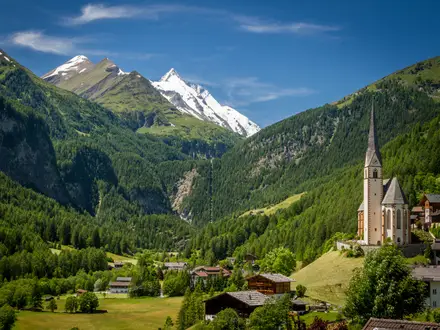
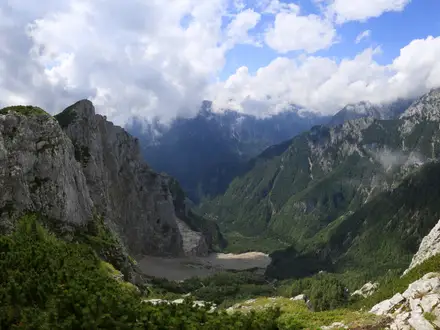
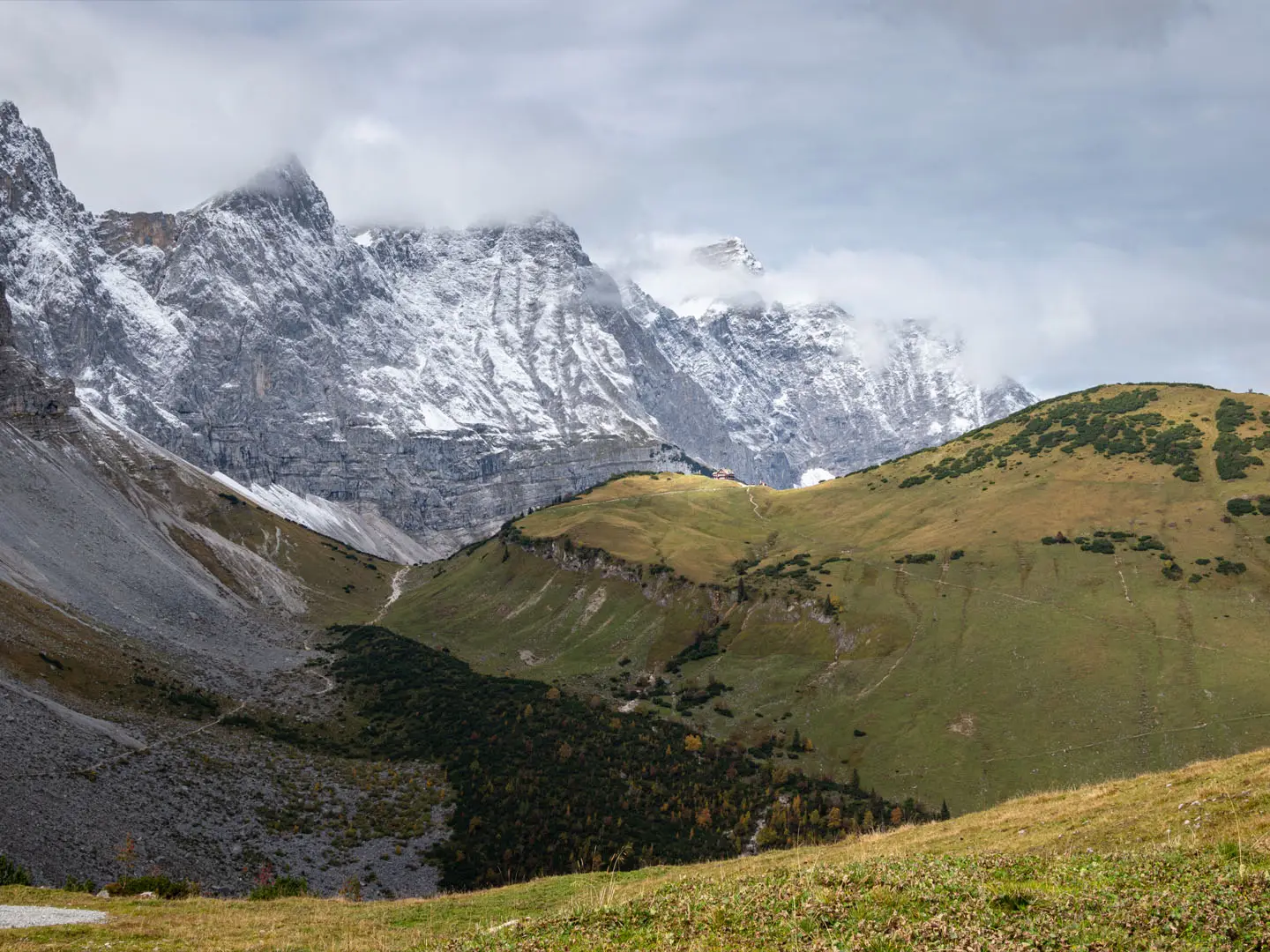
Embark on an unforgettable alpine adventure with the Eagle Walk (Adlerweg), one of Austria’s most celebrated long-distance hiking trails. Stretching across 413 kilometers of the dramatic Tyrolean Alps, the Eagle Walk winds through a breathtaking tapestry of towering peaks, lush alpine meadows, rugged ridgelines, and tranquil forested valleys. This trail is designed for those eager to experience the true essence of Austria’s mountainous heart, offering sky-high vistas and the serenity of unspoiled natural beauty.
As you traverse the Eagle Walk, you’ll discover quaint mountain villages, historic huts, and a diverse range of habitats teeming with alpine flora and fauna. Whether you’re seeking panoramic summits, the challenge of demanding ascents, or simply the peace of wild, open landscapes, this legendary path promises an exhilarating and deeply rewarding journey for every seasoned hiker.
Route Overview
The Eagle Walk (Adlerweg) is a point-to-point long-distance trail traversing the Austrian state of Tyrol, beginning in St. Johann in Tirol in the east and concluding in St. Christoph am Arlberg in the west. The full hiking route covers approximately 413 kilometers, typically divided into 24 daily stages. Along the way, the trail passes through several key regions and locations including the Wilder Kaiser mountains, Karwendel Nature Park, Rofan and Lechtal Alps, Achensee lake, and the Kaiser Mountains, as well as charming Tyrolean villages like Kufstein, Innsbruck, and Ehrwald.
The trail is consistently signposted with the Adlerweg marker, but hikers should be prepared for a mix of rocky, dirt, and gravel surfaces, with certain sections crossing high alpine terrain and exposed ridgelines. The overall elevation gain for the entire route is roughly 23,000 meters, requiring a good level of fitness and experience in mountain hiking. Some stages are remote and can take 8–10 hours to complete, with overnight accommodation available in mountain huts, hostels, and hotels along most segments. Supply points and village amenities are available at regular intervals, though careful planning is necessary for the more isolated mountain stretches. The recommended hiking season is summer through early autumn, when weather conditions are least severe and huts are fully operational.
History and Origins of the Eagle Walk (Adlerweg)
The Eagle Walk (Adlerweg) traces its roots to the early 2000s when it was officially established to promote Tyrol as a world-class hiking destination. Its name and route were inspired by the majestic golden eagle, a symbol of the region, with the trail’s layout resembling the silhouette of the bird as it soars above the Alps. The development of the Adlerweg brought together a network of ancient mule tracks, shepherd trails, and historic passes—many of which have been in use for centuries by locals, traders, and travelers navigating the mountainous Tyrolean landscape.
While the Eagle Walk itself is a modern creation, the history of the regions it traverses is deeply intertwined with Alpine culture and tradition. Along the way, hikers encounter historic mountain huts that have offered shelter to generations of mountaineers, villages with roots stretching back to the Middle Ages, and sites that have witnessed centuries of shifting borders and cultural exchange between Austria, Bavaria, and Italy. Remnants of historic trade routes, wartime paths, and pastoral routes still shape the trail experience today, offering a journey not only through nature but also through the rich tapestry of Tyrolean history.
Notable highlights
Karwendel Mountains – The trail passes through the spectacular Karwendel Nature Park, Austria’s largest nature reserve, renowned for its dramatic limestone peaks, pristine valleys, and abundant wildlife such as marmots, chamois, and golden eagles.
Rofan Range – Offering breathtaking ridge walks and panoramic views of the Zillertal Alps, the Rofan section is a favorite among hikers for its unique rock formations and the turquoise waters of Achensee, Tyrol’s largest alpine lake.
Achensee – Often dubbed the "Fjord of the Alps," this crystal-clear lake provides a scenic backdrop for part of the walk and opportunities to rest or enjoy water activities in the summer months.
Zugspitze Views – Certain stages offer vantage points with sweeping views of Zugspitze, Germany’s highest mountain, providing unforgettable photo opportunities and a sense of alpine grandeur.
Historic Mountain Huts – Throughout the route, hikers can stay at traditional alpine huts, some dating back over a century, known for their rustic charm, warm hospitality, and hearty Tyrolean food.
Kaiser Mountains – A highlight for mountaineers, this limestone massif is noted for its jagged peaks, challenging terrain, and protected status as a nature reserve rich in biodiversity.
Scenic Villages – The trail connects charming Tyrolean villages such as St. Johann in Tirol and Kufstein, where hikers can explore local culture, architecture, and cuisine.
High Alpine Meadows and Pastures – Vibrant with wildflowers in summer, these meadows offer tranquil spots for rest and glimpses of traditional alpine farming practices with grazing cattle and sheep.
Adlerblick Viewing Platforms – Specially constructed viewpoints along the route provide stunning panoramas and interpretive signs about the region’s geology and wildlife, enhancing the experience for nature enthusiasts.
Challenges to expect
Hikers on the Eagle Walk (Adlerweg) should be prepared for long, strenuous days with significant elevation gain and loss. Certain stages involve steep ascents and descents, exposed ridgelines, and lengthy traverses across rocky or uneven terrain. These demanding sections can test both physical endurance and technical skill, especially for those carrying full packs or hiking consecutively for several days.
Weather in the Tyrolean Alps is unpredictable, even during the optimal summer and early autumn seasons. Sudden storms, temperature drops, and fog can occur with little warning, particularly at higher elevations. Streams may swell after heavy rains, and snowfields can persist well into the summer on some northern aspects. It is essential to check local forecasts, carry adequate gear for cold and wet conditions, and be prepared to alter plans if nature demands.
Navigation can pose challenges on some segments, especially where trail markings fade, or crossings of scree slopes and open alpine expanses provide few clear landmarks. While the route is generally well-signed, carrying updated maps or a GPS device is highly recommended. Additionally, some mountain huts may be spaced several hours apart, making good planning essential to avoid late arrivals or running out of daylight.
- Mountainous
- Forest
- Dirt
- Rocky
- Gravel
- Hotels
- Huts
- Hostels
- Campsites
- Pet Friendly
- Restrooms
- Water Sources
- Campsites
- Shelters
Start your journey with a scenic ascent from St. Johann in Tirol, moving gradually upward through forests and meadows toward the Wilder Kaiser massif. The day’s walk features panoramic valley views and a steady climb, concluding at the cozy Gaudeamushütte beneath dramatic limestone cliffs.
This section traverses the southern slopes of the Wilder Kaiser, with challenging trails and occasional rocky passages. Descend through beautiful alpine pastures and forests with glimpses of surrounding peaks, finishing at the picturesque mountain lake of Hintersteiner See.
Follow a scenic route with mild ascents and descents through forested valleys and open meadows. The path leads you toward the historic town of Kufstein, known for its striking fortress, providing urban comforts after a day in nature.
Depart from Kufstein and transition quickly into dense forest and quiet mountain trails. Cross gentle ridges and alpine farms en route to the charming hamlet of Pinegg, with idyllic countryside scenery along the way.
Trek through rolling hills, lush valleys, and above sparkling streams as you make your way deeper into Tyrolean backcountry. Today's stretch is remote and peaceful, taking you to the mountain village of Steinberg am Rofan.
Enjoy a day of dramatic scenery, climbing into the Rofan mountains. Traverse rocky ridges and pass alpine huts before descending to the lakeside town of Maurach, on the shores of Tyrol's largest lake, Achensee.
Climb out of Maurach, ascending steep paths with breathtaking lake panoramas as you head toward Hochiss, the highest peak in the Rofan Range. The route is exposed and challenging, rewarding you with far-reaching views at the summit.
Descend rugged slopes from Hochiss through alpine terrain, passing rocky outcrops and wildflower meadows. The section ends at the hospitable Erfurter Hütte, a traditional mountain hut ideal for rest and recovery.
A more moderate walk today, with a steady descent through forests and gentle countryside leading to the valley town of Jenbach. Enjoy sweeping rural vistas and a more relaxed pace before the next big climbs.
Follow the valley toward Schwaz, passing historical mining sites and charming farms. This section features moderate trails and brings you to one of Tyrol's most historically significant towns.
Start with a gradual ascent through forests and along ridges, enjoying views of the Inn Valley below as you return to the Achensee region. The stage ends in Maurach, completing a scenic loop.
Descend through forests and rolling meadows from Maurach to the village of Wiesing. This stage is less strenuous, giving you a chance to recover and enjoy peaceful rural Tyrol.
Travel from Wiesing deeper into the Zillertal, traversing gently undulating countryside with classic Tyrolean landscapes. The day ends in the bustling small town of Fügen, famous for its spa and valley views.
Ascend steadily from Fügen into higher territory, entering the alpine pastures above the town and climbing toward Hochfügen. Expect increasingly mountainous terrain and the traditional sights of grazing livestock.
Follow a dramatic mountain traverse, crossing high passes and remote backcountry landscapes on the way from Hochfügen to Weerberg. This stage offers some of the Eagle Walk’s wildest scenery and a true sense of alpine adventure.
A challenging day covering vast elevation change as you climb into the Karwendel mountains. Steep switchbacks and exposed trails bring you to the iconic Hallerangerhaus, nestled amidst the towering Karwendel peaks.
Descend from high alpine terrain to the village of Scharnitz, passing through wild valleys, remote forests, and alongside clear mountain streams. This stage offers plenty of solitude amid Karwendel wilderness.
Follow quiet valley tracks and forested paths from Scharnitz to the alpine village of Leutasch, known for beautiful setting and traditional architecture. The walk is especially scenic, with mountain backdrops throughout.
Move into the dramatic Wetterstein mountains, with sections of ascent and descent and a mix of forest, pasture, and open ridges. End your day in Ehrwald, beneath the imposing Zugspitze, Germany’s highest peak.
Today’s moderate stage circles the base of Zugspitze. Alternate between forested trails and open highlands before reaching the inviting mountain town of Lermoos.
Journey across undulating mountain landscapes with mixed forests, meadows, and riverside sections. Arrive in Berwang, one of the highest villages in Tyrol, renowned for spectacular valley views.
Take in secluded trails passing through rugged mountain scenery and pristine valleys. This stage moves between remote hamlets and natural highlights as you approach Boden.
A demanding high-altitude day with significant elevation gain, traversing through wild valleys and across mountain passes before reaching the historic Kaiserjochhaus hut, perched on a spectacular ridge.
The final stage offers alpine ridge walking and striking panoramas en route to St. Christoph am Arlberg. Celebrate the completion of the Eagle Walk at this famous mountain resort, having traversed the very heart of Tyrol.