GR4

Image by Tilio & Paolo

GR4 Trail France: Complete Guide to the Iconic Long-Distance Hike

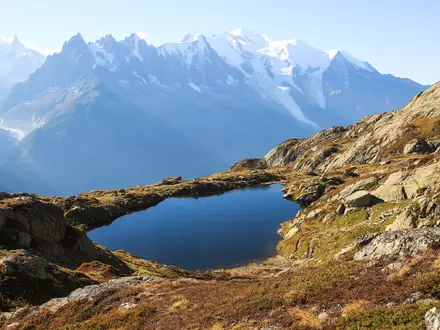
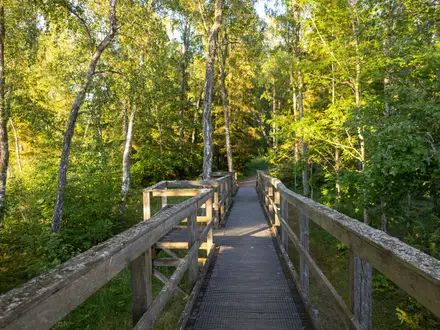
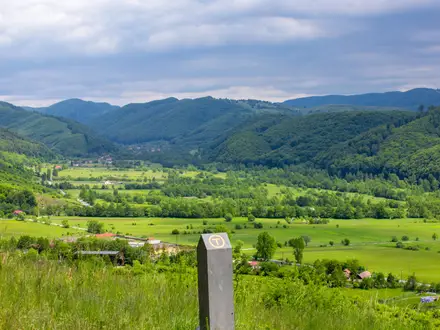
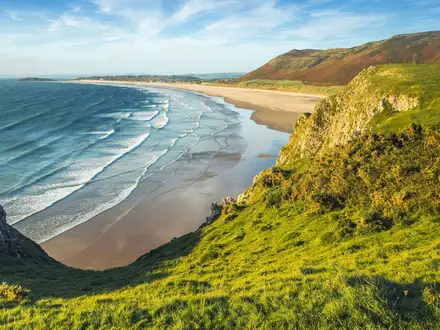
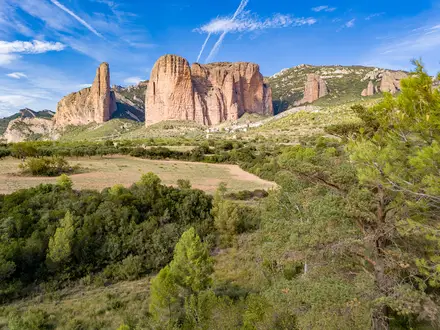
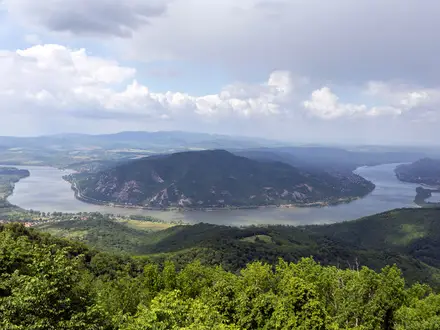
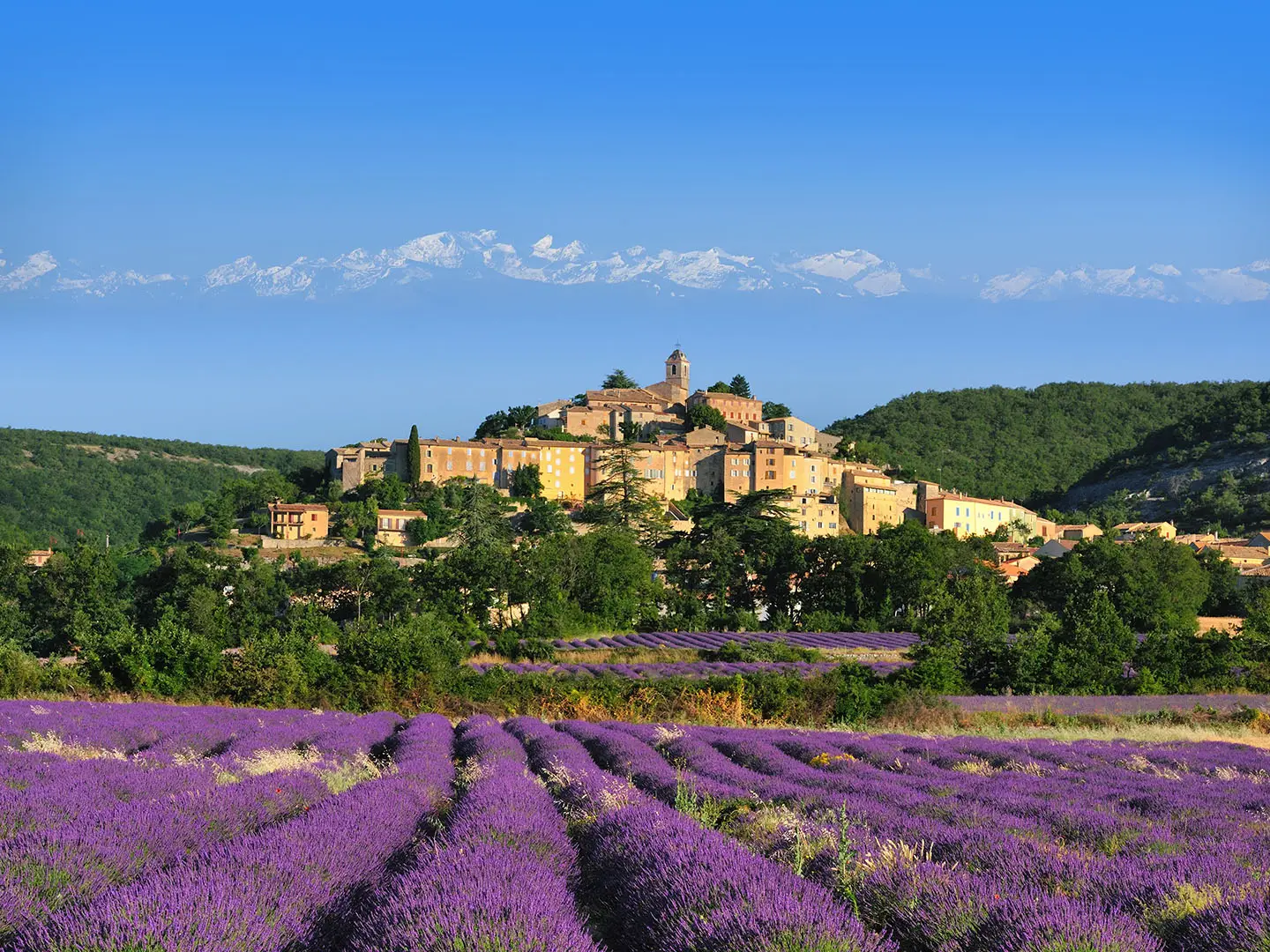
Embark on an unforgettable adventure along the GR4 Trail in France, a legendary long-distance route stretching from the dramatic cliffs of the Atlantic coast to the wild, rugged beauty of the Alps. This diverse trail traverses an ever-changing patchwork of forests, mountainous foothills, rolling countryside, and picturesque villages, offering hikers breathtaking panoramas and immersive cultural encounters at every stage.

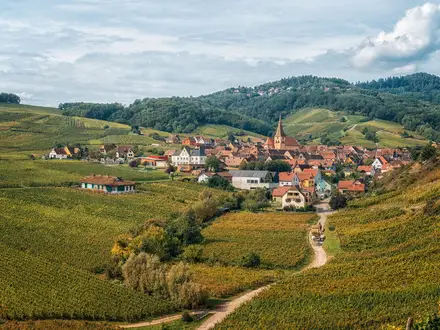
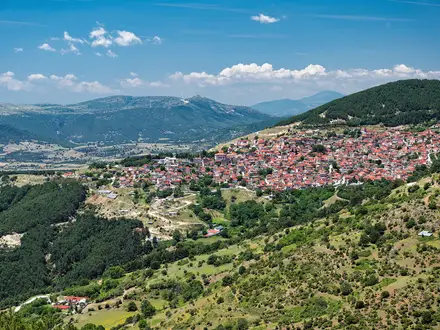
Winding through serene river valleys, ancient woodland, and charming rural landscapes, the GR4 invites both seasoned trekkers and passionate explorers to experience some of France’s most unspoiled and diverse natural scenery. Each section of this remarkable journey unravels new vistas—from sun-dappled forest paths and sweeping highland ridges to tranquil lakeshores—making every step truly memorable.

Route Overview

The GR4 starts in Royan on the Atlantic coast and ends in Grasse, near the foothills of the Alps. The full route covers approximately 1,400 kilometers, and most hikers complete the trail in about 60 days, although timings may vary depending on experience, pace, and chosen itinerary. The trail traverses a wide range of terrains, including coastal paths, rolling farmland, deep river valleys, volcanic plateaus, forested hills, and mountain ridges.

Major regions and towns along the GR4 include the Charente-Maritime, Dordogne (Périgord), the Lot Valley, Cantal and the Volcans d’Auvergne, the Ardèche Mountains, and finally, the Alpes-Maritimes before reaching Grasse. Notable towns and villages passed through are Saintes, Angoulême, Brantôme, Sarlat-la-Canéda, Mauriac, Le Puy-en-Velay, Montélimar, and Castellane.

Trail conditions are highly variable. Surfaces range from dirt and gravel tracks to rocky paths and occasional paved sections near towns. Mountain sections in the Auvergne and Ardèche can be particularly rugged, while certain rural stretches may be long and isolated. Resupply and accommodation are more frequent in larger towns or tourist areas, but some remote sections require advance planning for food and water. Navigation is generally aided by white-and-red GR waymarkers; however, carrying current maps or a GPS device is advisable for backup.

History and Origins of the GR4 Trail

The GR4 Trail is part of France's renowned network of Grande Randonnée (GR) long-distance footpaths, which were conceived in the 1940s as a way to promote outdoor recreation and connect rural communities across the country. Developed and maintained by the French Federation of Hiking (Fédération Française de la Randonnée Pédestre), the GR4 was officially established during the mid-20th century. This trail weaves a route from Royan on the Atlantic coast to Grasse on the edge of the Alps, connecting ancient trading paths, historical towns, and age-old pilgrimage routes.

Along the GR4, hikers encounter a tapestry of French history, passing through regions marked by prehistoric settlements, Roman roads, medieval villages, and Renaissance landmarks. The trail transitions through areas that have witnessed significant events—from the movement of ancient tribes and Roman legions to battles during the Hundred Years’ War. Villages and towns along the route often reflect a deep heritage, with centuries-old churches, stone bridges, and remnants of fortifications, offering a unique opportunity to walk in the footsteps of countless generations.

Notable highlights

  • Royan and the Atlantic Coast: The trail’s starting point offers sweeping views over the Atlantic Ocean, beautiful sandy beaches, and striking coastal architecture shaped by post-war reconstruction.
  • Périgord Region: Famous for its lush forests, prehistoric caves, and medieval towns like Brantôme and Sarlat-la-Canéda, this section immerses hikers in the rich history and gastronomy of southwestern France.
  • Vallée de la Dordogne: Follow the meandering Dordogne River through dramatic gorges and pass ancient villages perched atop limestone cliffs, with opportunities to visit historic castles and try local delicacies.
  • Parc Naturel Régional des Volcans d’Auvergne: Traverse a unique landscape dotted with extinct volcanoes, rugged peaks, and wide, green plateaus. This nature park is known for its biodiversity, picturesque prairies, and traditional stone villages.
  • Monts d’Ardèche: Experience wild highlands and chestnut forests, passing through remote hamlets with classic Ardèche culture and architecture, and enjoy panoramic mountain vistas.
  • Gorges de l’Ardèche: Witness one of Europe’s most famous river canyons with breathtaking limestone cliffs, dramatic river bends, and opportunities for wildlife watching and cave exploration.
  • Grasse: The eastern terminus of the GR4, Grasse is renowned as the world capital of perfume. Its charming old town, perfumeries, and views over the Côte d’Azur provide a memorable finish to the journey.

Challenges to expect

The GR4 is a demanding long-distance trail with sections that can be physically and mentally challenging. Hikers will encounter significant elevation changes, especially in the Volcans d’Auvergne and Monts d’Ardèche regions, where steep ascents and descents may require good fitness and stamina. Rocky and uneven terrain, particularly in the mountainous stretches, can be tough on the feet and ankles, while some remote segments may offer little shade or shelter.

Weather variability is another factor to consider. In the mountains, conditions can change rapidly with sudden downpours, cold winds, and fog making navigation more difficult and potentially dangerous. In the summer months, exposed sections can become hot and dehydrating, especially in the lower valleys and open plateaus, so water planning is essential.

Waymarking on the GR4 is generally good, but in dense forests, highland plateaus, or areas affected by adverse weather, trail markers can become sparse or difficult to spot. Additionally, some rural stretches travel far from settlements, requiring diligent planning for food, water, and accommodation. Resupply points may be infrequent, so carrying extra provisions is advisable for multi-day sections.

Country
Trail type
Point to point
Terrain & Landscape
  • Mountainous
  • Forest
Trail surface
  • Dirt
  • Rocky
  • Gravel
Difficulty rating
Hard
Elevation gain/loss
12000 metres
Highest point altitude
1350 metres
Distance
1400 kilometres
Duration
60 days
Permits & Fees
No permits or fees
Accommodation
  • Hotels
  • Lodges
  • Huts
  • Campsites
  • Hostels
  • Wild camping spots
Average daytime temperature
18°C
Chance of rainfall
Medium
Estimated cost
$$
Optimal hiking season
Spring
March to May
Summer
June to August
Autumn
September to November
Accessibility
  • Pet Friendly
Facilities
  • Restrooms
  • Water Sources
  • Campsites
  • Shelters
Day 1
Royan to Saujon
Approx. 23km

Begin your journey at the Atlantic shores in Royan, leaving the seaside behind as you follow inland paths through gentle countryside, fields, and small forests on your way to the market town of Saujon.

Day 2
Saujon to Saintes
Approx. 22km

Travel through rural Charente-Maritime, passing farmlands and tranquil hamlets before entering the historic town of Saintes, renowned for its ancient Roman architecture and riverside charm.

Day 3
Saintes to Burie
Approx. 19km

Depart Saintes along the river and farm tracks, passing vineyards and rural landscapes as you make your way to the quiet village of Burie.

Day 4
Burie to Cognac
Approx. 17km

Cross through scenic countryside with vine-covered hills, ending in the town of Cognac, world famous for its spirit production and picturesque center.

Day 5
Cognac to Cherves-Richemont
Approx. 21km

Leave Cognac and pass through rolling vineyard hills, interspersed with small woodlands and hamlets, until you reach the village of Cherves-Richemont.

Day 6
Cherves-Richemont to Jarnac
Approx. 18km

Vineyard paths and tranquil valleys lead toward Jarnac, a riverside town on the Charente famous for cognac houses and waterside scenes.

Day 7
Jarnac to Angoulême
Approx. 21km

Follow a mix of country roads and woodland trails, gradually gaining elevation as you enter the historic city of Angoulême, known for its ramparts and old town.

Day 8
Angoulême to La Rochefoucauld
Approx. 24km

Travel eastwards through the Charente countryside, passing by rivers and tranquil woods, before reaching La Rochefoucauld and its impressive château.

Day 9
La Rochefoucauld to Marthon
Approx. 20km

Quiet rural trails and woodland tracks lead you through sparsely populated areas as you enter the village of Marthon in the Limousin region.

Day 10
Marthon to Nontron
Approx. 21km

Pass into Dordogne along shaded trails and rolling terrain, arriving in Nontron, famed for its knife-making and hilltop setting.

Day 11
Nontron to Brantôme
Approx. 17km

Woodland and riverbank trails guide the way to the picturesque town of Brantôme, set on an island in the river Dronne and nicknamed the Venice of Périgord.

Day 12
Brantôme to Thiviers
Approx. 22km

The route leads through shaded woods, streams, and country lanes, ending in Thiviers, which is famous for truffles and foie gras.

Day 13
Thiviers to Sorges
Approx. 19km

Continue through rich agricultural land and oak groves, passing rural villages on the way to Sorges, Périgord’s truffle capital.

Day 14
Sorges to Périgueux
Approx. 20km

Travel scenic lanes and forest paths as you approach the regional hub of Périgueux, featuring Roman ruins and medieval heritage.

Day 15
Périgueux to Vergt
Approx. 21km

Head south along river valleys and agricultural tracks, with rolling landscapes bringing you to Vergt, a small town known for strawberries.

Day 16
Vergt to Lacropte
Approx. 18km

Follow undulating hills and quiet paths through fields and forests, culminating in the peaceful rural hamlet of Lacropte.

Day 17
Lacropte to Saint-Cyprien
Approx. 24km

Wander through quiet hamlets and ancient woodland, descending into the Dordogne valley and the riverside village of Saint-Cyprien.

Day 18
Saint-Cyprien to Sarlat-la-Canéda
Approx. 13km

Meander through river lowlands and oak forests to the medieval gem of Sarlat-la-Canéda, known for its vibrant markets and cobbled streets.

Day 19
Sarlat-la-Canéda to Carlux
Approx. 21km

Leave Sarlat on forested tracks, traverse rolling farmland, and pass sleepy villages en route to Carlux, set above the Dordogne.

Day 20
Carlux to Souillac
Approx. 18km

Cross wooded hills and riverside plains to reach Souillac, a riverside town home to a Romanesque abbey and lively weekly market.

Day 21
Souillac to Martel
Approx. 18km

Continue following the Dordogne River, transitioning from riverbanks to limestone plateaus before finishing in the medieval town of Martel.

Day 22
Martel to Beaulieu-sur-Dordogne
Approx. 22km

Explore the upper Dordogne valley, passing cliffside views, gorges, and charming stone villages on the way to Beaulieu-sur-Dordogne.

Day 23
Beaulieu-sur-Dordogne to Argentat
Approx. 19km

A riverside day crossing meadows and forested tracks, with the stage ending in the picturesque town of Argentat on the Dordogne River.

Day 24
Argentat to Saint-Privat
Approx. 20km

Begin gaining elevation as you ascend into the Massif Central, with highland scenery leading to Saint-Privat in greener pastures.

Day 25
Saint-Privat to Pleaux
Approx. 18km

Enjoy open vistas across undulating farmland, scattered woods, and small lakes as you reach the hillside town of Pleaux.

Day 26
Pleaux to Mauriac
Approx. 17km

Fields, meadows, and volcanic rock formations set the scene for the day’s trek to Mauriac, a vibrant town in the Cantal region.

Day 27
Mauriac to Salers
Approx. 25km

Ascend into the remote uplands dotted with cow pastures and volcanic peaks, with the medieval walled village of Salers as your destination.

Day 28
Salers to Le Falgoux
Approx. 16km

Take on challenging gradients, open moorland, and panoramic mountaintop views before descending into the secluded valley of Le Falgoux.

Day 29
Le Falgoux to Mandailles-Saint-Julien
Approx. 19km

Continue exploring the volcanic Monts du Cantal, traversing forested slopes and open ridges, before descending into the tiny village of Mandailles-Saint-Julien.

Day 30
Mandailles-Saint-Julien to Aurillac
Approx. 21km

Descending from mountainous terrain, the trail follows lush valleys and rivers, ending in Aurillac, the capital of the Cantal region.

Day 31
Aurillac to Montsalvy
Approx. 20km

Travel across rolling farmland and quiet streams through rural Cantal, arriving in Montsalvy, an ancient fortified village.

Day 32
Montsalvy to Entraygues-sur-Truyère
Approx. 19km

Descend into the Lot valley, with wooded hills and open pastures leading you to the beautiful riverside town of Entraygues-sur-Truyère.

Day 33
Entraygues-sur-Truyère to Espeyrac
Approx. 18km

Wooded gorges and small hamlets punctuate the route, with opportunities to spot old pilgrimage chapels as you approach Espeyrac.

Day 34
Espeyrac to Conques
Approx. 12km

Follow a hilly but short section among forests and stone hamlets to Conques, a UNESCO World Heritage Site with a rich medieval pilgrimage tradition.

Day 35
Conques to Decazeville
Approx. 20km

Climb gentle ridges and cross forested slopes on your way from Conques to the post-industrial town of Decazeville, once a famous mining center.

Day 36
Decazeville to Figeac
Approx. 19km

Travel through river valleys, meadows, and scattered farms before reaching the vibrant cultural town of Figeac.

Day 37
Figeac to Cajarc
Approx. 21km

Following the Lot River, this scenic section leads through meadows, limestone outcrops, and quiet lanes before ending in the riverside village of Cajarc.

Day 38
Cajarc to Limogne-en-Quercy
Approx. 18km

Leave the Lot valley to ascend gently onto high limestone plateaus dotted with dolmens, then finish among truffle oaks and stone barns in Limogne-en-Quercy.

Day 39
Limogne-en-Quercy to Lalbenque
Approx. 20km

Winding tracks through limestone woods and quiet farmland bring you to the market village of Lalbenque.

Day 40
Lalbenque to Cahors
Approx. 16km

An undulating path through vineyards and low hills brings you into Cahors, home to the iconic medieval Pont Valentré.

Day 41
Cahors to Prayssac
Approx. 22km

Travel alongside the Lot River, passing vineyards and shaded forests en route to the market town of Prayssac.

Day 42
Prayssac to Puy-l'Évêque
Approx. 16km

Continue through riverside scenery and picturesque vineyards toward the fortified village of Puy-l'Évêque.

Day 43
Puy-l'Évêque to Duravel
Approx. 17km

Enjoy more riverside walking, passing through vineyards and gentle woodlands as you enter Duravel.

Day 44
Duravel to Fumel
Approx. 15km

Farm tracks and woodland paths guide you along the Lot valley to Fumel, overlooked by its historic château.

Day 45
Fumel to Tournon-d'Agenais
Approx. 20km

Climb away from the valley through vineyards and orchards, culminating in the historic bastide of Tournon-d'Agenais with panoramic views.

Day 46
Tournon-d'Agenais to Penne-d'Agenais
Approx. 18km

Fields, woods, and occasional orchards dominate this segment, as the route leads to the medieval hilltop village of Penne-d'Agenais.

Day 47
Penne-d'Agenais to Villeneuve-sur-Lot
Approx. 19km

Follow gentle riverbanks and orchard-dotted terrain, entering the bustling market town of Villeneuve-sur-Lot.

Day 48
Villeneuve-sur-Lot to Sainte-Livrade-sur-Lot
Approx. 12km

Agricultural land and small forest patches fill today's stage, ending in the quiet village of Sainte-Livrade-sur-Lot.

Day 49
Sainte-Livrade-sur-Lot to Castelmoron-sur-Lot
Approx. 15km

Follow the Lot River amid orchards, market gardens, and gentle hills to Castelmoron-sur-Lot.

Day 50
Castelmoron-sur-Lot to Clairac
Approx. 11km

Gentle riverside tracks and rural farmland bring you through peaceful countryside to Clairac on the Lot.

Day 51
Clairac to Tonneins
Approx. 16km

Mostly flat riverside walking with fields and groves before entering the regional center of Tonneins.

Day 52
Tonneins to Marmande
Approx. 15km

Traverse sunflower fields and cultivated land before arriving at Marmande, a lively town on the Garonne.

Day 53
Marmande to La Réole
Approx. 22km

Wide open fields, riverside towpaths, and historic hamlets feature on this stretch along the Garonne toward the town of La Réole.

Day 54
La Réole to Sauveterre-de-Guyenne
Approx. 19km

Pass undulating vineyards and medieval bastides as you journey deeper into Bordeaux wine country and arrive in Sauveterre-de-Guyenne.

Day 55
Sauveterre-de-Guyenne to Créon
Approx. 21km

Cross rolling hills thick with vineyards and woodlands leading to Créon, a bustling market village in the Entre-Deux-Mers region.

Day 56
Créon to Bordeaux
Approx. 26km

Enter Bordeaux, one of France’s great cities, with its grand architecture, lively riverfront, and parks marking the end of this urban segment.

Day 57
Bordeaux to Léognan
Approx. 17km

Leave behind the urban sprawl of Bordeaux, heading through pine forests and vineyards into the wine-producing village of Léognan.

Day 58
Léognan to Saucats
Approx. 15km

Flat trails and pine woodlands of Les Landes characterize this route, with peaceful scenery guiding you to Saucats.

Day 59
Saucats to Saint-Symphorien
Approx. 24km

Continue through the great Landes forest, occasionally crossing open glades and peaceful streams as you reach Saint-Symphorien.

Day 60
Saint-Symphorien to Grasse
Approx. 28km

The final stage guides you through hilly and wooded terrain with stunning views as you make your descent into Grasse, the world-renowned capital of perfume and the ceremonial end of the GR4.