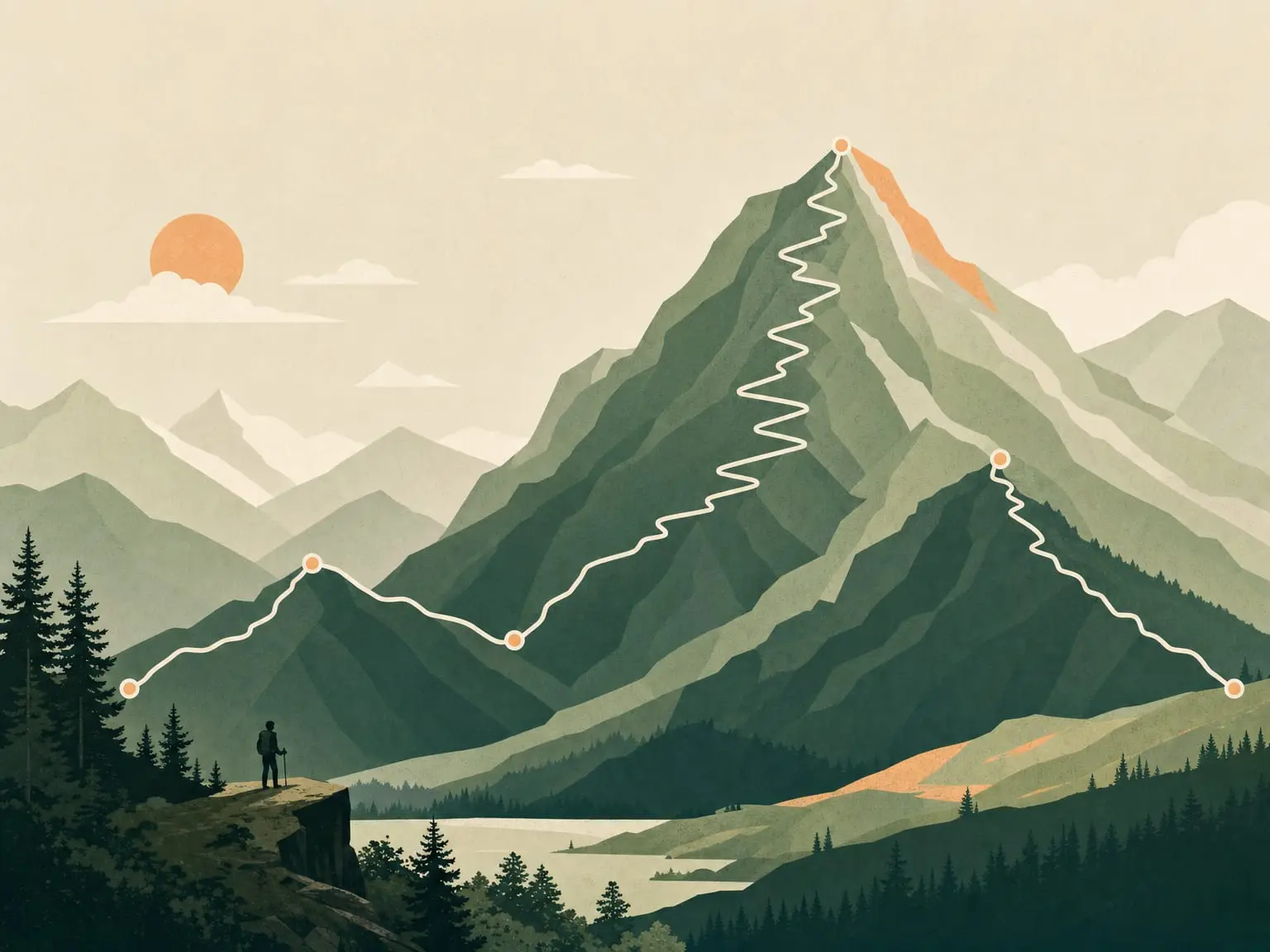
Hiking Skills
How Much Elevation Gain Is Hard? A Hiker's Guide to Ascent & Descent
A practical guide to how much elevation gain is hard, how to read ascent per day, and why descents can wreck your legs.
7 June 2026 8 min read
15 hand-picked long-distance trails
Hardest hikes are not simply long walks with bigger numbers. This collection is for experienced mountain hikers looking for routes where the difficulty is sustained: expert grading, high-alpine terrain, glacier or rocky sections, exposed ridges, bog, river crossings, or the commitment of remote point-to-point travel. These are serious thru-hikes and hut-to-hut routes to plan carefully, not casual trekking holidays.
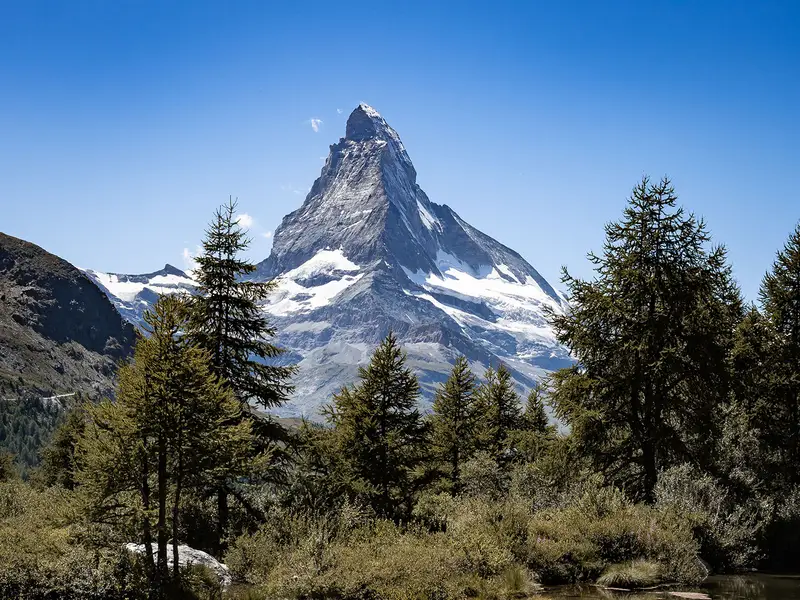
 Switzerland · 150 km · 9-11 days · Expert
 The Tour of Matterhorn packs Expert alpine difficulty into a 150 km loop usually walked in 9–11 days. Long days, exposed sections and glacial terrain make it a compact but serious mountain circuit.
 France · 176 km · 10-15 days · Expert
 The GR54 is a 176 km loop around the Ecrins massif, planned over 10–15 days. Its Expert workload and steep mountain terrain make it one of France’s more demanding waymarked Grande Randonnée routes.
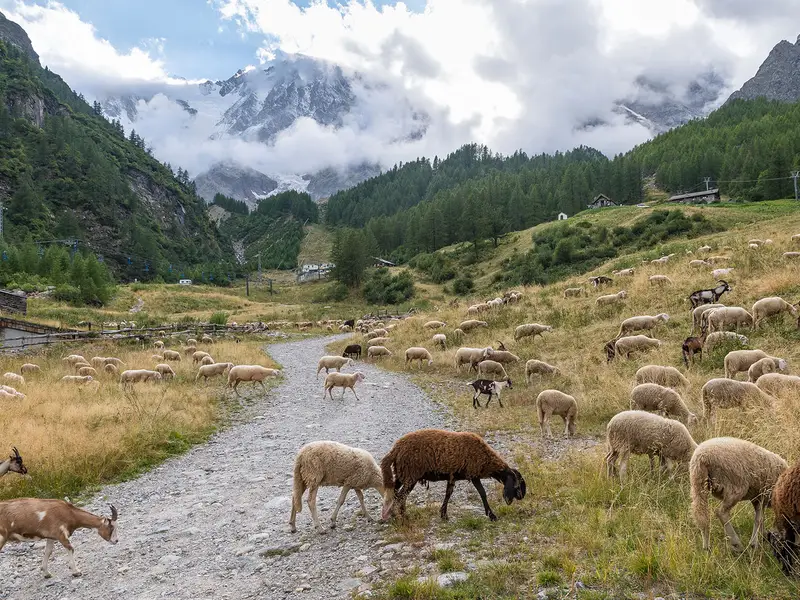
 Italy · 170 km · 10 days · Expert
 The Tour del Monte Rosa is a 170 km Expert hut-to-hut loop around the Monte Rosa massif. Alpine and glacier terrain, plus a 10-day mountain schedule, put it firmly in serious high-route territory.
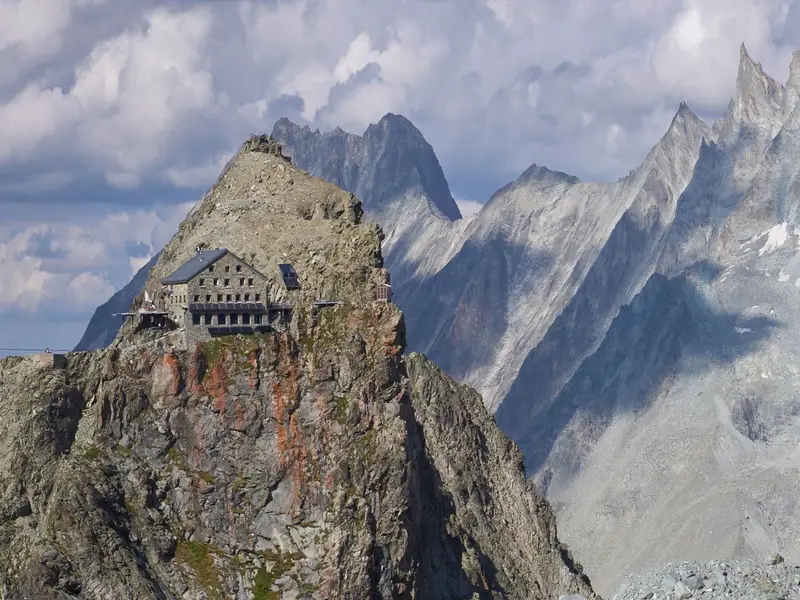 Switzerland · 215 km · 12-14 days · Expert
 Linking Chamonix and Zermatt over about 215 km, the Walker’s Haute Route brings Expert difficulty to classic alpine terrain. The 12–14 day point-to-point journey suits hikers ready for repeated mountain days.
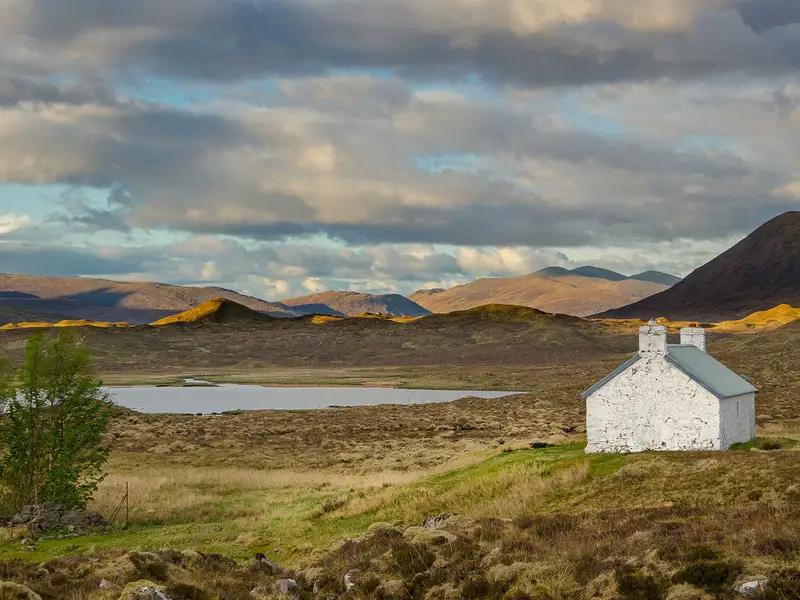
 United Kingdom, Scotland · 370 km · 16-22 days · Expert
 The Cape Wrath Trail is a 370 km, unofficial and unwaymarked route through Scotland’s remote north-west Highlands. Bog, river crossings, moorland and coastal terrain make its 16–22 days especially committing.
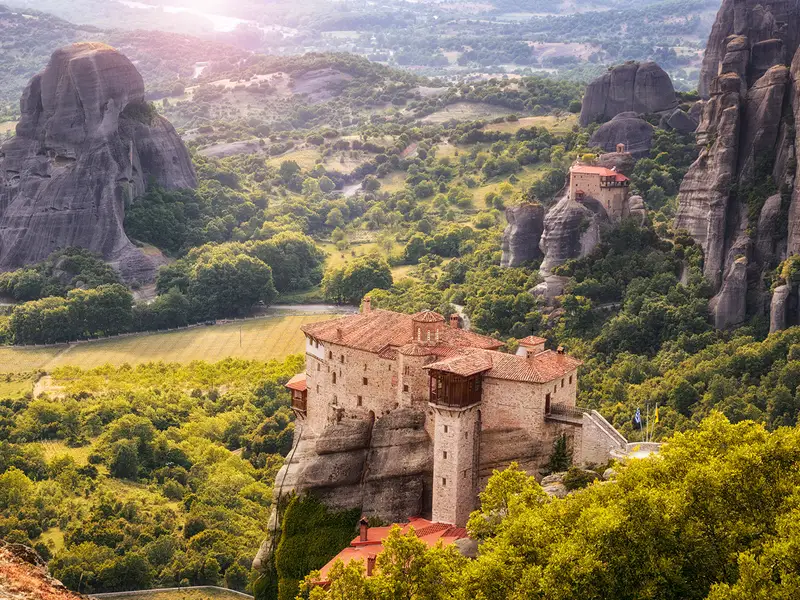
 Greece · 350 km · 20 days · Expert
 The Pindus Traverse is not one fixed official footpath, which adds to its Expert character. Over about 350 km and 20 days, walkers link mountain and forest routes through north-western Greece.
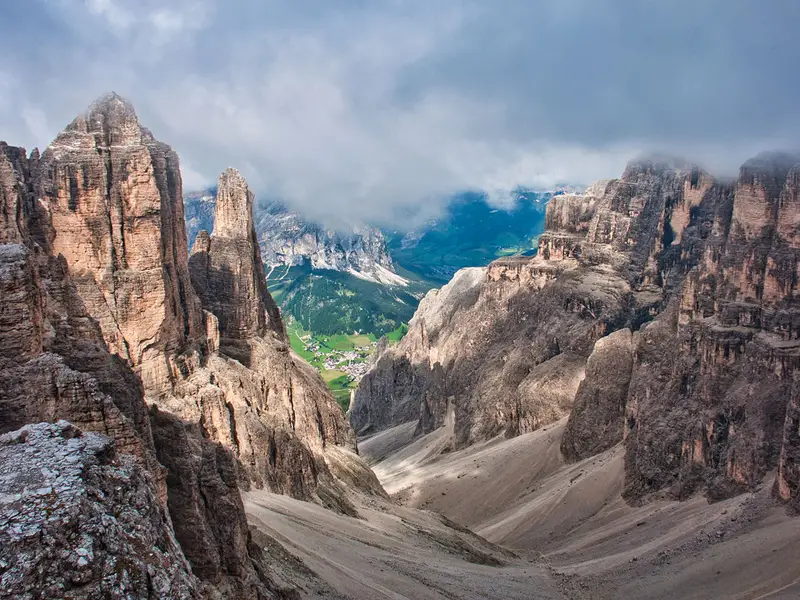 Italy · 160 km · 13 days · Expert
 Alta Via 2 is the tougher, more technical Dolomites choice here: 160 km over 13 days across mountainous, alpine and rocky terrain. Its Expert grade is aimed at experienced alpine hikers, not first-time hut trekkers.
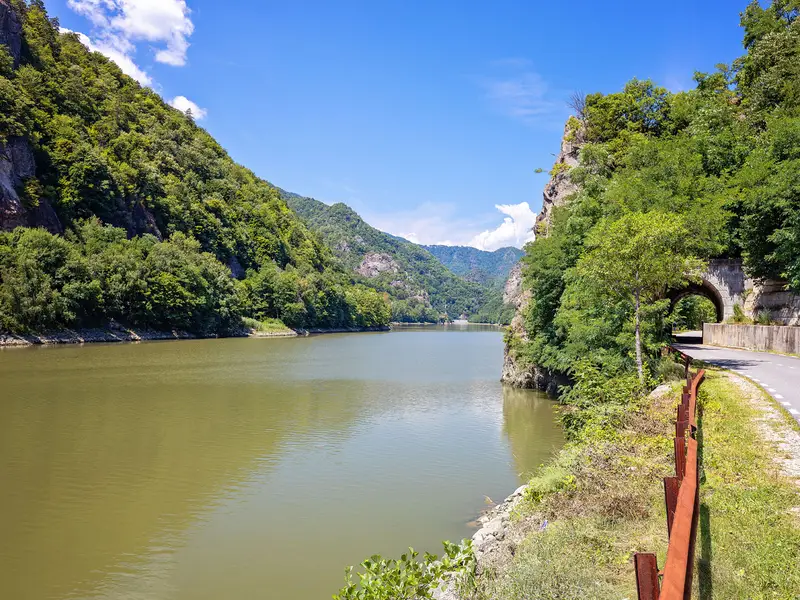
 Romania · 90 km · 7 days · Expert
 This 90 km traverse follows a high-ridge line across Romania’s Făgăraș Mountains, the highest range of the Southern Carpathians. Seven days of mountainous, high alpine and forest terrain make it a concentrated Expert challenge.
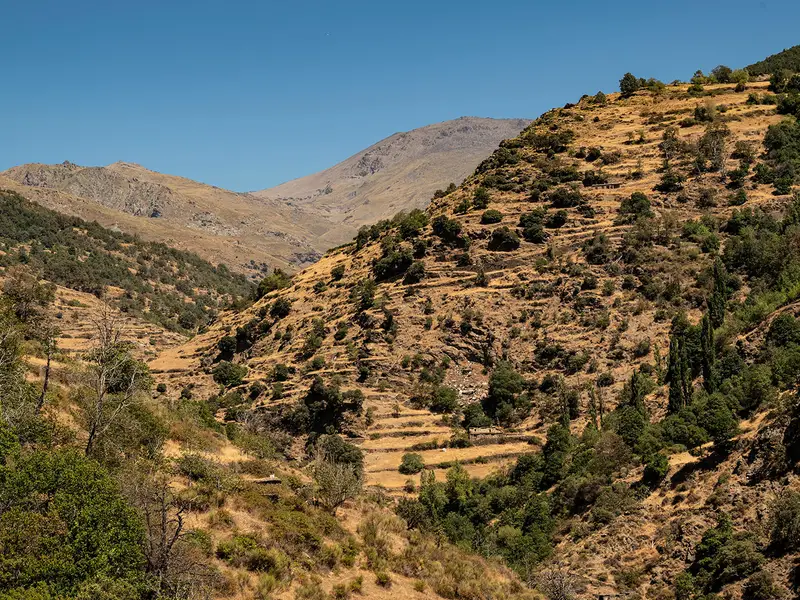
 Spain · 75 km · 4-5 days · Expert
 The Sierra Nevada High Route is only about 75 km, but it stays mostly above 3,000 m on a high-mountain crest traverse. Alpine, ridge and glacial terrain give its 4–5 days real intensity.
France · 800 km · 45 days · Expert At around 800 km and 45 days, the HRP is a full-scale high-mountain traverse rather than a short alpine challenge. Its Expert grade reflects the sustained commitment of crossing the Pyrenees from Atlantic to Mediterranean.
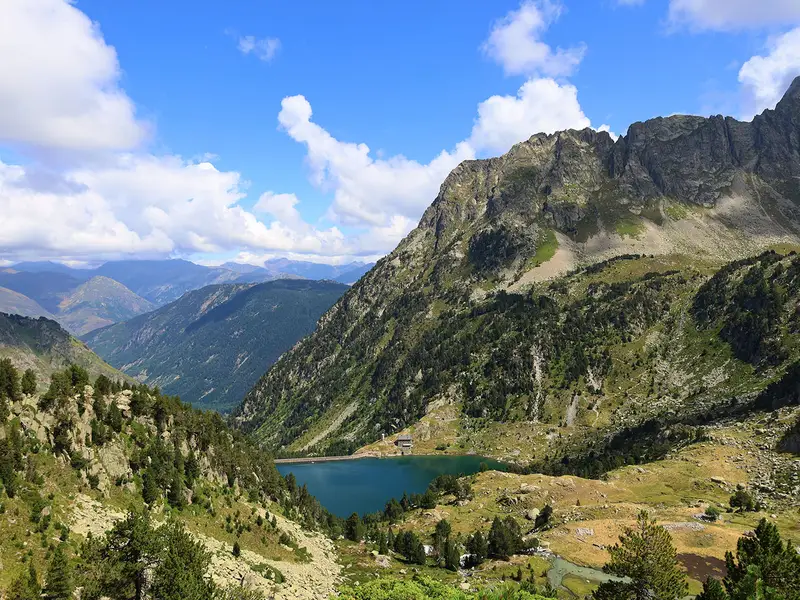 Spain · 840 km · 44-50 days · Expert
 The GR11 brings difficulty through scale: roughly 840 km across northern Spain from the Bay of Biscay to the Mediterranean. Most thru-hikers take 44–50 days across mountains, forests, pasture, farmland and coast.
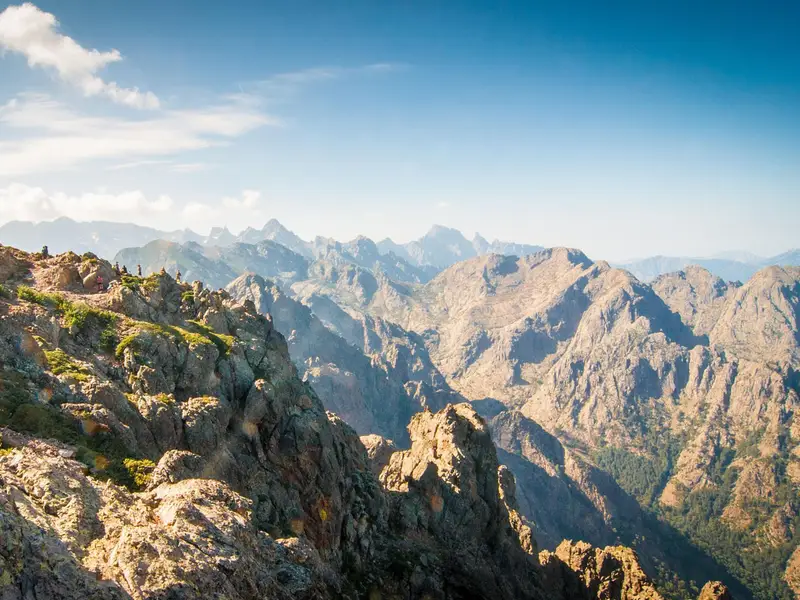 France · 180 km · 15 days · Expert
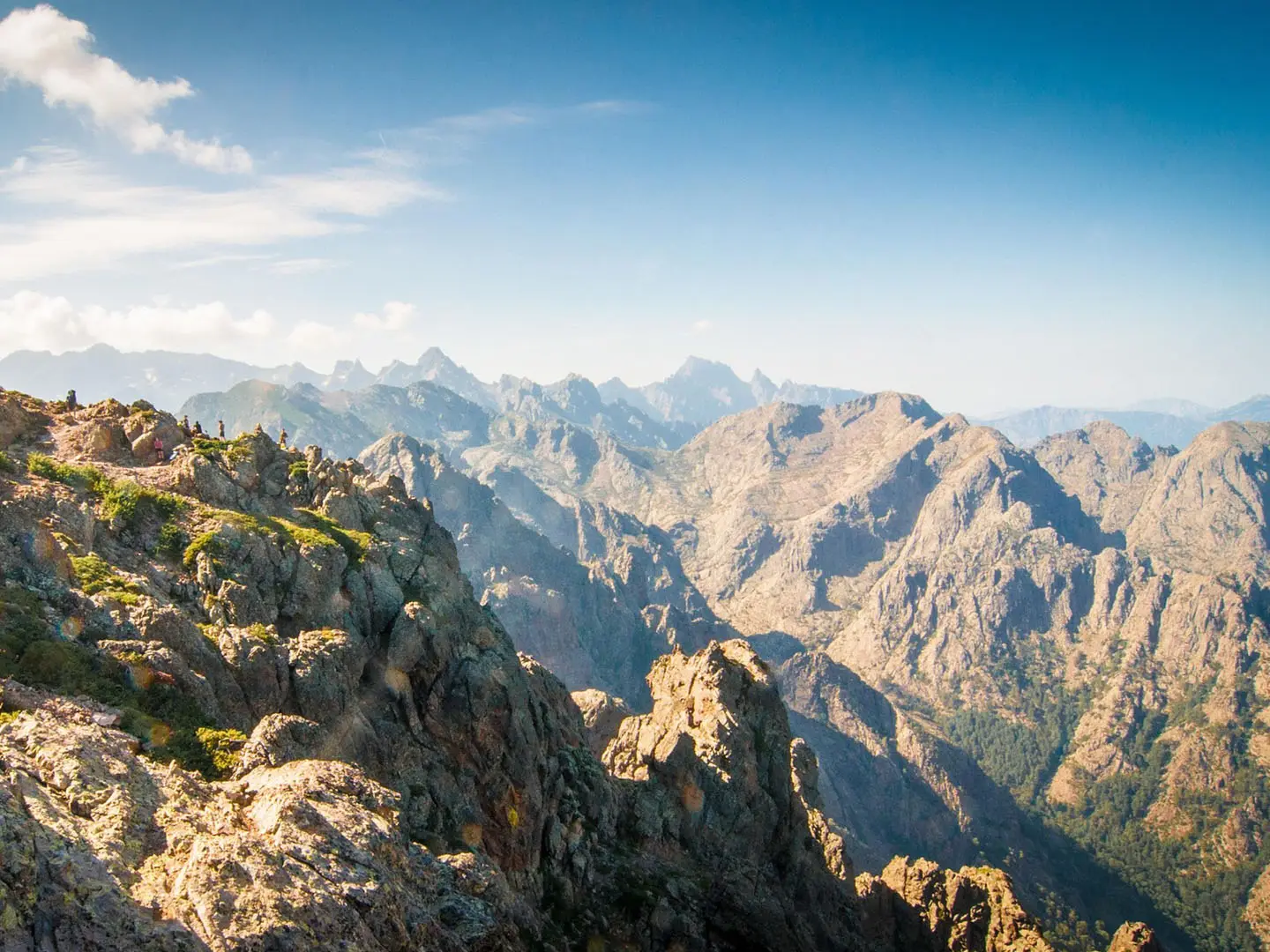
 The GR20 earns its place as an Expert 180 km traverse of Corsica’s mountainous spine. Its 15-day point-to-point format makes it a sustained test rather than a single hard mountain day.
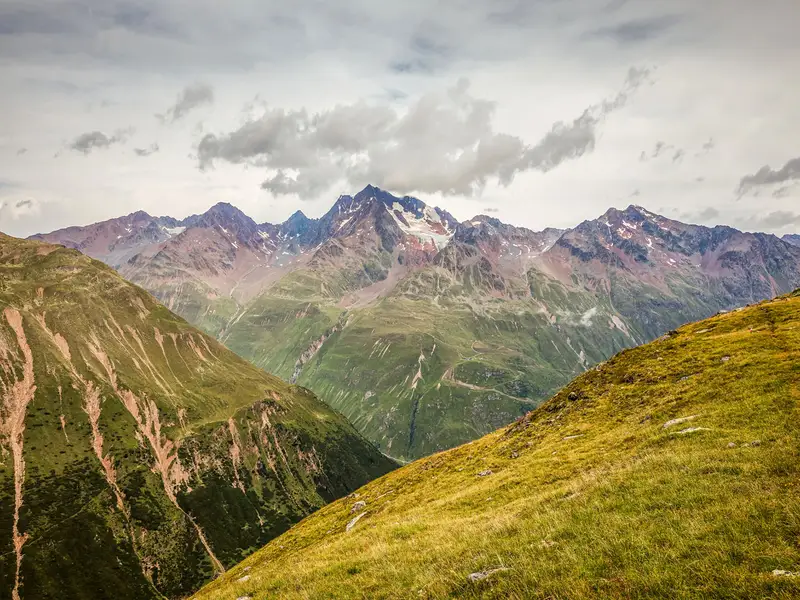
 Austria · 246 km · 22 days · Expert
 The Ötztal Trek is a 246 km high-alpine loop with 22 stages and about 18,900 m of ascent. Rocky passes, ridges, scree and glacier terrain make it a serious Austrian hut-to-hut undertaking.
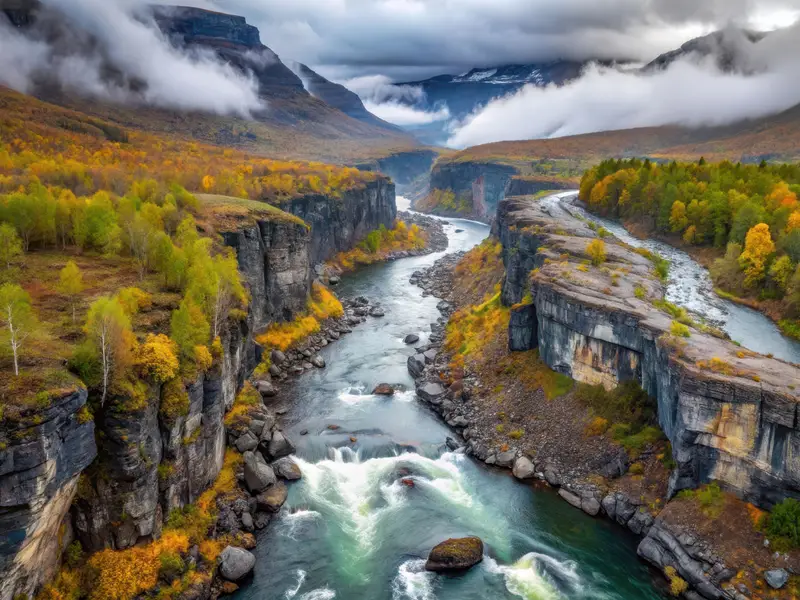
 Norway · 800 km · 40 days · Expert
 Nordkalottruta is an 800 km Arctic point-to-point route through Norway, Sweden and Finland, usually taking about 40 days. Tundra, plateau, valley, bog and forest terrain make remoteness the central challenge.
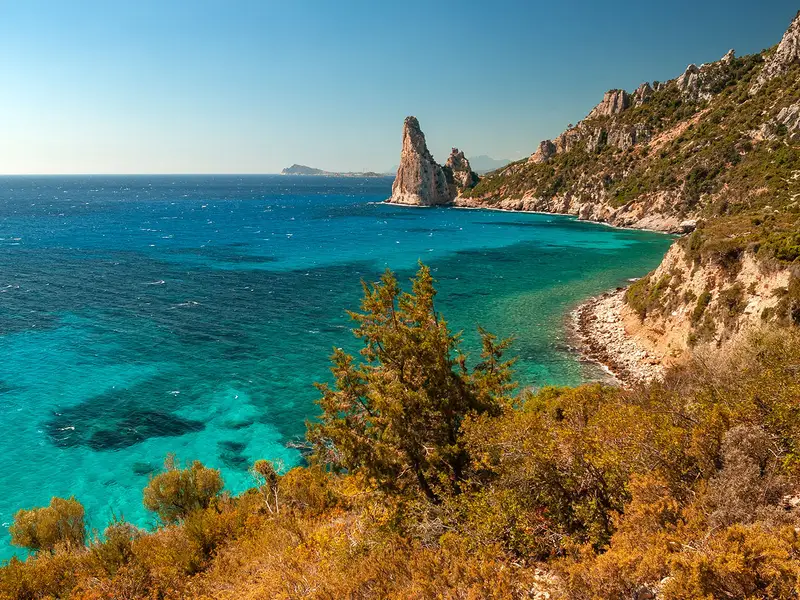 Italy · 40 km · 4-6 days · Expert
 Selvaggio Blu is short on paper at 40 km, but its Expert rating tells the real story. The 4–6 day Sardinian coastal route combines mountainous and karst terrain on a committing point-to-point line.
Start by deciding what kind of hard you actually want. Some routes are demanding because they are long, multi-week traverses where endurance and recovery matter every day. Others compress the difficulty into shorter, sharper itineraries with alpine terrain, rocky passes, ridge walking or coastal karst. A 40 km expert route can be a bigger technical test than a much longer waymarked trail if the ground is complex and exposed.
Look closely at trail type too. Point-to-point routes demand transport planning and a clear exit strategy, while loops can simplify logistics but may still involve remote sections or high passes. Hut-to-hut routes reduce camping weight, but they do not reduce the need for mountain judgement, pace control and bad-weather decisions.
For the hardest hikes, fitness is only the entry requirement. You also need confidence moving for consecutive long days, carrying the right kit, navigating when visibility drops and making conservative decisions when terrain or weather changes. Alpine and glacial routes require particular respect; bog, river crossings and remote plateaus create a different kind of risk, where slow progress and isolation can be the main challenge.
Use the listed distance, duration, terrain and difficulty as a first filter, then check current route conditions, accommodation or resupply options, and any technical requirements before committing. If you are choosing between two expert hikes, pick the one that matches your proven experience rather than the one with the most impressive reputation. The best true test is the route you can complete safely, not just start ambitiously.
A practical guide to how much elevation gain is hard, how to read ascent per day, and why descents can wreck your legs.
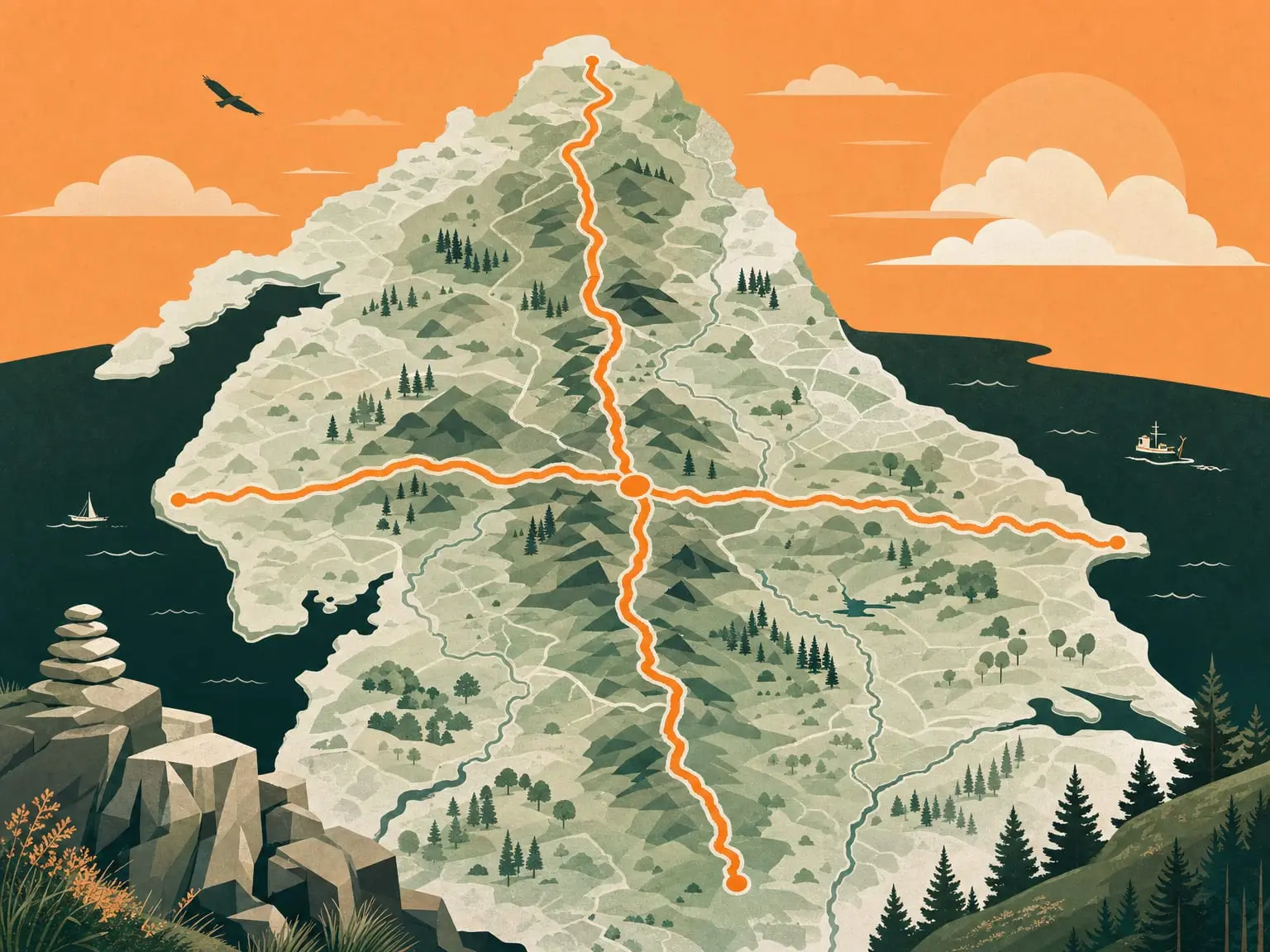
Choosing between the Pennine Way and Coast to Coast? Here is the honest head-to-head on distance, difficulty, scenery and logistics.