Mare e Monti Trail
Mare e Monti Trail Guide: Essential Information for Hiking in Corsica, France
Nestled between the sparkling blue waters of the Mediterranean Sea and the rugged peaks of Corsica’s mountains, the Mare e Monti Trail promises a truly unforgettable hiking adventure in France. This iconic trail takes you through lush forests scented with maquis, past dramatic cliffs plunging into the sea, and across hillside villages that seem frozen in time. Hikers are treated to ever-changing vistas—a patchwork of deep green valleys, ochre cliffs, and turquoise coves, all under the golden Corsican sun.
As one of the premier long-distance hikes in Corsica, the Mare e Monti route offers a unique blend of coastal and mountain scenery, making it both diverse and exhilarating. Every step immerses you deeper into the island’s wild beauty, rich history, and vibrant culture. Whether you’re a seasoned trekker or a curious explorer, this trail is ideal for those seeking a balance of challenging terrain, rustic hospitality, and awe-inspiring natural wonders.
Route Overview
The Mare e Monti Trail is a classic long-distance route in Corsica, France, running from Calenzana to Cargèse along the island’s rugged northwest coast. This point-to-point trek covers approximately 70 to 90 kilometers, depending on route variations, and is typically completed over 8 to 10 days. Hikers traverse a diverse array of landscapes, moving from forested foothills and inland mountain ridges to pristine Mediterranean coves and traditional villages.
Key locations passed on the trail include Bonifatu, Tuarelli, Galeria, Girolata (accessible only by foot or boat), Curzu, Serriera, and Piana. The route highlights famed features like the UNESCO-listed Calanques de Piana rock formations and the isolated village of Girolata. Overnight accommodation is often found in gîtes d’étape, local inns, or designated campsites, providing access to basic supplies and meals.
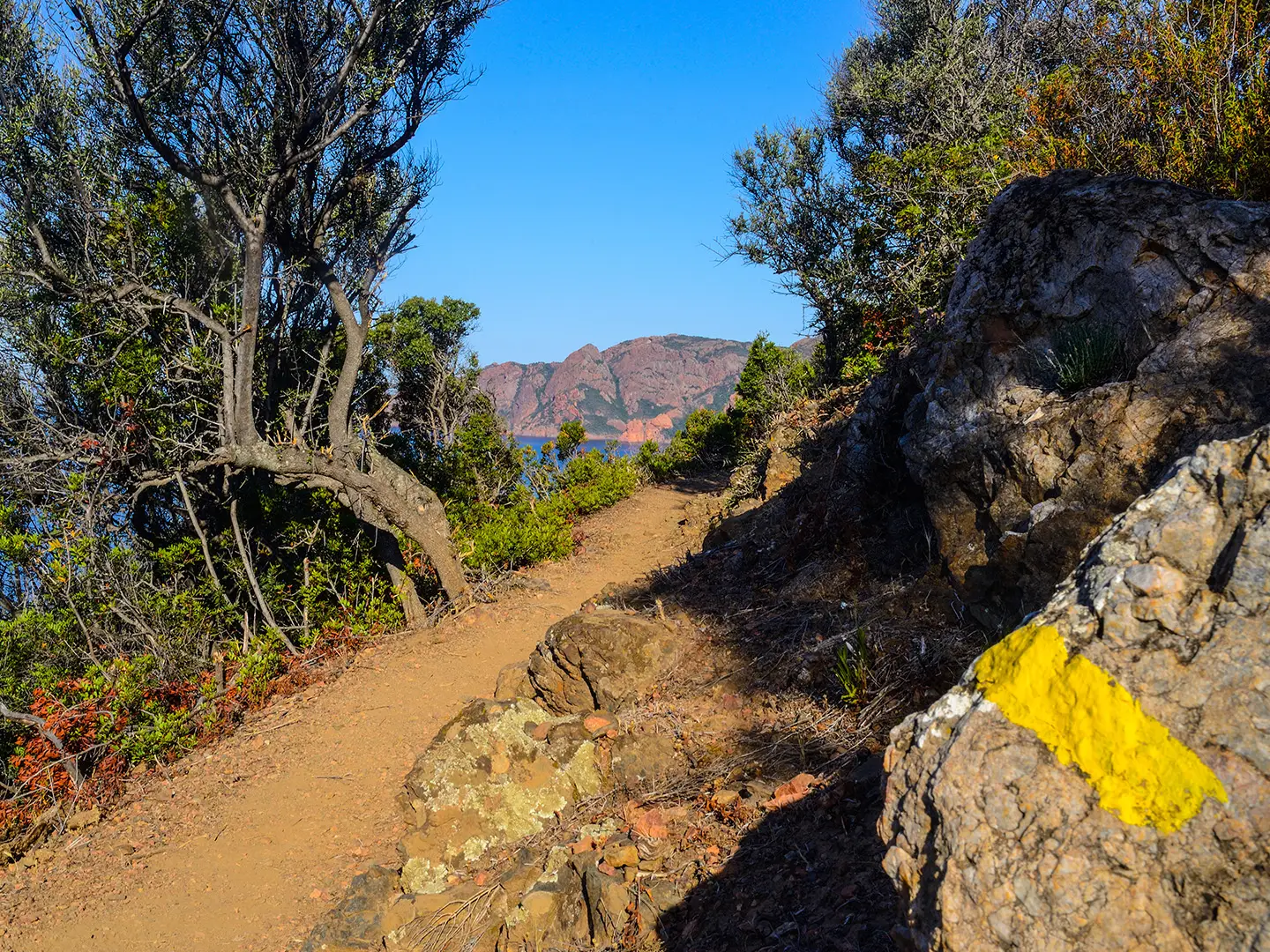
Trail conditions vary greatly throughout the journey. Expect well-marked paths, with sections that are rocky, steep, and occasionally exposed, especially along coastal cliffs and at river crossings. Elevation gain is moderate but cumulative, with numerous ascents and descents. The terrain can become challenging in wet weather, particularly on stony descents and near waterways.
Hikers should be prepared for long daily segments, often ranging from 8 to 16 kilometers (5 to 10 miles), sometimes in remote areas with limited shade or water sources. The best time to hike the Mare e Monti is spring or autumn, when weather is milder and trail infrastructure is fully operational. Carrying sufficient water, sun protection, and sturdy footwear is essential due to variable Corsican conditions and sometimes demanding stretches.
History and Heritage of the Mare e Monti Trail
The Mare e Monti Trail traverses regions of Corsica that have been shaped by centuries of tradition, conflict, and resilience. The path links a series of ancient villages that once relied on footpaths for communication, commerce, and protection from seaborne invaders. Many sections of the trail follow centuries-old mule tracks, originally used to transport goods such as chestnuts, olives, and wine between the coast and the interior. These old stone routes are a living testament to the resourcefulness of the island’s inhabitants.
Corsica itself has a rich and complex history, shaped by waves of conquest and cultural exchange from Greeks, Romans, Pisans, and Genoese rulers. The Mare e Monti Trail passes through areas where Genoese watchtowers still guard the coastline, a reminder of the island’s turbulent past and coastal defenses against pirates and invaders. As you hike, you’ll notice remnants of historical structures, terraced fields, and traditional Corsican houses with slate or tile roofs, echoing the island’s architectural heritage.
Local legends further enrich the journey. Many villages along the route have their own stories of resistance, often centered around Corsica’s ongoing quest for autonomy and identity. Walking the Mare e Monti Trail is not only a physical experience but also a passage through the layered history and cultural continuity of this Mediterranean island.
Notable highlights
Porto Bay: Starting or ending at the picturesque Porto Bay, this UNESCO World Heritage site is renowned for its dramatic red granite cliffs plunging into turquoise waters. The waterfront village of Porto features a historic Genoese tower and is the perfect spot to soak in sunset views.
Evisa Forests: The lush chestnut and pine forests surrounding Evisa are a haven for nature lovers. These shaded woods provide welcome respite and are dotted with colorful wildflowers, especially in spring. The scenic Spelunca Gorge nearby features ancient stone bridges and deep, clear river pools.
Girolata Village: Only accessible by foot or boat, this coastal hamlet is known for its tranquil beaches and vibrant fishing tradition. The village, nestled around a sheltered bay, is also home to the 16th-century Genoese Fort de Girolata.
Ota Village: Perched on a slope overlooking the Spelunca Gorge, Ota boasts traditional Corsican stone houses and breathtaking views of mountain valleys. It is a charming place to break on your journey and sample local specialties in family-run inns.
Curzu and Serriera: These quiet hillside villages offer a glimpse into authentic rural life in Corsica. With their narrow, winding lanes and terraced gardens, they encapsulate the region’s agricultural heritage.
Forests of Aïtone: Known for their towering Laricio pines, these ancient forests provide a dramatic mountain backdrop along the trail. The area abounds with crystal-clear streams and is home to unique native wildlife, including wild pigs and Corsican nuthatches.
Calanques de Piana: Adjacent to the trail’s route, these distinctive rock formations are famous for their vivid orange and pink hues. Sculpted by erosion into fantastical shapes, they provide some of Corsica’s most iconic landscapes and photo opportunities.
Local Culture and Cuisine: Throughout the journey, hikers are welcomed into small villages offering a taste of Corsican hospitality—artisan cheeses, smoked meats, chestnut cakes, and robust local wines are just a few of the regional delights found along the way.
Challenges to expect
The Mare e Monti Trail, while stunningly beautiful, can be demanding for hikers of all experience levels. The route often traverses rugged, uneven terrain, including steep ascents and descents that require a good level of fitness. Rocky paths, loose gravel, and occasional scrambling sections may increase the risk of slips or twisted ankles, especially after rainfall when trails can be muddy and slippery. Carrying trekking poles and wearing sturdy hiking boots is strongly recommended.
Weather conditions add another layer of challenge, as the Mediterranean climate can produce intense heat during peak summer months. On exposed sections, there is minimal shade, so hikers must be prepared with sun protection, hats, and plenty of water. Sudden weather changes, particularly in spring and autumn, can lead to heavy rain showers, making river crossings more hazardous and some tracks difficult to navigate.
Navigation along the Mare e Monti Trail can also be tricky. While the trail is typically marked with orange blazes, signage in remote areas may be sparse or weathered, increasing the risk of losing the path. It’s wise to carry an up-to-date map or GPS device and download digital trail maps before starting your hike. Mobile reception can be unreliable in more isolated sections, so advanced planning is crucial for safety.
- Mountainous
- Forest
- Coastal
- Dirt
- Rocky
- Hotels
- Huts
- Campsites
- Wild camping spots
- Family Friendly
- Pet Friendly
- Water Sources
- Campsites
- Shelters
Starting in the mountain village of Calenzana, the trail heads southwest through lush chestnut forests and climbs steadily into the foothills of the Corsican mountains. The route offers panoramic views of both the coastline and inland summits before descending to the river valley. The day ends at the Bonifatu forest, a popular spot for hikers with gîte accommodation nearby.
Leaving Bonifatu, the trail weaves through fragrant pine woods and follows a scenic route along the Fango Valley. With crossing points over the Fango River, the path transitions from wooded terrain to more open scrubland before arriving in Tuarelli. The village is set in a tranquil valley and offers facilities for rest and resupply.
The third stretch leads westwards beside the Fango River, then climbs gradually over hills with vast coastal views. Hikers experience a shift from inland flora to Mediterranean scrub as they approach the pleasant seaside village of Galeria. The section is highlighted by possible wildlife sightings and opportunities to swim in the river or at the beachfront near Galeria.
This scenic coastal day involves a series of moderate ascents and descents along dramatic cliffs and through dense maquis. The highlight is reaching the isolated hamlet of Girolata, a UNESCO World Heritage Site accessible only by foot or boat. The route includes impressive sea vistas, shaded pine groves, and the chance to spot marine birds.
Departing Girolata, the trail continues south, providing a mix of coastal and inland scenery with several river crossings. Ascending through narrow paths and rocky terrain, hikers eventually reach Curzu, a hilltop settlement offering expansive views of the gulf and the surrounding valleys. Curzu provides basic accommodation and a peaceful stopover.
A day highlighted by varied landscapes, beginning with a descent into the Porto valley followed by an ascent through dense brush and over scenic ridgelines. Serriera welcomes hikers with traditional Corsican hospitality and is set amidst steep, green slopes. The section is known for its impressive rock formations and captivating river gorges.
From Serriera, the path climbs gradually through typical maquis shrubland, with stretches of forested shade and several small stream crossings. Ota lies nestled below the famous Spelunca Gorge and rewards hikers with spectacular views of the red granite cliffs surrounding the valley.
This challenging stretch takes hikers through the heart of the Spelunca Gorge, following ancient mule trails and crossing picturesque stone bridges. The ascent to Evisa is steady, passing through thick chestnut woods and offering cooling shade. Evisa sits at higher altitude, often cooler and famed for its natural springs.
A short descent from Evisa winds through forests and past waterfalls before rising gently to the welcoming mountain hamlet of Marignana. The wonderful scenery is complemented by the authentic charm of this quiet Corsican village and the surrounding lush valleys.
The final stage features a mix of gentle slopes and striking vistas as the trail gradually descends toward the coast. Passing through Mediterranean scrub and terraces, hikers are rewarded with expansive sea views before reaching the historic village of Cargèse. This marks the completion of the Mare e Monti and provides an opportunity to relax and explore the charming coastal surroundings.