GR6
GR6 France: Complete Guide to the Grand Randonnée 6 Trail
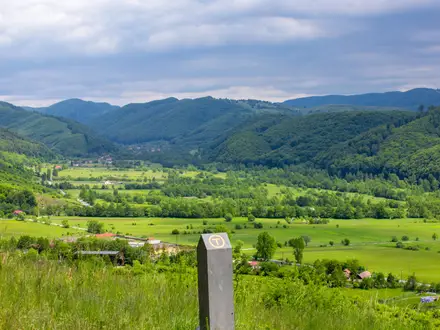
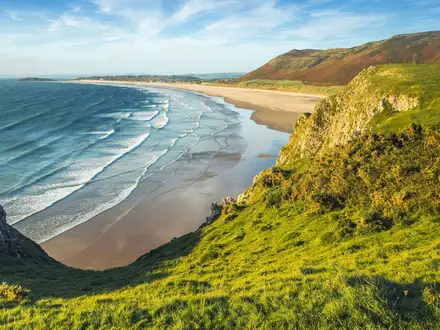
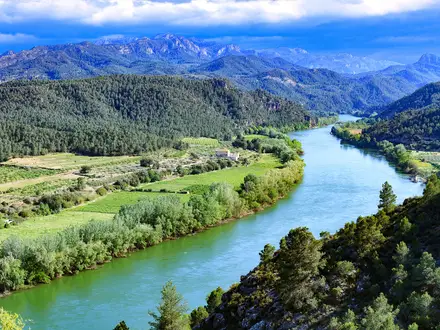
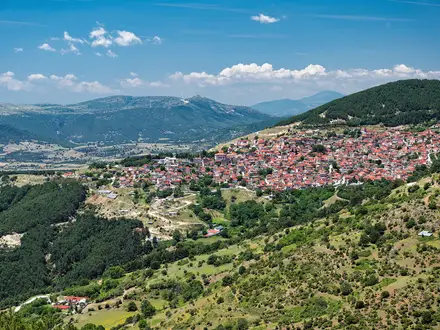
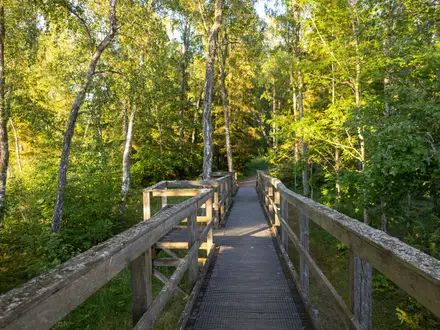
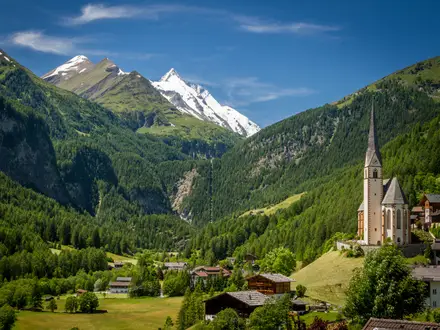
Step onto the legendary GR6 Trail in France, where a tapestry of dramatic landscapes awaits every hiker. Wander through enchanting forests with shafts of sunlight filtering between leafy canopies, traverse rugged mountainous terrain that opens onto sweeping vistas, and pass through timeless stone villages nestled among rolling hillsides.
As you journey along its winding path, the scenery transforms from peaceful woodlands to wild plateaus adorned with blooms and herbs, offering a sense of discovery with each new horizon. With ancient trails underfoot, the GR6 promises a blend of physical challenge, natural splendor, and moments of serene solitude set against the heart of rural and wild France.
Route Overview
The GR6 is a classic long-distance, point-to-point trail stretching approximately 950 kilometers from Arès near Arcachon on the Atlantic coast to Saint-Paul-sur-Ubaye in the foothills of the Alps. Typically, the route is completed over about 40 days, depending on pace and daily mileage. The trail is well-marked with the familiar GR red-and-white blazes and links together multiple regions, including Aquitaine, Dordogne, Lot, Quercy, the Causses, Cévennes, Provence, and ultimately the Alpine valleys.
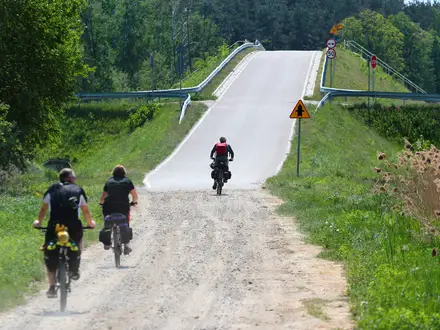
Key locations along the GR6 include Arcachon Bay, Les Eyzies-de-Tayac-Sireuil, Sarlat-la-Canéda, the Dordogne Valley, Saint-Cirq-Lapopie, the Lot River valley, Causse du Quercy, the dramatic Gorges du Tarn, Mont Ventoux, Gordes, and finally the remote Alpine area of Saint-Paul-sur-Ubaye. Trail conditions are varied, ranging from dirt and gravel paths to rocky uplands, narrow woodland tracks, and some paved segments passing through rural towns and villages. Elevation gain accumulates to an estimated 9000 meters, with the highest point around 1800 meters above sea level near Mont Ventoux.
While many segments pass through small towns offering accommodation, food, and water sources, there are also extended rural and wild stretches where resources are limited. Hikers should be adequately prepared for self-sufficiency on these parts of the trail. The GR6 delivers a diverse, challenging, and rewarding traverse across southern France, renowned for its natural beauty and cultural heritage.
Historical Context of the GR6 Trail
The GR6 is part of France's iconic network of Grande Randonnée (GR) long-distance footpaths, originally conceived in the mid-20th century to encourage exploration of the French countryside on foot. The trail connects the Atlantic coast near Arcachon to the foothills of the Alps, passing through regions rich in history, including ancient trade routes, medieval towns, and areas once inhabited by prehistoric peoples. Along its length, hikers encounter vestiges of Roman roads, fortified villages, and centuries-old churches—markers of France’s enduring cultural tapestry.
Throughout history, the lands traversed by the GR6 have witnessed countless events, from the migrations of early European tribes to pivotal battles during the Middle Ages. The path meanders through the Périgord region, noted for its prehistoric caves and troglodyte dwellings, as well as across rugged uplands and gentle valleys where small farming communities have thrived for generations. Each step along the GR6 offers a journey not just through spectacular landscapes, but also through the layered stories of France’s vibrant past.
Notable highlights
- Bassin d’Arcachon: Begin or end your journey on the stunning Atlantic coast, where the expansive basin meets sandy beaches and pine forests, offering spectacular sunsets and opportunities to explore oyster-farming villages.
- Les Eyzies-de-Tayac-Sireuil: Known as the "Capital of Prehistory," this village in the Périgord features world-renowned prehistoric caves, including Lascaux (nearby), and the National Museum of Prehistory.
- The Dordogne Valley: Hike through dramatic river valleys, passing picturesque villages like La Roque-Gageac and Beynac, each crowned by imposing castles that once guarded these strategic waterways.
- Causse du Quercy: Experience the wild limestone plateaus and dry valleys unique to this UNESCO Global Geopark, dotted with wildflowers, stone shepherd huts, and ancient dolmens.
- Saint-Cirq-Lapopie: A cliffside medieval village perched high above the Lot river, frequently named one of the most beautiful villages in France, with narrow lanes, artisanal shops, and panoramic vistas.
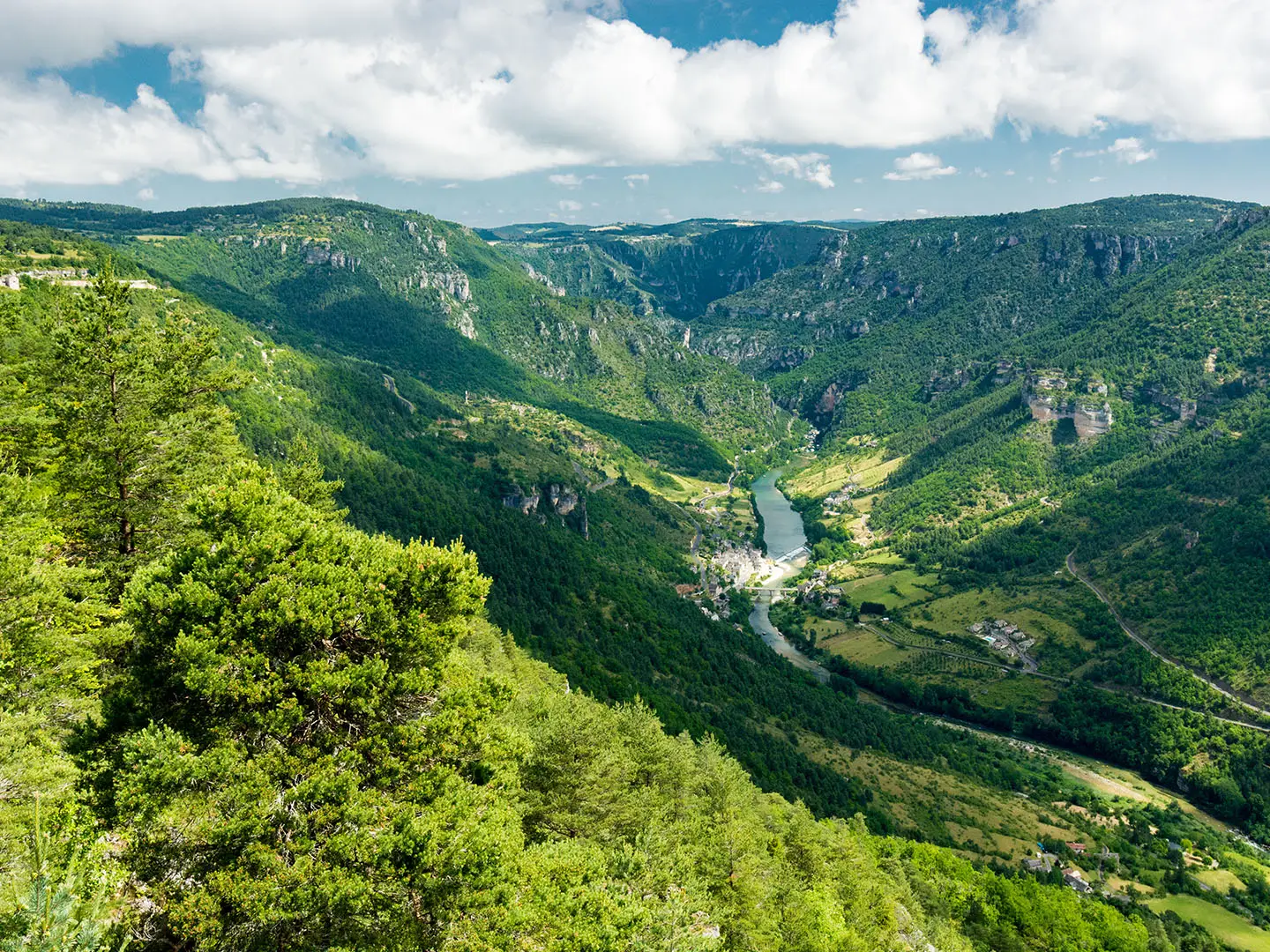
- Gorges du Tarn: Marvel at breathtaking limestone cliffs, deep gorges, and sparkling turquoise waters as the trail skirts this natural wonder, providing some of the most dramatic scenery on the route.
- Mont Ventoux: The iconic “Giant of Provence” marks one of the highest points on the GR6, featuring alpine meadows, expansive views toward the Alps, and a landscape recognized by UNESCO as a biosphere reserve.
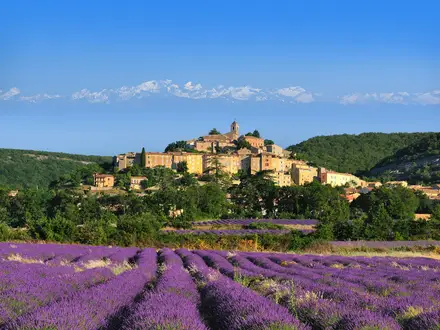
- Provençal Villages: The route winds through lavender fields and sun-drenched stone villages such as Gordes and Roussillon, celebrated for their vibrant markets, historic charm, and stunning ochre cliffs.
- Cultural Heritage Sites: Along the GR6, encounter Romanesque churches, ancient bridges, and vestiges of monastic life, offering glimpses into the spiritual and architectural history of rural France.
Challenges to expect
The GR6 is a demanding long-distance route that requires strong physical endurance and careful planning. Many sections feature steep ascents and descents, particularly as you traverse mountainous terrain such as the Massif Central and near Mont Ventoux. Rocky, uneven paths and long stretches without shelter can increase fatigue, especially for those unused to walking consecutive days over varied topography.
Weather conditions can change rapidly, with spring and autumn occasionally bringing heavy rains that make certain sections slippery or muddy. Summer often means high temperatures and exposed stretches with little shade—adequate sun protection and hydration are crucial. While waymarking is generally reliable, some remote or forested areas may have faded trail markers, making accurate navigation skills and a good map or GPS device important for staying on track. Supplies and services can be limited in rural and isolated regions, so be prepared for long intervals between resupply points.
- Mountainous
- Forest
- Dirt
- Rocky
- Gravel
- Hotels
- Huts
- Campsites
- Hostels
- Wild camping spots
- Pet Friendly
- Water Sources
- Campsites
- Shelters
Departing from Arès on the shores of Arcachon Bay, the route quickly immerses hikers in serene coastal woodlands and pine forests, passing salt marshes and tranquil lagoons. The mostly flat terrain makes for a gentle start as you approach the waterside town of Audenge, known for its natural reserves and birdlife.
From Audenge, the trail heads southeast along forest paths lined with maritime pines and ferns. The day traces the Leyre River, providing gentle riparian scenery and the first glimpses of rural Aquitaine before entering the village of Mios.
Following quiet country lanes and forested trails, today’s stage continues through the Landes de Gascogne Regional Natural Park. The flat route allows for an easy pace, with opportunities to explore the region’s unique flora before reaching Belin-Béliet.
Today the GR6 navigates away from large villages into a wilder expanse of pine forest and moorland. The route is straightforward, highlighted by crossing several small lakes and ponds, before arriving at Hostens, a village adjacent to a popular nature reserve.
A longer stretch covers moorland before gradually transitioning into cultivated lands crisscrossed by streams. Approaching Bazas, hikers enter a historic town famous for its cathedral and lively square.
Departing Bazas, the trail leads through rural farmland and oak groves. The landscape remains gently rolling, offering pleasant countryside walking as you reach the small commune of Captieux.
This stage introduces you to the Landes forest, alternating between woodland tracks and agricultural landscapes. The route passes a few hamlets before arriving at Gabarret, nestled in Gascony.
Continuing southeast, the trail crosses vineyards and gentle hills, entering the Armagnac region. Eauze, a town with Gallo-Roman roots, offers historical intrigue and rustic charm.
From Eauze, the GR6 meanders through undulating countryside and expansive fields. The walk to Nogaro offers a mix of open horizons and shaded paths, with the village known for its racing circuit and Armagnac brandy.
A varied day’s walk gently climbs and descends through vineyards and orchard-laden hills. The day ends at Aire-sur-l’Adour, set beside the Adour River and home to a historic cathedral.
Traveling towards the Pyrenean foothills, the landscape begins to rise. Country lanes and occasional villages characterize the route before reaching the market town of Maubourguet.
The route heads toward the heart of Bigorre, offering views of distant mountain ranges. The terrain is undulating but manageable, and the day ends in the small town of Vic-en-Bigorre.
Today’s section heads east along farmland before entering the urban area of Tarbes, a regional hub. Services and amenities are plentiful here, allowing for resting and resupply.
Departing Tarbes, the path resumes its rural character, following rolling hills and quiet villages before reaching Trie-sur-Baïse, a bastide town with markets and traditional architecture.
Crossing into Gers, the day’s route features wheat fields, sunflower expanses, and streams. The destination is Castelnau-Magnoac, perched on a hill with sweeping countryside views.
A moderate day follows tranquil streams and rural tracks into Haute-Garonne. The hills become higher and forest patches more frequent, ending in Boulogne-sur-Gesse.
Fields give way to denser forests as you approach the Garonne valley. This section ends at Saint-Gaudens, an ancient town with a remarkable Romanesque church.
The GR6 now traverses foothills leading toward the Pyrenees proper. Expect steeper gradients, narrow paths, and an increasing alpine backdrop as you near Aspet.
A challenging mountain section climbs higher into the Pyrenees, crossing forests, streams, and passing limestone cliffs. The arrival in Saint-Béat signals entry into high mountain country.
The route weaves through remote valleys, crossing woodlands and exposed tracks with alpine views. A longer day, ending at Saint-Girons, a gateway to the Ariège Pyrenees.
Following the Lez valley, today’s trail is dotted with small hamlets and green pastures. The scenery becomes increasingly mountainous as you approach Castillon-en-Couserans.
Shorter in distance but involving greater elevation, today’s section traverses dense forests and follows the Salat river to the old village of Seix, nestled at the foot of the mountains.
A challenging day, climbing winding tracks over mountain passes with sweeping panoramas. The descent into Massat rewards with a lively village atmosphere.
The route leaves the high valleys, skirting forest ridges and tiny hamlets before a long descent toward Foix with its famous medieval castle.
A transition day from mountains to gentler rolling hills. Walk through wooded paths and countryside clearings, arriving at Mirepoix, a bastide town with a picturesque medieval square.
Today’s well-marked section crosses open farmland, orchards, and sleepy villages. The day closes at Mazères, a riverside town with medieval origins.
You’ll follow a mix of riverside and country trails today, with cultivated land often giving way to small woodlands. Pamiers offers a larger town atmosphere for rest.
Traverse rural Ariège, with easy paths and quiet country lanes. The trail is peaceful with frequent bird sightings and passes by rolling fields.
Ramble through low hills and lush farm valleys. The highlight is reaching Le Mas-d’Azil with its famous prehistoric cave and river that flows through it.
After exploring the unique cave at Le Mas-d’Azil, the trail gently undulates through the Couserans toward the market town of Saint-Girons, revisiting earlier valleys from a new angle.
This stretch retraces part of the earlier stage, heading deeper toward the heart of the Pyrenees. Forested routes and sporadic mountain views characterize the journey.
The wooded valleys transition to higher, steeper paths with noticeable elevation gain. Arrival in the remote village of Sentein rewards with stunning Pyrenean vistas.
This demanding mountain stage involves high passes, shepherd huts, and rugged landscapes. The descent to Aulus-les-Bains, a spa village, is steep but scenic.
Traversing mountain ridges and valleys, you’ll find both challenging elevation and picturesque meadows. The day ends in Seix, surrounded by peaks.
Descending to the valley, today's walk alternates between riverside trails and forest tracks. Arrive in the small, traditional village of Oust.
The ascent from Oust leads over a picturesque mountain pass, with panoramic views and pastoral scenes. The day concludes in Massat, a welcoming mountain village.
This day features rugged highlands and dramatic rocky scenery as the route approaches the Ariège valley basin and ends in the historic town of Tarascon-sur-Ariège.
An exceptionally long day, gradually leaving the Pyrenean influence behind for more Provençal landscapes. Hikers will notice sparser forests, lavender fields, and chalk hills as the road climbs toward Mont Ventoux.
Today’s route crosses a mix of exposed ridges, rocky paths, and high meadows, eventually descending to Sisteron—the 'Gateway to Provence'—with its imposing citadel above the Durance river.
The final section leads through mountain foothills, traversing remote valleys, larch forests, and wild, scenic plateaus before reaching Saint-Paul-sur-Ubaye in the lower Alps, marking the GR6’s conclusion.