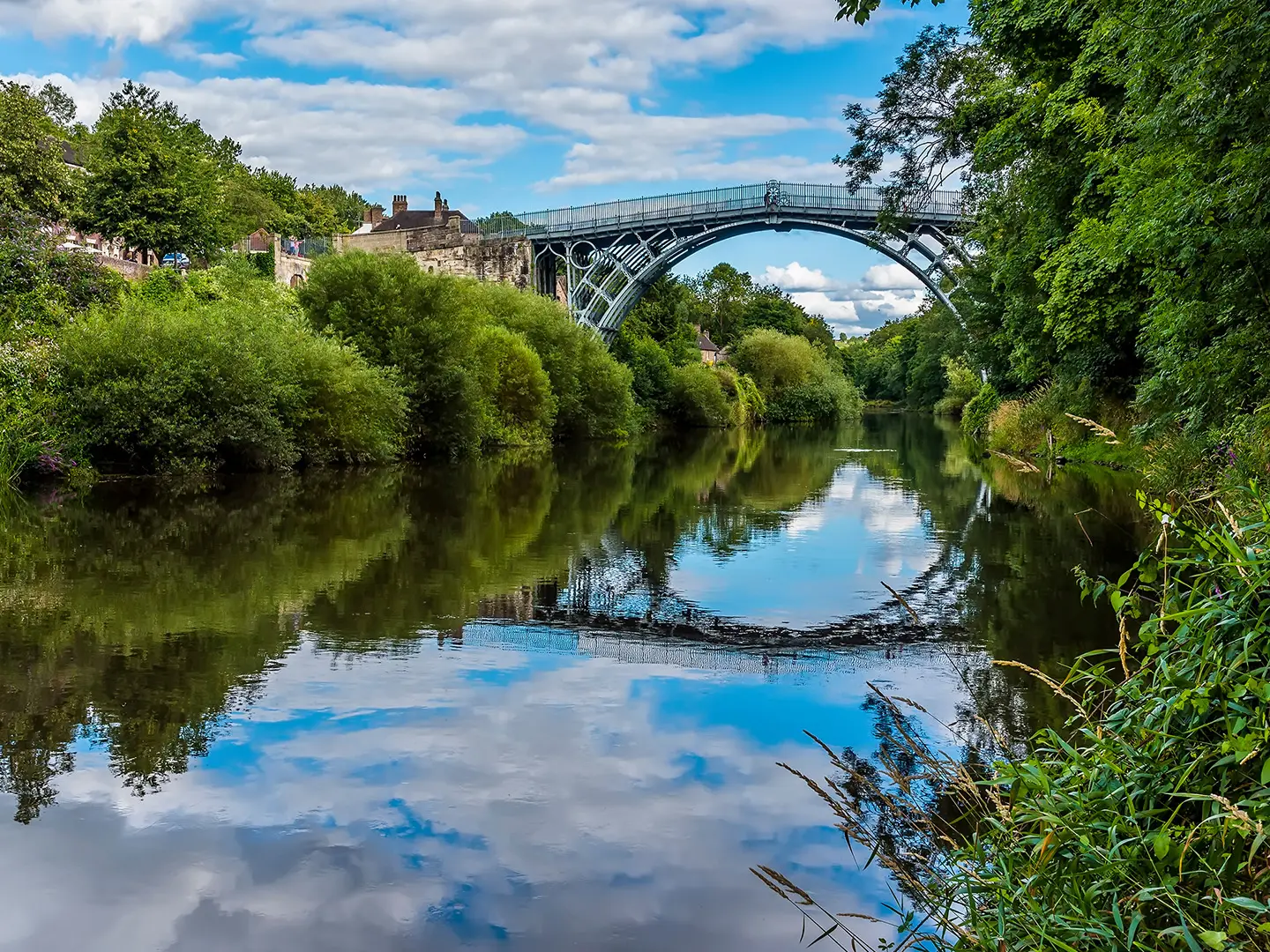
Monarch's Way
Explore the Historic Journey: Monarch's Way Hiking Trail in Great Britain
Embark on a remarkable journey along the Monarch's Way, a captivating long-distance hiking trail that retraces the steps of King Charles II's dramatic escape after the Battle of Worcester in 1651. Stretching across the picturesque landscapes of the British countryside, this trail offers an unparalleled experience of history intertwined with natural beauty. Wander through serene forests, bustling urban settings, and expansive grasslands, each revealing stories of the past. As you traverse the 990-kilometer path, enjoy the diversity of the scenery, from charming villages dotted with traditional architecture to rolling hills offering panoramic views. The moderate challenge of the trail is softened by its accessibility, with numerous accommodation options and amenities available. Whether you're a history buff, nature enthusiast, or simply seeking adventure, the Monarch's Way promises an unforgettable exploration of England's rich heritage wrapped in the embrace of spectacular vistas.
Route Overview
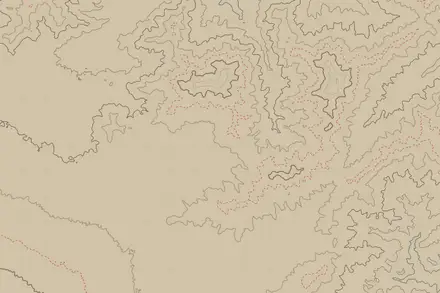
Monarch’s Way stretches approximately 625 miles (1,006 km) across England, retracing the escape route allegedly taken by King Charles II after the Battle of Worcester in 1651. The trail begins in Worcester, located in Worcestershire, and winds its way to the final point at Shoreham-by-Sea, West Sussex, closely following the historic royal flight.
Along the route, hikers will encounter a variety of landscapes and pass through an array of notable towns and villages, including Stourport-on-Severn, Stratford-upon-Avon, Stow-on-the-Wold, Cirencester, Bristol, Bath, Yeovil, Frome, Salisbury, Chichester, and several sections of the South Downs. The path weaves through fields, ancient woodlands, riverbanks, chalk downs, and stretches of quiet country lanes. Due to the length and variable nature of the Monarch’s Way, the route is typically tackled in segments, with the entire journey taking around 6 to 8 weeks for those attempting a continuous thru-hike, though many choose to complete it over several years.
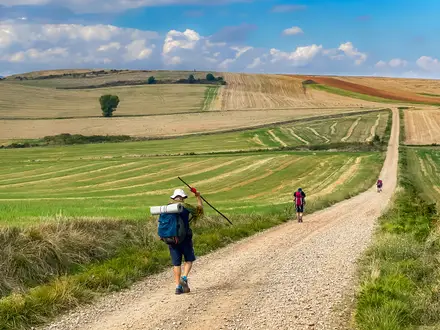
Trail conditions are highly variable. Much of the path follows public rights of way, bridleways, and footpaths, which may be muddy, overgrown, or uneven in places, especially after wet weather. Some road walking is unavoidable, especially through urban sections and certain rural stretches. Signage can be sporadic, so detailed maps or GPS navigation are recommended. Most of the trail is well-suited to experienced long-distance hikers, but beginners can enjoy shorter sections with appropriate planning.
Due to the extended length and diverse terrain, accessibility and amenities such as accommodation, food, and transportation options fluctuate significantly along the route. It's essential for hikers to plan logistics carefully, particularly in remote rural areas where services may be limited. Keep in mind that Monarch’s Way crosses both protected countryside and populated areas, offering a unique blend of natural beauty and historic interest throughout its course.
Following the Footsteps of History
The Monarch's Way is steeped in rich historical context, tracing the dramatic escape route of King Charles II after his defeat at the Battle of Worcester in 1651. This pivotal moment during the English Civil War marked the final battle and a significant turning point in British history. As Charles fled from the parliamentary forces, he traversed diverse terrains and sought refuge in the homes of loyal supporters, capturing the essence of adventure and peril along the way. The trail not only marks his physical journey but also embodies the cultural and political turmoil of 17th-century England. Wandering along this path, hikers tread through villages and landscapes that have witnessed centuries of change, from ancient forest paths to bustling market towns. Today, the Monarch's Way serves as a living relic, offering hikers a glimpse into the monarch’s daring escape while celebrating the intricate tapestry of England’s past.
Notable highlights
Boscobel House and the Royal Oak: Discover the famed hideout where King Charles II concealed himself in an oak tree to evade capture by parliamentary forces. This historic site offers a fascinating glimpse into the monarch’s desperate flight and the loyalty of his supporters.
Cotswold Escarpment: Traverse this breathtaking stretch that provides sweeping views of the surrounding countryside. The escarpment is part of the Cotswolds Area of Outstanding Natural Beauty, known for its picturesque rolling hills and quintessential English villages.
Devil's Punch Bowl: Explore this natural amphitheater nestled in the Surrey Hills, boasting unique geological formations and lush greenery. It’s a serene spot for birdwatching and enjoying the tranquil beauty of nature.
The Severn River Crossing: Experience the challenge and grandeur of crossing one of Britain’s major rivers. The crossing marks a significant point on the trail, representing both a geographic and metaphorical journey through history.
Worcester Cathedral: Marvel at this stunning example of Gothic architecture where the journey begins. Worcester Cathedral houses the tomb of King John and offers rich insights into England’s ecclesiastical heritage.
Challenges to expect
Hikers embarking on the Monarch's Way should be prepared for a range of challenges that add to the adventure of this iconic trail. The long-distance path involves varying terrain, with segments of steep climbs and uneven surfaces that can test endurance and agility. Navigation through the trail may present difficulties in areas where the path becomes less defined, demanding careful attention to maps and waymarkers. Weather conditions in Britain can be unpredictable; hikers might encounter sudden changes such as heavy rain or strong winds, especially across exposed stretches. While the trail passes through some populated areas, sections of remoteness require careful planning for provisions and ensuring reliable water sources. Additionally, encountering livestock is common, necessitating a respectful distance and awareness of the surroundings. These factors, while demanding, enrich the experience, offering both challenges and opportunities for personal growth and connection with nature.
- Forest
- Urban
- Grassland
- Dirt
- Gravel
- Paved
- Hotels
- Guesthouses
- Campsites
- Hostels
- Wild camping spots
- Family Friendly
- Dog Friendly On Leash
- Restrooms
- Non Potable Water Sources
- Established Campsites
- Shelters
- Picnic Areas
- Public Transport Access Points
Begin the Monarch's Way trail in historic Worcester, following the River Severn northwest. The route initially passes through riverside meadows and minor woodlands, leading to the picturesque Georgian town of Stourport-on-Severn. Expect flat, well-marked riverbank paths with occasional muddy stretches after rainfall and easy navigation.
From Stourport, head southeast across quiet agricultural landscapes and woodland toward Stratford-upon-Avon, passing through villages such as Hartlebury and Feckenham. This section features mixed terrain, including canal towpaths and stretches by the River Avon, culminating in the historic home of Shakespeare.
Leave Stratford and traverse the scenic Cotswolds, passing rolling hills and classic villages such as Shipston-on-Stour and Longborough. The journey leads into Stow-on-the-Wold, a quintessential market town with historic charm. Paths can be undulating, with some stony or uneven tracks.
Continue southeast from the heights of Stow through classic Cotswold countryside and fields, passing Northleach and gently descending into the Roman town of Cirencester. Expect a mixture of open farmland, wooded glades, and well-established bridleways.
Head southwest from Cirencester across the rolling landscapes of the Cotswolds, passing through Tetbury, Badminton, and along parts of the Cotswold Way. The approach to Bath brings you into a city counted among Britain’s scenic jewels, with urban parks and heritage features along the latter part.
Follow the Avon Valley as you leave Bath, heading west through picturesque countryside villages including Saltford and Keynsham, before entering the vibrant city of Bristol. Expect largely riverside paths and suburban greenways, with some short urban interludes.
Depart bustling Bristol and head southwest toward the cathedral city of Wells, passing through the Mendip Hills and villages such as Chew Stoke and Priddy. This stretch includes rolling meadows, steep ascents, and some remote, open landscapes.
Travel south through the peaceful Somerset countryside, following ancient tracks and lanes through villages like Shepton Mallet and Castle Cary. The section concludes in the market town of Yeovil, with a mix of farmland and rural hamlets along the way.
From Yeovil, journey eastwards across the open downs of Dorset and Wiltshire, taking in Sherborne, Shaftesbury, and parts of Cranborne Chase before descending to the historic cathedral city of Salisbury. Expect long, remote rural stretches and minimal services between towns.
Strike southeast across the Hampshire countryside, traversing the wooded slopes of the South Downs and quaint villages such as West Meon and East Meon. The route is largely rural, with some chalky paths and rolling hills as you approach Petersfield’s bustling market square.
Leave Petersfield heading east, meandering through the South Downs National Park via villages such as Harting and Singleton. This stretch is typified by sweeping chalk landscapes, open farmland, and woodland walks before entering the historic city of Chichester.
The final stretch follows coastal plains and chalk grassland trails from Chichester to the English Channel at Shoreham-by-Sea, passing through Arundel and Steyning en route. This concluding section features a mix of river paths, farmland, and stunning coastal vistas, ending at the Sussex shoreline.