E8 European Long-Distance Path
E8 European Long-Distance Path in Romania: Complete Hiking Guide
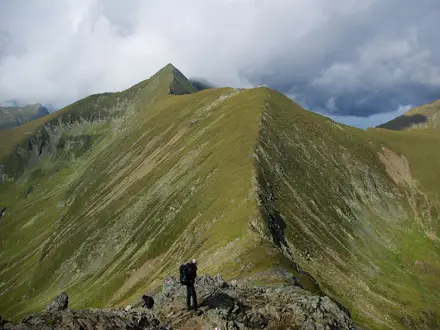
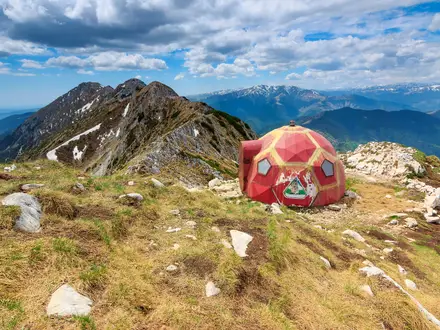
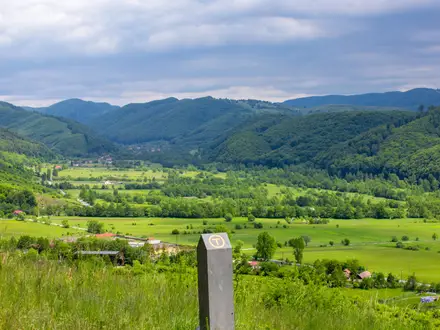
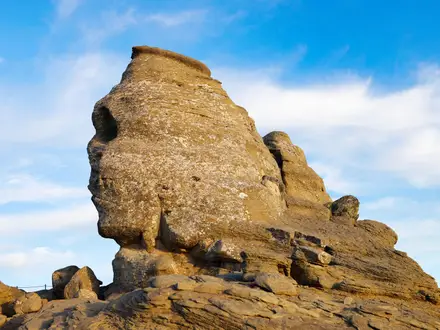
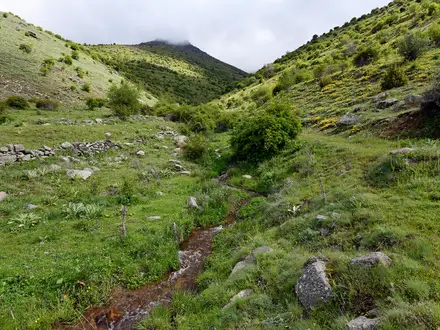
Embark on an extraordinary adventure along the E8 European Long-Distance Path in Romania, a trail that weaves through the heart of the Carpathian Mountains, verdant forests, and picturesque rural landscapes. This challenging route offers hikers a breathtaking variety of vistas, from sweeping alpine meadows and dramatic rocky outcrops to deep wooded valleys and charming mountain villages. The path showcases Romania’s rich biodiversity, with opportunities to spot wildlife, encounter wildflowers in bloom, and hear the gentle sounds of rushing streams.
Traversing the Romanian segment of the E8 means immersing yourself in a blend of natural beauty and cultural heritage. Expect to cross historic shepherd trails, encounter warm local hospitality, and experience solitude as you journey through remote sections of unspoiled wilderness. Whether you’re after the thrill of testing your endurance or seeking peaceful moments surrounded by untouched nature, the E8 in Romania promises an unforgettable hiking experience.
Route Overview
The E8 European Long-Distance Path in Romania is a point-to-point trek spanning approximately 620 kilometers from the Ukrainian border near Sighetu Marmației in the north to the eastern Carpathians around the Bicaz Gorge area. The route traverses the Maramureș region, continues through the Rodna Mountains National Park, crosses the Bârgău Pass, and continues over the Călimani Mountains before reaching its conclusion near the spectacular cliffs and forests of the Bicaz area. Along the way, hikers will pass through notable landscapes such as the Bistrița Valley, the remote Țibleș Mountains, and regions dotted with historic villages and diverse ecosystems.
The trail typically takes around 30 days to complete, depending on pace, route choices, and weather conditions. Terrain varies from rugged mountain paths with steep rocky slopes to forest tracks and valley trails. Expect mostly dirt and rocky surfaces, interspersed with gravel in more accessible areas. Navigation may require the use of detailed maps or GPS, as waymarking can vary in quality. Key logistical points include mountain huts, hostels, wild camping spots, and occasional access to villages for resupply. The overall difficulty is rated as hard, requiring good physical condition, experience in remote or high-mountain hiking, and careful planning, particularly for overnight stays and food supplies.
Historical Context of the E8 Path in Romania
The E8 European Long-Distance Path is one of the continent’s most ambitious walking routes, stretching from Ireland to Turkey and bridging diverse cultures and landscapes. The Romanian section holds particular historical significance, as it traverses regions long shaped by a mosaic of peoples and empires. Many segments of the trail follow ancient shepherd paths and trade routes that have connected communities across the Carpathians for centuries. These routes once facilitated commerce and cultural exchange between the Transylvanian heartland and neighboring regions, especially during the era of the Austro-Hungarian and Ottoman Empires.
As you hike through rural villages along the E8, you will notice influences from various periods of Romanian history—medieval churches, fortified towns, and centuries-old traditional wooden architecture. In some areas, the trail passes memorials and remnants from World War I and II, offering reminders of the region’s strategic importance during turbulent times. Roman roads and archaeological sites occasionally appear near the route, further linking today’s journey with stories from the distant past. The path offers not just breathtaking scenery, but a walk through the living history of Romania and Europe itself.
Notable highlights
- Rodna Mountains National Park: A wild and scenic section of the E8 featuring dramatic ridgelines, alpine meadows, glacial lakes, and peaks such as Pietrosu Mare (2,303 m), the highest point in the Eastern Carpathians.
- Bârgău Pass: An historic mountain pass steeped in legend and literary fame, associated with Bram Stoker’s "Dracula" and connecting the regions of Maramureș and Transylvania.
- Maramureș Wooden Churches: The trail passes near traditional villages with UNESCO-listed wooden churches, showcasing the distinct architecture and craftsmanship of northern Romania.
- Bistrița Valley: A picturesque river valley dotted with charming settlements, historic monasteries, and rural landscapes that embody the peaceful side of Romanian countryside.
- Călimani Mountains: Known for their volcanic origins, unique rock formations, and the expansive Călimani National Park, offering both natural wonders and rare wildlife.
- Țibleș Mountains: A lesser-visited segment featuring dense forests, remote trails, and tranquil scenery, perfect for solitude and nature enthusiasts.
- Traditional Romanian Villages: Throughout the route, hikers encounter authentic rural life, folk culture, wooden gates, and the welcoming hospitality of local communities.
- Wildlife Observation Opportunities: The route traverses biodiverse regions where hikers may spot chamois, deer, bears, lynx, and a variety of birdlife in their natural environments.
Challenges to expect
Hikers on the E8 European Long-Distance Path in Romania should be prepared for significant elevation changes, with long, steep ascents and descents across mountainous terrain. Some segments, especially in the Rodna and Călimani Mountains, are physically demanding and can test both endurance and navigation skills. Rocky paths, loose gravel, and muddy slopes are common, particularly after rain, increasing the risk of slips and falls.
Weather variability is another major challenge. Even in the recommended hiking seasons, sudden storms, cold snaps, and dense fog can occur at higher elevations. Proper gear, including waterproof clothing and warm layers, is essential. Reliable water sources may be spread out in some stretches, requiring careful planning and water carrying capacity.
Waymarking and navigation can present difficulties as well. Although some trail sections are well-marked, others have faded signs or confusing intersections, especially where the E8 merges with local paths. Having a GPS device, detailed maps, or a navigation app is strongly advised. Limited mobile phone coverage in remote mountain regions can make it harder to seek help or reroute if needed.
Logistical support and resupply points are infrequent in certain remote areas. Accommodation, food, and other services may require detours to nearby towns, and wild camping is often necessary between established lodging points. Hikers should be comfortable with self-sufficiency, including carrying provisions and managing overnight stays in the wilderness.
- Mountainous
- Forest
- Dirt
- Rocky
- Gravel
- Huts
- Campsites
- Hostels
- Wild camping spots
- Hotels
- Lodges
- Family Friendly
- Pet Friendly
- Water Sources
- Campsites
- Shelters
Begin your journey at Sighetu Marmației near the Ukrainian border, passing through the lively town center before moving south along pastoral landscapes and quiet roads to the rural village of Sarasău. The day blends riverside walking and glimpses of traditional Maramureș villages.
Follow gentle country lanes and wooded paths deeper into Maramureș. Arrive at Bârsana, home to a famous UNESCO-listed wooden church and known for its vibrant traditional culture and craftwork.
Walk a mix of undulating trails through a patchwork of fields, forests, and orchards. The peaceful day ends at the village of Săcel, rich in craft traditions and set at the base of the Maramureș and Rodna mountain ranges.
Ascend from village meadows into wooded foothills, entering the gateway to the Rodna Mountains. Traverse dense forests and emerge at Borșa, a lively mountain hub well-known among hikers.
A spectacular day climbing into the heart of the Rodna Mountains. Navigate pine woods and alpine meadows to reach Cascada Cailor, Romania’s highest waterfall, set in a glacial valley.
Experience one of the most challenging sections, climbing steep alpine trails to Pietrosu Mare (2,303m). Travel along rocky ridges with panoramic views, then descend to a hut or campsite.
Make a long descent from open mountain ridges into thick woodland and remote valleys, ending at the traditional Șetref Pass connecting Maramureș and Transylvania.
Cross foothills and forest clearings as you enter the Bârgău Mountains. The day takes you through patches of meadows and rustic farmland, ending in Lunca Ilvei.
Ascend through folklore-rich country over Bârgău Pass, associated with Dracula legends. Follow pastoral tracks through forest and pasture to the resort area at Piatra Fântânele.
Descend through dense pine forests, winding along highland trails. Arrive at the tranquil lakeside of Colibița, known for its picturesque water and pine-studded slopes.
Traverse gentle forest roads and open farmland, passing small settlements and agricultural landscapes. The stage ends in Prundul Bârgăului.
Continue up the scenic Bârgău Valley, alternating between woodland paths and riversides. Enjoy quiet sections and glimpses of local wildlife before reaching Bistrița Bârgăului.
Follow the Bistrița river through rolling valleys into the city of Bistrița, a regional center with historic architecture and plenty of facilities for hikers.
Leave Bistrița on rural tracks alongside agricultural fields and through gently undulating terrain. The day ends in the welcoming village of Dumitra.
Enter quieter countryside and wooden hillsides, passing through remote communities and forested paths. Arrive in Telcișor nestled at the forest’s edge.
A scenic day over rolling hills, entering Sângeorz-Băi, a spa resort famous for its mineral waters. Forest paths and mountain views dominate the stage.
Follow undulating rural paths before entering more rugged foothills and remote woodland, finishing in the village of Romuli at the foot of the Țibleș Mountains.
Ascend into the wilds of the Țibleș Mountains on narrow, challenging trails. Reach Țibleș Peak for breathtaking vistas and wilderness camping.
Descend through thick forest and hill pastures on lesser-traveled trails. Arrive at Groșii Țibleșului, a tranquil mountain village.
Journey across meadows and rolling countryside, passing through scattered hamlets and the rural Lăpuș Valley rich in local folklore.
Follow the Lăpuș River southeast, a gentle stage into the active market town of Târgu Lăpuș, offering services and local color.
Transition toward the foothills of the Călimani Mountains through farmland and scattered woodlots, with occasional views of the coming mountain ranges.
Begin the climb into Călimani National Park. As you gain height, forests give way to volcanic outcrops. Reach Rețitiș Peak for a night in the wild or at a basic mountain refuge.
Traverse the Călimani plateau, crossing volcanic ridges, dwarf pine, and open high meadows. The wild, remote setting leads to Negoiu Unguresc.
Descend wooded slopes and glacial valleys, eventually reaching Gura Haitii, a gateway community for hikers at the park’s margin.
Walk down the upper Bistrița Valley, passing a series of villages and open woodland, to reach the spa center of Vatra Dornei with full amenities.
Climb away from Vatra Dornei through hilly forest, passing springs and pastures with distant mountain views, ending in the rural hamlet of Poiana Negrii.
Hike remote valleys and over rolling forested ridges, with significant elevation gain before a final descent to the mountain village of Chiril, close to the Rarău Massif.
Approach the dramatic limestone formations of the Bicaz Gorge. Cross narrow passages flanked by huge cliffs and descend to the entrance of this iconic Carpathian landmark.
Conclude your trek amid the towers and canyons of the Bicaz Gorge, finishing at Lacul Roșu (Red Lake), famed for its emerald waters and pine forest backdrop—a spectacular finale to your E8 journey in Romania.