Trekvogelpad (Migratory Bird Path)
Trekvogelpad (Migratory Bird Path): Complete Guide to the Netherlands’ Premier Long-Distance Hiking Trail
Embark on a journey across the heart of the Netherlands with the Trekvogelpad (Migratory Bird Path), the country’s longest marked hiking trail. Spanning an impressive landscape of dense forests, sweeping wetlands, charming villages, and vibrant nature reserves, this trail invites hikers to explore a rich mosaic of Dutch scenery. As you follow the path from the North Sea coast near Bergen aan Zee to the border of Germany, you’ll traverse quiet farmlands, picturesque river valleys, and tranquil heathlands, all while tracing the migratory routes of countless bird species that lend the trail its distinctive name.
Ideal for nature lovers, birdwatchers, and long-distance hikers, the Trekvogelpad offers a unique opportunity to experience the Netherlands’ diverse ecology up close. Whether hiking through the green embrace of the Veluwe forests or skirting the peaceful banks of the IJssel river, every step immerses you deeper into the serenity and subtle beauty that define this remarkable route.
Route Overview
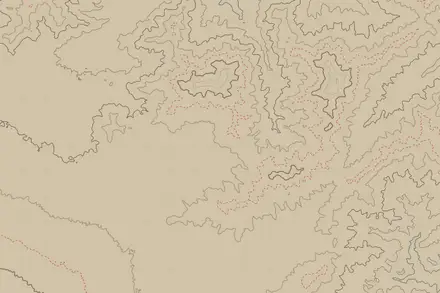
The Trekvogelpad starts at Bergen aan Zee on the North Sea coast and stretches eastward across the breadth of the Netherlands, ending in Uithuizen near the Wadden Sea. The route is approximately 414 kilometers long and typically takes most hikers around 19 days to complete, although it can be tackled in shorter sections for those preferring day or weekend hikes.
The trail passes through a variety of landscapes and notable locations, including the Schoorlse Duinen, the Gooi and Vecht region, Naardermeer Nature Reserve, Utrechtse Heuvelrug National Park, the Ijssel river valley with its historic Hanseatic cities like Zutphen and Deventer, Veluwezoom National Park, Drentsche Aa National Landscape, and the Bargerveen Nature Reserve near the German border. The journey connects forests, wetlands, farmlands, river valleys, and small towns, providing a cross-section of Dutch nature and culture.
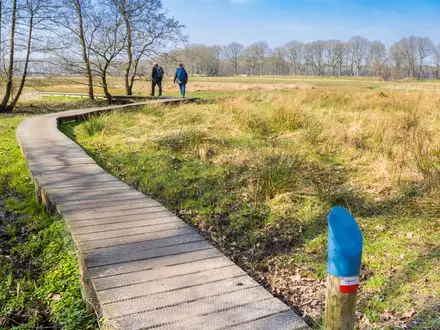
Trail conditions are generally good, consisting of a mix of dirt paths, gravel lanes, paved sections, and some boardwalks through marshy or wetland areas. Elevation changes are minimal, with the highest point only about 52 meters above sea level, but persistent wet weather can lead to muddy and slippery conditions in some areas. Facilities such as restrooms, water sources, campsites, and occasional picnic areas can be found along the way, but are more frequent in or near towns and villages. The trail is well-marked; however, hikers are advised to carry digital maps or guidebooks for the most accurate navigation and to check for any temporary detours.
Historical Background of the Trekvogelpad
The Trekvogelpad was established in 1999 by the Dutch hiking association Wandelnet, designed as a long-distance path to showcase both the natural and cultural heritage of the Netherlands. Notably, it was envisioned to raise awareness of migratory bird routes crossing the country, connecting key bird habitats and nature reserves. The trail’s name, meaning “Migratory Bird Path,” pays homage to the vital role the Netherlands plays as a stopover for millions of birds traveling between breeding and wintering grounds.
As you walk the Trekvogelpad, you traverse landscapes shaped over centuries by human ingenuity, such as reclaimed polders, hand-built dikes, and historic canals. Along the way, the path passes through traditional Dutch villages, linking old trade roads and farmlands with sites of historical and ecological significance. This connection to both the natural world and local history is a defining feature of the trail, offering hikers not just a physical journey, but a passage through time and the ongoing relationship between people and nature in the Netherlands.
Notable highlights
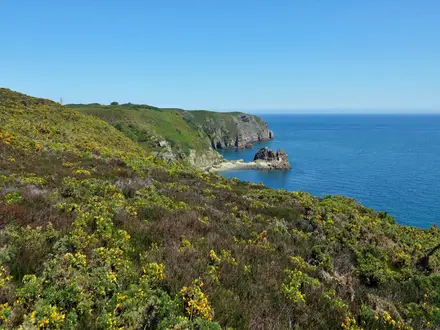
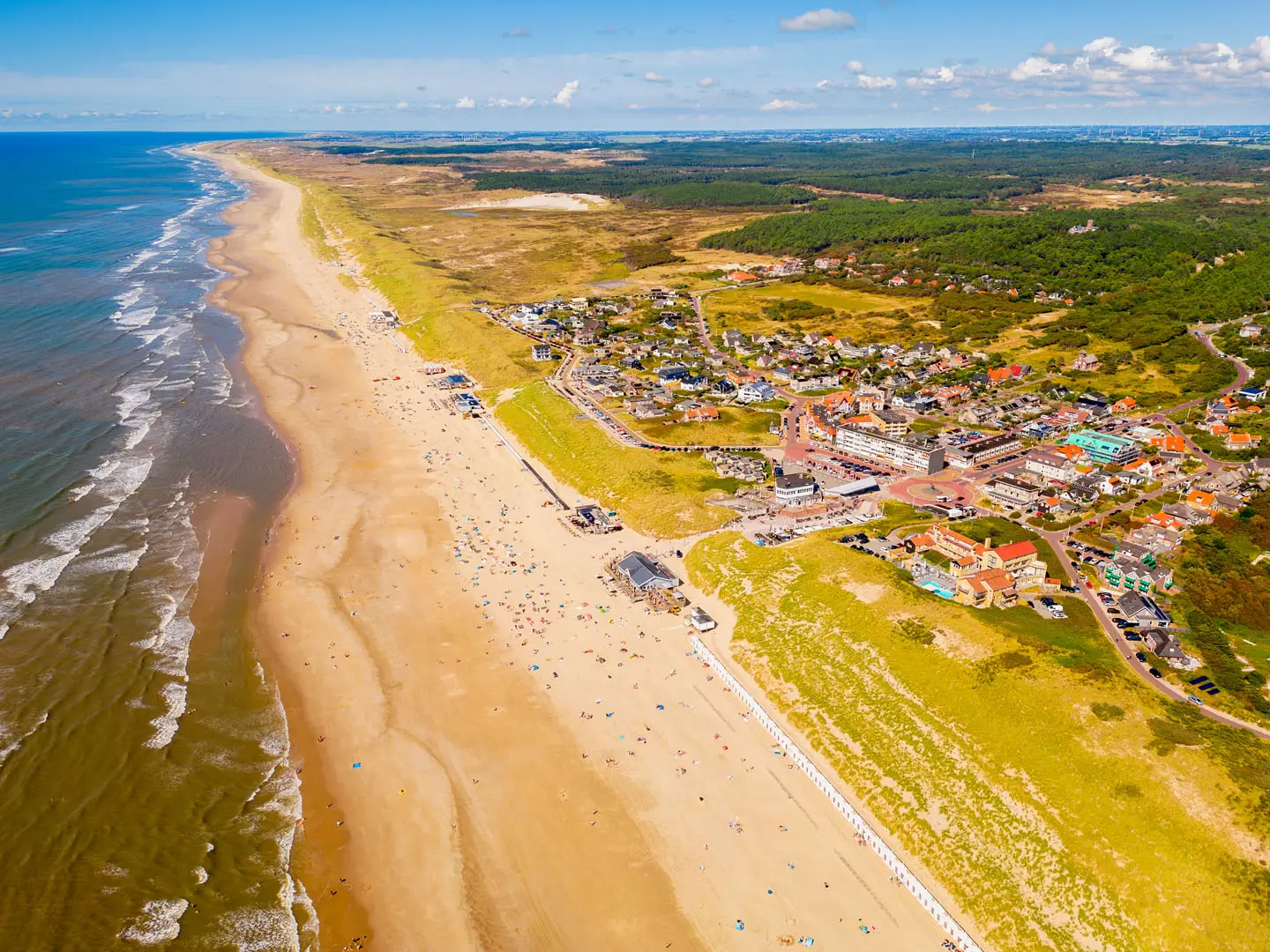
Bergen aan Zee: The trail’s starting point on the North Sea coast, featuring expansive sandy beaches, dunes, and opportunities for birdwatching in coastal habitats.
Schoorlse Duinen: One of the widest and highest dune areas in the Netherlands, offering scenic landscapes, heather fields, and forests shaped by wind and sea.
The Gooi and Vecht Region: Home to serene forests, historic estates, and picturesque villages such as Laren, known for its traditional Dutch charm and vibrant art scene.
Naardermeer Nature Reserve: The oldest private nature reserve in the Netherlands and a haven for migratory birds and wetland wildlife, making it a premier birdwatching site along the route.
Utrechtse Heuvelrug National Park: Featuring gentle wooded hills, ancient beech forests, and historical landmarks, this area adds variation and tranquility to the trek.
River IJssel Valley: A scenic stretch along one of the country’s prettiest rivers, with flower-rich floodplains, centuries-old dikes, and historic Hanseatic towns such as Zutphen and Deventer.
Nationaal Park Veluwezoom: Famous for its rolling heathlands, dense forests, and diverse wildlife, including red deer and wild boar. Visit in late summer to see the purple heather in bloom.
Drentsche Aa National Landscape: A unique area with traditional farms, meandering streams, and ancient burial mounds, preserving the pastoral character of rural Drenthe.
Bargerveen Nature Reserve: Located near the German border, this reserve is renowned for its peat bogs, rare plant species, grazing sheep, and a wealth of migratory birdlife.
Uffelte and End Point at Uithuizen: Experience the quiet charm of northern villages and finish your journey near the Wadden Sea, a UNESCO World Heritage Site known for its ecological importance and vast mudflats.
Challenges to expect
While the Trekvogelpad is generally considered a moderate trail without steep elevation, the long daily distances, particularly for thru-hikers, can be physically demanding. The route’s cumulative distance of over 400 kilometers often requires walking more than 20 kilometers per day, which can be a challenge for those not used to multi-day hikes. Blisters and muscle fatigue are common for those not well-conditioned or prepared.
Weather in the Netherlands is unpredictable, especially in spring and autumn. Expect rain showers, strong winds on exposed dikes and coastal sections, and occasional cold snaps. Wet conditions can turn paths muddy and slippery, particularly in the lowland wetlands and forests, making sturdy, waterproof footwear essential.
Navigation can sometimes be tricky, especially where trail markings are faded or where the route overlaps with other hiking paths. Having a recent map, GPS, or a reliable hiking app is highly recommended. In rural stretches, amenities are spread out, so plan your accommodations and resupply points carefully, particularly during peak holiday periods when lodgings may be booked out or closed.
- Forest
- Wetlands
- Urban
- Dirt
- Gravel
- Paved
- Boardwalk
- Hotels
- Campsites
- Hostels
- Family Friendly
- Pet Friendly
- Restrooms
- Water Sources
- Campsites
- Picnic Areas
Start your trek on the windswept North Sea coast, leaving the wide sandy beaches of Bergen aan Zee behind as you enter the expansive Schoorlse Duinen. This stretch weaves through high dunes, pine forests, and open heathland, ending in the tranquil village of Groet.
Walk south out of Groet across the dunes and wooded areas before reaching the historic city of Alkmaar, known for its traditional cheese market and picturesque canals. Expect mostly forested paths, interspersed with sections through farmland and small villages.
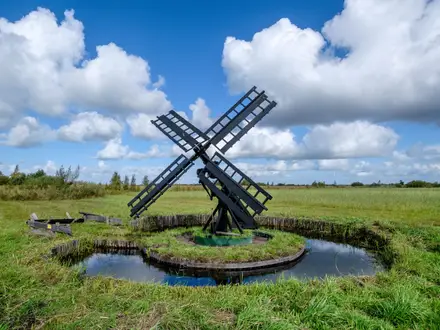
Leaving Alkmaar, the trail heads southeast through open polder landscapes, dike roads, and past windmills. The route is mostly flat and passes through small rural settlements on the way to Purmerend.
This section leads you toward the northern outskirts of Amsterdam, with much of the walk following canals, crossing low bridges, and skirting wetlands. Conclude in Amsterdam-Noord, a lively area with a mix of modern culture and centuries-old landscapes.
Depart Amsterdam, passing the quiet Waterland region dotted with bird-rich polders. The route brings you to historic Muiden, famous for its medieval castle and riverside views.
Travel inland toward Naarden, skirting the edges of Naardermeer Nature Reserve. Expect abundant birdlife and marsh scenery before reaching the star-shaped fortress town of Naarden.
Hike through the green heart of the Gooi region, passing through woodlands, heaths, and historic estates. Finish in the media city of Hilversum, surrounded by scenic parks and forested areas.
This day’s hike leads southward from Hilversum, crisscrossing wooded landscapes and rural fields, before entering the wooded outskirts of Utrecht and reaching the charming village of Bunnik.
Walk through the Utrechtse Heuvelrug National Park, with gentle hills, old beechwoods, and hidden sand drifts. This section highlights the area’s natural beauty and historical estates, ending in Maarn.
Follow forested trails and open fields as you move further east through the Utrechtse Heuvelrug, passing small villages and agricultural landscapes before arriving in the lively town of Veenendaal.
Traverse the southern edge of the Veluwe, transitioning from woodlands to river landscapes. The route crosses the Rhine and enters the city of Arnhem, known for its parks and World War II history.
Leave Arnhem behind and continue through the eastern forests of the Veluwezoom, encountering heathlands and crossing scenic river valleys. Reach the historic town of Doetinchem on the Oude IJssel.
Today’s journey follows the floodplains and dikes along the IJssel, with expansive river views, wildflower meadows, and glimpses of historic farmsteads before arriving in the Hanseatic city of Zutphen.
Continue along the IJssel river valley, enjoying dike-top vistas, orchards, and pastures. The walk leads into Deventer, another charming Hanseatic city with cobbled streets and lively squares.
Moving north, the landscape transitions to sandy soils and pine woods, then opens into the wide fields and heathlands around Ommen. The route features peaceful paths away from urban bustle.
Hike through the serene landscapes and forests of Drenthe, passing charming villages and broad tracts of heath. The section is relatively quiet, offering excellent opportunities for wildlife observation.
Travel deeper into the north, crossing woodlands, rural fields, and the edge of Bargerveen Nature Reserve. Sellingen is a peaceful village surrounded by forests and bird habitats.
Enjoy remote peat bogs and farmlands, with sections skirting the German border. The route heads northwest to Winsum, another sleepy northern village known for its traditional architecture.
The final day leads you through the open, wind-swept fields of northern Groningen province. Arrive in Uithuizen, a short distance from the Wadden Sea, where your Trekvogelpad journey concludes.