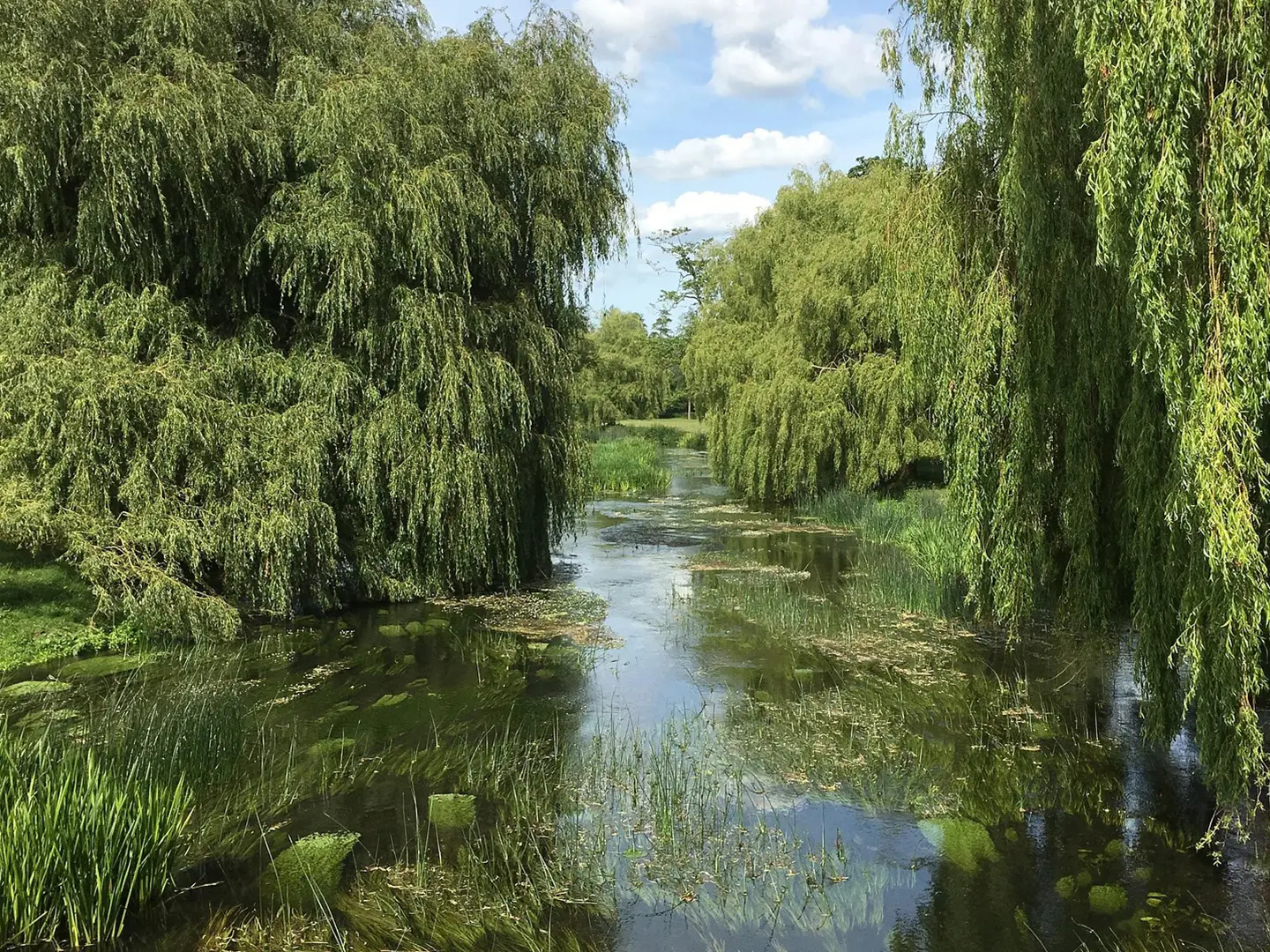
Stour Valley Path
How would you rate Stour Valley Path?
Tap a star to share your experience and help other hikers.
Stour Valley Path: A Practical Hiking Guide
HikeList Score
Stour Valley Path scored 84/100 on HikeList's trail-quality metrics.
See score breakdownHide breakdown
- Ideal length 81
- Balanced challenge 90
- Scenery & wildness 65
- Varied terrain 100
- Accommodation 100
- Food & support 81
- Path quality 84
- Season flexibility 89
Computed from length, challenge, scenery & wildness, terrain variety, accommodation, food & support, path quality and season flexibility.
The Stour Valley Path is a 96 km point-to-point trail in East Anglia, England, following the River Stour downstream from Newmarket to Cattawade near Manningtree. It usually takes 4-5 days and is moderate rather than mountainous: the walking is lowland, mostly flat, and the main challenge is the accumulated mileage. It suits hikers wanting a village-to-village route through Cambridgeshire, Suffolk and Essex, finishing in Dedham Vale National Landscape and Constable Country.
Route Overview
Walked north-west to south-east, the Stour Valley Path starts at Newmarket, near the upper Stour catchment, and finishes at Cattawade on the tidal estuary. Key places in order include Stetchworth, Great Bradley, Kedington, Clare, Cavendish, Long Melford, Sudbury, Bures, Wormingford, Stoke-by-Nayland, Stratford St Mary, Dedham and Flatford. It is a waymarked point-to-point route, with named discs and posts carrying a river-and-dragonfly logo. The path can also be split into ten day-walkable sections of 4.5-8.5 miles, with public transport access. At Manningtree it links with the Essex Way; for comparison, see the Gipping Valley River Path and Sandlings Walk.
Wool towns, silk and Constable Country
The Stour valley grew wealthy on the medieval wool and cloth trade, which funded the large “wool churches” and timber-framed houses still seen in Clare, Cavendish, Long Melford and Sudbury. Sudbury later became associated with silk weaving and is also the birthplace of Thomas Gainsborough. The lower valley around Dedham, Flatford and East Bergholt is Constable Country, the landscape painted by John Constable, who grew up at East Bergholt. The Stour Valley Path was designated in 1994.
Notable highlights
- Clare Castle Country Park: A riverside country park in Clare, where the path passes the remains of a Norman castle keep on a motte and a disused Victorian railway station.
- Long Melford: A historic Suffolk wool town with Holy Trinity Church, a major medieval “wool church”, and the Tudor moated halls of Kentwell Hall and Melford Hall nearby.
- Sudbury: A market town on the Stour known for wool, later silk weaving, and as the birthplace of painter Thomas Gainsborough. The surrounding water meadows give a gentle riverside section.
- Dedham Vale & Constable Country: The lower Stour valley enters Dedham Vale National Landscape, with Dedham, Flatford Mill and Willy Lott’s House linked to John Constable’s paintings, including The Hay Wain.
- Cattawade Marshes: Tidal wetlands and grazing marsh at the Stour estuary, making the finish a good place to look for waterfowl and waders.
Challenges to expect
Expect easy gradients but steady multi-day distance. Most surfaces are unsurfaced field paths, grass, dirt and riverside meadow, with short lanes through villages; mud and waterlogging are likely after rain and in winter. Navigation is helped by consistent waymarking and Ordnance Survey mapping, but farmland edges and river meadows still need attention. Accommodation is village-based, so plan overnight stops in advance. You may also want to compare logistics with the Norfolk Coast Path.
HikeList Score
Stour Valley Path scored 84/100 on HikeList's trail-quality metrics.
See score breakdownHide breakdown
- Ideal length 81
- Balanced challenge 90
- Scenery & wildness 65
- Varied terrain 100
- Accommodation 100
- Food & support 81
- Path quality 84
- Season flexibility 89
Computed from length, challenge, scenery & wildness, terrain variety, accommodation, food & support, path quality and season flexibility.
 United Kingdom
 England
Show more data Show less
- Lowland River Valley
- Riverside Meadows
- Farmland
- Hedgerows
- Woodland
- Village Lanes
- Dirt
- Grass
- Gravel
- Paved
- B&Bs
- Guesthouses
- Inns
- Hotels
- Campsites
- Family Friendly
- Dog Friendly On Leash
- Restrooms
- Picnic Areas
- Public Transport Access Points
Photos from hikers
Taken on the trail by people who've reviewed Stour Valley Path.
The Stour Valley Path starts in the renowned horse racing town of Newmarket, heading southeast across gently rolling countryside and open fields towards the idyllic village of Stetchworth. The trail then crosses into ancient woodland and rural farmland before passing through Great and Little Bradley. Continuing east, the path leads you through the tranquil parish of Withersfield and finally into the historic village of Stoke-by-Clare, with its striking medieval church and picturesque setting.
From Stoke-by-Clare, the route continues south, closely following the River Stour and passing through a series of quintessential Suffolk villages including Clare, with its impressive castle ruins, and Cavendish, famed for its pink cottages and green. The path meanders through gently undulating farmland, skirted by hedgerows and copses, before reaching the vibrant market town of Long Melford, known for its heritage buildings and magnificent Holy Trinity Church.
Leaving Long Melford, the Stour Valley Path crosses the meadows to the riverside town of Sudbury, a historically important wool town bordered by scenic water meadows. The route continues to the picturesque village of Bures, then weaves across the Suffolk/Essex border, traversing peaceful countryside and passing through the villages of Wormingford and Wissington before arriving at Nayland. This section blends riverside landscapes with charming historic settlements.
The final stretch of the trail leads from Nayland down towards the heart of Constable Country. The route passes through the picture-postcard village of Dedham, nestled amid lush pastures and riverbanks that inspired the artist John Constable. Following the Stour downstream, hikers pass Flatford Mill before reaching journey’s end in Cattawade near Manningtree. This concluding section features tranquil valleys, ancient hedgerows, and plenty of opportunities for riverside wildlife spotting.
Reviews
How would you rate Stour Valley Path?
Tap a star to start your review — you could be the first.