Hiking Skills
How Much Elevation Gain Is Hard? A Hiker's Guide to Ascent & Descent
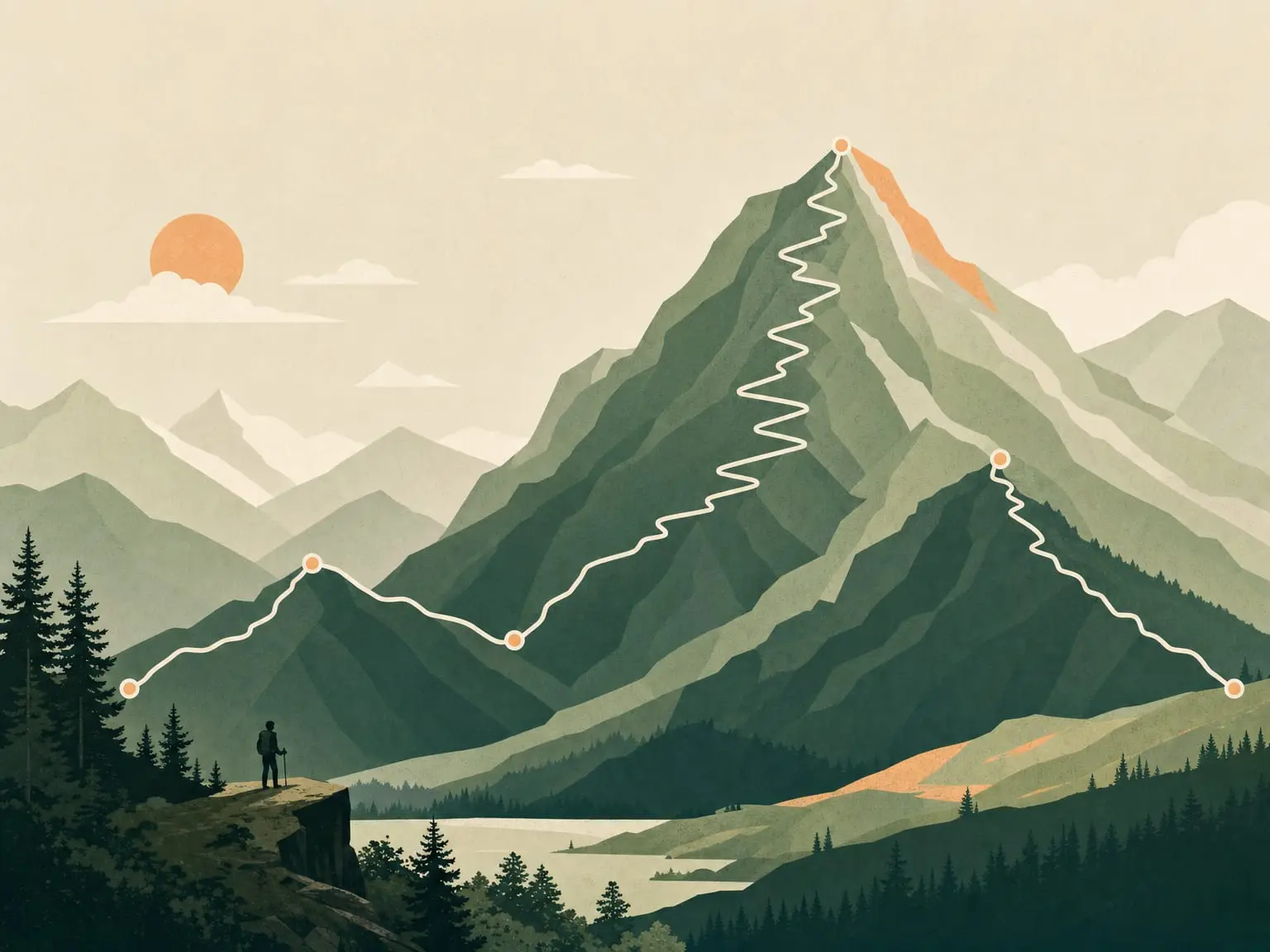
A practical guide to how much elevation gain is hard, how to read ascent per day, and why descents can wreck your legs.
7 June 2026 8 min read
15 hand-picked long-distance trails
Mountain treks are for hikers who want height, commitment and wide-open alpine terrain rather than gentle valley walking. This collection brings together hard, strenuous and expert routes, from short summit pushes to multi-day loops around major massifs. Use it to compare distance, duration, route style and terrain before choosing a high-mountain trail that matches your fitness and experience.
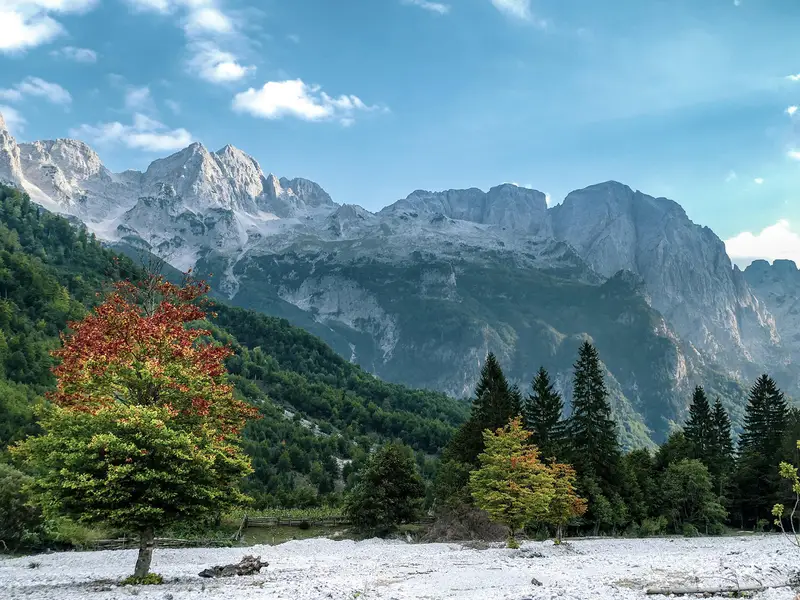
 Montenegro · 192 km · 10 days · Moderate
 This 192 km waymarked loop through the Accursed Mountains crosses Albania, Kosovo and Montenegro, offering a 10-day moderate mountain trek without technical climbing.
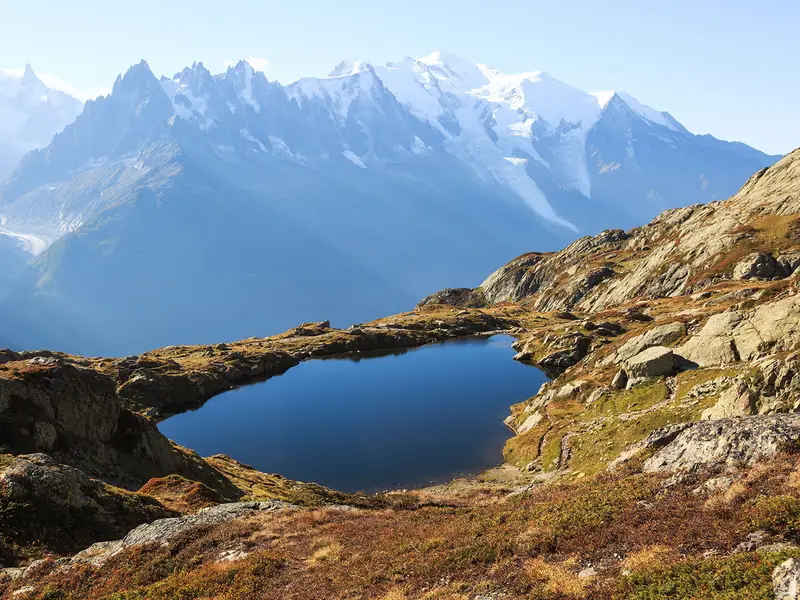
 France, Italy, Switzerland · 170 km · 11 days · Hard
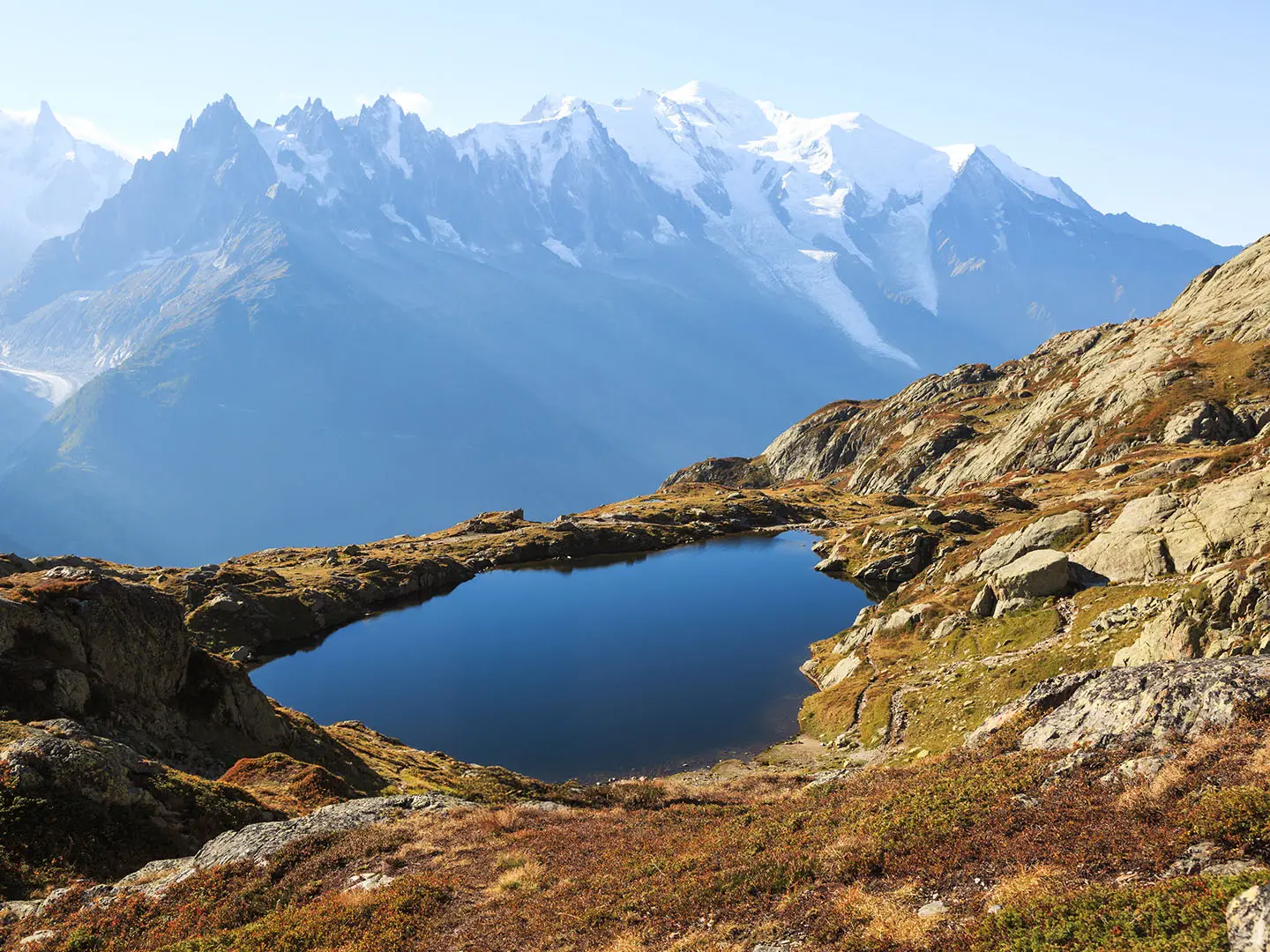
 A classic 170 km alpine loop around the Mont Blanc massif, this hard 11-day trek links France, Italy and Switzerland through mountainous, forest, valley and alpine terrain.
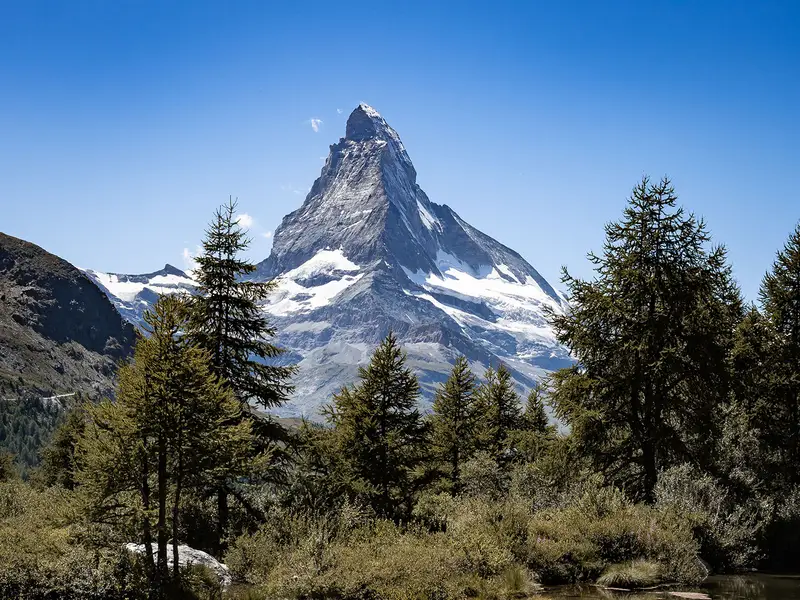 Switzerland · 150 km · 9-11 days · Expert
 The Tour of Matterhorn is a 150 km expert loop around the Matterhorn on the Swiss-Italian border, suited to hikers ready for 9–11 days of mountainous, alpine and glacial terrain.
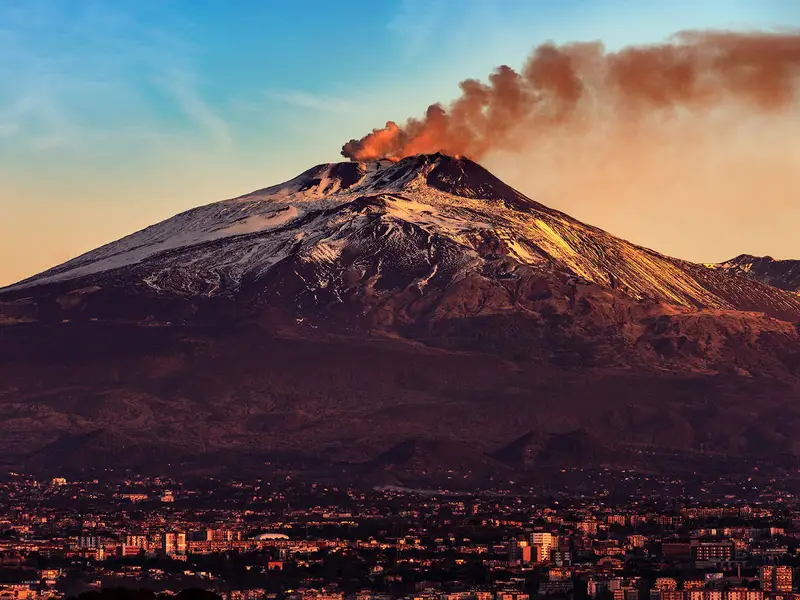 Italy · 9 km · 1 days · Hard
 Mount Etna adds a volcanic summit flavour to the collection: a hard, route-dependent 9 km out-and-back day ascent from Rifugio Sapienza on Sicily’s east coast.
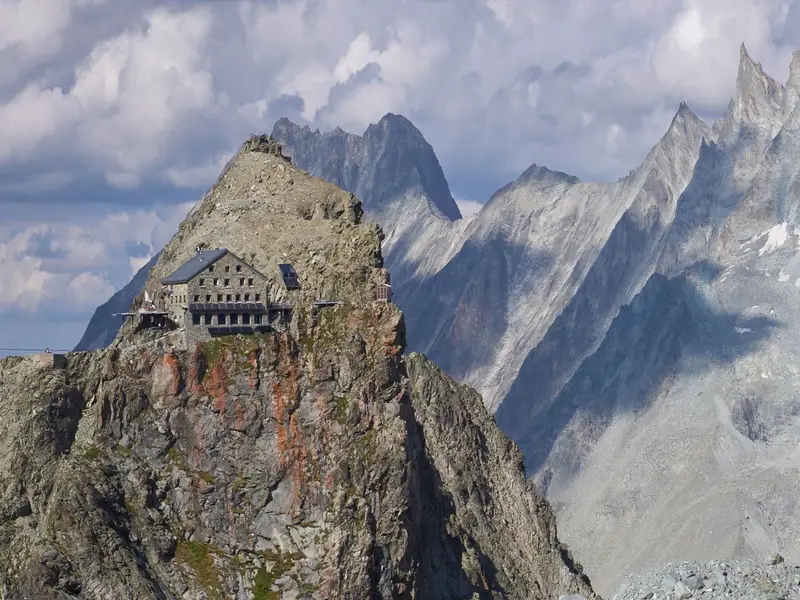 Switzerland · 215 km · 12-14 days · Expert
 This expert 215 km point-to-point route connects Chamonix and Zermatt, linking the Mont Blanc and Matterhorn areas over 12–14 demanding walking days in alpine, forest and pasture terrain.
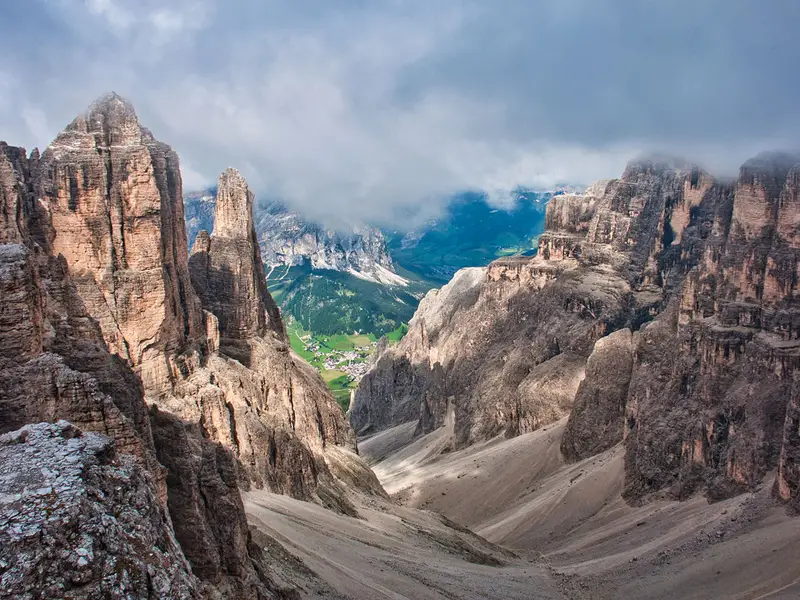 Italy · 160 km · 13 days · Expert
 Alta Via 2 is a 160 km, 13-day expert hut-to-hut traverse across the central and southern Italian Dolomites, with mountainous, alpine and rocky terrain throughout.
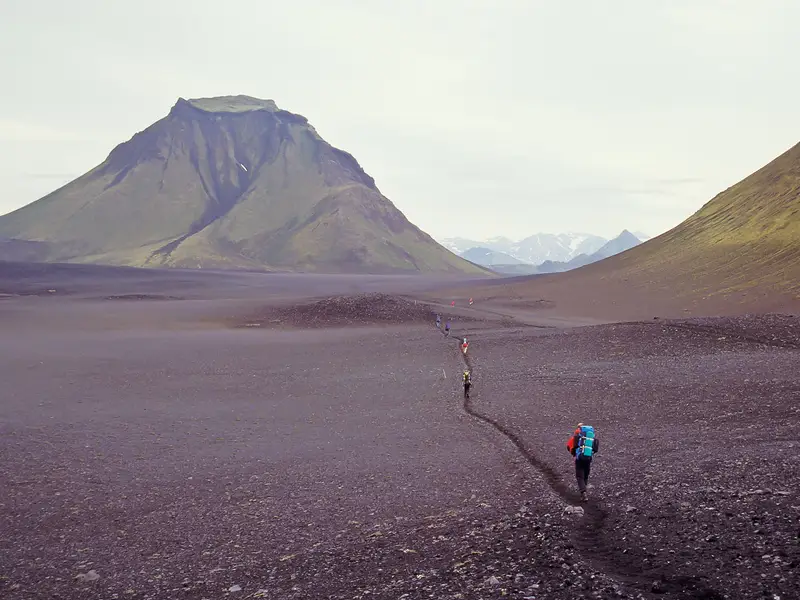
 Iceland · 55 km · 4 days · Moderate
 Laugavegur is the moderate multi-day option here, a 55 km, 4-day point-to-point trek through Iceland’s Southern Highlands from Landmannalaugar to Þórsmörk across mountainous Arctic terrain.
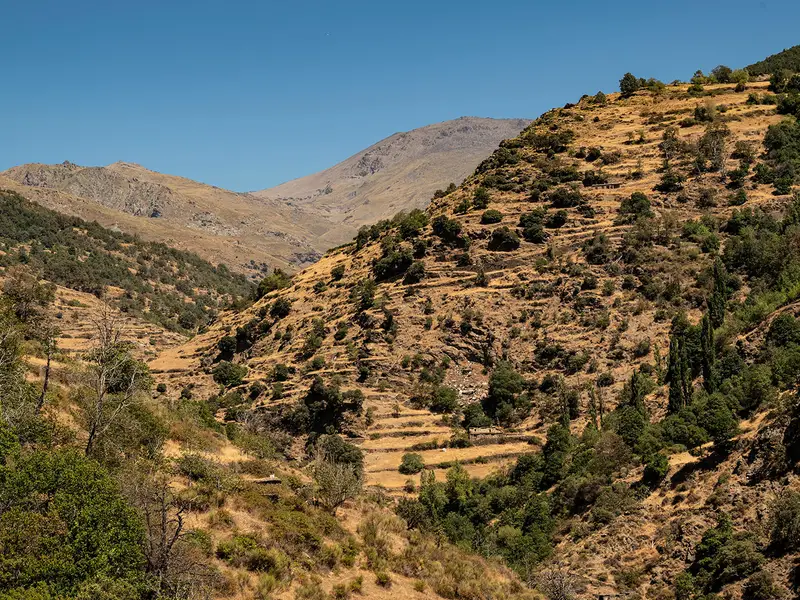
 Spain · 75 km · 4-5 days · Expert
 Spain’s Sierra Nevada High Route is a compact but high 75 km point-to-point traverse, taking 4–5 days mostly above 3,000 m on alpine, ridge and glacial terrain.
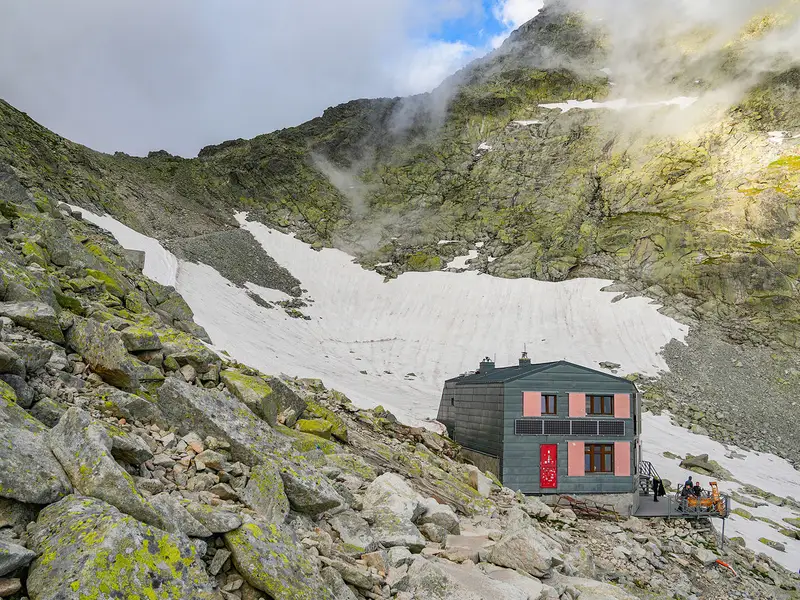
 Slovakia · 20 km · 1 days · Strenuous
 The Slovakia route to Rysy is a strenuous 20 km out-and-back from Štrbské Pleso, climbing about 1,250 m to the Slovak-Polish border ridge through forest, valley and rocky alpine terrain.
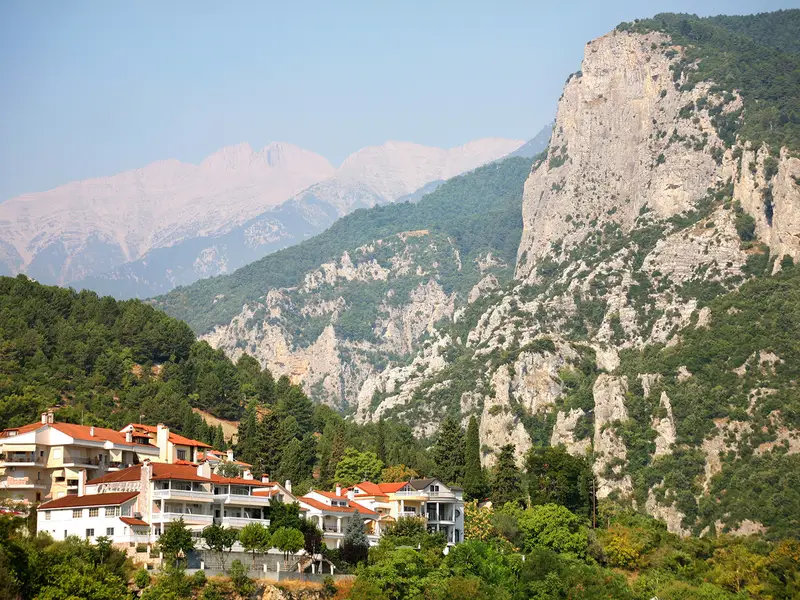
 Greece · 22 km · 2 days · Expert
 This 22 km, 2-day expert out-and-back climbs from Litochoro towards Mytikas on Greece’s highest mountain, following mountainous and forest terrain in the Mount Olympus massif.
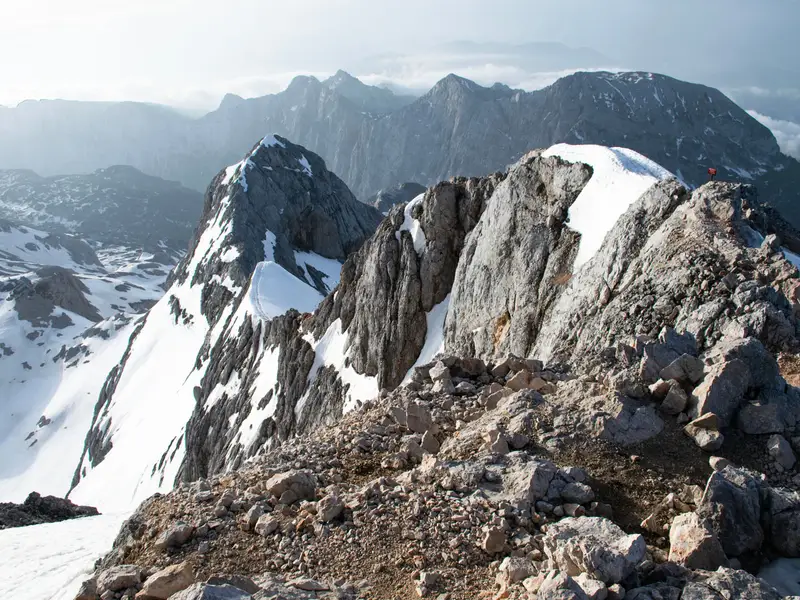
 Slovenia · 24 km · 2 days · Expert
 A short but serious objective, the Triglav Summit Trail is a 24 km, 2-day expert ascent of Slovenia’s 2,864 m Mount Triglav with rock, forest and exposed cabled summit terrain.
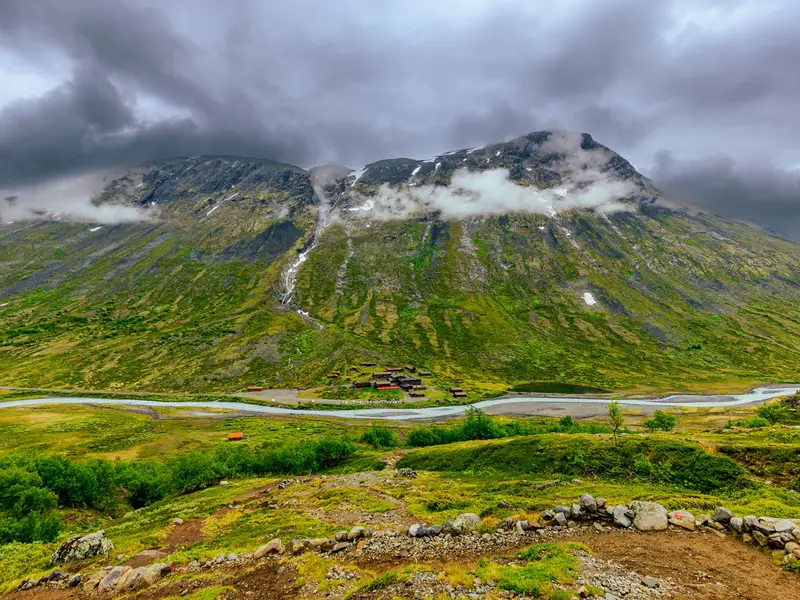
 Norway · 11 km · 1 days · Hard
 This hard 11 km out-and-back day hike from Spiterstulen climbs to 2,469 m, the highest point in Norway, Scandinavia and Northern Europe, with about 1,400 m of ascent.
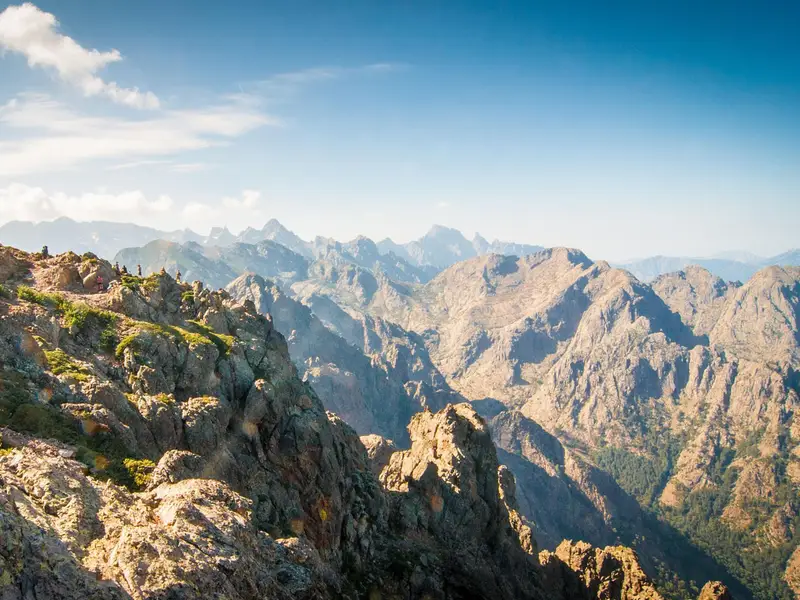 France · 180 km · 15 days · Expert
 The GR20 earns its place as a summit-minded mountain challenge by traversing Corsica’s mountainous spine for 180 km, usually over 15 days, on an expert point-to-point route.
 Norway · 13.6 km · 1 days · Hard
 Besseggen Ridge is a hard 13.6 km waymarked point-to-point day hike in Jotunheimen, combining alpine terrain with an exposed ridge between Memurubu and Gjendesheim.
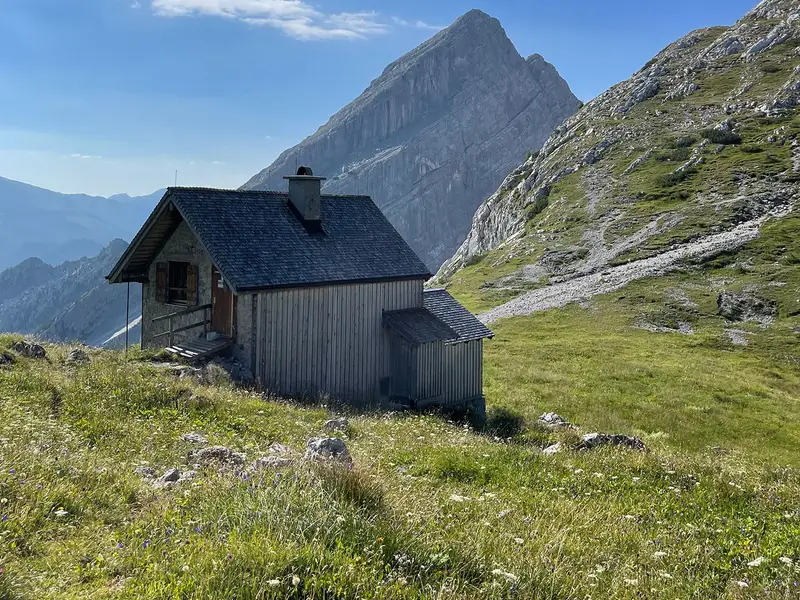
 Germany · 24 km · 2 days · Expert
 The Watzmann Circuit is a 24 km, 2-day expert loop in Berchtesgaden National Park, combining alpine terrain, forest and scree gorge on the classic Watzmann-Überschreitung.
Start with the time you have, then look at difficulty. If you want a single-day objective, the list includes hard or strenuous out-and-back summits and ridge walks such as Galdhøpiggen, Rysy, Mount Etna and Besseggen. For a compact but serious mountain trek, the 2-day ascents of Triglav, Mount Olympus and the Watzmann Circuit demand more commitment without becoming a long expedition.
For a full journey, compare the route type as much as the distance. Loops such as the Tour du Mont Blanc, Tour of Matterhorn and Peaks of the Balkans simplify the shape of the trip, while point-to-point routes such as the Haute Route, GR20, Alta Via 2, Laugavegur and Sierra Nevada High Route require more planning at each end. Longer distance does not always mean easier: several shorter routes here are expert because of exposure, rock, ridge or high-alpine terrain.
Treat the difficulty labels conservatively. Hard routes can still involve major ascent, while expert routes in this collection include cabled summits, exposed ridges, glacial terrain, rocky high passes and sustained mountain days. A moderate label does not make a route casual either: Laugavegur and Peaks of the Balkans are still multi-day mountain treks in remote terrain.
Before committing, check current route conditions, access, accommodation and any local requirements. Waymarked trails can still be serious in poor weather, and point-to-point itineraries need dependable transport or a clear finish plan. If your main goal is summit satisfaction, choose an out-and-back peak; if you want changing landscapes and a bigger sense of journey, pick a loop or traverse.
A practical guide to how much elevation gain is hard, how to read ascent per day, and why descents can wreck your legs.