Getting Started
How to Choose Your First Long-Distance Hike
Choose a shorter, well-waymarked first long-distance hike with easy logistics, good support and plenty of places to step off.
7 June 2026 8 min read
15 hand-picked long-distance trails
3 day hikes are the sweet spot for a long weekend: long enough to feel like a real journey, short enough to fit around work and travel. This collection focuses on complete routes that run for roughly three days end to end, from hut-to-hut mountain loops to point-to-point coastal, forest and highland treks across Europe and Japan.
 Switzerland · 30 km · 3 days · Moderate
 At 30 km over 3 days, this moderate point-to-point route is a compact mountain option in Switzerland’s Aletsch Arena. It suits hikers who want alpine and forest terrain without high daily distance.
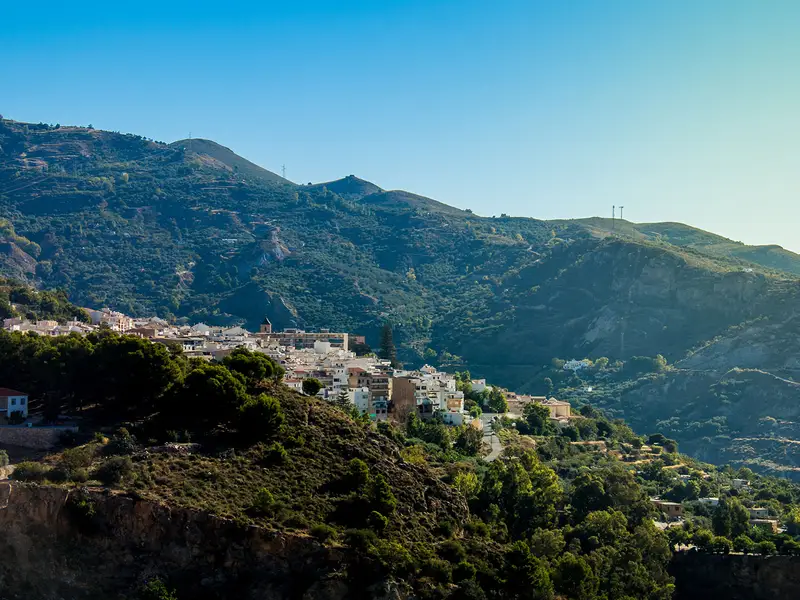
 Spain · 50 km · 3-4 days · Moderate
 This 50 km point-to-point walk follows the western GR-7 through Las Alpujarras in Andalucía. Most hikers take 3–4 days, making it a moderate mountain-and-forest option for a longer weekend.
 France · 60 km · 3 days · Moderate
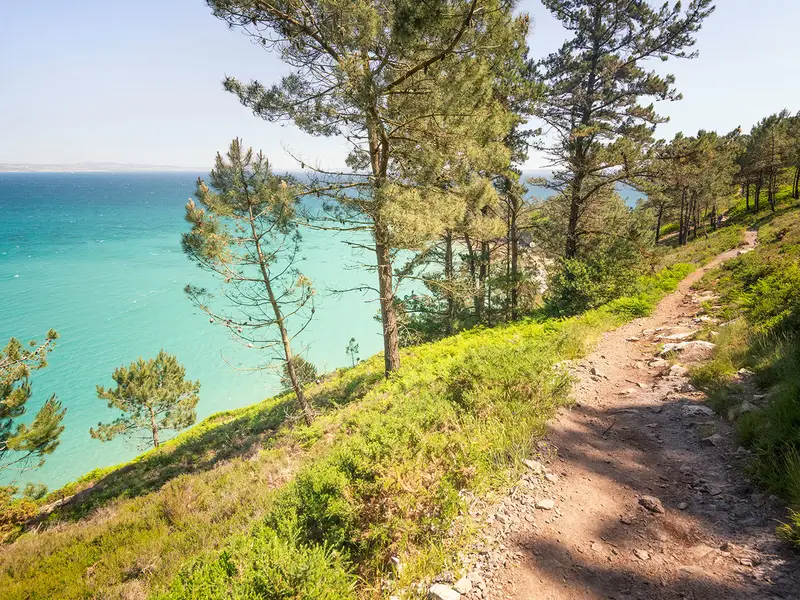
 For a coastal three-day option, this 60 km moderate GR34 section in western Brittany runs point-to-point between Camaret-sur-Mer and Telgruc-sur-Mer, tracing cliffs, beaches and headlands.
 Greece · 45 km · 3 days · Moderate
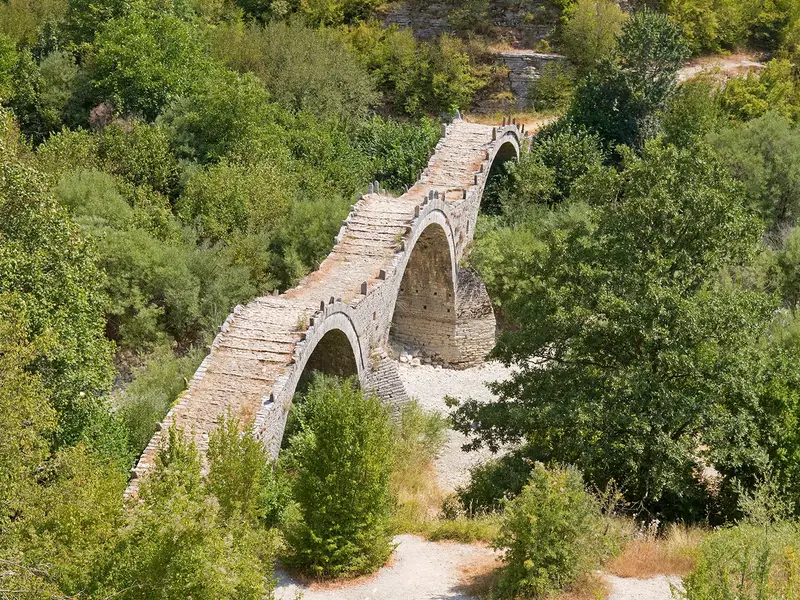
 This moderate 45 km loop turns a long weekend into a complete village-to-village walk in northwestern Greece, using old cobbled mule paths, stone staircases, rocky tracks, mountain terrain and forest.
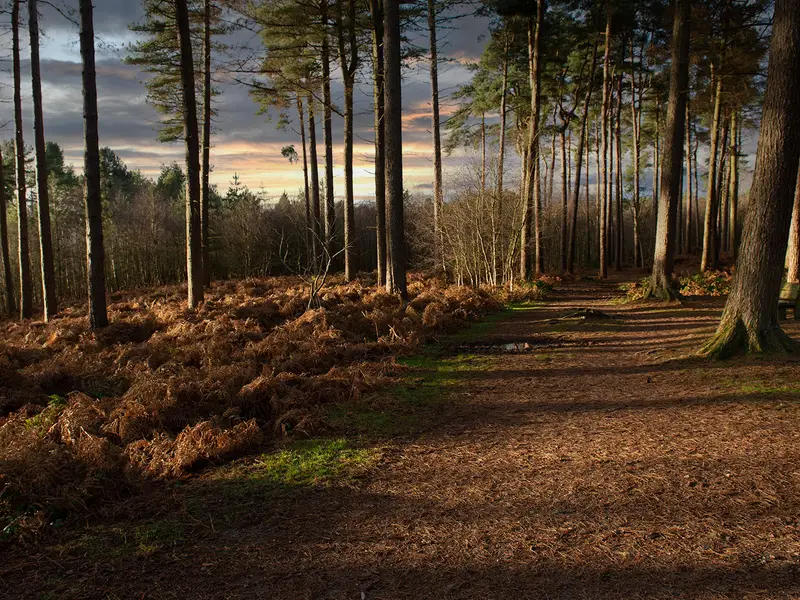

 United Kingdom, England · 55 km · 2-3 days · Moderate
 The Sandstone Trail is a moderate 55 km point-to-point walk from Frodsham to Whitchurch, usually done in 2–3 days across forest, ridge, farmland, lowland heath and canal towpath terrain.
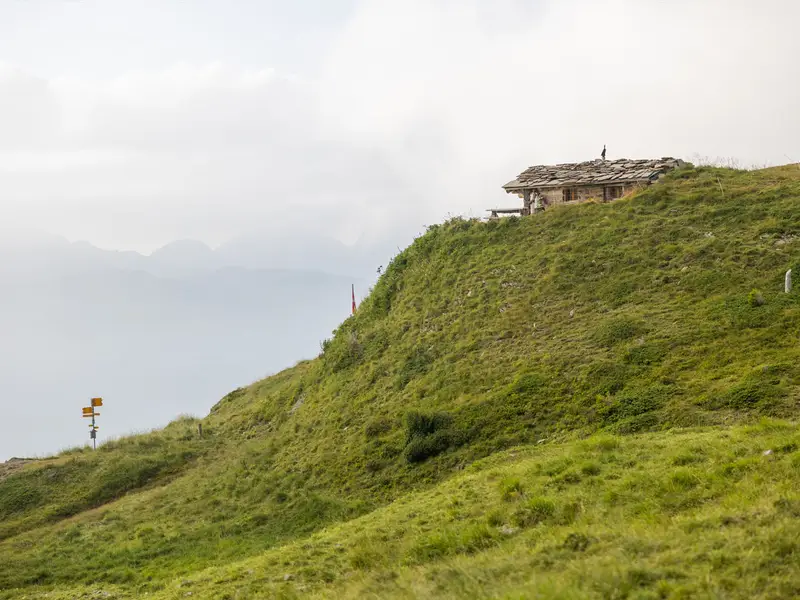 Switzerland · 46 km · 3 days · Hard
 A hard 46 km hut-to-hut loop in Switzerland, the Tour des Dents du Midi works well for a concentrated Alpine weekend, circling the Dents du Midi above the Val d’Illiez and Rhône valley in 3 days.
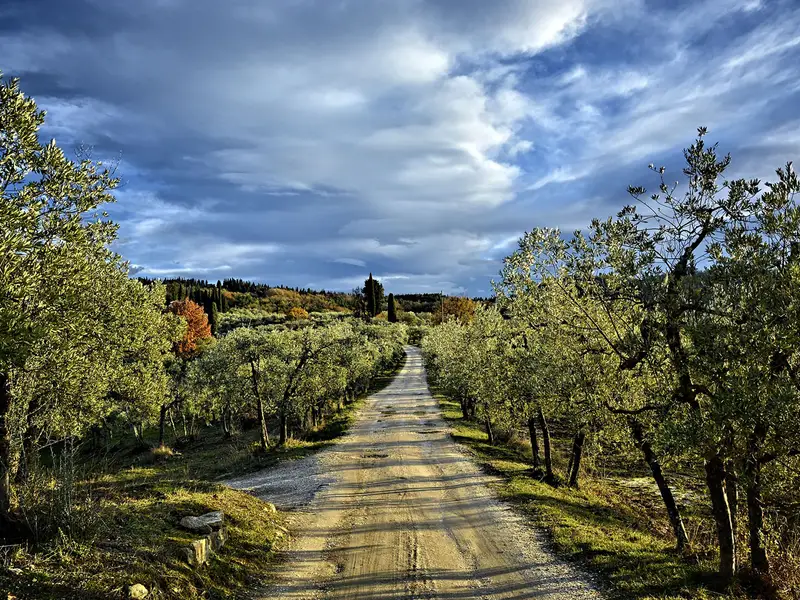
 Italy · 48 km · 3 days · Moderate
 The Chianti Trail offers a moderate 48 km point-to-point long weekend through Tuscany’s Chianti Classico, following established hiking-network paths, strade bianche, vineyards, olive groves, hills and forest.
 Sweden · 47 km · 3 days · Moderate
 A textbook long-weekend hut trek: this 47 km moderate loop links STF Storulvån, Sylarna and Blåhammaren over 3 days through Sweden’s Jämtland mountain terrain, tundra, moorland and forest.
 Japan · 25 km · 2-3 days · Hard
 The Yakushima Traverse is a hard 25 km point-to-point mountain crossing usually taking 2–3 days, making it a short but demanding long-weekend route through forested terrain on southern Japan’s Yakushima.
 Portugal · 45 km · 3 days · Hard
 This hard 45 km crossing gives experienced hikers a three-day point-to-point route through mainland Portugal’s highest range, with mountain, glacial valley and plateau terrain inside Serra da Estrela Natural Park.
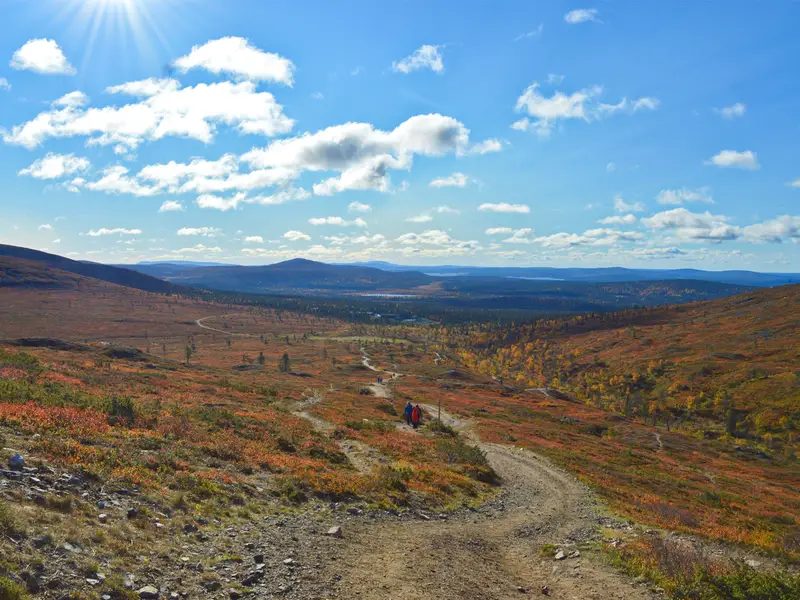
 Finland · 55 km · 3-4 days · Moderate
 A 55 km hut trek through western Finnish Lapland, Hetta-Pallas fits hikers who can stretch a long weekend to 3–4 days. Its moderate point-to-point route crosses fell, forest, mires and above-treeline terrain.
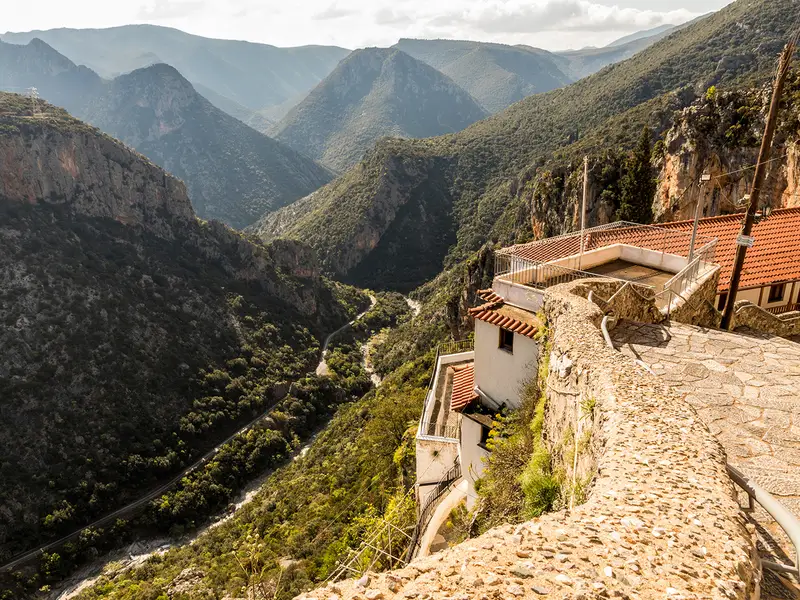 Greece · 45 km · 3 days · Hard
 A strong choice for experienced walkers, this 45 km hard traverse crosses Greece’s Parnon range over 3 days. Expect a point-to-point mountain route with forest, long climbs and rocky paths.
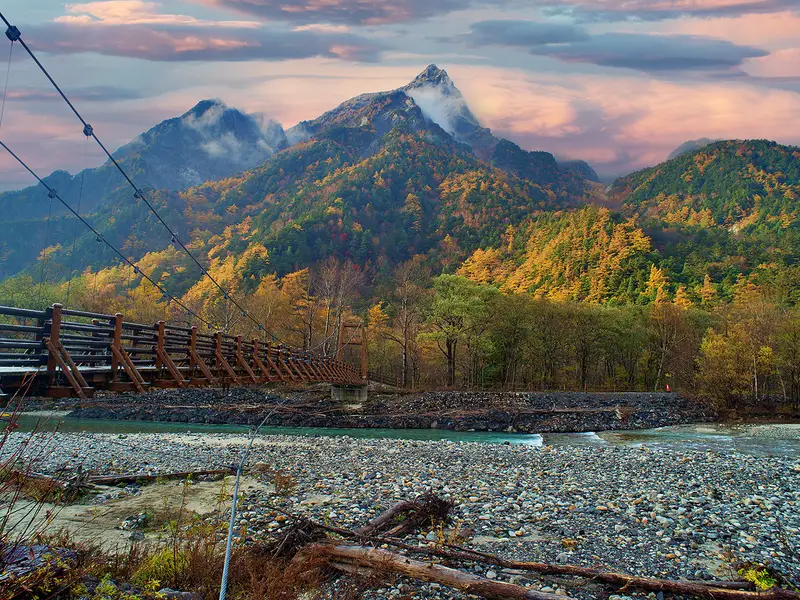 Japan · 35.6 km · 3 days · Hard
 This 35.6 km out-and-back route to Yarigatake is a hard three-day objective in Japan’s Northern Alps. The valley approach is followed by mountainous, forest, river valley and alpine terrain.
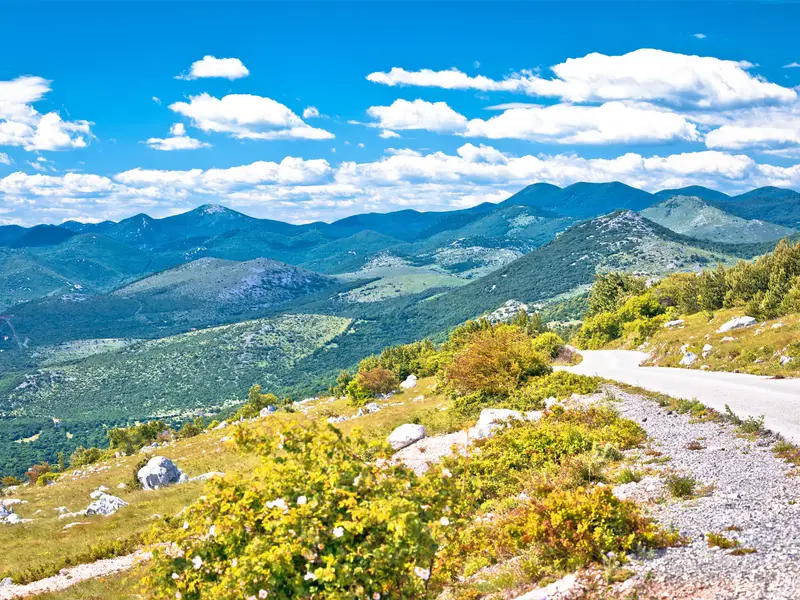
 Croatia · 57 km · 3 days · Hard
 This 57 km Croatian ridge walk fits the theme for hikers wanting a harder three-day point-to-point route. The Premužić Trail’s gentle gradients still come with length, isolation, karst, forest and alpine meadow terrain.
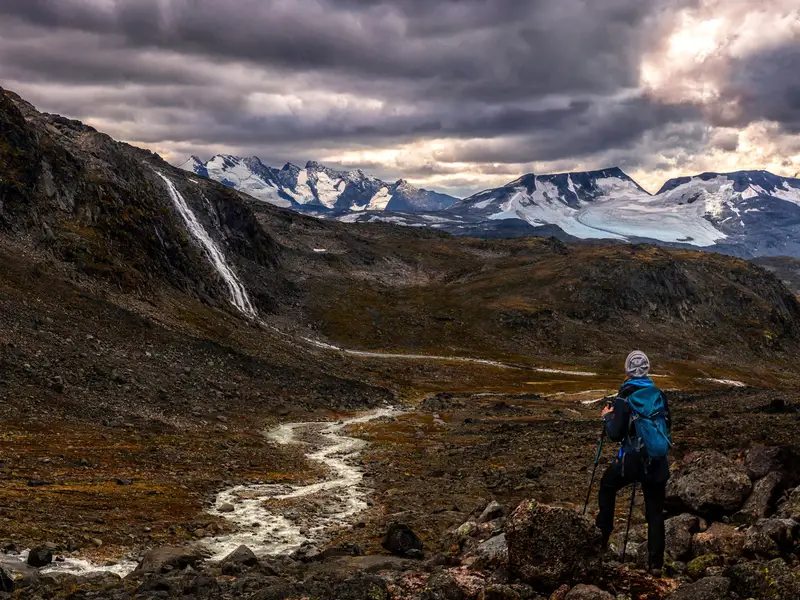
 Norway · 34 km · 2-3 days · Strenuous
 The Hurrungane Circuit packs a lot into 34 km: a strenuous 2–3 day hut-to-hut loop through Norway’s jagged western Jotunheimen, starting and finishing at Turtagro.
Start with the shape of the walk. Loops such as the Jämtland Triangle, Tour des Dents du Midi and Hurrungane Circuit bring you back to your start point, which can make transport simpler. Point-to-point routes, including the Northern Velebit Ridge Trail, Chianti Trail and Presqu’île de Crozon Trail, feel more like a traverse, but you will need to plan how you reach the start and leave the finish.
Next, look beyond distance. A 30 km alpine route can demand more care than a longer lowland trail, while a 55–60 km moderate route may still require steady daily mileage. The difficulty labels matter here: moderate routes suit hikers with multi-day fitness and confidence carrying a pack, while hard and strenuous options are better for experienced walkers used to mountain terrain, isolation, rocky paths or sustained climbs.
Terrain should also guide your choice. If you want huts and mountain stations, focus on the Scandinavian and Alpine-style routes in this list. For softer surfaces and gentler profiles, consider hilly vineyard, forest, farmland or coastal options. If you prefer wilder-feeling ground, the hard mountain traverses in Portugal, Greece, Japan, Croatia and Norway offer a more committing long-weekend objective.
For 3 day hikes, build your itinerary around realistic day lengths rather than the total distance alone. Routes listed as 2–3 days can be compact but intense; routes marked 3–4 days may still fit a long weekend if you are comfortable with longer stages. Check accommodation, huts, public transport and onward travel before committing, especially on point-to-point trails. The best choice is the route whose distance, difficulty and terrain match your current fitness, not just the one that fits the calendar.
Choose a shorter, well-waymarked first long-distance hike with easy logistics, good support and plenty of places to step off.
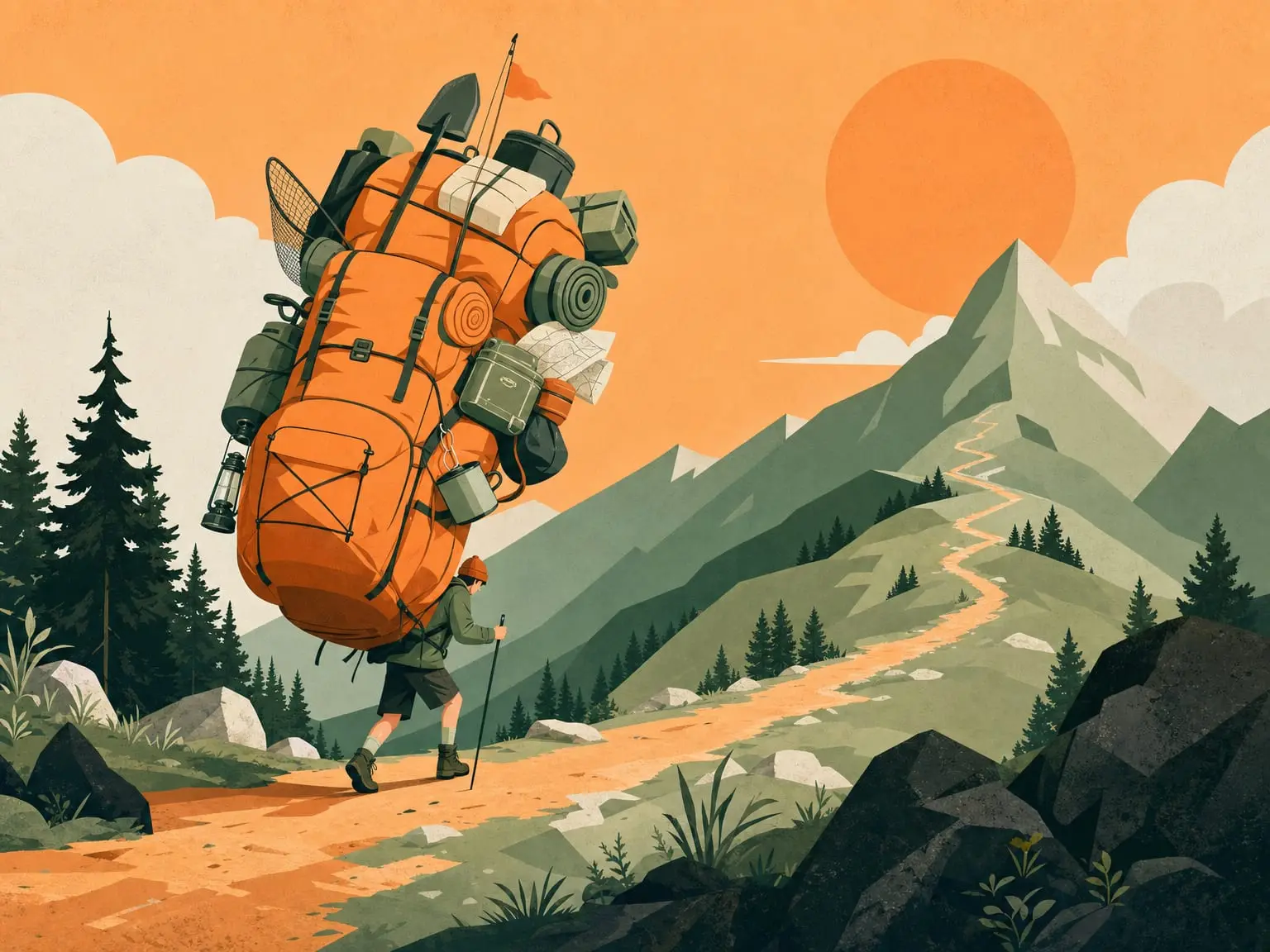
Most beginner hiking mistakes come from doing too much, too soon. Here is what usually goes wrong, and how to avoid the worst of it.