Salzburger Almenweg
Salzburger Almenweg: Complete Guide to Austria's Scenic Long-Distance Alpine Trail
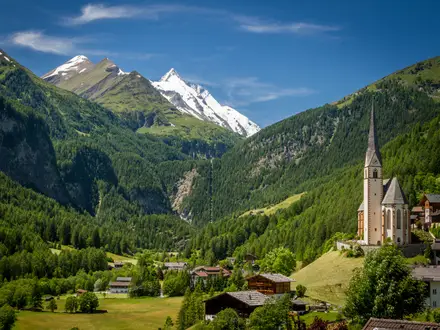
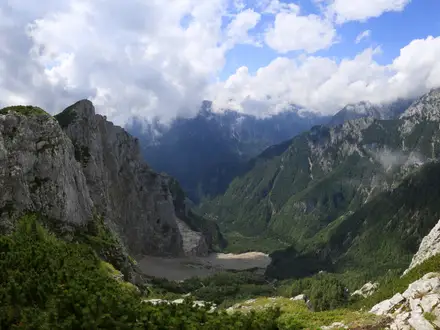
Embark on an unforgettable adventure along the Salzburger Almenweg, a spectacular long-distance trail that winds through the heart of Austria’s breathtaking SalzburgerLand. This iconic alpine route unveils a mosaic of towering mountains, rolling green meadows, and tranquil forests, offering hikers sweeping panoramas and serene moments amidst nature. With every turn, you'll pass through picturesque alpine pastures—known locally as “Almen”—dotted with rustic wooden huts and vibrant wildflowers, embraced by the dramatic peaks of the Eastern Alps.
Whether you’re traversing sun-drenched ridgelines or following bubbling mountain streams, the Salzburger Almenweg invites you to immerse yourself in an authentic alpine experience. Expect encounters with traditional Austrian hospitality at welcoming huts, glimpses of wildlife roaming alpine slopes, and countless opportunities to savor the pristine air and the sound of cowbells echoing across lush valleys.
Route Overview
The Salzburger Almenweg is a point-to-point long-distance trail spanning approximately 350 kilometers through Austria’s SalzburgerLand region. The route typically begins in Bischofshofen and ends in Werfen or, depending on chosen itinerary, in Hüttschlag or Muhr im Lungau, as various connecting segments and trailheads allow for some flexibility. Along the way, hikers traverse a diverse series of alpine landscapes, passing through notable areas such as St. Johann im Pongau, Kleinarl, the Grossarl Valley, the famed Gastein Valley (with spa towns like Bad Gastein and Bad Hofgastein), Filzmoos, Flachauwinkl, and Radstadt.
The trail is divided into 25 official stages, with each stage ranging from easy half-day walks to challenging full-day treks. Total completion typically takes around 25 days, depending on fitness, pace, and chosen stopovers. Trail conditions vary from wide gravel farm tracks and forest paths to alpine meadows and more rugged rocky sections at higher elevations. While the route is generally well-marked with blue signs emblazoned with the Almenweg logo, hikers should be prepared for steep ascents and some exposed sections, particularly on high passes and remote crossings.
Accommodation is plentiful along the route, featuring alpine huts, hotels, guesthouses, and occasional campsites, with most stages concluding near a welcoming village or hut. Despite the ready availability of accommodation and provisions, some sections may be longer and require advance planning for meals and water supply. The trail is best attempted from late June to early October when snow has retreated from the high passes and mountain huts are open.
Historical Context of the Salzburger Almenweg
The Salzburger Almenweg traces its roots deep into the cultural and agricultural traditions of Austria's SalzburgerLand. For centuries, the region’s high alpine pastures, or "Almen," served as seasonal homes for herders who practiced transhumance—moving cattle, sheep, and goats to high mountain meadows each summer. These ancient pathways connected remote alpine huts and villages, forming the foundation of today’s long-distance trail. Along the route, hikers encounter historic huts and shelters, some of which date back hundreds of years and showcase traditional wooden architecture and local craftsmanship.
The villages nestled along the Salzburger Almenweg bear witness to a rich tapestry of mountain life, marked by festivals, folklore, and enduring customs. Many of the inns and huts along the trail have preserved stories of alpine farming, historical trade, and even past conflicts that swept through these valleys. The path itself often follows in the footsteps of generations of mountain dwellers, providing a living link to the heritage and enduring spirit of Austria’s alpine communities.
Notable highlights
Bischofshofen: Known as the starting point of the Salzburger Almenweg, this vibrant alpine town is famous for its ski-jumping tradition and scenic location amid towering peaks. The town’s historic center and welcoming atmosphere make it a memorable beginning to the journey.
St. Johann im Pongau: A picturesque market town nestled in the valley, St. Johann is renowned for its impressive Pongauer Dom (cathedral) and dramatic Liechtensteinklamm Gorge, one of the deepest and longest accessible wild water gorges in the Alps.
Kleinarl and Jägersee: The tranquil village of Kleinarl provides a gateway to the crystal-clear Jägersee lake, a pristine alpine waterbody surrounded by forested mountains that offers idyllic resting spots and remarkable reflections.
Alpine Pastures (“Almen”): Throughout the trail, hikers encounter countless traditional alpine huts and lush meadows. Many of these huts are open during summer, serving homemade mountain cheese, fresh milk, and regional delicacies, allowing you to experience authentic Austrian farming culture.
Gastein Valley: This famed valley features picturesque spa villages like Bad Gastein and Bad Hofgastein, renowned for their historic thermal baths, Belle Époque architecture, and cascading waterfalls that tumble dramatically through the town center.
Grossarl Valley: Often called the “Valley of Mountain Huts,” this stretch features a dense concentration of Almen, where hikers can rest, indulge in homemade treats, and enjoy unparalleled alpine scenery.
High Alpine Views: Several sections of the Salzburger Almenweg reach elevations above 2,000 meters, delivering panoramic views across the Hohe Tauern National Park and surrounding peaks, including distant glimpses of the Großglockner, Austria’s tallest mountain.
Historic Farmsteads and Chapels: The trail passes numerous centuries-old farmhouses and quaint mountain chapels, many of which are adorned with frescoes and traditional woodwork, offering insight into the spirituality and resilience of alpine communities.
Flachauwinkl: A scenic village known for its rolling landscapes and lively alpine traditions, Flachauwinkl is a welcoming stop for hikers, with opportunities to visit cozy alpine restaurants and local festivals during the warmer months.
Challenges to expect
Hikers undertaking the Salzburger Almenweg should be prepared for significant elevation changes and physically demanding stretches, particularly in the higher alpine sections where long ascents and descents are common. Some days require sustained hiking over rugged, rocky tracks that can test endurance and stability, especially underfoot after rainfall when rocks and dirt paths turn slippery. The length of the trail also means cumulative fatigue can set in over successive days, making thorough planning and pacing essential.
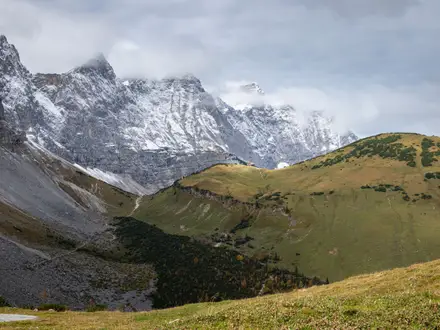
Weather in the Austrian Alps can be notoriously unpredictable, even during the main hiking seasons of summer and autumn. Sudden rainstorms, chilly winds, and rapid temperature drops are possible, especially above 2,000 meters. Dense morning fog or low cloud cover may impact visibility and navigation on exposed ridgelines and open pasture areas. While the trail is generally well-marked, in foggy or stormy conditions, signs and markers can be harder to spot, increasing the risk of losing the path. Carrying detailed trail maps or a GPS device is highly recommended for both safety and peace of mind.
Additionally, while most sections pass by huts or villages, some stretches between accommodations may be longer and more remote. This requires hikers to carry sufficient food, water, and emergency gear, as well as to be comfortable planning for contingencies should the weather turn or progress along the trail is slower than expected.
- Mountainous
- Forest
- Dirt
- Rocky
- Gravel
- Hotels
- Huts
- Lodges
- Campsites
- Family Friendly
- Pet Friendly
- Restrooms
- Water Sources
- Campsites
- Shelters
Starting in Bischofshofen, the first day introduces you to the Salzburger Almenweg’s signature rolling farmland and low alpine forests. The route gradually climbs out of the valley, passing through charming meadows, traditional farmsteads, and scenic woodlands as you head toward Arthurhaus. Expect gentle ascents and plenty of opportunities for panoramic views.
Leaving Arthurhaus behind, the route traverses higher ground, with open alpine pastures and the dramatic profile of the Hochkönig massif dominating the horizon. Rolling terrain, interspersed with rocky segments and rustic huts, leads into the lively village of Dienten am Hochkönig.
The trail continues through flower-filled meadows and follows well-marked paths along the slopes of the Hochkönig, passing through forested stretches and past traditional mountain huts before descending into the idyllic setting of Hinterthal.
Today’s stage crosses more tranquil high pastures and gently rolling terrain, delivering unbroken views across the valley as you approach the picturesque pilgrimage town of Maria Alm, known for its charming church and alpine surroundings.
Leaving Maria Alm, the path winds along open ridgelines with views to both the Steinerne Meer and Saalfelden basin. Enjoy a balance of wooded paths and wide meadows before descending to the bustling market town of Saalfelden.
This segment takes you from Saalfelden across undulating terrain toward Leogang. Expect mixed woodland, peaceful farmlands, and scenic mountain backdrops, with occasional glimpses of the Leoganger Steinberge as you approach the village.
The route today involves more sustained elevation gain as you ascend lush mountain flanks and traverse high pastures, following centuries-old trails to the lively ski-hub of Saalbach, renowned for its vibrant alpine activities.
From Saalbach, the Almenweg gently descends into valleys filled with cowbells and wildflowers, eventually guiding you through open woodlands and meadows to Viehhofen, a quieter and welcoming village stop.
Stunning mountain vistas and mixed forest paths characterize today’s walk, which leads you into the lakeside resort town of Zell am See. The trail meanders through farmlands and along the shores of the iconic alpine lake.
Departing Zell am See, the route heads through gentle foothills towards Kaprun. Enjoy both tranquil riverside paths and spectacular views of the Hohe Tauern peaks as you enter this mountaineering hub famous for its glacier landscapes.
Today’s section winds up gentle valleys and through forested sections with ample places to pause in sun-dappled clearings before arriving at the serene village of Niedernsill, set along the banks of the Salzach river.
Leaving Niedernsill, you move deeper into the alpine heartland, following undulating tracks parallel to sparkling streams before navigating a mix of woodland and wide meadows to Uttendorf, a village known for its lakeside leisure.
This stage is a journey into the Stubachtal Valley’s more remote reaches, with rising altitudes and unforgettable glacier vistas. Pristine streams and raw alpine landscapes set the mood before reaching welcoming huts in the valley.
A highlight segment, this day crosses high passes with breathtaking 360-degree mountain panoramas. As you descend into Bad Gastein, you’ll be greeted by the famous spa town’s historic architecture and natural waterfalls.
Walking along the lush Gastein Valley floor, the trail connects the two renowned spa towns of Bad Gastein and Bad Hofgastein. Enjoy riverside trails, open farmlands, and the valley’s unique blend of culture and nature.
Following a gentle climb along wooded hillsides, today’s stage hugs the eastern side of the Gastein Valley. The route is interspersed with farms and panoramic viewpoints before descending to the peaceful village of Dorfgastein.
This section takes you over an alpine pass into the Grossarl Valley, renowned as the 'Valley of Mountain Huts.' Forested trails and sweeping meadows lead to the charming village of Großarl.
An easier day along scenic valley paths, rich in wildflowers and traditional wooden huts, ends at the tranquil settlement of Hüttschlag, surrounded by forested mountains and grazing pastures.
A moderately challenging stage climbs steadily through larch forests, across open ridges, and past tranquil lakes before a scenic descent brings you into the peaceful village of Kleinarl.
Today’s walking follows gentle forest tracks and broad alpine meadows, with plenty of views over the Salzburg mountains. The route ends in Wagrain, a lively town known for its hospitality and cultural festivals.
Crossing open pastures and gently rolling highland paths, you descend gradually into Flachau, a traditional alpine village popular with hikers and mountain sports enthusiasts.
A varied section combining forested slopes, peaceful plateaus, and striking rock formations guides you to Filzmoos, known for its authentic alpine ambiance and dramatic mountain scenery.
Mostly descending, today’s path passes through peaceful forests and small hamlets before entering the historic walled town of Radstadt, renowned for its medieval towers and charming market square.
The final challenging stage sees a return to higher ground, navigating hilltops and open ridges with panoramic views before descending dramatically into Werfen, famed for its castle and as the end point for many hikers on the Almenweg.
Your journey concludes with a gentle walking stage over meadows and along quiet valley paths to Hüttau, where the Salzburger Almenweg’s rewarding vistas and alpine hospitality make for a fitting end.