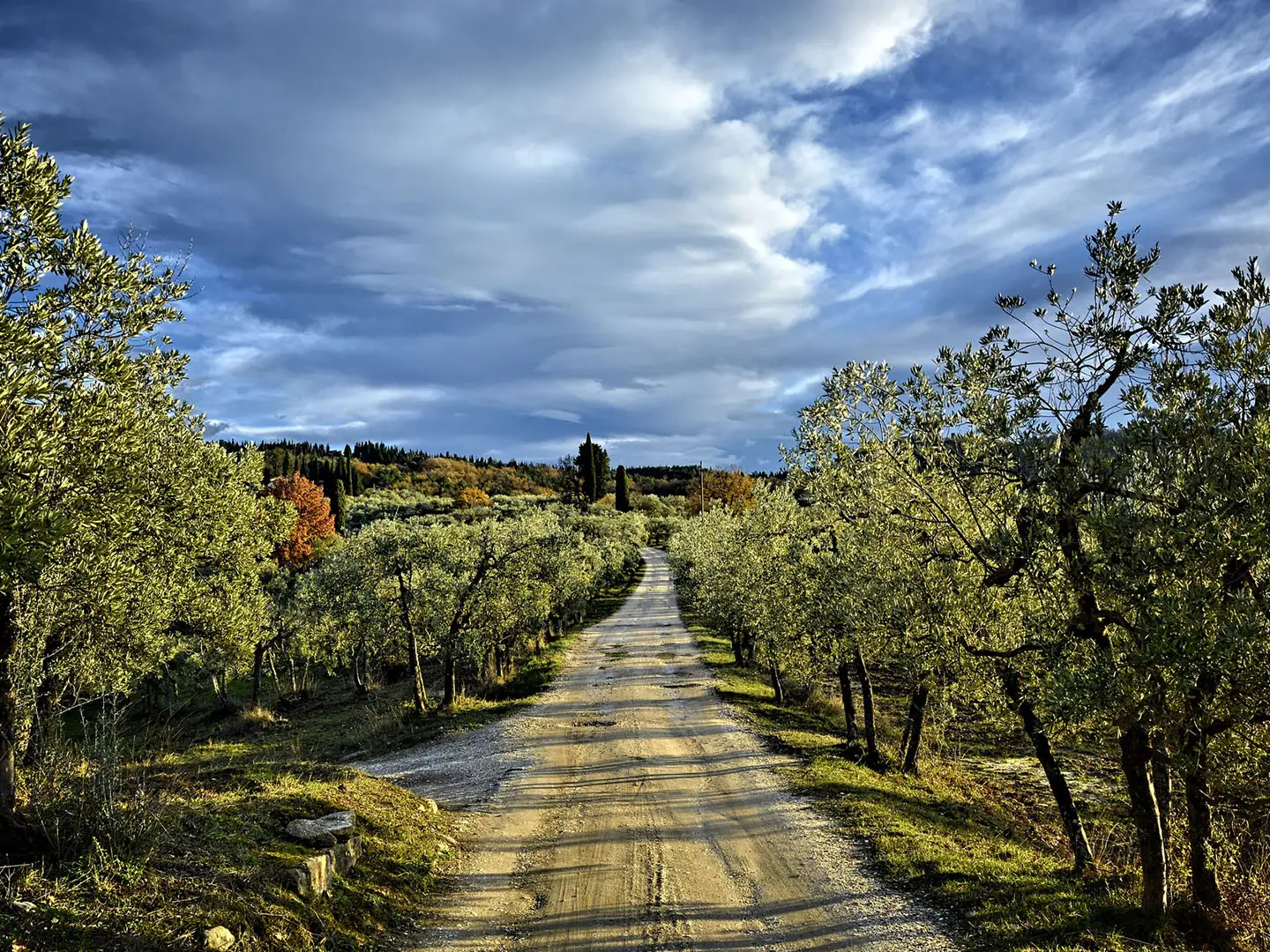
Weekend Hikes
14 hand-picked long-distance trails
Weekend hikes are the sweet spot between a day walk and a full long-distance trail: enough time to travel, settle into the route and still finish on schedule. This collection brings together 2–3 day trails across Europe, from coastal paths and island loops to hills, forests and fells. Each option is manageable in length, moderate or easier, and suited to a short walking break.
Trails in this collection
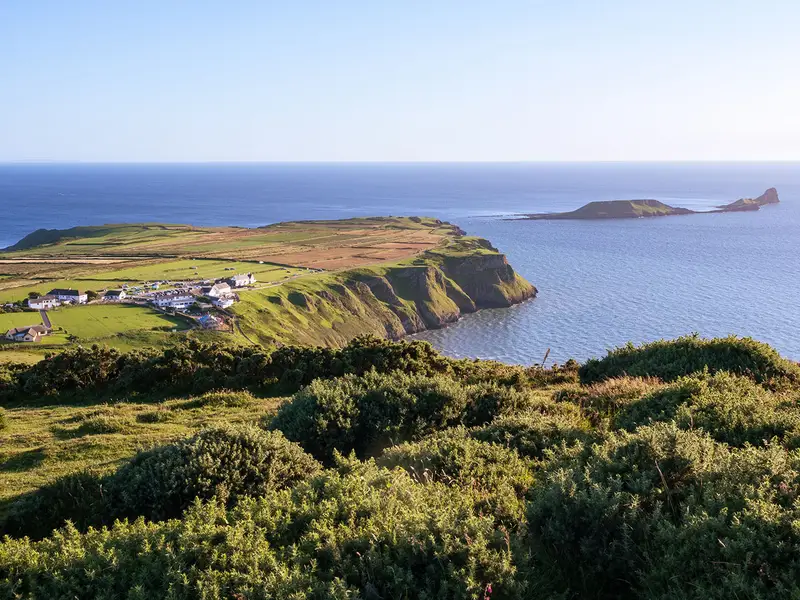
Gower Way
View trail →
 United Kingdom, Wales · 56 km · 2-3 days · Moderate
 The Gower Way suits a long weekend because its 56 km can be walked over 2–3 days. Moorland, heath, farmland, limestone plateau, ridge and coastal sections keep the route varied without leaving moderate terrain.
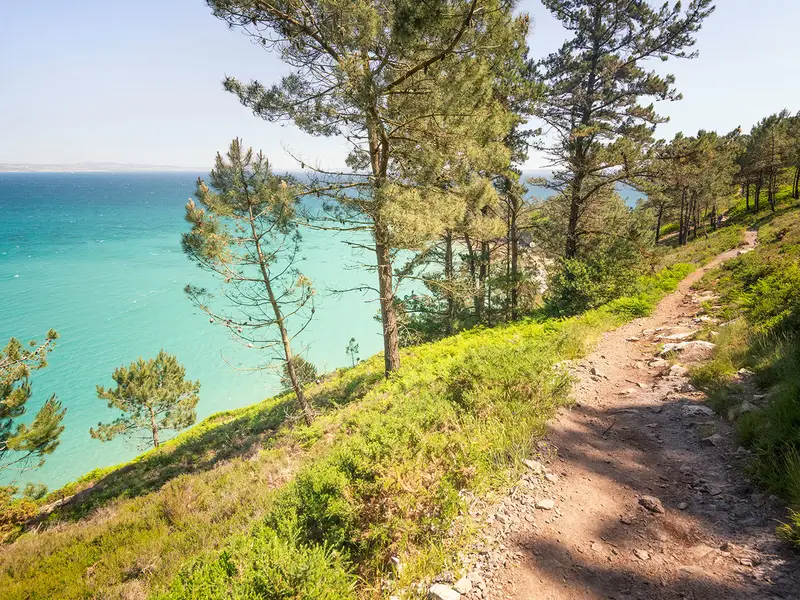
Presqu’île de Crozon Trail
View trail → France · 60 km · 3 days · Moderate
 This 60 km GR34 section in western Brittany is a full 3-day coastal weekend. The point-to-point line between Camaret-sur-Mer and Telgruc-sur-Mer traces cliffs, beaches and headlands at a moderate grade.
Causeway Coast Way
View trail → Ireland · 51 km · 2 days · Moderate
 A classic two-day coastal weekend: 51 km of waymarked walking along County Antrim’s north coast. Its official Causeway Coast & Glens Quality Walk status makes it a strong pick for a short, structured trip.
Zagori Villages Circuit
View trail → Greece · 45 km · 3 days · Moderate
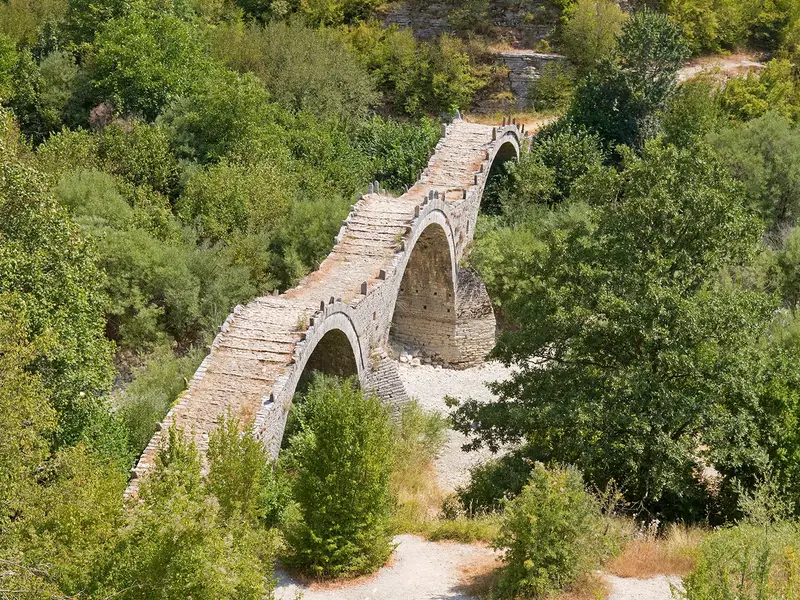
 The Zagori Villages Circuit packs a 45 km, 3-day mountain walking loop into northwestern Greece. Old cobbled mule paths, stone staircases, rocky trail and forest link several villages without requiring a point-to-point transfer.
The Sandstone Trail
View trail → United Kingdom, England · 55 km · 2-3 days · Moderate
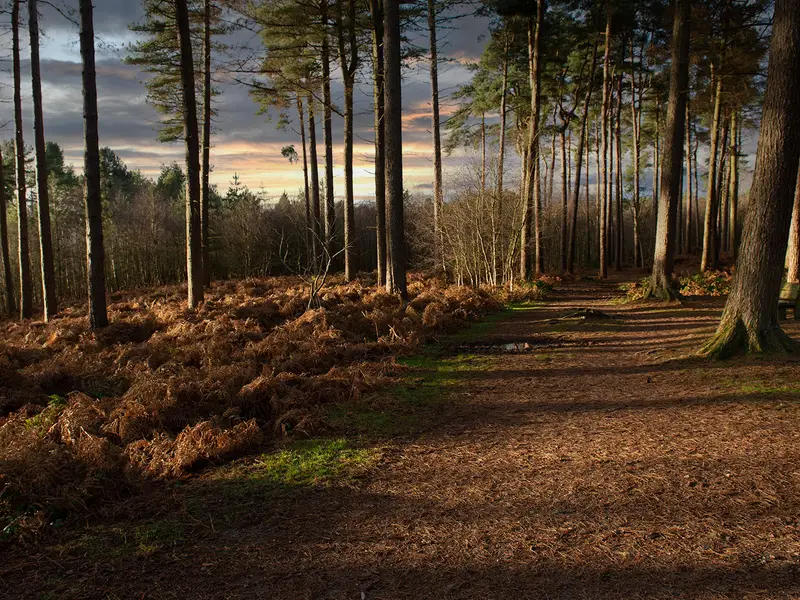
 The Sandstone Trail is ideal for a flexible 2–3 day English weekend, covering 55 km from Frodsham to Whitchurch. Forest, ridge, farmland, lowland heath and canal towpath give steady variety along the Mid Cheshire Ridge.
Pyhä-Luosto National Park Trail
View trail → Finland · 30 km · 2-3 days · Moderate
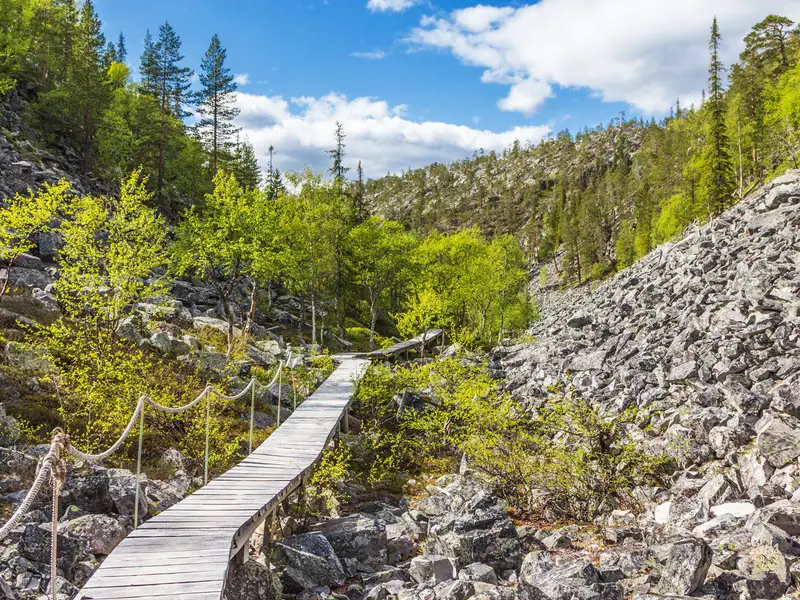
 This 30 km Finnish Lapland route is waymarked, non-technical and sized for 2–3 days. Forest, fell, gorge and mire terrain make it feel remote while keeping the overall grade moderate.
Chianti Trail
View trail → Italy · 48 km · 3 days · Moderate
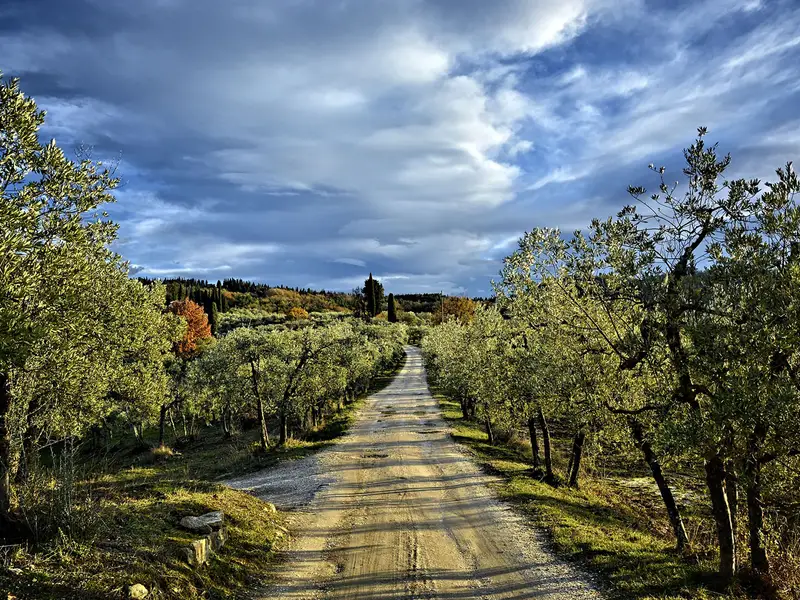
 This 48 km, 3-day Tuscany walk fits a slower weekend where the scenery changes from vineyards and olive groves to forest. It follows established Chianti Classico paths and strade bianche rather than one branded trail.
Cilento Coast Trail
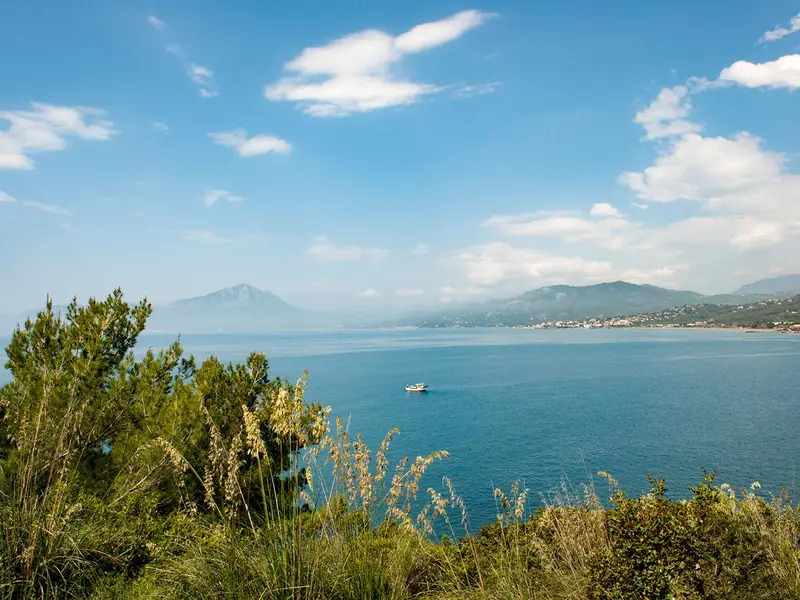
View trail → Italy · 36 km · 2 days · Moderate A 36 km, 2-day coastal walk in southern Italy, this route works well for a compact village-to-village escape. It follows the Tyrrhenian shore inside Cilento, Vallo di Diano e Alburni National Park.
Mull of Galloway Trail
View trail → United Kingdom, Scotland · 59 km · 3 days · Moderate
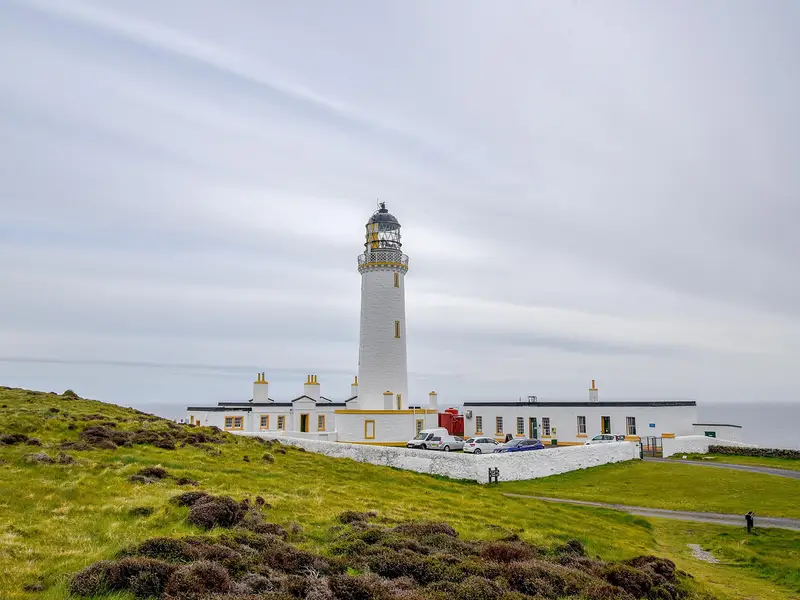
 A 59 km, 3-day waymarked walk, the Mull of Galloway Trail gives a low-level Scottish coastal weekend. It mixes clifftop, beach, farmland and inland sections from the lighthouse to Glenapp near Ballantrae.
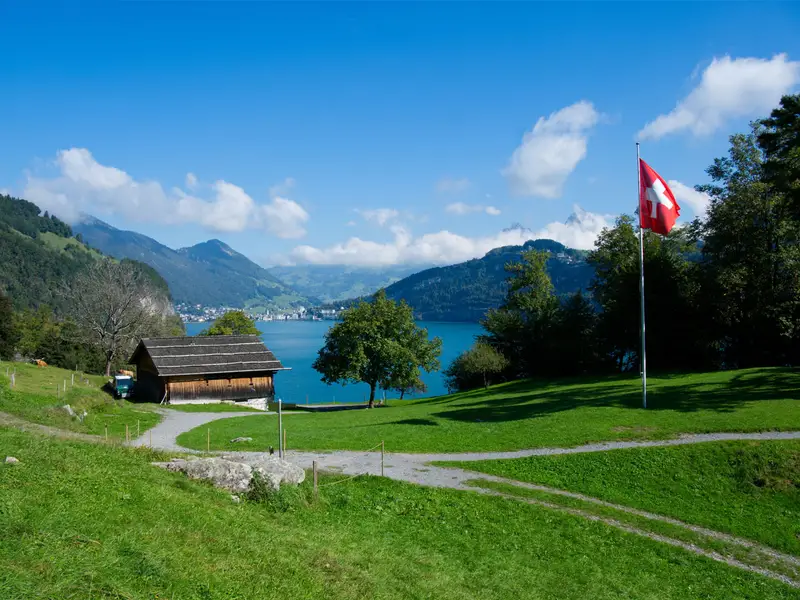
Swiss Path (Weg der Schweiz)
View trail → Switzerland · 35 km · 2 days · Moderate
 At 35 km over 2 days, the Swiss Path gives a compact lakeside break on national route No. 99. Expect Lake Uri shores, forest, hills and alpine foothills, with moderate walking rather than technical ground.
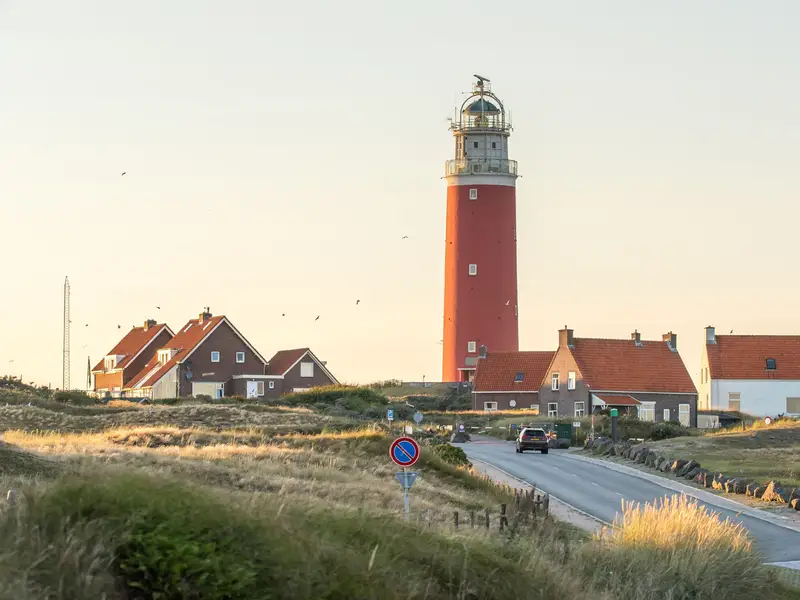
Texel Island Circular Trail
View trail → Netherlands · 60 km · 2 days · Moderate
 Texel offers a rare 60 km island loop that still fits into 2 days. Flat coastal terrain, beaches, dunes, forest, farmland and wetland make it a varied but contained Dutch Wadden Island break.
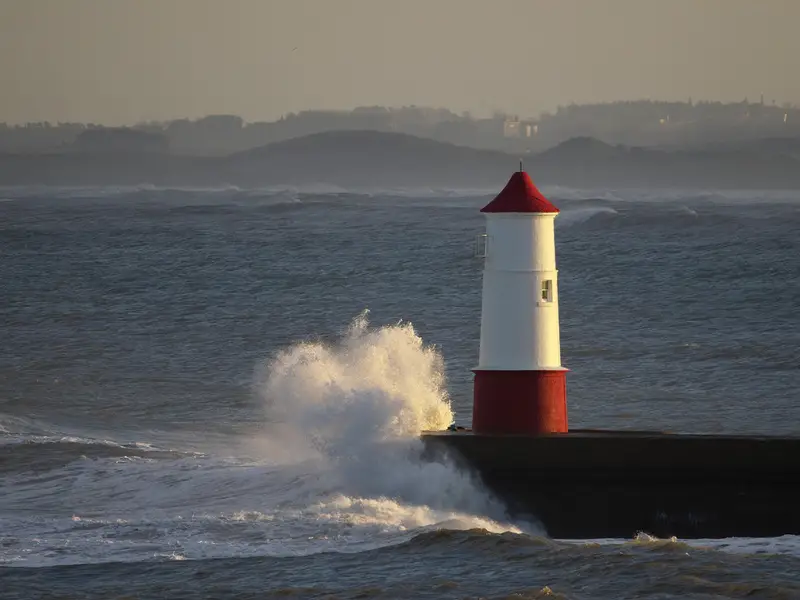
Berwickshire Coastal Path
View trail → United Kingdom, Scotland · 48 km · 2-3 days · Moderate This 48 km route is a manageable 2–3 day coastal trip from Cockburnspath to Berwick-upon-Tweed. Grassy clifftops, farmland, beaches and a moderate grade make it a strong short-break option in the Scottish Borders.
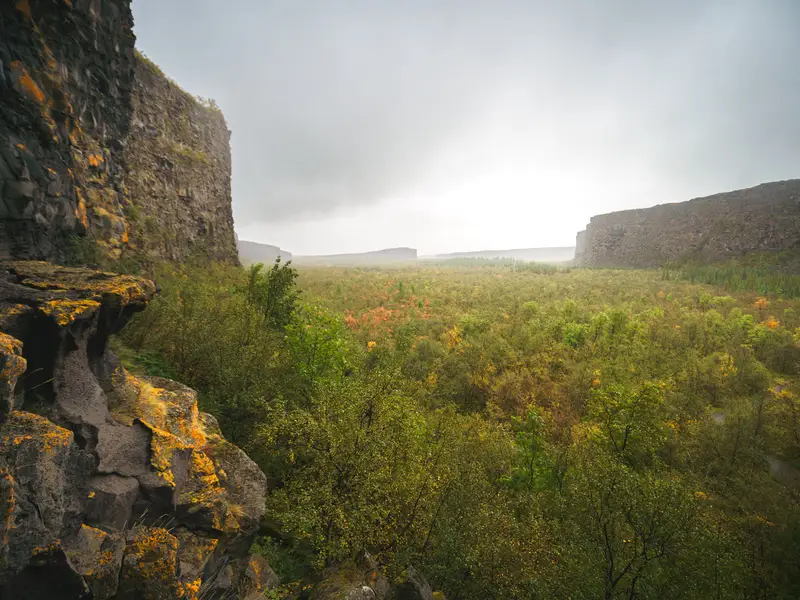
Ásbyrgi to Dettifoss Trail
View trail → Iceland · 32 km · 2 days · Moderate
 At 32 km over 2 days, Ásbyrgi to Dettifoss is one of the shorter full-weekend treks here. It follows the glacial Jökulsá á Fjöllum through forest, rocky terrain and river landscapes in Vatnajökull National Park.
Great Western Greenway
View trail → Ireland · 42 km · 2 days · Easy The easiest option in the collection, this 42 km County Mayo route takes 2 days on mostly flat, surfaced, off-road, traffic-free ground. Coastal, farmland and bog scenery make it accessible without feeling urban.
Weekend Hikes: How to Choose a Two- or Three-Day Trail
Choosing the right short break
Start with the time you actually have, not just the trail distance. If you have two full walking days, prioritise compact routes such as the 30–42 km options, or choose a longer trail only if your travel connections leave enough daylight. For a three-day escape, the 48–60 km routes give more room for steady stages, longer breaks and less pressure at the start or finish.
Terrain should shape your choice as much as mileage. Coastal and lakeshore routes can feel straightforward underfoot, but clifftops, beaches and headlands may still slow progress. Hilly, mountainous, fell or moorland routes are better for walkers comfortable with sustained ups and downs, even where the grading remains moderate. If you want the least demanding surface, the easy, mostly flat greenway option stands apart.
Planning fitness, weather and logistics
Most of these weekend hikes are point-to-point routes, so check how you will reach the start, leave the finish and move between overnight stops before committing. Loops remove some of that pressure, but they can still be long over two days, so plan realistic stages rather than relying on the headline duration alone.
Moderate does not mean technical here, but it does mean you should arrive ready to walk on consecutive days with a packed day bag. Coastal weather, exposed ridges, rocky paths, forest sections, bog, mire and farmland all ask for different footwear and layers. If travel time cuts into the first or last day, sample a section instead of forcing the full route. The best weekend walking breaks feel complete, but they should still leave enough margin for transport, meals, accommodation check-ins and changing weather.