Rankings
Why the Camino de Santiago Didn’t Make Our Top 100
The classic Camino Francés scores 79, but that number misses much of what makes the Camino matter so deeply to pilgrims.
7 June 2026 7 min read
14 hand-picked long-distance trails
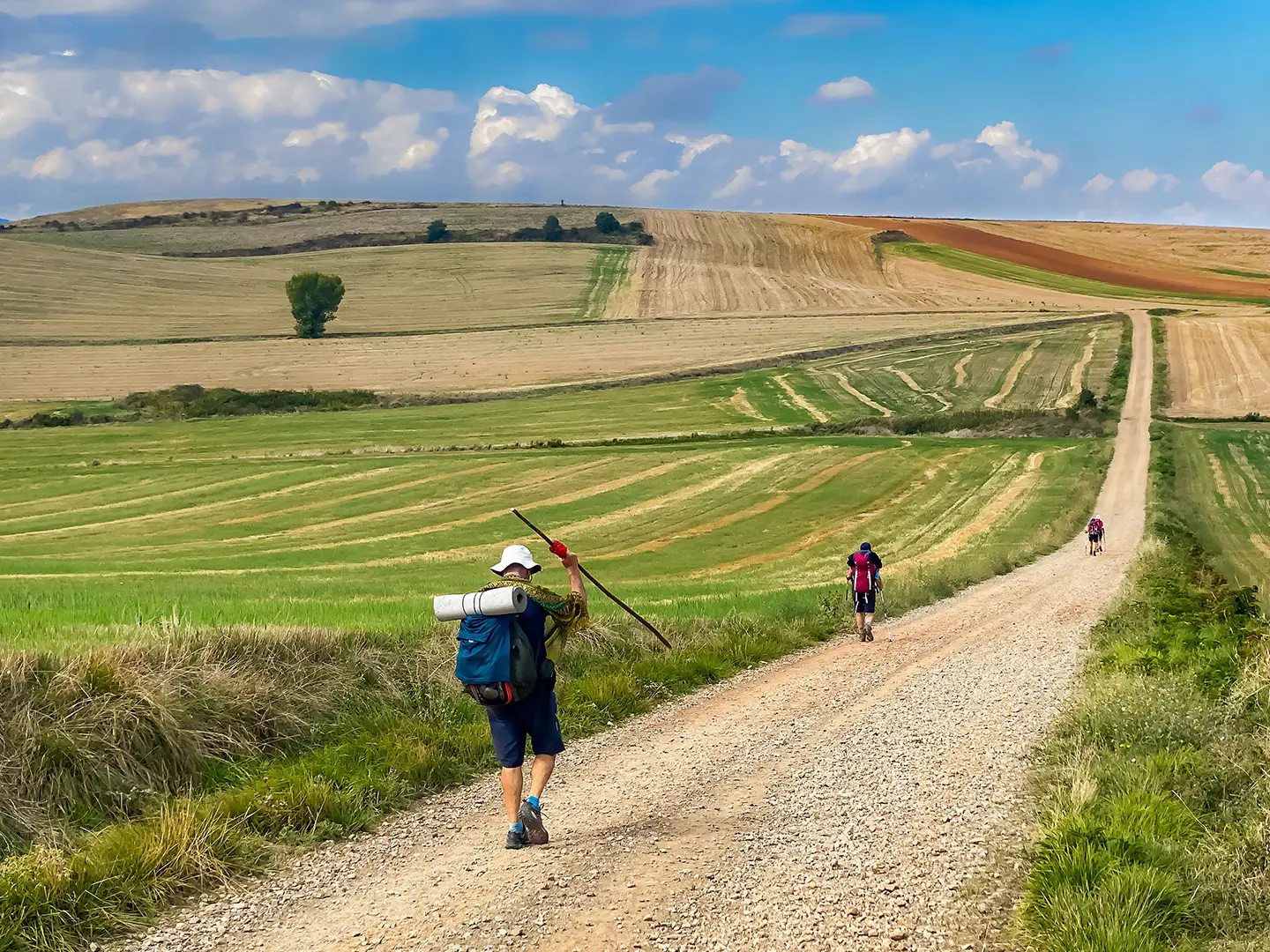
Camino de Santiago routes are the pilgrimage Ways of St James leading towards Santiago de Compostela, plus the French, Portuguese and Spanish approach routes and shorter sections that help walkers choose a realistic Camino. This collection is for pilgrims and long-distance walkers comparing distance, difficulty, terrain and time commitment before deciding which way to walk.
 Spain · 180 km · 7 days · Moderate
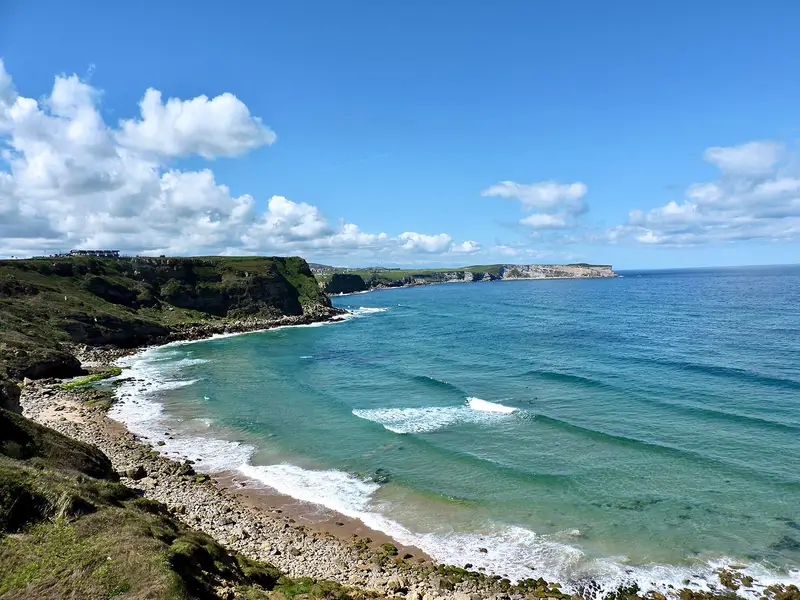
 This Cantabria segment gives a manageable one-week taste of the Camino del Norte, covering 180 km from Castro Urdiales to Unquera. Moderate coastal, farmland, urban and wetland terrain makes it useful for walkers testing the northern route.
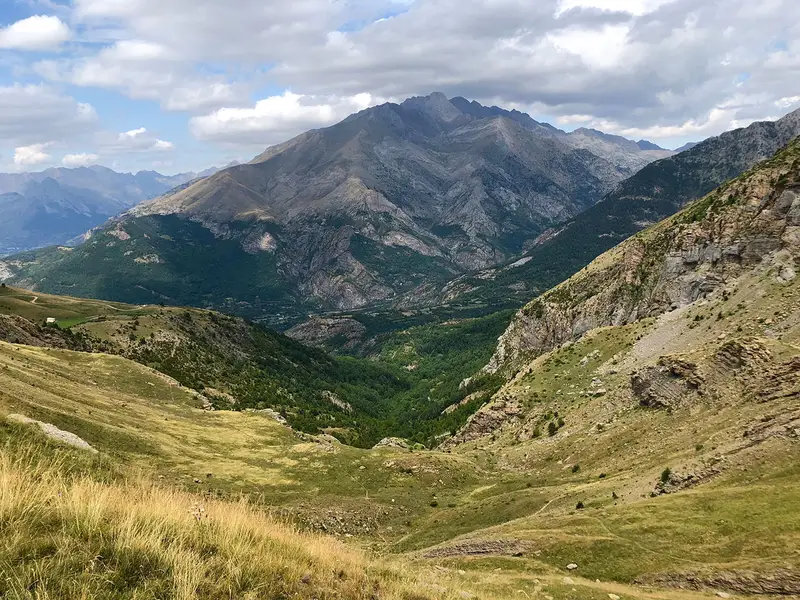 Spain · 170 km · 6 days · Moderate
 The Camino Aragonés is a compact six-day Camino route, running 170 km from the Somport pass to Puente la Reina. Mountainous, forest, river valley and meadow terrain make it a distinctive moderate entry from the France–Spain border.
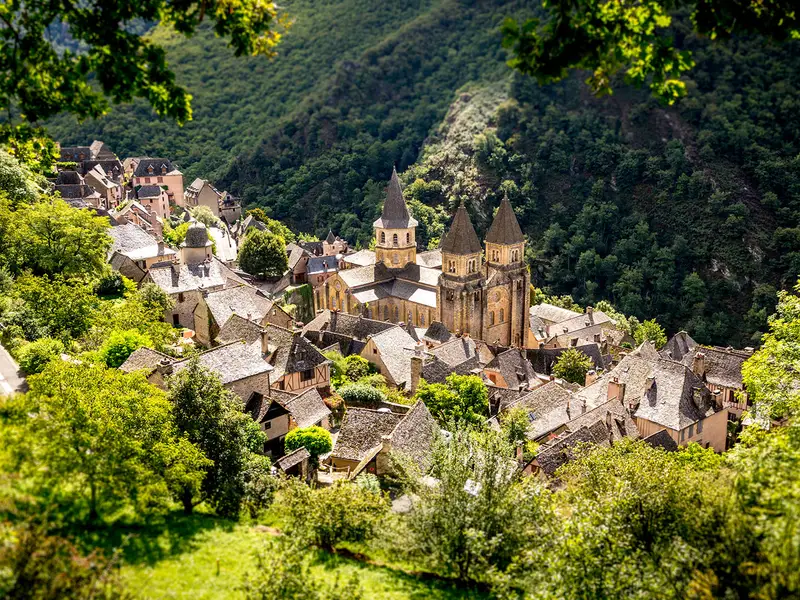
 France · 735 km · 28-32 days · Moderate
 The GR65 is the Le Puy Camino across southern France, a 735 km moderate route to Saint-Jean-Pied-de-Port over 28–32 days. Plateau, hilly, forest and river valley terrain make it a substantial French approach to the Spanish caminos.
 Spain · 155 km · 7 days · Moderate
 The Navarre Camino Route focuses on the early Camino Francés in Spain, walking 155 km from Roncesvalles to Logroño in seven days. Mountainous ground, forests, farmland, vineyards, river valley sections and urban stretches make it a varied moderate segment.
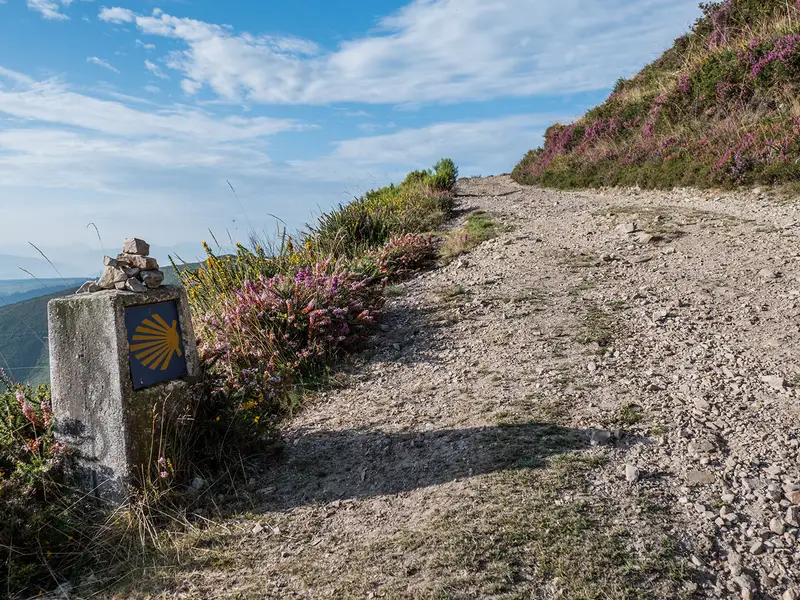 Spain · 320 km · 12-14 days · Hard
 The Camino Primitivo is a shorter but harder route, covering 320 km from Oviedo Cathedral to Santiago in 12–14 days. Mountainous stages, ridges, forests, river valleys and farmland suit walkers wanting a demanding northern Spanish Camino.
 France · 725 km · 30 days · Moderate
 The GR654 brings the Via Lemovicensis into the collection: a moderate 725 km route from Vezelay across central France, planned at about 30 days. Forest, hills, farmland and river valley terrain define this quieter-feeling French Camino approach.
 France · 500 km · 30 days · Moderate
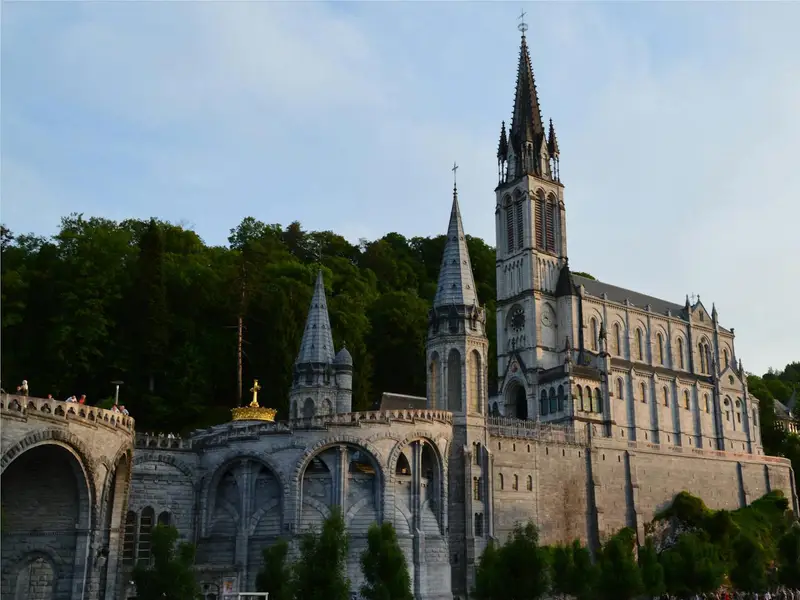
 The GR78 is the Chemin du Piémont Pyrénéen, a 500 km secondary Camino from Carcassonne to Saint-Jean-Pied-de-Port. Its moderate 30-day line through foothills, agricultural land, vineyards, forest, river valleys and pasture offers a Pyrenean-edge alternative.
 Portugal · 620 km · 28-30 days · Moderate
 The Caminho Português offers a full 620 km route from Lisbon Cathedral to Santiago, normally taking 28–30 days. Its moderate difficulty and rolling forest, woodland, farmland and vineyard terrain make it a major non-Spanish starting option.
 France · 800 km · 30-35 days · Hard
 The GR653 is the hard Voie d’Arles, an 800 km southern French Camino from Arles to the Col du Somport. Its 30–35 day length and mix of hilly, forest, mountainous and urban terrain make it a serious approach route.
 Spain · 780 km · 33-35 days · Moderate
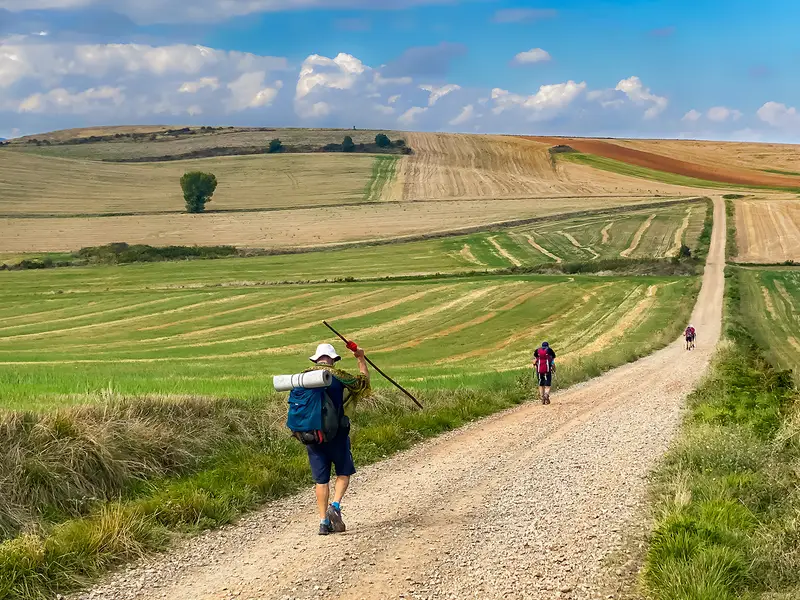
 The Camino Francés is the classic benchmark: a 780 km moderate crossing of northern Spain, usually walked in 33–35 days. Its mix of mountains, farmland, vineyards, plains and hills makes it the reference point for comparing other caminos.
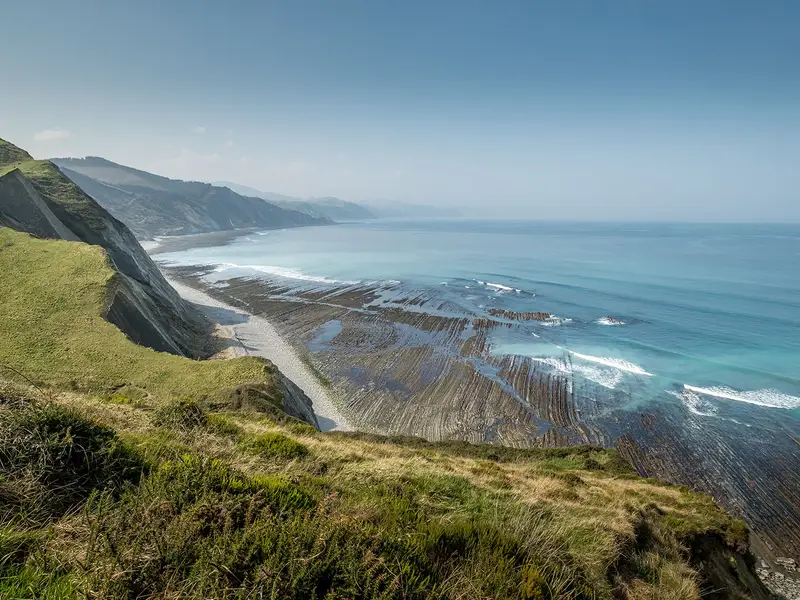 Spain · 825 km · 34 days · Hard
 The Camino del Norte belongs here as the hard coastal alternative across northern Spain, running 825 km from Irun to Santiago in about 34 days. Coastal terrain, forest and farmland make it a tougher long Camino choice.
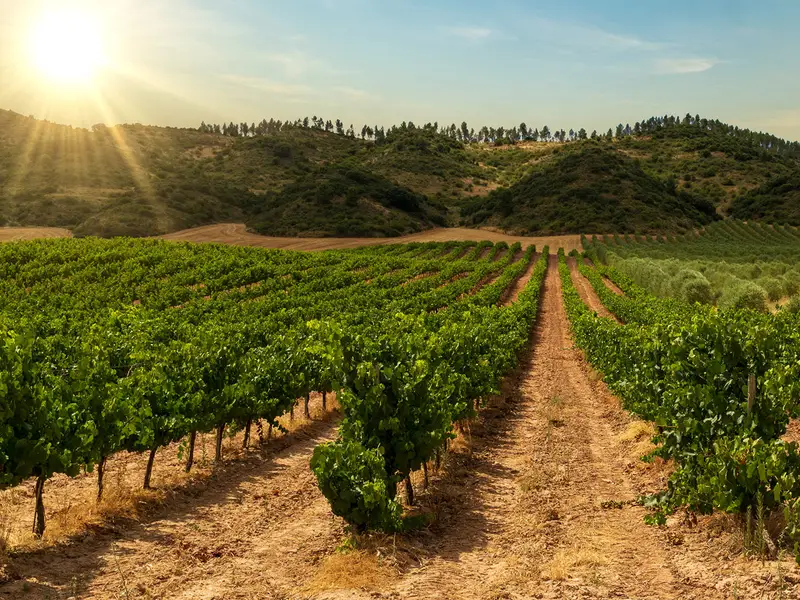 Spain · 62 km · 3 days · Moderate
 The Rioja Segment is the shortest Camino option here: 62 km over three moderate days from Logroño to Grañón. Vineyards, farmland, rolling hills, cereal fields and urban edges make it a concise Camino Francés section.
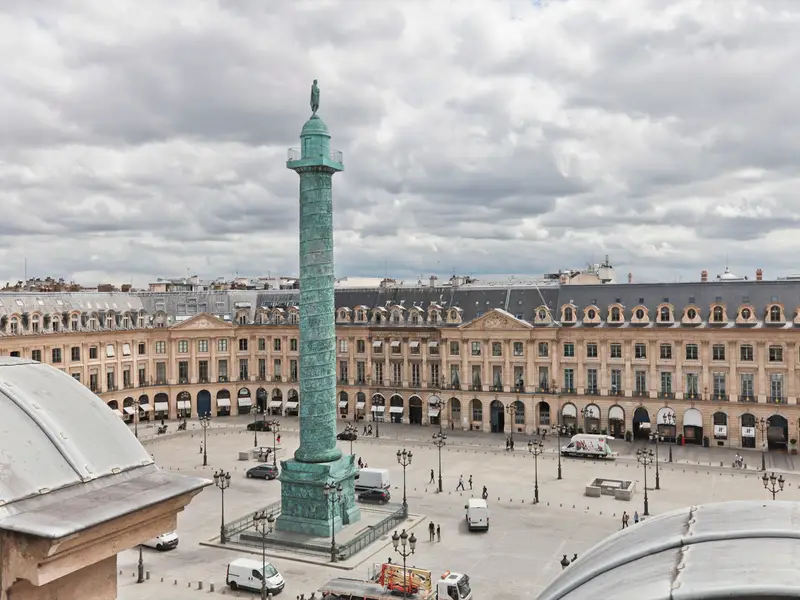 France · 1000 km · 40 days · Moderate
 The GR655 is the Via Turonensis from central Paris to Saint-Jean-Pied-de-Port, using about 1,000 km and 40 days as planning figures. It suits walkers wanting a long but moderate French Camino through plains, farmland, forest, river valleys and vineyards.
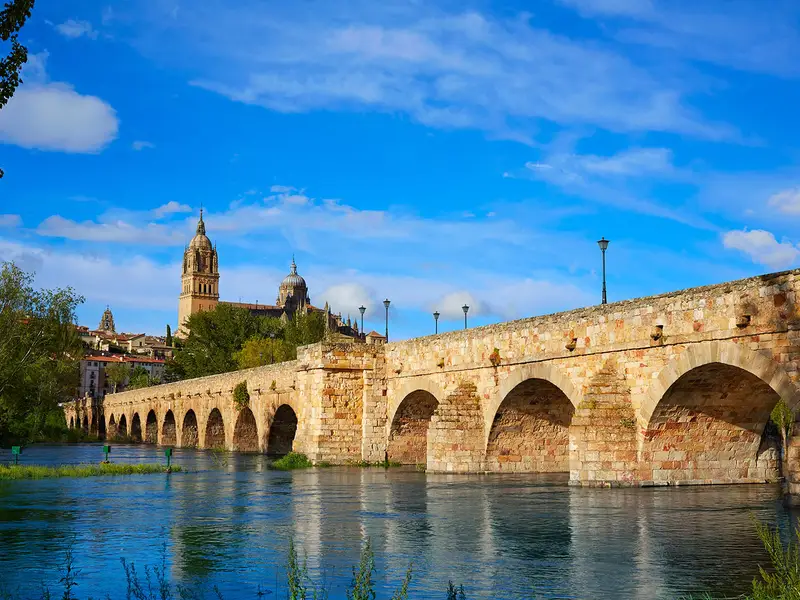 Spain · 705 km · 30 days · Hard
 The GR100 earns its place as the Vía de la Plata approach across western Spain, walking 705 km from Seville to Astorga in about 30 days. Plains, dehesa, cereal fields, river valleys and mountain crossings make it a hard Camino option.
The first choice is scale. A full Camino can mean several weeks on a point-to-point route: examples here range from long crossings of France, Portugal or northern Spain to demanding Spanish approaches with mountain stages, coastal walking or open plains. If you have limited time, a recognised segment can give a concentrated Camino experience in three to seven days without committing to a month-long journey.
Start with duration and difficulty, not reputation. Moderate Camino de Santiago routes are still long-distance walks, often with repeated days on farmland, forest tracks, vineyards, hills or river valleys. Hard routes in this collection tend to be harder because of length, mountain terrain, coastal ups and downs, ridges or exposed crossings rather than technical climbing.
Terrain changes the feel of the journey. Coastal routes suit walkers who want sea-facing stages but can involve harder gradients. Mountainous or ridge routes ask for stronger legs and more conservative daily planning. Plains, cereal fields and dehesa can be physically and mentally demanding because the walking is sustained and open. Vineyard and farmland sections are often more manageable for shorter itineraries, though they are still point-to-point walks requiring consistent daily mileage.
Think about your start and finish as carefully as the route itself. Some walks in this list finish in Santiago de Compostela; others are approach routes across France or sections of a larger Camino that connect into the wider network. Check how many days you can walk, then compare that with the listed distance and difficulty rather than assuming every Camino has the same rhythm.
Before setting dates, review current conditions for the terrain you will cross and plan your daily stages around your own fitness. The best Camino de Santiago routes are not simply the longest or most famous: they are the ones that match your available time, preferred landscape and tolerance for repeated days on foot.
The classic Camino Francés scores 79, but that number misses much of what makes the Camino matter so deeply to pilgrims.