
Getting Started
How to Choose Your First Long-Distance Hike
Choose a shorter, well-waymarked first long-distance hike with easy logistics, good support and plenty of places to step off.
7 June 2026 8 min read

16 hand-picked long-distance trails
One week hikes are the sweet spot for walkers with a full week off work: long enough to feel like a real thru-hike, short enough to complete in one trip. This collection focuses on classic end-to-end routes, loops and waymarked trails that typically fit around 6 to 9 days, from National Trails and mountain valleys to pilgrim paths and coastal circuits.
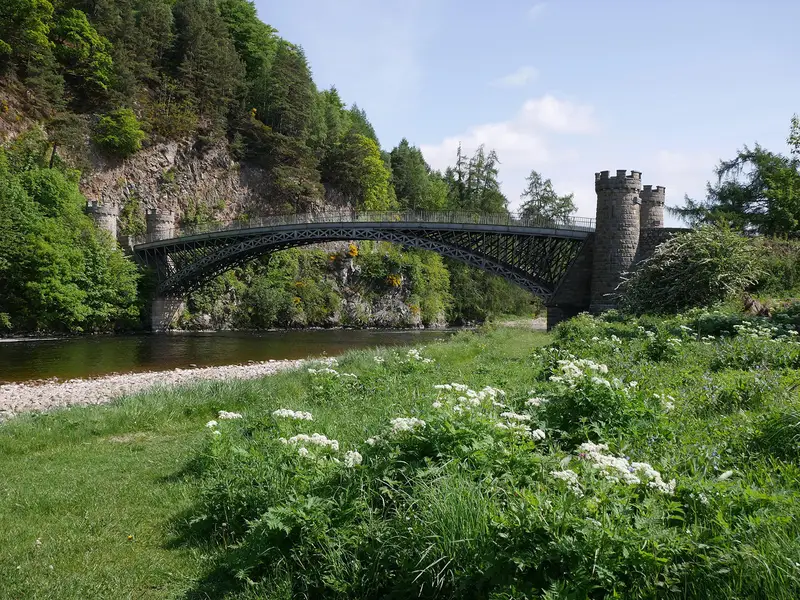

 United Kingdom, Scotland · 137 km · 6 days · Moderate
 The Speyside Way gives Scotland a shorter 6-day option, running 137 km from Buckie on the Moray Firth to Newtonmore in the Cairngorms. Its moderate river valley, forest, farmland, moorland and coastal terrain keeps the week varied.
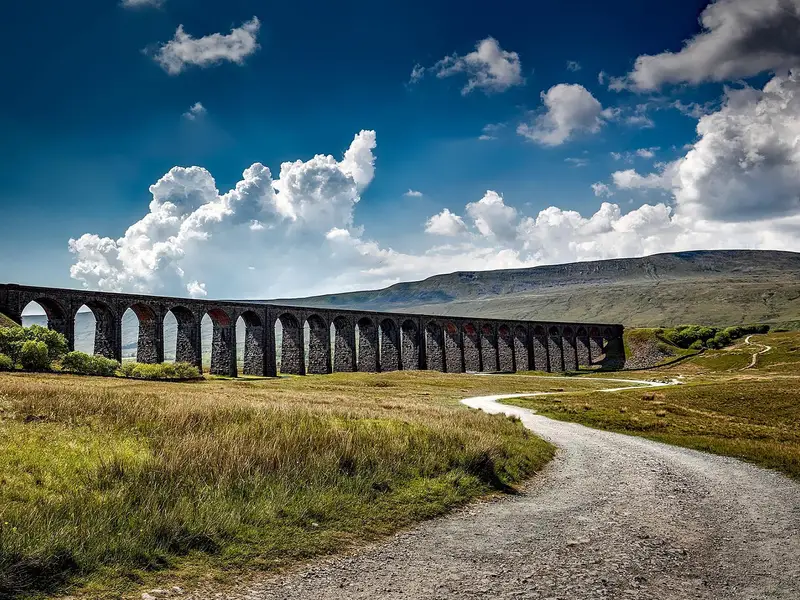
 United Kingdom, England · 129 km · 6-8 days · Moderate
 The Dales Way is a gentler-feeling week option at about 129 km, usually walked in 6–8 days. Its moderate point-to-point line uses riverside, valley, farmland, limestone, moorland and Lakeland fringe terrain.
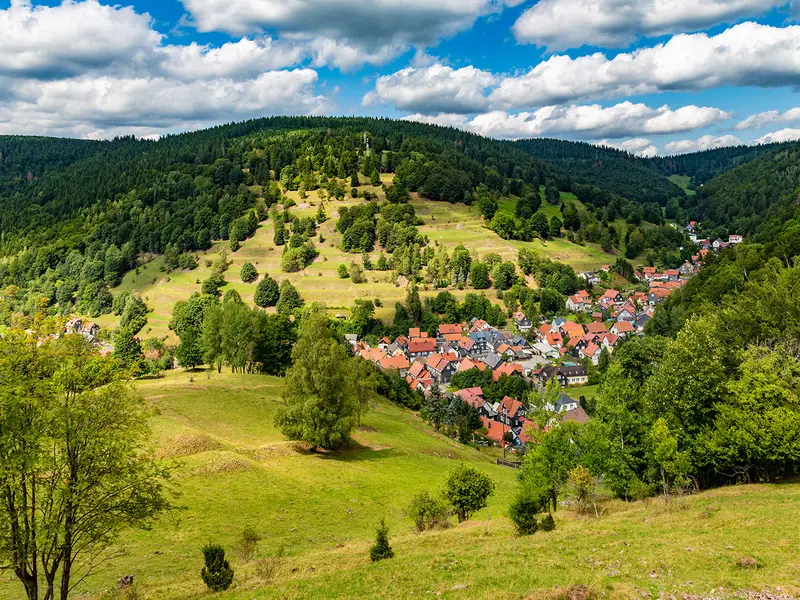
 Germany · 169.3 km · 6-8 days · Moderate
 Germany’s Rennsteig Trail fits neatly into 6–8 days, with the standard itinerary covering 169.3 km across Thuringia in 8 stages. Its moderate forest, ridge, moorland and meadow terrain makes it a strong week-long thru-hike.
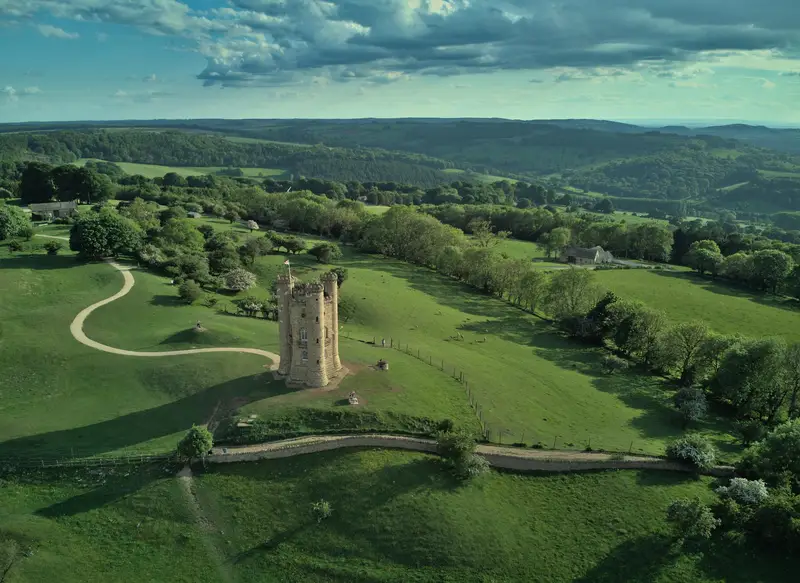 United Kingdom, England · 164 km · 7-10 days · Moderate
 The Cotswold Way suits walkers who can use a full week or add a little extra time, with 164 km usually taking 7–10 days. It is moderate, non-technical, and follows grassland, forest and hill terrain.
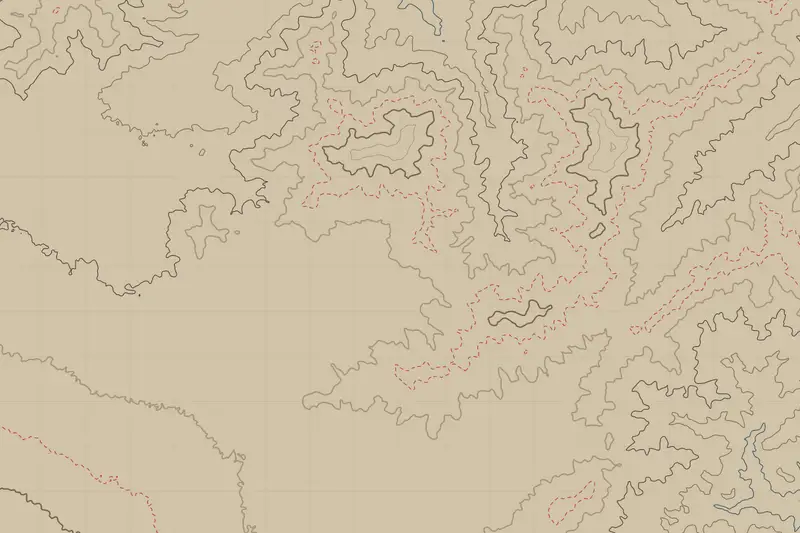
 Ireland · 130 km · 7 days · Moderate
 The Wicklow Way is a 130 km, 7-day National Waymarked Trail across the Dublin and Wicklow Mountains. It earns its place by combining a moderate, non-technical grade with mountain, forest, moorland and farmland walking.
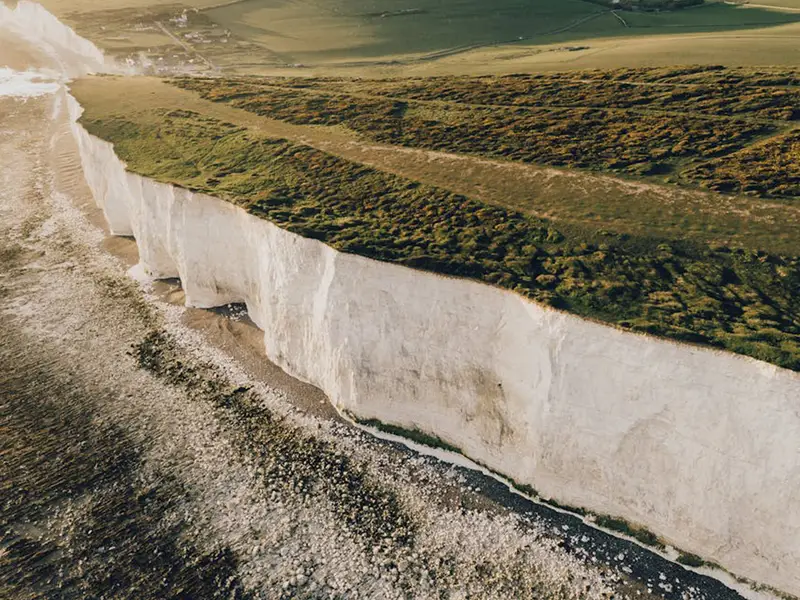 United Kingdom, England · 160 km · 8 days · Moderate
 At 160 km over about 8 days, the South Downs Way is a full-value week on a waymarked National Trail. Its moderate chalk-downs journey mixes grassland, hills and forest between Winchester and Eastbourne.
 Austria · 125 km · 7 days · Moderate
 The Lechweg is a neat 7-day, 125 km point-to-point trail following the wild River Lech from Formarinsee to the Lechfall. It offers a moderate alpine-feeling week through mountainous and forest terrain.
Ireland · 179 km · 8 days · Moderate The Dingle Way packs a complete Irish peninsula circuit into about 8 days, with 179 km around Corca Dhuibhne. Its moderate loop format and coastal, farmland, moorland and mountainous terrain give variety without a point-to-point finish.
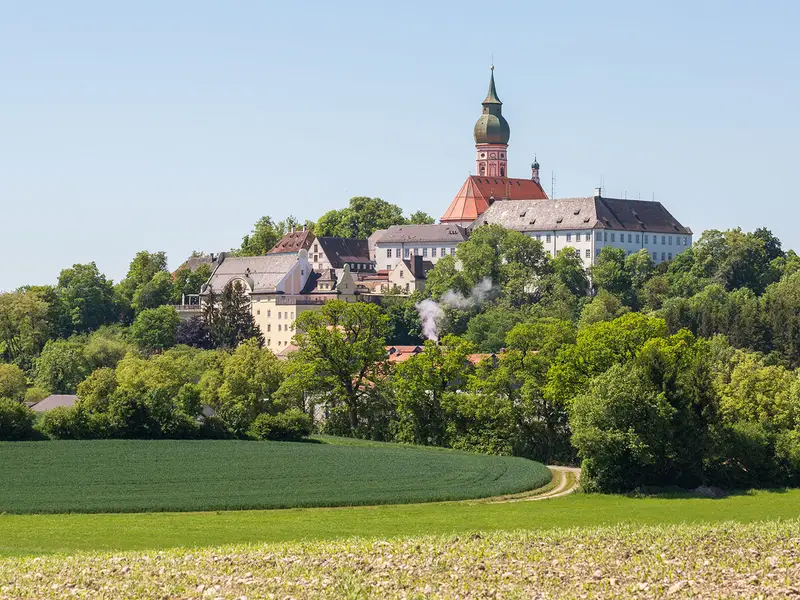 Germany · 120.7 km · 6-7 days · Moderate
 The King Ludwig Way is ideal if you want Bavaria in a week: 120.7 km from Lake Starnberg to Füssen, usually 6 stages or 7 relaxed days. Terrain ranges from lakeshore and farmland to forest, moor, meadow and gorge.
Ireland · 214 km · 9 days · Hard The Kerry Way stretches the one-week format to a hard 9-day circuit, covering 214 km around the Iveragh Peninsula and Killarney area. Choose it for a demanding loop with mountainous, coastal, moorland, forest and farmland terrain.
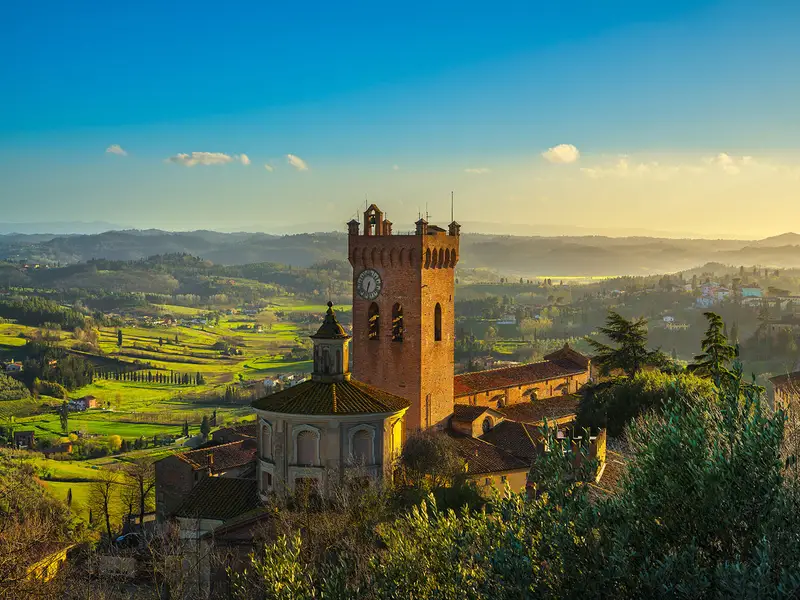
 Italy · 180 km · 7 days · Moderate
 This Lucca to Siena section turns the medieval Via Francigena into a complete 7-day Tuscan objective. Its 180 km of rolling hills, vineyards, olive groves, woodland, clay fields and river crossings suit fit walkers.
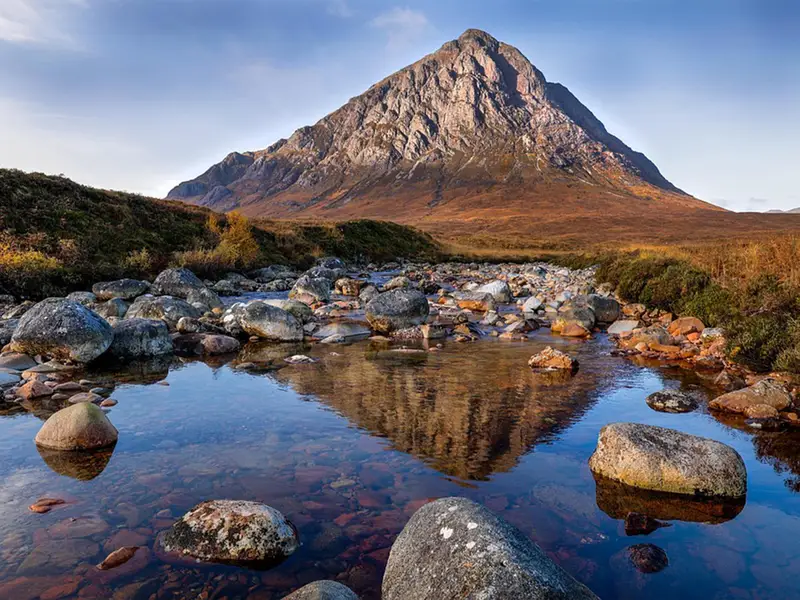 United Kingdom, Scotland · 154 km · 7 days · Moderate
 Scotland’s first official long-distance route fits the brief almost perfectly: 154 km, usually walked south-to-north in 7 days. Its moderate mix of mountainous, forest and grassland terrain makes it a classic one-week journey.
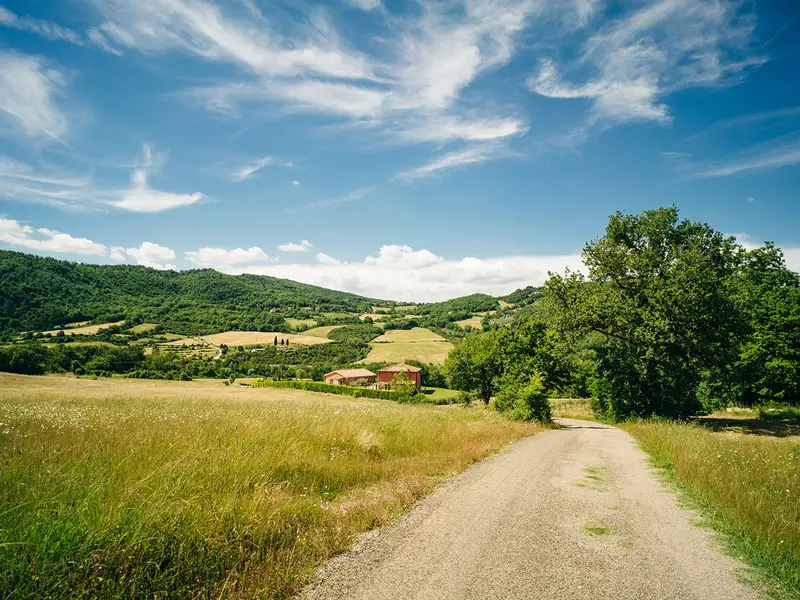 Italy · 130 km · 5-6 days · Hard
 This 130 km waymarked route from Bologna to Florence is a compact but hard week objective, usually taking 5–6 days. The Tuscan-Emilian Apennines, ridges, forests and around 5,000 m of ascent make it satisfying rather than easy.
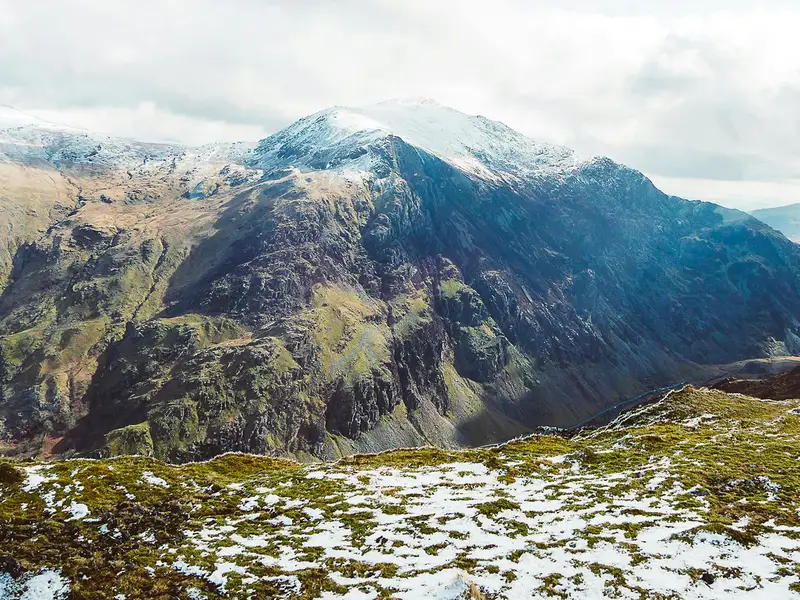
 United Kingdom, Wales · 156 km · 6-8 days · Moderate
 The Snowdonia Way crosses Eryri south to north in 6–8 days, covering 156 km from Machynlleth to Conwy. It is a moderate low-level traverse, but the long days make it a proper week-long challenge.
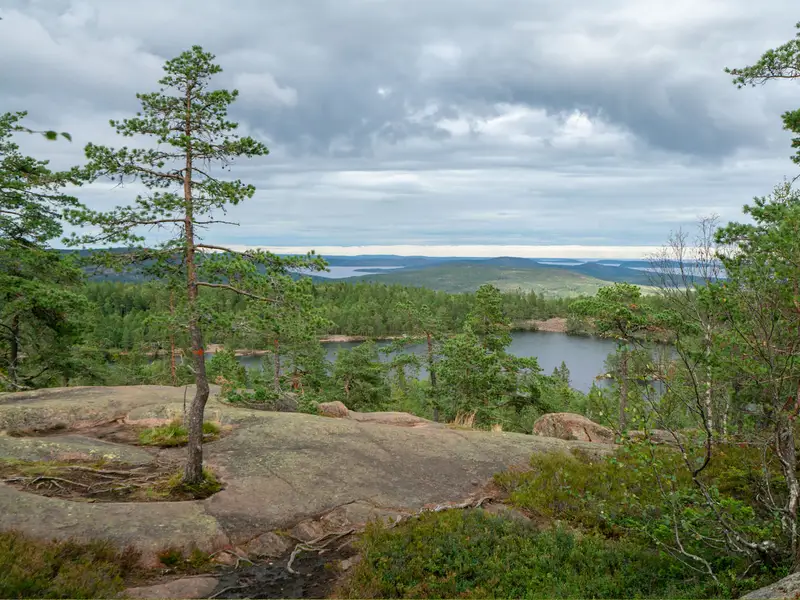
 Sweden · 135 km · 6-9 days · Hard
 Höga Kustenleden is for walkers wanting a harder 6–9 day coastal thru-hike in Sweden. The 135 km route follows the UNESCO High Coast through forest, boulder fields, beaches and granite tops.
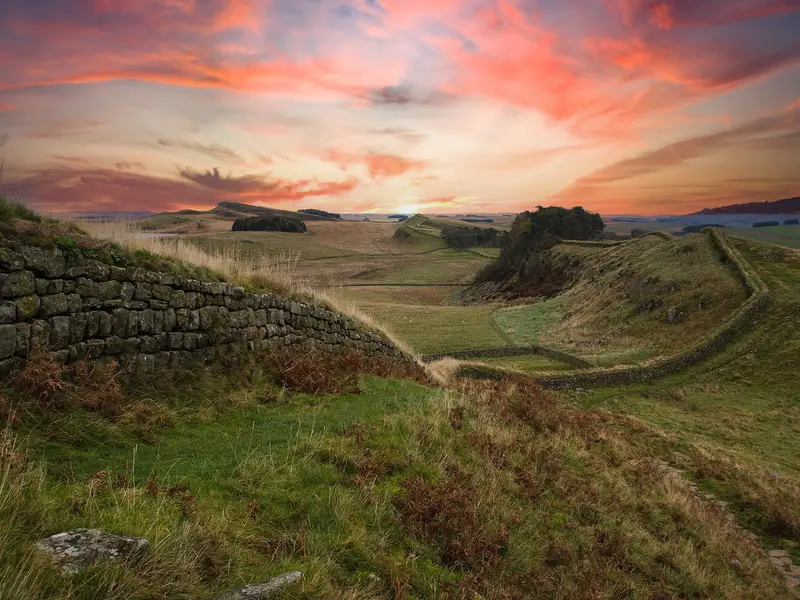 United Kingdom, England · 135 km · 6-7 days · Moderate
 Hadrian’s Wall Path gives you a complete National Trail in 6–7 days, following the Roman frontier for 135 km across northern England. Its moderate grade and grassland-to-urban terrain suit walkers wanting history with manageable daily stages.
Start with the number of walking days, not just the distance. A 125 km mountain-valley route over 7 days can feel very different from a 180 km pilgrimage segment in the same time, and a hard 6-day itinerary may demand more recovery than a moderate 8-day trail. If your annual leave is fixed, choose a route whose usual duration already matches your pace rather than relying on long catch-up days.
Trail shape matters too. Point-to-point walks give a clear journey from one place to another, but they need start and finish travel planning. Loops such as the Kerry Way and Dingle Way suit walkers who like the idea of returning to the same wider area at the end, while still completing a whole long-distance circuit rather than section-hiking.
Most one week hikes here are moderate, but moderate does not mean effortless. Consecutive days on grassland, forest tracks, hills, moorland or riverside paths still add up, especially on routes around 150 km or more. Hard options are better for walkers who are comfortable with bigger cumulative effort, rougher surfaces or more demanding terrain such as boulder fields, ridges and mountainous sections.
Use terrain as a practical filter. Valley, riverside, farmland and chalk-downs walking may suit a steadier rhythm; mountainous, coastal, moorland or ridge routes ask for more attention to conditions and daily energy. Historic pilgrimage sections and National Trails can feel more structured, while alpine river walks and peninsula circuits appeal if the landscape character is the main draw.
For a satisfying week-long thru-hike, leave room for travel at either end and be honest about whether you want six purposeful days or a fuller eight or nine-day journey. The best choice is not always the shortest route: it is the one whose distance, difficulty and terrain let you finish the whole trail well.
Choose a shorter, well-waymarked first long-distance hike with easy logistics, good support and plenty of places to step off.
Plan honest daily hiking distances: real km and mile ranges for beginners, regular walkers and experienced long-distance hikers.