Hiking Basics
What Is a Long-Distance Hike?
A long-distance hike is a multi-day walk on a named route — learn what counts, how it feels, and how to start without overdoing it.
7 June 2026 7 min read
14 hand-picked long-distance trails
Long distance hikes for beginners should feel like a first expedition, not a survival test: clear waymarking, low-level terrain, sensible stage lengths and enough towns or villages to make accommodation and transport planning realistic. This collection focuses on easier multi-day walks with no scrambling, high altitude or technical sections, ranging from two-day greenways to week-long national trails and canal routes.
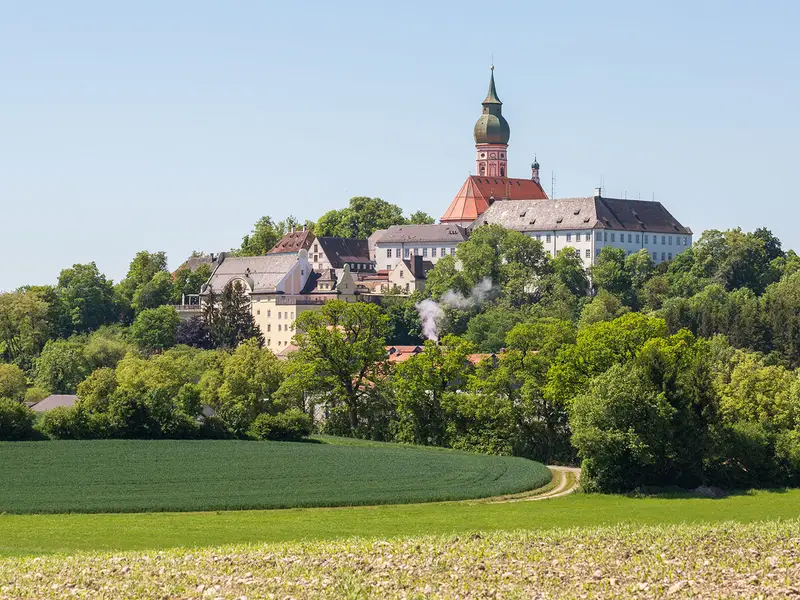
 Germany · 120.7 km · 6-7 days · Moderate
 This 120.7 km Bavarian point-to-point trail crosses the Alpine foothills without becoming an alpine trek. Six to seven days through lakeshore, farmland, forest, moor, meadow and gorge terrain make it a varied beginner objective.
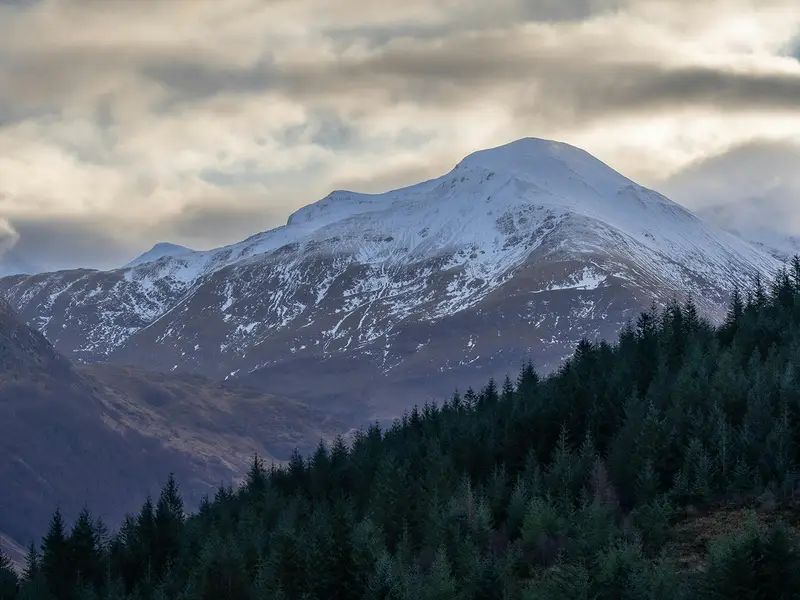

 United Kingdom, Scotland · 125 km · 5-7 days · Moderate
 The Great Glen Way suits first longer trips because its 125 km route is moderate rather than mountainous, using canal towpaths, lochside paths, forest, moorland and urban sections over 5–7 days.
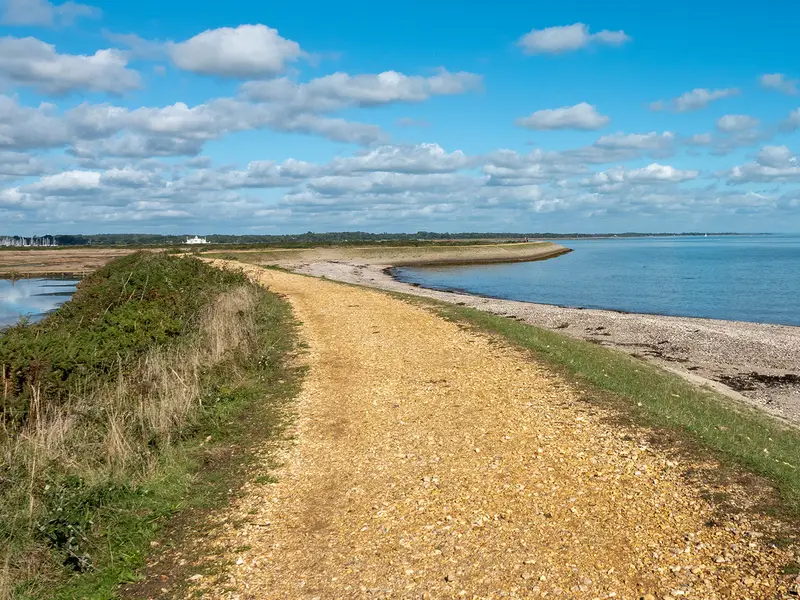
 United Kingdom, England · 96 km · 4-8 days · Easy
 The Solent Way is a low-level, easy 96 km coastal footpath across Hampshire, with flexible 4–8 day pacing. Coastal, urban, wetland and forest sections give variety without technical demands.
 Netherlands · 135 km · 6-10 days · Easy
 This 135 km Netherlands route is easy because it follows flat polders, dikes, wetlands, canals and urban sections around Amsterdam’s historic Defence Line. A 6–10 day schedule lets beginners control daily distance.
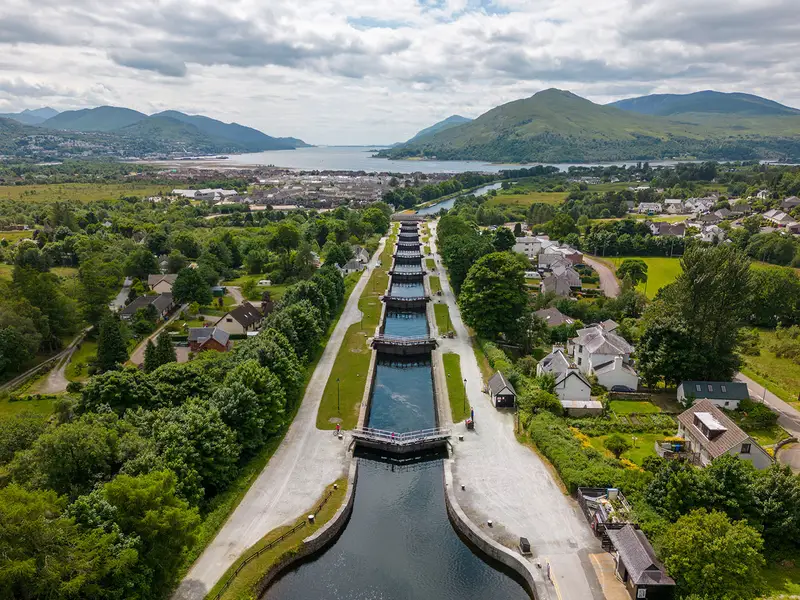 United Kingdom, Scotland · 97 km · 5 days · Easy
 Despite its Scottish Highlands setting, the Caledonian Canal Towpath is an easy, low-level waterside walk. The 97 km canal corridor can be planned over 5 days between the Fort William area and Inverness.
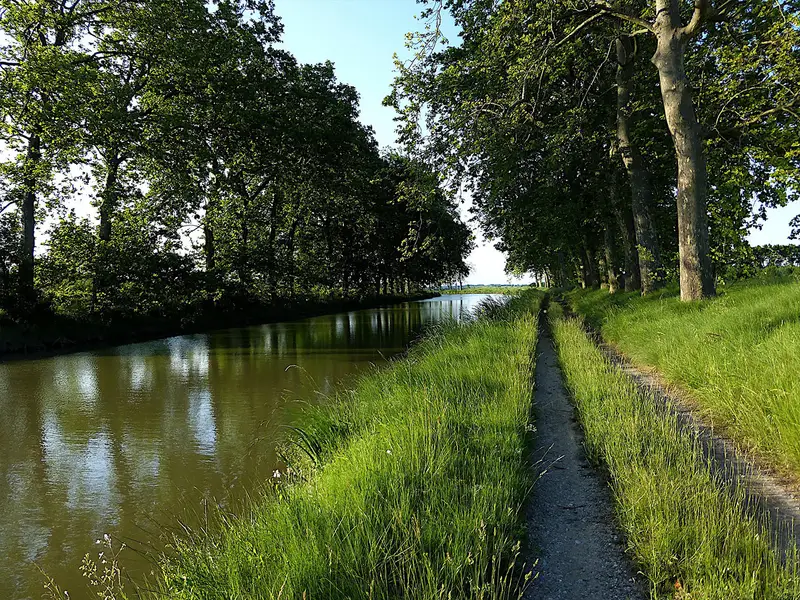
 France · 240 km · 8-10 days · Easy
 At 240 km, the Canal du Midi Towpath is the longest route here, but its easy, almost entirely flat canal-side walking makes the 8–10 day journey approachable for beginners who want a bigger first trip.
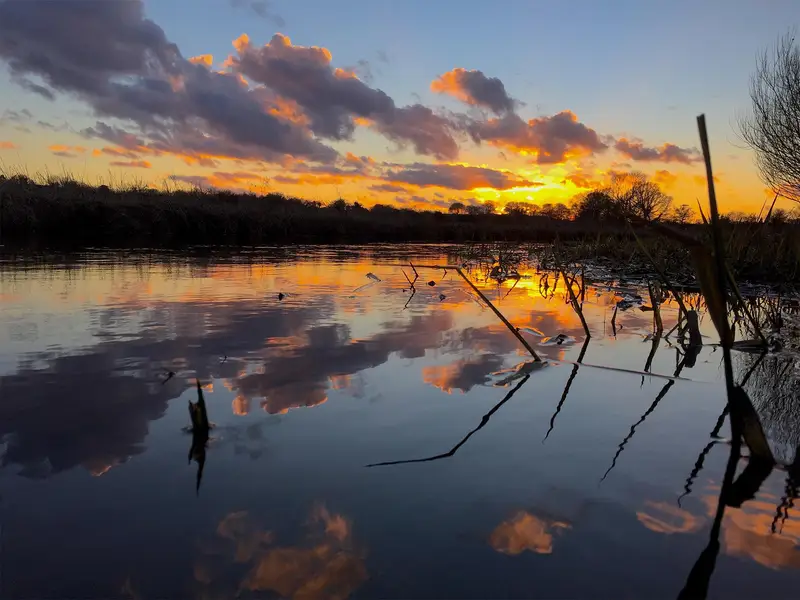 United Kingdom, England · 98 km · 4-6 days · Easy
 Weavers’ Way is a fully waymarked 98 km Norfolk Trail, usually taking 4–6 days. Its lowland mix of coast, woodland, farmland, marshland and river valleys is largely flat and easy underfoot.
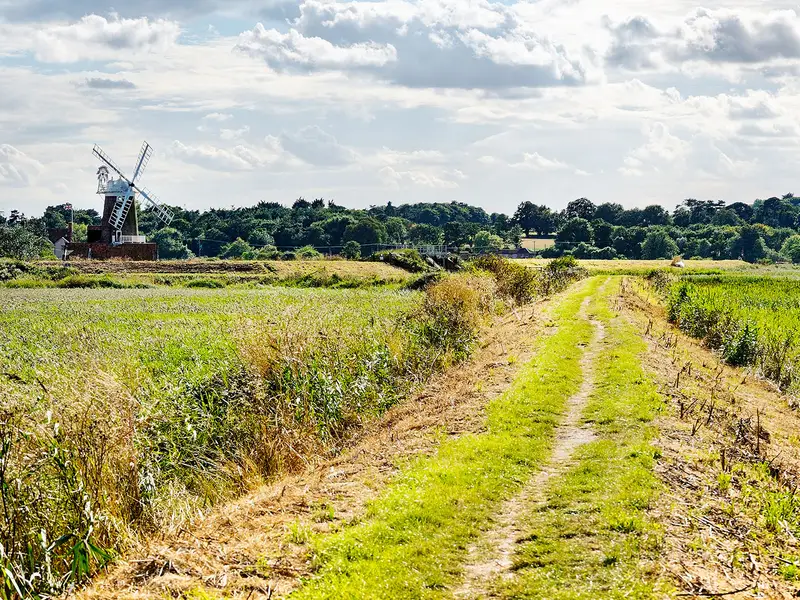 United Kingdom, England · 74 km · 3-4 days · Easy
 Peddars Way is a compact 74 km National Trail, usually walked in 3–4 days, making it a practical step up from day walks. Its heath, woodland, farmland, river valley and coastal terrain stays easy.
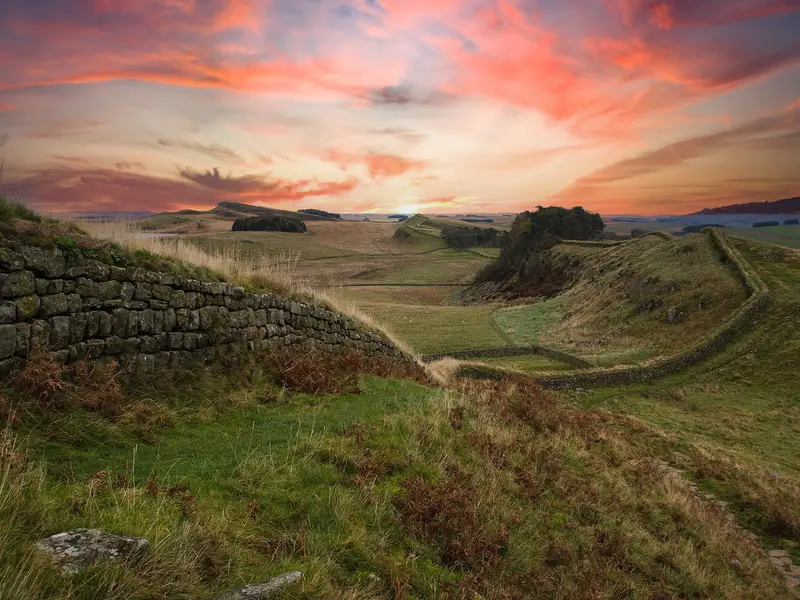 United Kingdom, England · 135 km · 6-7 days · Moderate
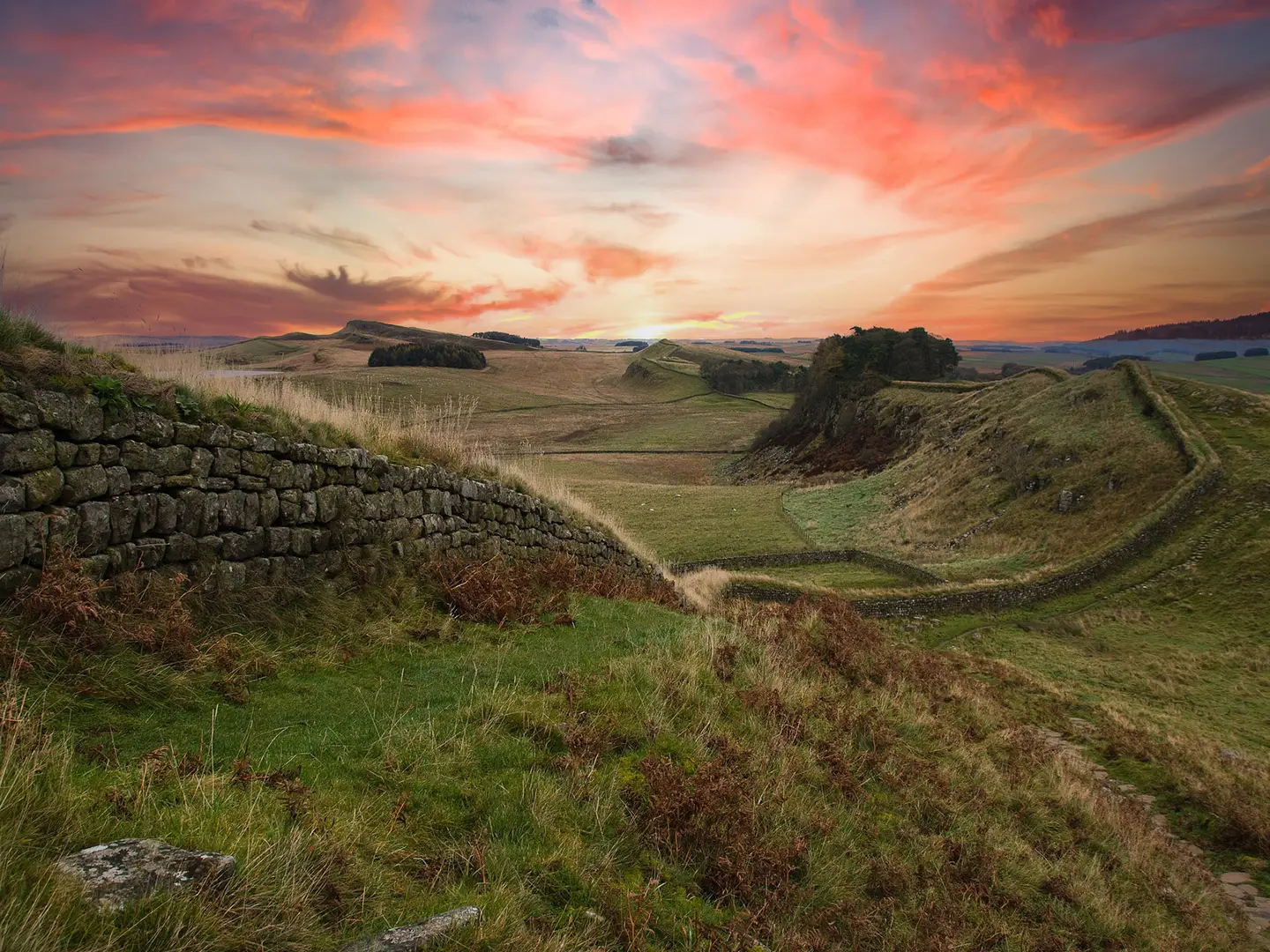
 A 135 km waymarked National Trail across northern England, Hadrian’s Wall Path gives beginners a classic 6–7 day point-to-point challenge on mostly grassland and urban terrain, with moderate difficulty rather than technical walking.
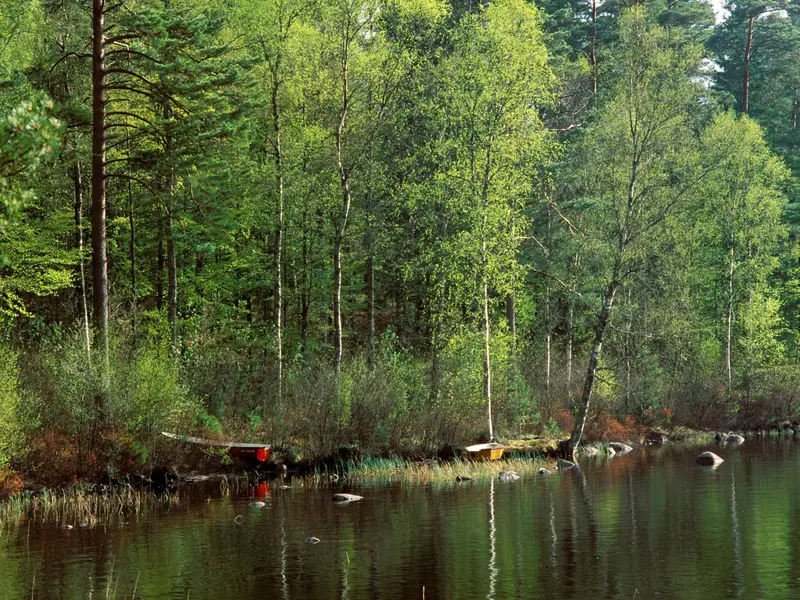
 Sweden · 110 km · 4-6 days · Easy
 Utvandrarleden offers beginners a rare loop option: 110 km of waymarked walking in southern Sweden, typically 4–6 days, through forest, farmland and lakeshore without needing a point-to-point finish plan.
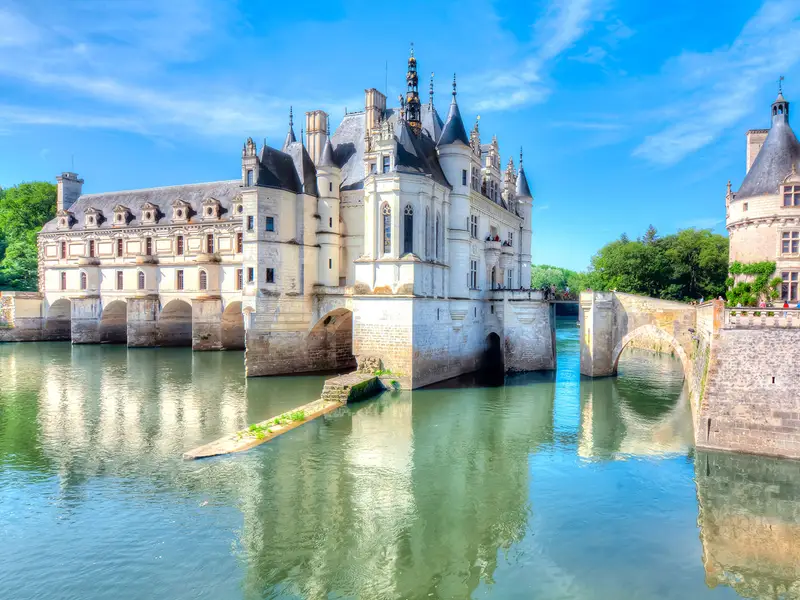 France · 72 km · 6 days · Easy
 This easy 72 km Touraine walk spreads the distance across about 6 days, keeping daily stages gentle. Riverbanks, vineyards, woodland, farmland and gently rolling terrain make it a relaxed first French multi-day route.
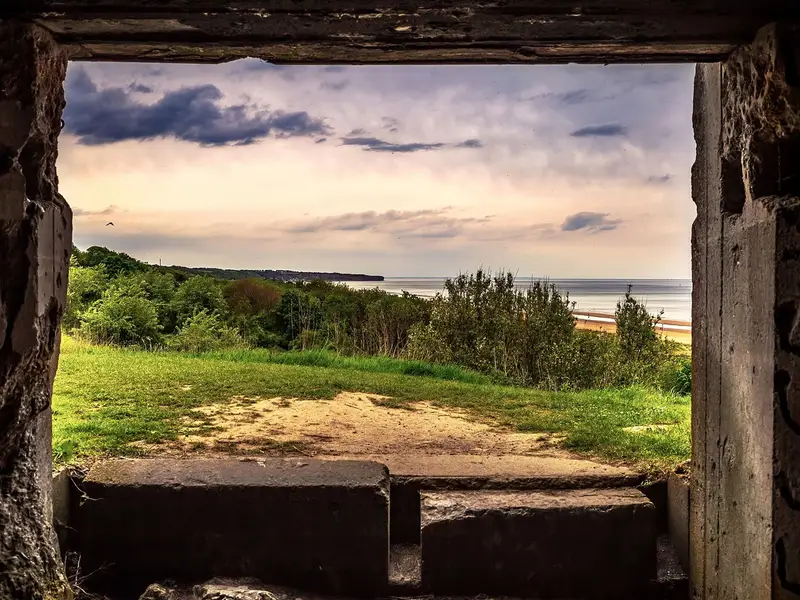 France · 55 km · 4-6 days · Easy
 The D-Day Beaches Circuit keeps the distance modest at 55 km over 4–6 days, linking Normandy coastal, cliff, beach and farmland sections. It is easy walking, though it is an assembled route rather than one official signed loop.
 Ireland · 42 km · 2 days · Easy
 The Great Western Greenway is ideal for a first overnight or weekend-long trail: 42 km over 2 days on an easy, mostly flat, surfaced, off-road and traffic-free route through coastal, farmland and bog landscapes.
Ireland · 130 km · 4 days · Easy Flat canal towpath walking makes the 130 km Royal Canal Greenway a straightforward beginner-friendly distance challenge. Its 4-day point-to-point format suits walkers who want easy terrain but a sustained itinerary.
These are not all identical “easy” walks. Some are genuinely flat towpaths and greenways, ideal if you want predictable surfaces and simple navigation. Others are moderate point-to-point routes where the challenge is mainly cumulative distance over several days, not difficult terrain. Distances here range from 42 km to 240 km, with typical schedules from 2 days to 10 days, so the right choice depends more on your available time, daily walking comfort and appetite for logistics than on specialist mountain skills.
If you are new to multi-day walking, start by choosing the daily rhythm before the destination. A 70–100 km trail over 4–6 days gives you a manageable introduction to packing, pacing and recovery. If you already walk regularly, a 120–135 km route over about a week may be a good first longer objective. For the simplest underfoot experience, look at canal towpaths, greenways and lowland coastal routes; for more variety, choose trails mixing forest, farmland, river valleys, lochside sections or historic towns.
Point-to-point routes need a little more planning than loops, especially around start and finish travel. Build your itinerary around realistic overnight stops rather than the headline distance, and avoid making the first day too long while you are adjusting to walking with luggage.
For long distance hikes for beginners, comfort matters as much as fitness. Walk in broken-in footwear, carry a pack you have tested, and leave spare time for weather, navigation checks and slower sections through towns, wetlands, beaches or woodland. Easy does not mean effortless: several routes here still cover more than 100 km.
Pick a season with dependable daylight and book accommodation early where stages are fixed by settlement spacing. If you are unsure, choose a shorter two- to four-day route first, then step up to a week-long trail. The best beginner long-distance hike is one you can finish feeling confident enough to plan the next one.
A long-distance hike is a multi-day walk on a named route — learn what counts, how it feels, and how to start without overdoing it.
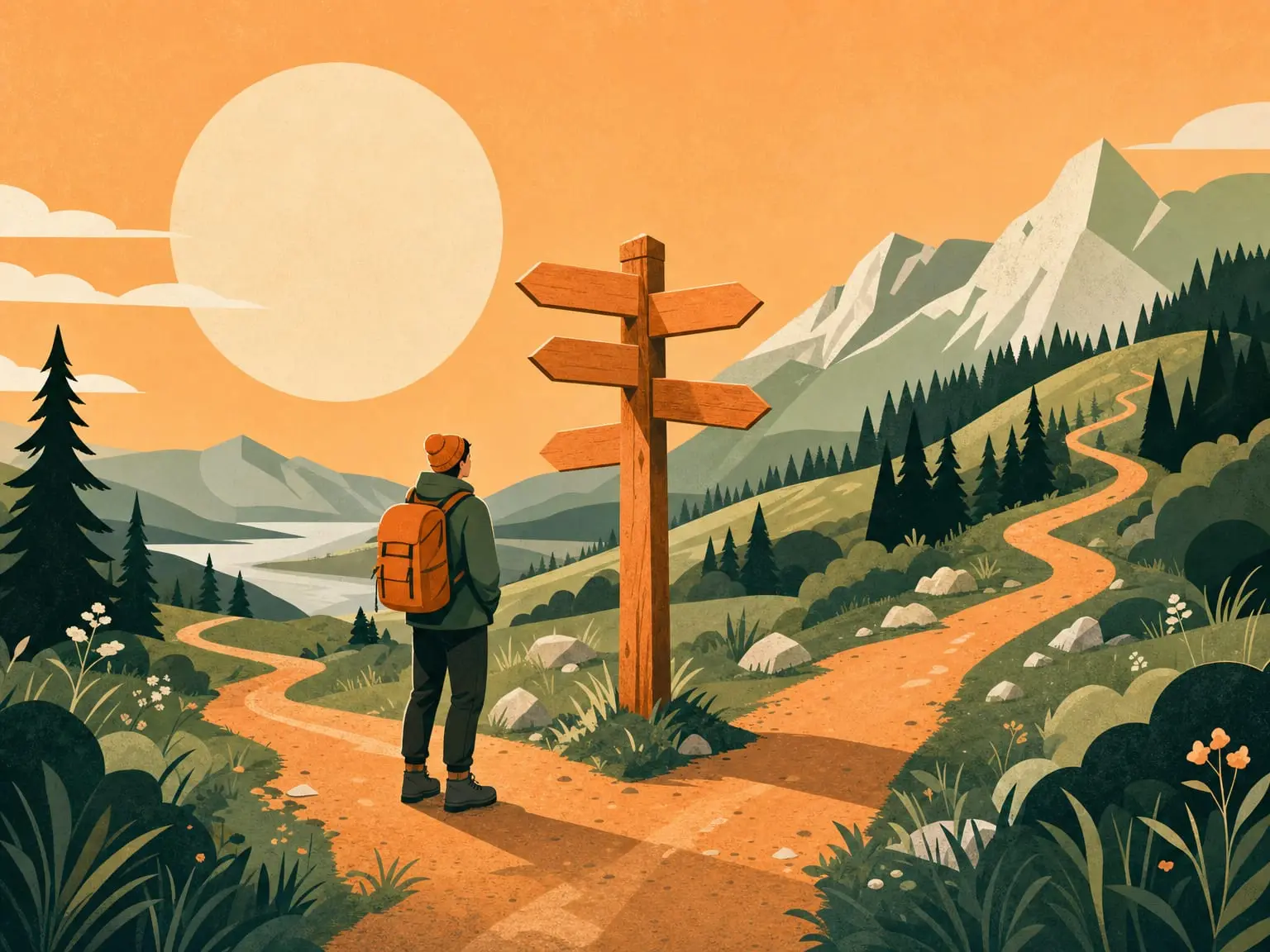
Choose a shorter, well-waymarked first long-distance hike with easy logistics, good support and plenty of places to step off.
Plan honest daily hiking distances: real km and mile ranges for beginners, regular walkers and experienced long-distance hikers.