Trail Comparisons
Pennine Way vs Coast to Coast: Which Should You Walk?
Choosing between the Pennine Way and Coast to Coast? Here is the honest head-to-head on distance, difficulty, scenery and logistics.
7 June 2026 8 min read
15 hand-picked long-distance trails
Best long distance walks UK brings together a hand-picked spread of Britain’s finest multi-day routes across England, Scotland and Wales. If you want a classic British point-to-point journey rather than a complete directory, start here: iconic National Trails, Scotland’s Great Trails and standout Welsh paths, with enough variety for moderate walkers, coast-path specialists and experienced backpackers.
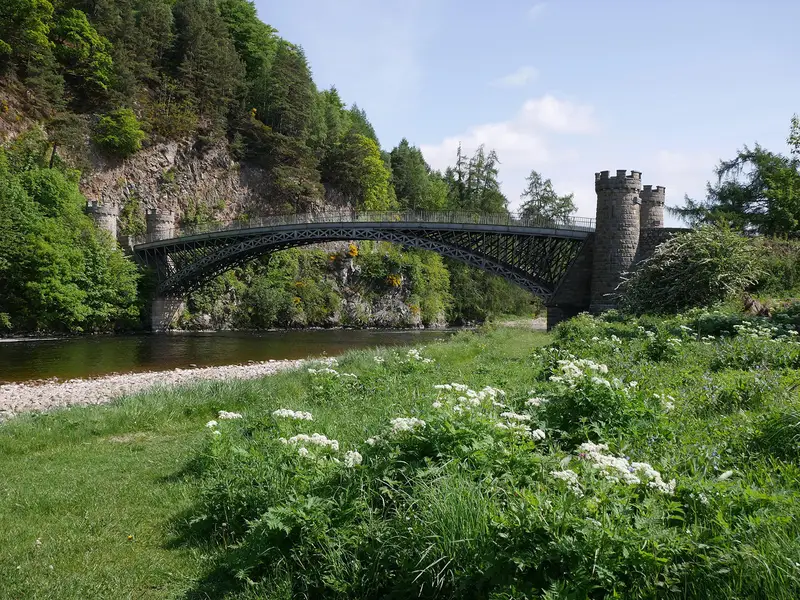

 United Kingdom, Scotland · 137 km · 6 days · Moderate
 The Speyside Way earns selection as one of Scotland’s Great Trails, running 137 km from Buckie to Newtonmore. It follows the River Spey through coastal, river-valley, forest, farmland and moorland terrain.
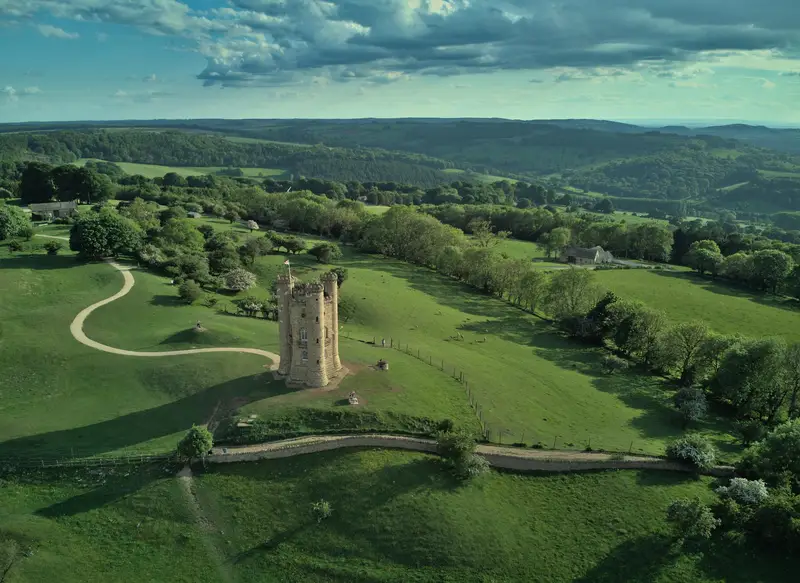
 United Kingdom, England · 164 km · 7-10 days · Moderate
 The Cotswold Way adds a south-west England National Trail with a flexible 7–10 day schedule. Its 164 km line between Chipping Campden and Bath Abbey is moderate, with grassland, forest and hill terrain.
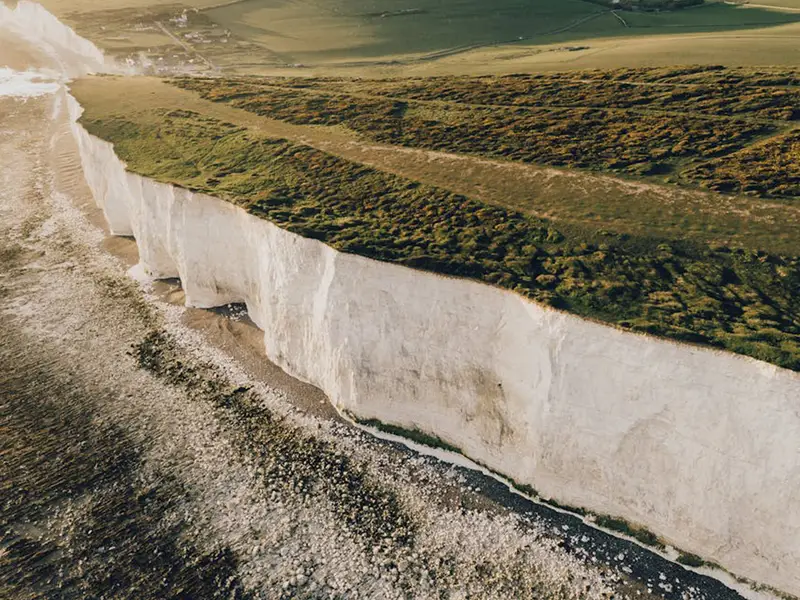 United Kingdom, England · 160 km · 8 days · Moderate
 The South Downs Way is a strong choice for a moderate chalk-downs crossing in south-east England. At 160 km from Winchester to Eastbourne, it offers an 8-day point-to-point National Trail through grassland, hills and forest.
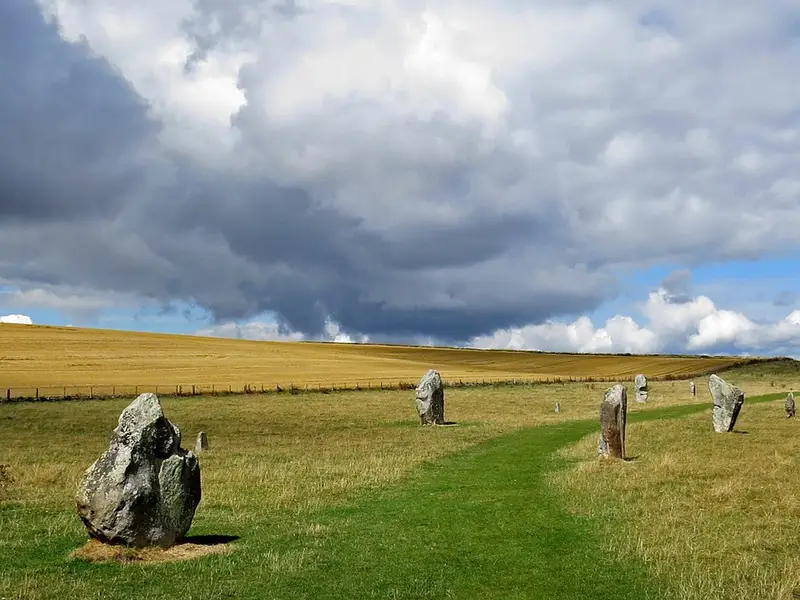 United Kingdom, England · 139 km · 6 days · Moderate
 The Ridgeway gives southern England a concise National Trail presence: 139 km from Overton Hill near Avebury to Ivinghoe Beacon. Its grassland, hills and forest terrain suit walkers seeking a moderate 6-day route.
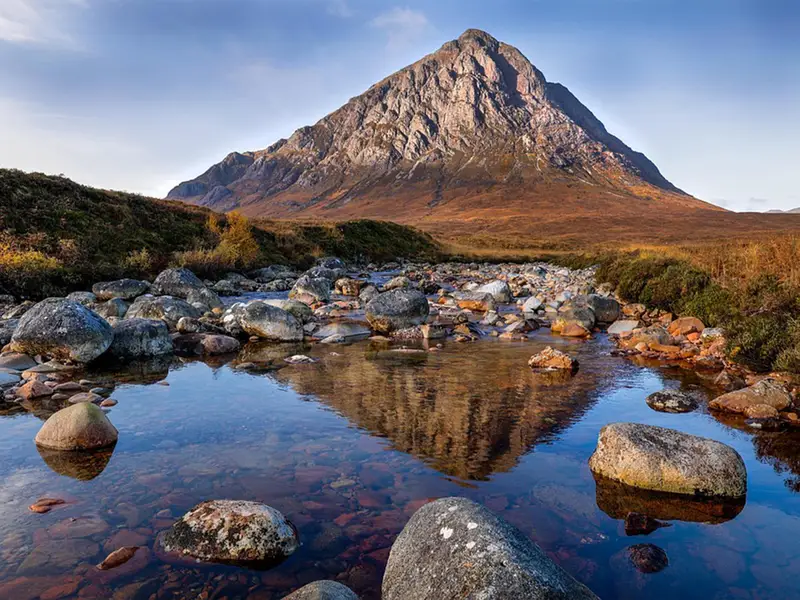 United Kingdom, Scotland · 154 km · 7 days · Moderate
 The West Highland Way earns its place as Scotland’s first official long-distance route and its most popular multi-day walk. At 154 km over 7 days, it offers a moderate Scottish journey through mountainous, forest and grassland terrain.
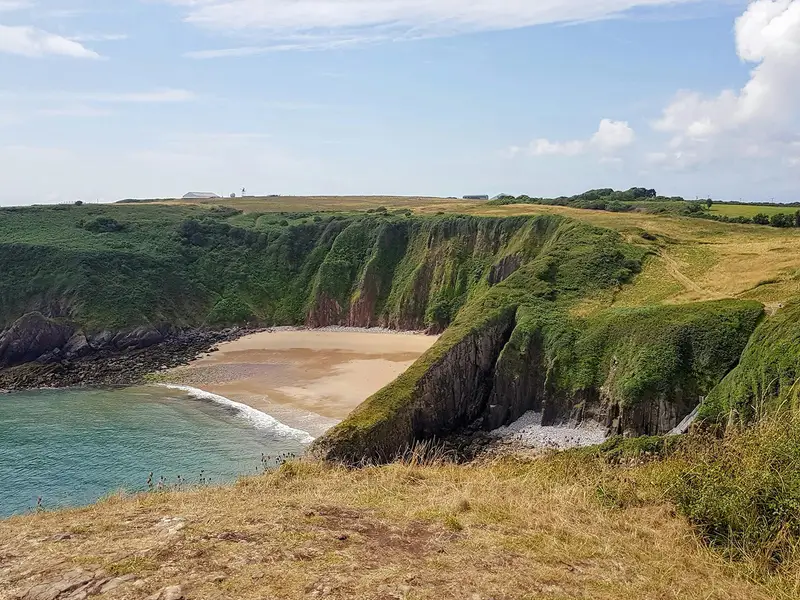
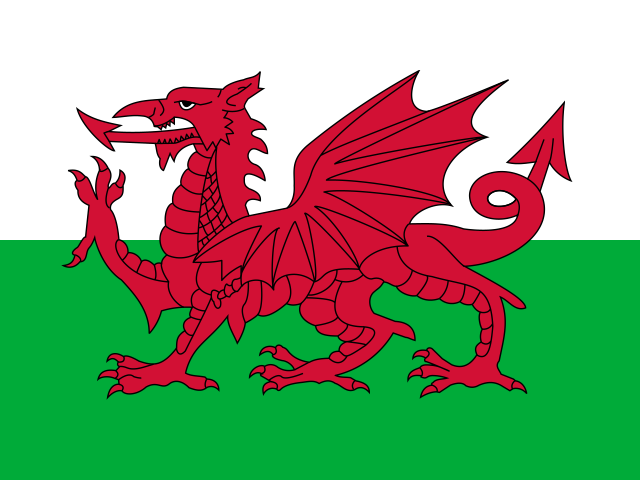 United Kingdom, Wales · 299 km · 12-15 days · Moderate
 The Pembrokeshire Coast Path brings Wales into the collection with 299 km through Pembrokeshire Coast National Park. Moderate rather than strenuous, it links cliff tops, beaches, estuaries and heath over a typical 12–15 days.
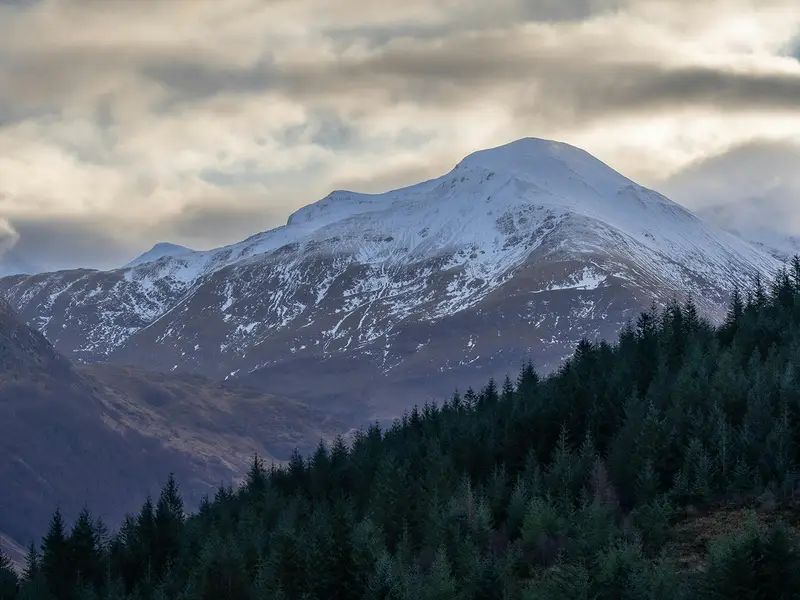 United Kingdom, Scotland · 125 km · 5-7 days · Moderate
 The Great Glen Way offers a shorter Scottish point-to-point option at about 125 km from Fort William to Inverness. Canal, lochside, forest, moorland and urban sections make it moderate rather than mountainous.
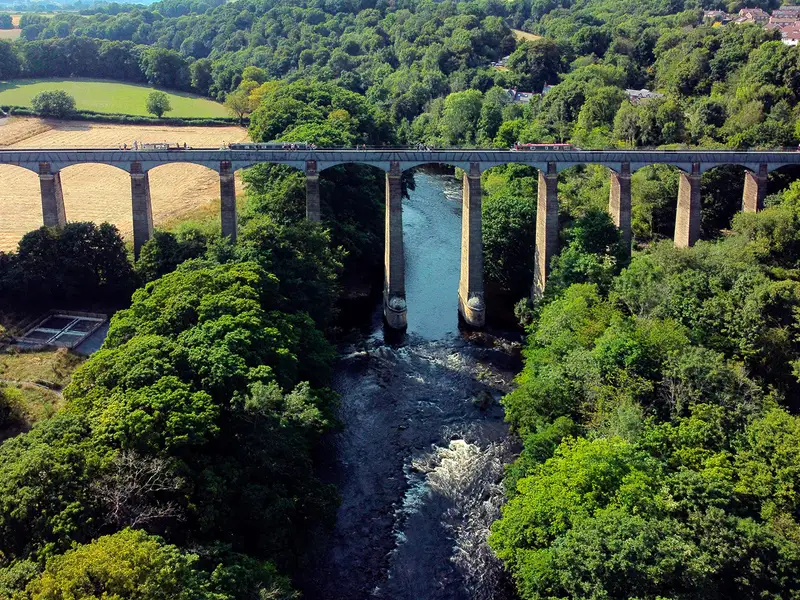 United Kingdom, England, Wales · 285 km · 12 days · Moderate
 Offa’s Dyke Path stands out as the England–Wales border journey, running 285 km from Sedbury Cliffs to Prestatyn. Its moderate grade and 12-day schedule make it a substantial but accessible National Trail.
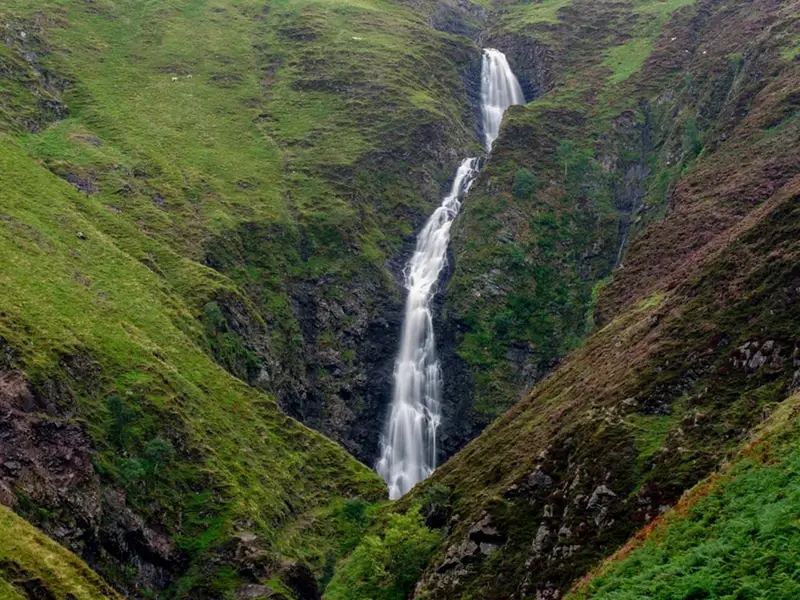 United Kingdom, Scotland · 344 km · 12-16 days · Strenuous
 The Southern Upland Way represents Scotland’s tougher coast-to-coast walking: 344 km from Portpatrick to Cockburnspath. Its 12–16 day duration, strenuous grade and coastal, forest, moorland and upland terrain demand sustained effort.
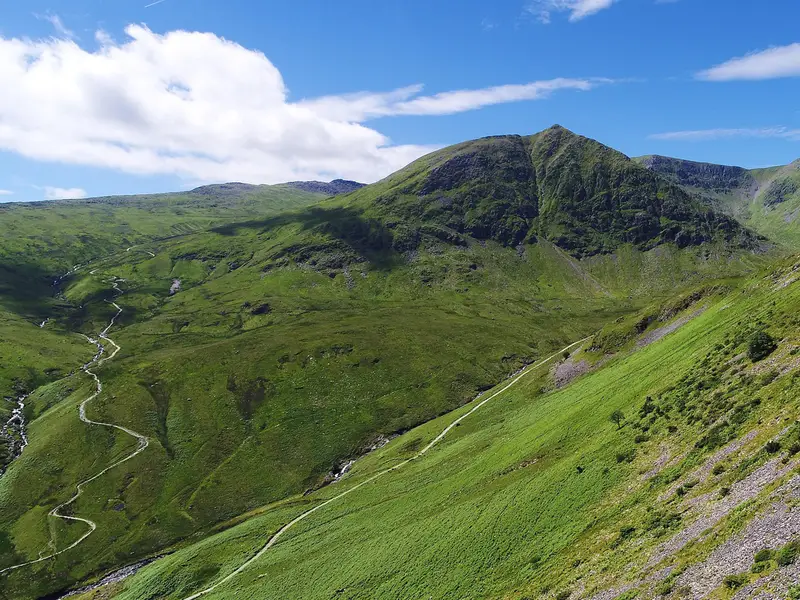 United Kingdom, England · 306 km · 12-15 days · Strenuous
 Wainwright’s Coast to Coast is included for its classic sea-to-sea line across northern England, from St Bees to Robin Hood’s Bay. Over 306 km, it packs in coastal, mountainous, moorland, pastoral, lowland and woodland terrain.
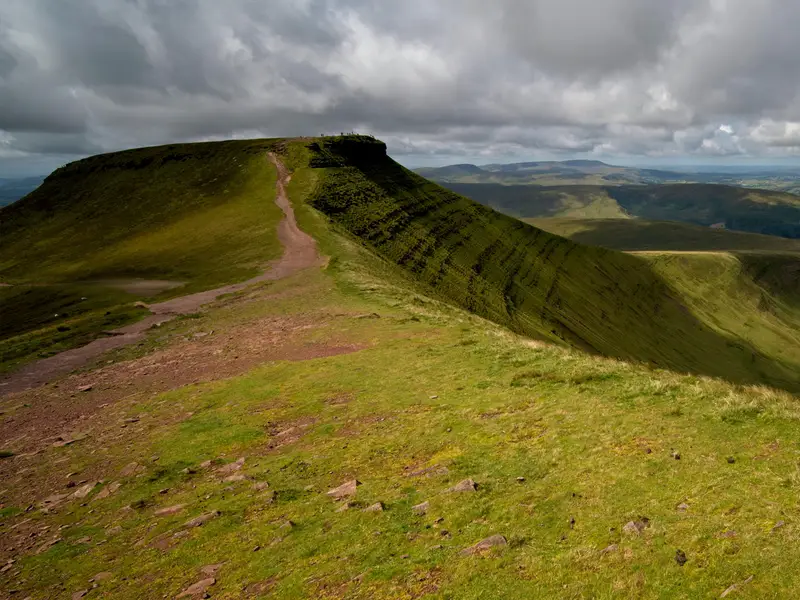 United Kingdom, Wales · 158 km · 8 days · Strenuous
 The Beacons Way is Wales’s mountain-focused entry, crossing Bannau Brycheiniog / Brecon Beacons National Park. This 158 km, 8-day route is strenuous, with open hill, moorland, glacial lakes and limestone terrain.
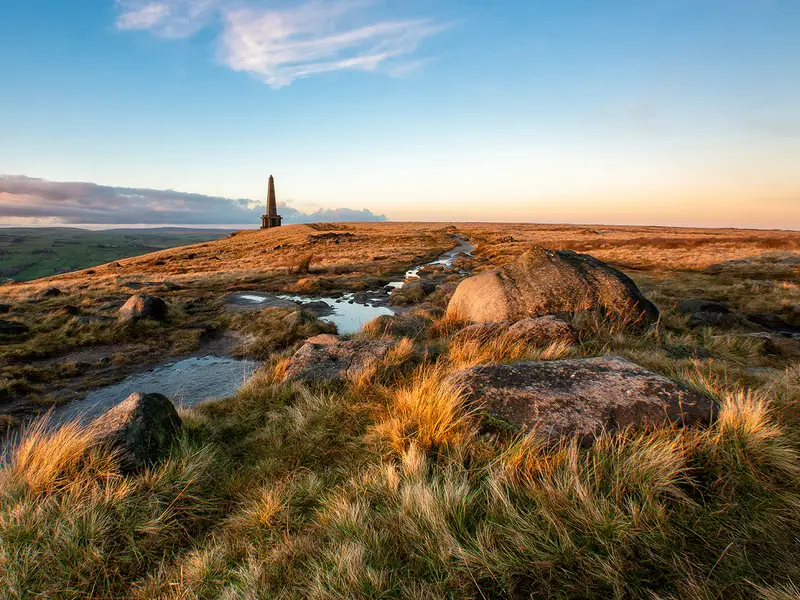 United Kingdom, England · 431 km · 16-19 days · Strenuous
 The Pennine Way is the heavyweight English National Trail in this selection: 431 km from Edale to Kirk Yetholm. Its 16–19 day schedule and strenuous grade suit walkers wanting a serious Pennine hills traverse.
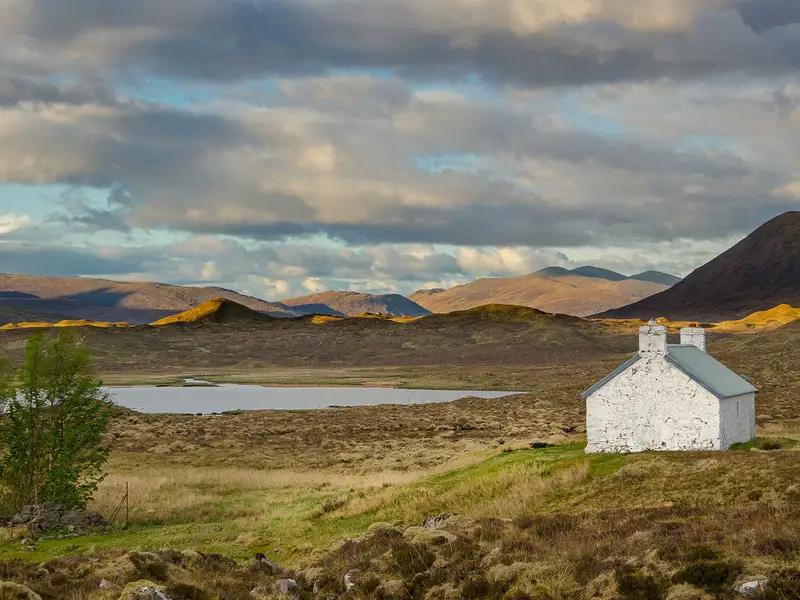 United Kingdom, Scotland · 370 km · 16-22 days · Expert
 Cape Wrath Trail is here for experienced backpackers, not casual long-distance walkers. The unofficial, unwaymarked 370 km route crosses Scotland’s remote north-west Highlands with mountainous, moorland, coastal, bog and river-crossing terrain.
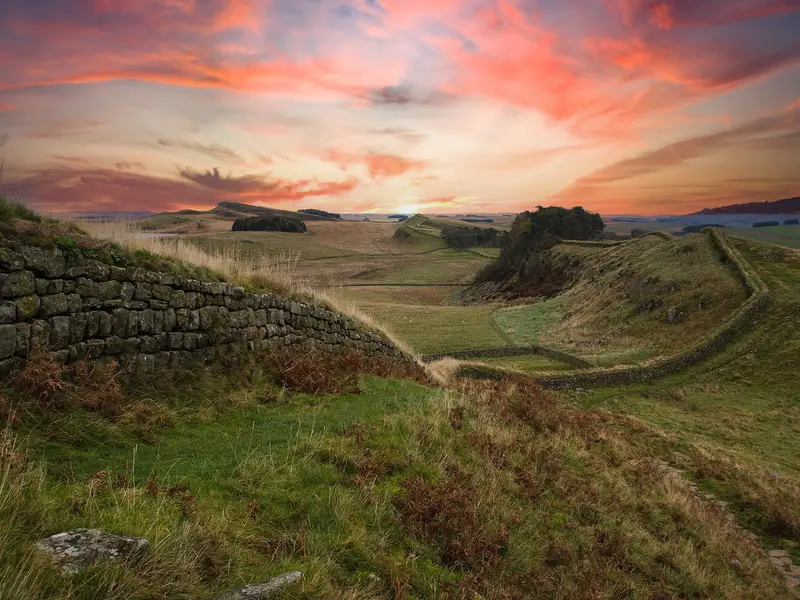 United Kingdom, England · 135 km · 6-7 days · Moderate
 Hadrian’s Wall Path is a compact classic for walkers who want history with manageable distance. This 135 km National Trail follows the Roman frontier from the River Tyne to the Solway Firth in 6–7 days.
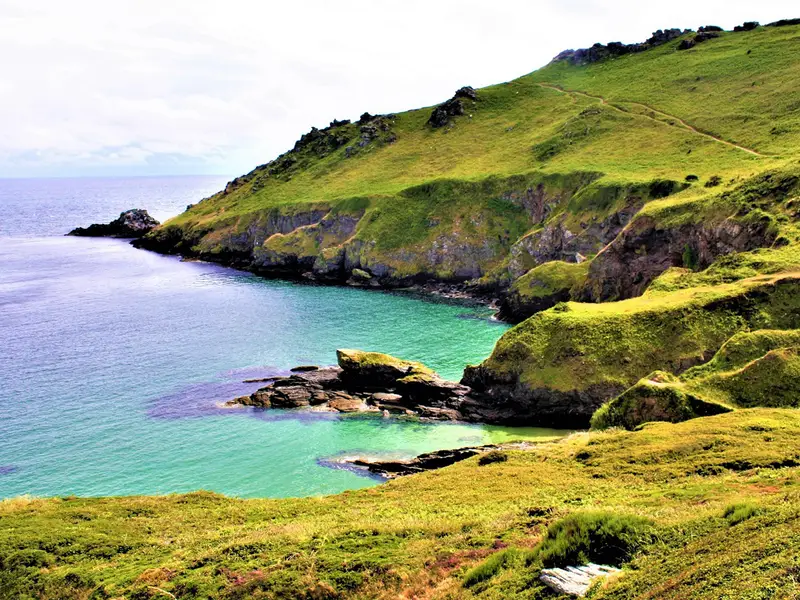 United Kingdom, England · 1014 km · 45 days · Strenuous
 The South West Coast Path is the big coastal commitment: 1,014 km around Somerset, Devon, Cornwall and Dorset. Officially split into 45 day-stages, it represents the long, strenuous end of UK National Trail walking.
Start with commitment. Routes here range from 125 km to 1,014 km and from 5–7 days to 45 days, so your first filter should be time, not scenery. Moderate trails are still multi-day undertakings, while the strenuous and expert choices demand comfort with repeated hard days, hill terrain or remote ground. If you have a fixed holiday window, choose a route whose typical duration leaves space for travel at either end.
Then match terrain to your strengths. Coastal paths reward steady legs but can be relentless when repeated day after day; mountainous and moorland routes need more confidence with rough ground and navigation. Forest, grassland, towpath, river-valley and lowland sections can make a route feel less severe, but they do not remove the need for daily mileage planning.
The best long distance walks UK are not all the same kind of challenge. England contributes everything from chalk downs and Cotswold hills to coast-to-coast and border journeys; Scotland ranges from waymarked glen walking to remote, unwaymarked backpacking; Wales brings cliff-top National Trail walking and mountain days across Bannau Brycheiniog / Brecon Beacons National Park.
For logistics, note that every walk selected here is point to point. Plan how you will reach the start, leave the finish and break the route into realistic stages before making fixed plans. Durations in this collection are typical walking schedules, not rules: a moderate 6-day National Trail can suit someone seeking a compact trip, while a 12–22 day route asks for a deeper commitment.
Finally, be honest about difficulty labels. Moderate in this list can still mean 125–299 km on consecutive days. Strenuous covers long National Trails, coast paths and upland crossings. Expert is reserved here for the Cape Wrath Trail, where the defining facts — unofficial, unwaymarked, remote north-west Highlands, bog and river crossings — set it apart. That range is exactly why this is a best-of selection rather than a single template for British walking.
Choosing between the Pennine Way and Coast to Coast? Here is the honest head-to-head on distance, difficulty, scenery and logistics.