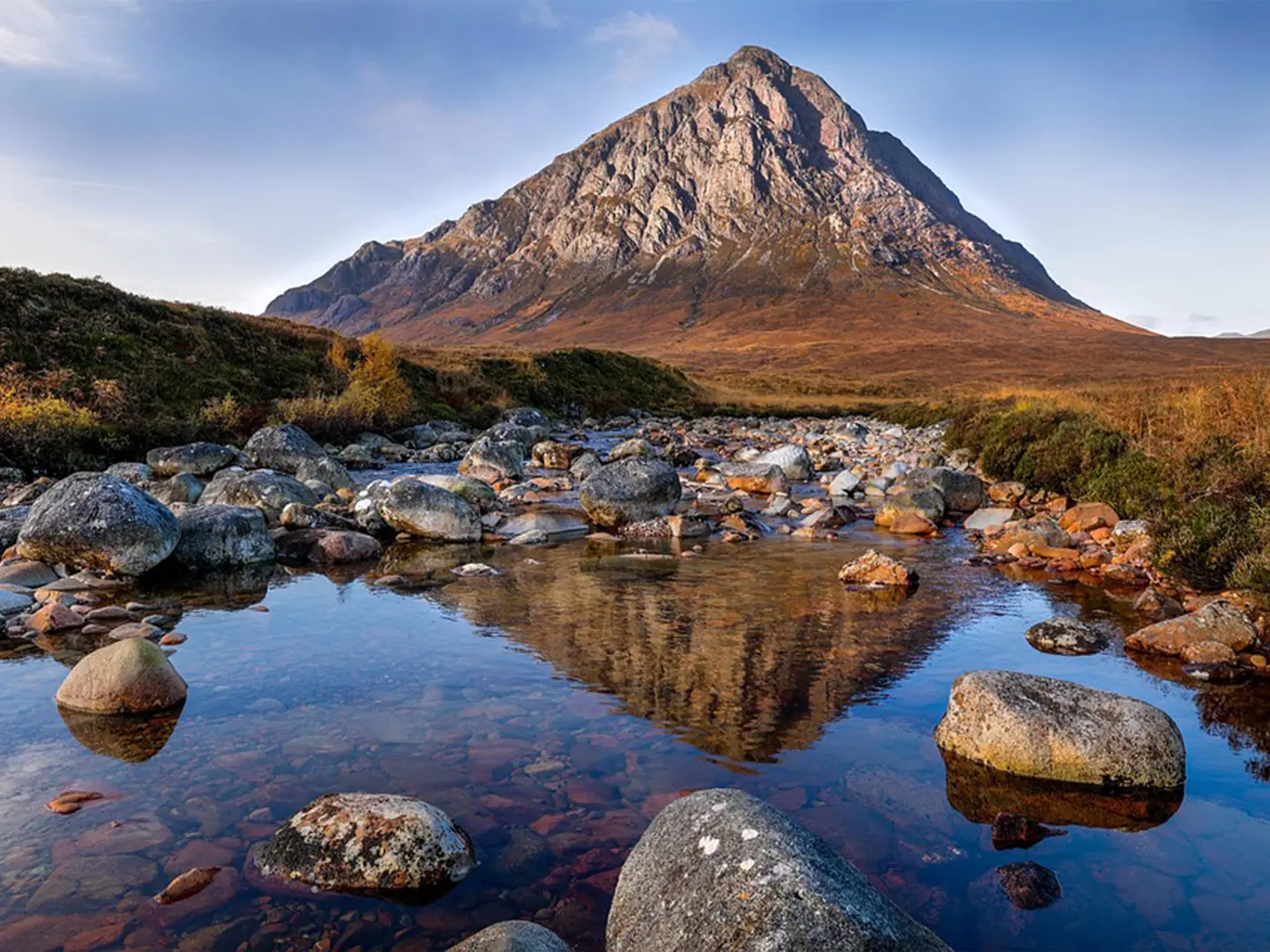
The Scottish Highlands
14 hand-picked long-distance trails
Scottish Highlands walks are ideal if you want a route with real journey value: point-to-point trails, lochside paths, moorland crossings, mountain passes and long days through Scotland’s wild north. This collection focuses on iconic long-distance options, from moderate week-long classics to expert backpacking routes, plus shorter Highland walks that capture the same terrain in a day or two.
Trails in this collection
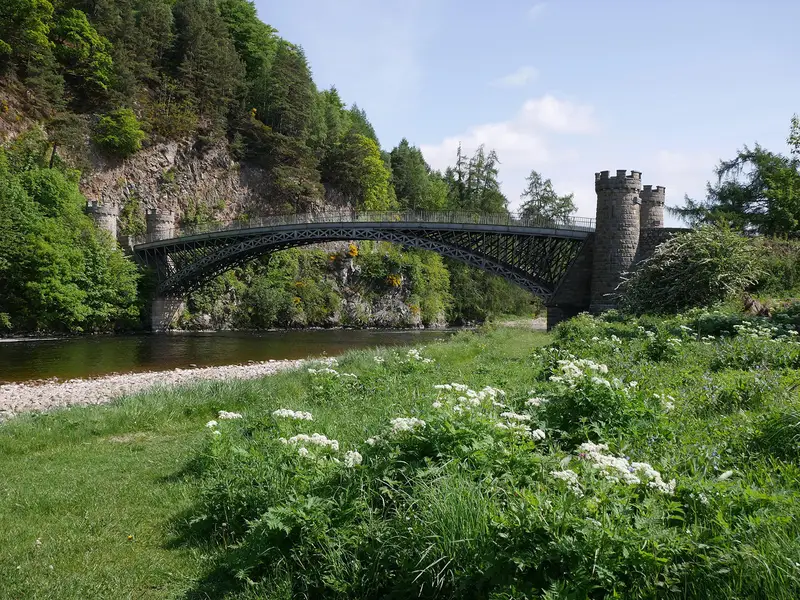
Speyside Way
View trail →
 United Kingdom, Scotland · 137 km · 6 days · Moderate
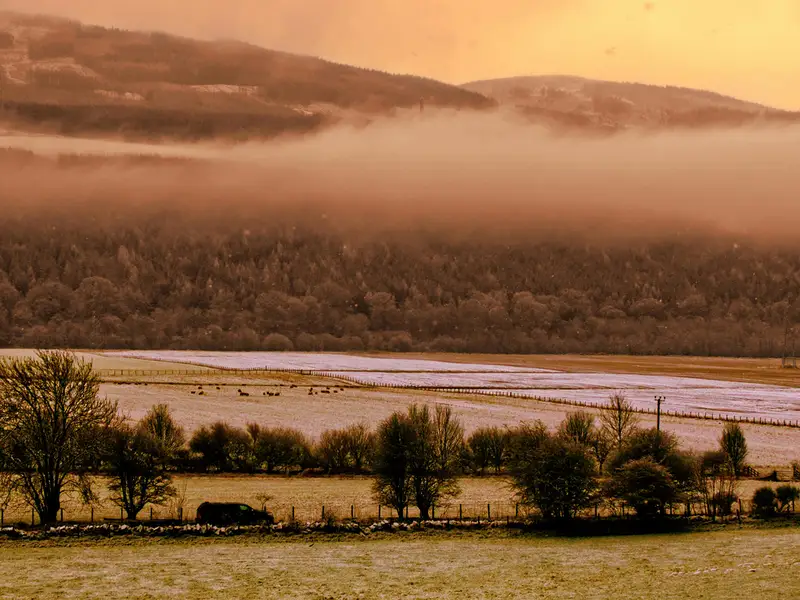
 The Speyside Way adds a different Highland edge: 137 km from Buckie on the Moray Firth to Newtonmore in the Cairngorms, following river valley, forest, farmland, moorland and coastal terrain.
Rob Roy Way
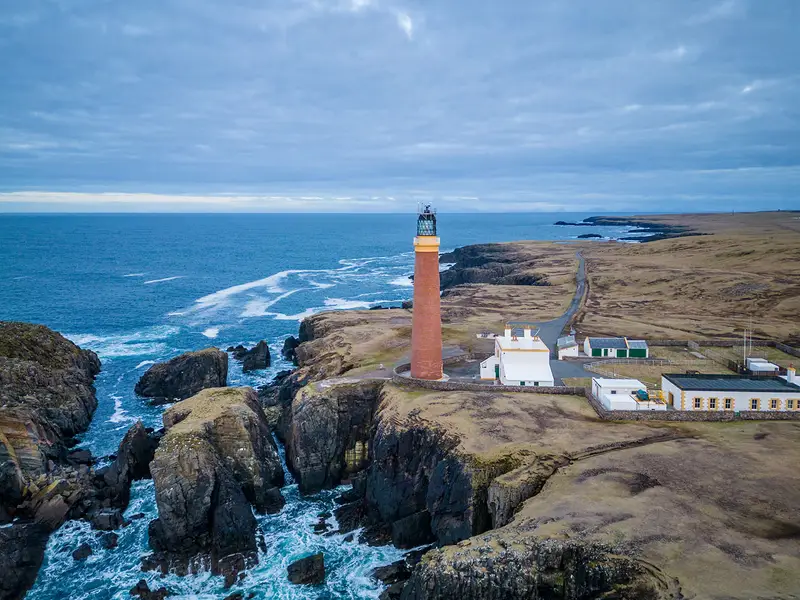
View trail → United Kingdom, Scotland · 127 km · 6-8 days · Moderate Usually walked from Drymen to Pitlochry, this 127 km moderate route works well for hikers wanting tracks, cycleway and minor roads, with forest, lochside and moorland plus one tougher exposed section.
The Hebridean Way
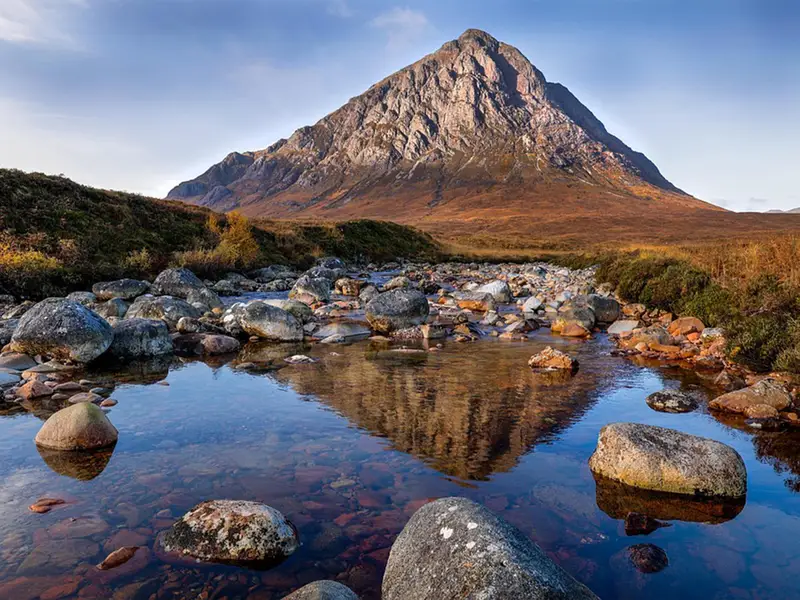
View trail → United Kingdom, Scotland · 252 km · 10-13 days · Moderate For a longer Scottish multi-day journey, the Hebridean Way runs 252 km from Vatersay to Stornoway on Lewis, combining coastal terrain, beaches, machair, moorland and hills over 10–13 days.
West Highland Way
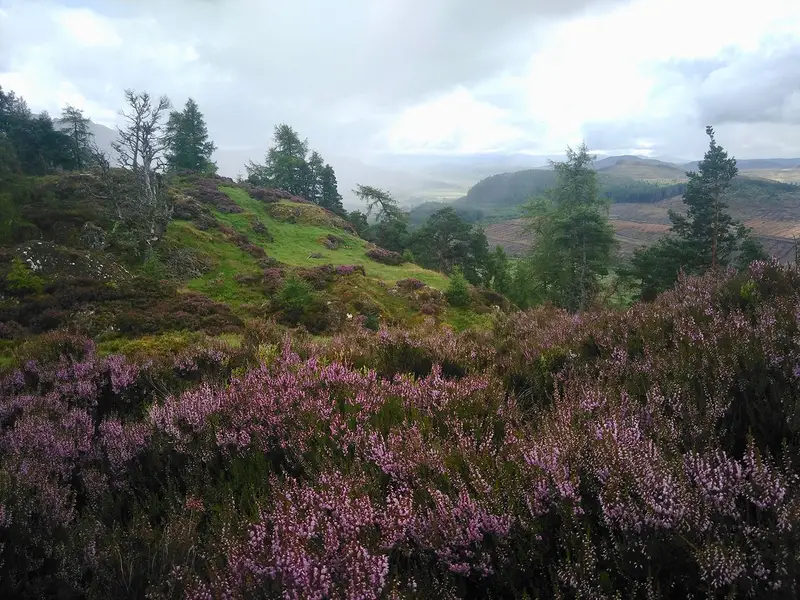
View trail → United Kingdom, Scotland · 154 km · 7 days · Moderate Scotland’s first official long-distance route is the natural starting point for Highland walkers: 154 km from Milngavie to Fort William, usually over 7 days, with moderate mountain, forest and grassland terrain.
East Highland Way
View trail → United Kingdom, Scotland · 132 km · 6-8 days · Moderate Linking Fort William and Aviemore over 132 km, the East Highland Way offers a moderate 6–8 day route through forests, loch sides, moorland and mountain wilderness rather than a high-level traverse.
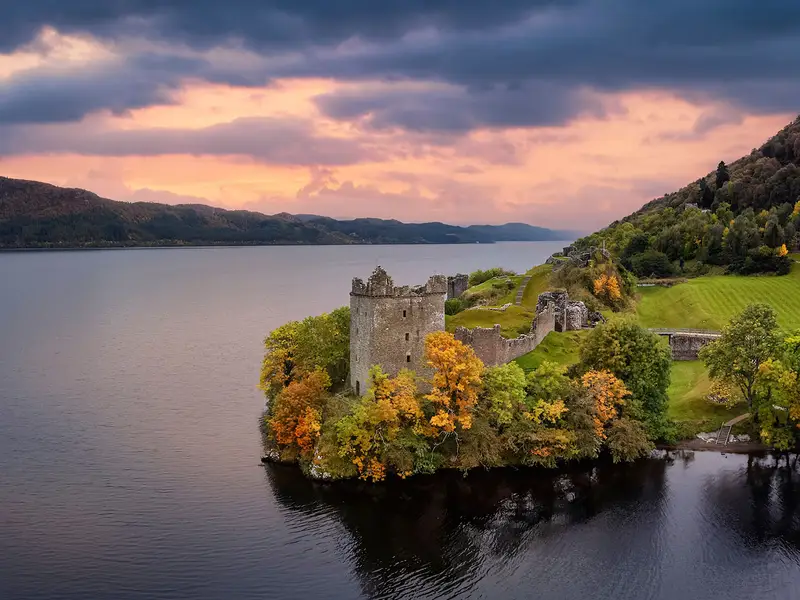
Loch Ness 360° Trail
View trail → United Kingdom, Scotland · 129 km · 6 days · Hard This 129 km loop starts and finishes at Inverness Castle, making it a rare circular long-distance option. Its hard rating and forest, mountainous and moorland terrain keep the six-day circuit demanding.
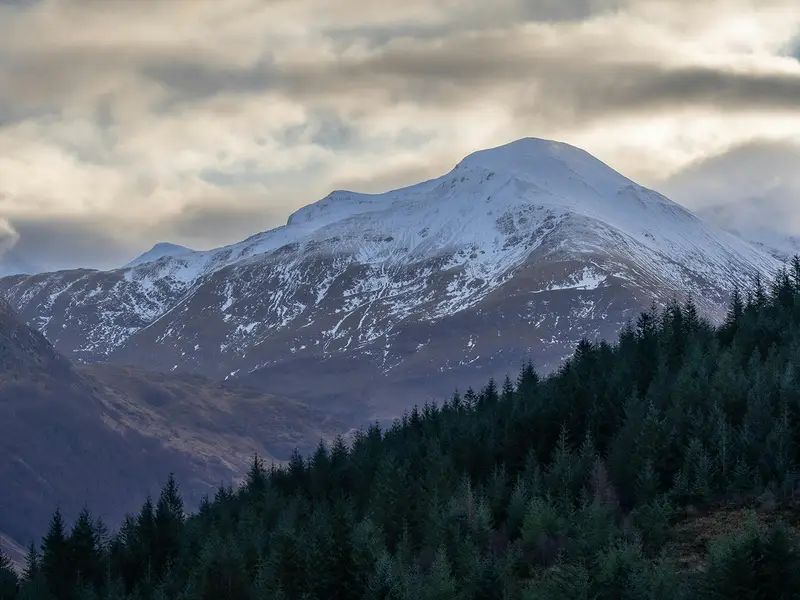
Great Glen Way
View trail → United Kingdom, Scotland · 125 km · 5-7 days · Moderate A moderate 125 km crossing from Fort William to Inverness, the Great Glen Way suits walkers who want a Highland journey without a primarily mountainous route, using canal, lochside, forest and moorland terrain.
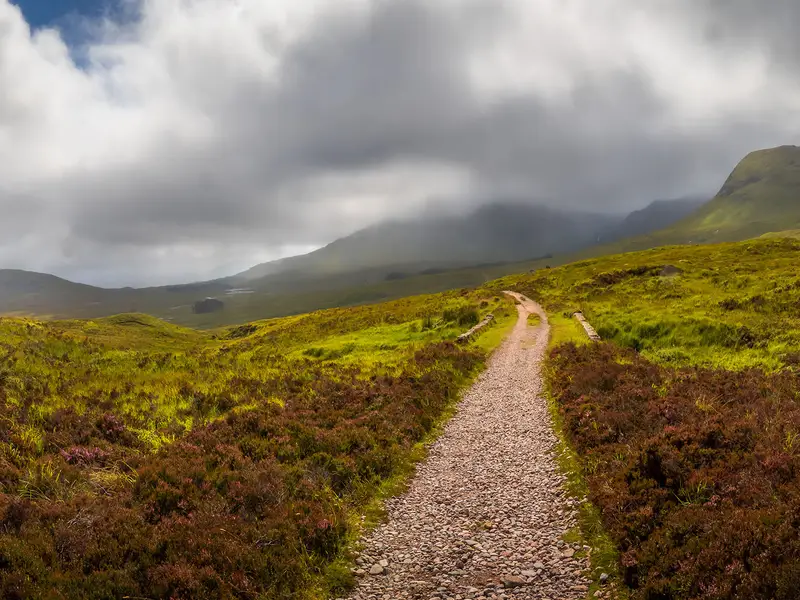
Rannoch Moor Trail
View trail → United Kingdom, Scotland · 19.4 km · 1 days · Moderate Best treated as the West Highland Way section from Bridge of Orchy to Kingshouse, this 19.4 km point-to-point day walk crosses moorland, mountainous ground and wetlands in the western Highlands.
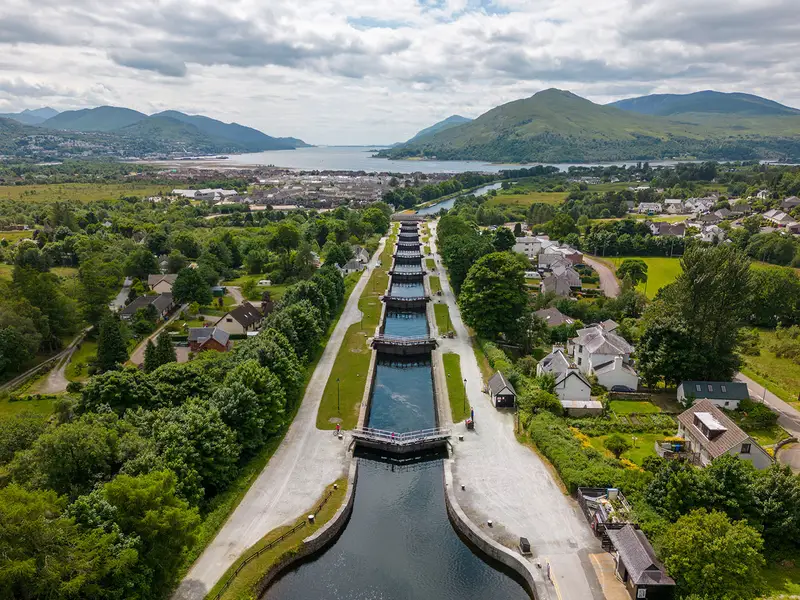
The Caledonian Canal Towpath
View trail → United Kingdom, Scotland · 97 km · 5 days · Easy The easiest route here follows the Caledonian Canal corridor for 97 km from Corpach/Banavie near Fort William to Inverness, giving a low-level waterside way across the Highlands over about 5 days.
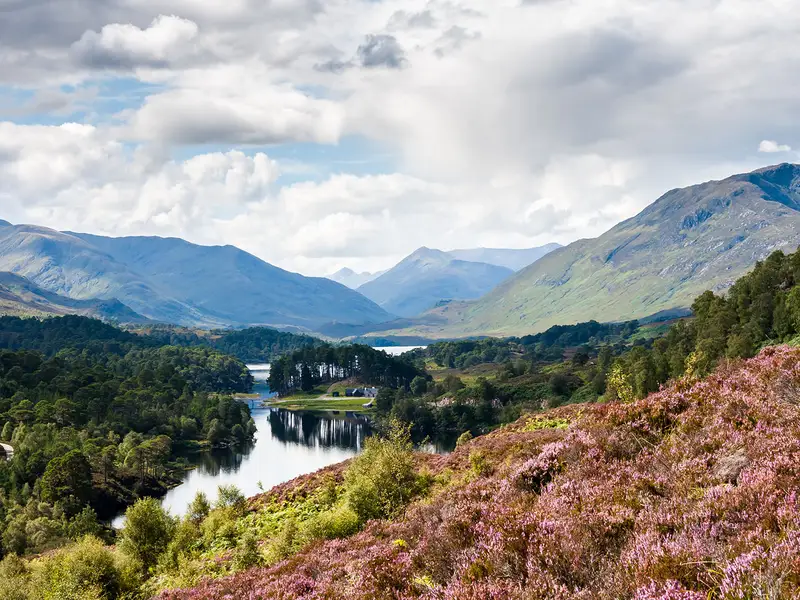
Glen Affric Trail
View trail → United Kingdom, Scotland · 17.9 km · 1 days · Moderate The 17.9 km Loch Affric Circuit is a moderate one-day loop west of Loch Ness near Cannich, ideal when you want Highland forest and mountainous terrain without planning a multi-day route.
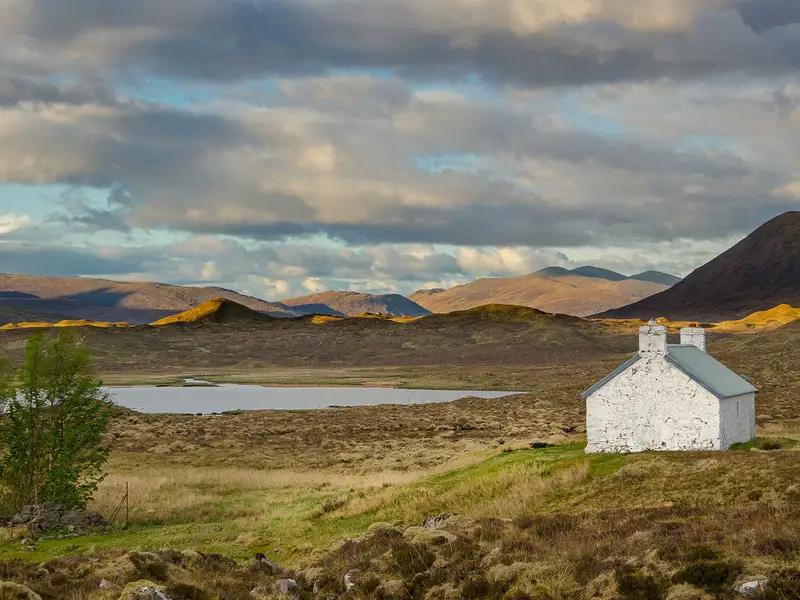
Cape Wrath Trail
View trail → United Kingdom, Scotland · 370 km · 16-22 days · Expert This is the collection’s toughest commitment: an expert, unofficial and unwaymarked 370 km route through the remote north-west Highlands, with moorland, coast, bog and river crossings over 16–22 days.
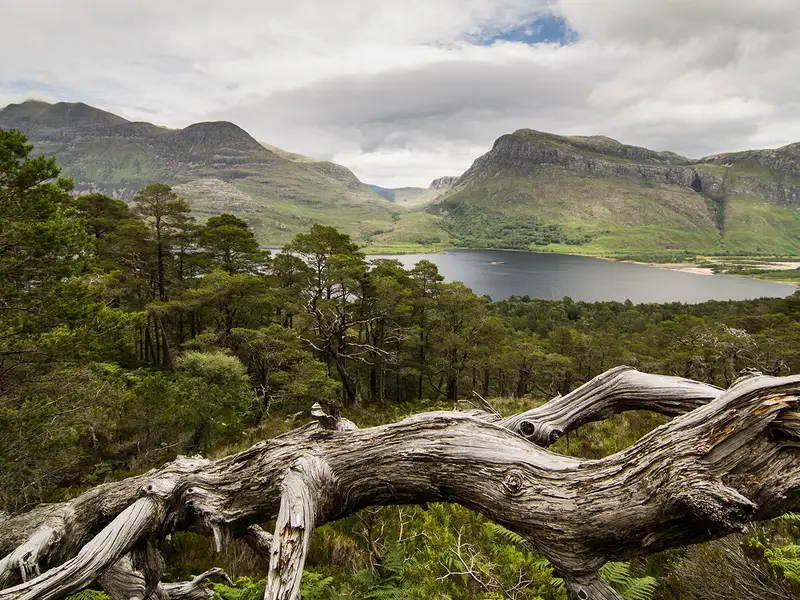
Beinn Eighe Mountain Trail
View trail → United Kingdom, Scotland · 6.5 km · 1 days · Hard Short does not mean easy: this 6.5 km waymarked loop in Beinn Eighe National Nature Reserve is a hard half-day walk with rocky mountain terrain and roughly 560 m of ascent.
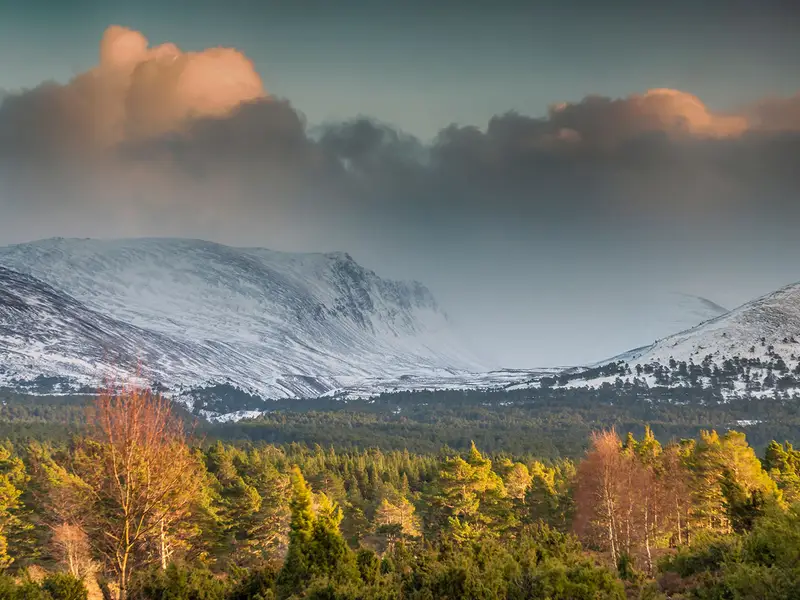
Lairig Ghru Traverse
View trail → United Kingdom, Scotland · 30 km · 1-2 days · Strenuous This 30 km Cairngorms crossing is not a waymarked long-distance trail, but its strenuous 1–2 day point-to-point line through mountainous and forest terrain gives a concentrated Highland mountain journey.
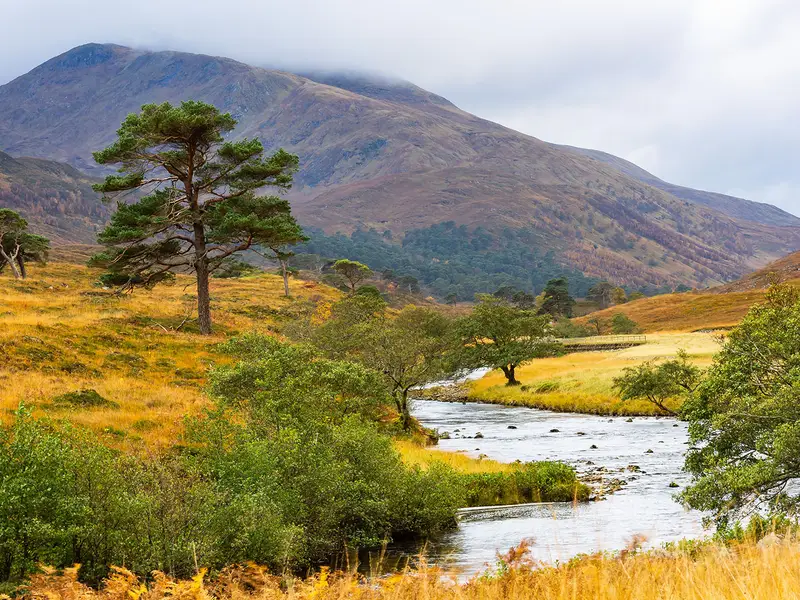
Glen Strathfarrar Circuit
View trail → United Kingdom, Scotland · 25 km · 1 days · Strenuous A strenuous 25 km loop in the Northern Highlands, this circuit is for hillwalkers wanting a long one-day challenge over mountainous, ridge, forest and boggy terrain west of Struy and Strathglass.
Scottish Highlands Walks: How to Choose an Iconic Route
Match the route to your time and commitment
The biggest decision is scale. If you want a full thru-hike, the Cape Wrath Trail is the longest and most demanding option here at 370 km and 16–22 days, while the Hebridean Way gives a 252 km Scottish island journey over 10–13 days. Around a week opens up several classic choices: the West Highland Way, Great Glen Way, East Highland Way, Loch Ness 360° Trail, Speyside Way and Rob Roy Way all sit in the multi-day range, but vary sharply in terrain and difficulty.
For a shorter taste of Highland walking, look at routes that compress the character of the region into one or two days. The Lairig Ghru Traverse is a strenuous Cairngorms crossing rather than a waymarked long-distance trail. Glen Affric, Rannoch Moor, Glen Strathfarrar and Beinn Eighe offer day routes with forest, moorland, ridges, boggy ground or rocky mountain terrain, depending on how hard you want to work.
Difficulty, terrain and logistics
Not all scottish highlands walks are mountainous epics. The Caledonian Canal Towpath is the easiest route in this collection, following a low-level waterside corridor across the Highlands. The Great Glen Way is moderate rather than mountainous, with canal, lochside, forest, moorland and urban sections. By contrast, the Loch Ness 360° Trail is rated hard, and the Cape Wrath Trail is expert-level, unofficial and unwaymarked.
Trail type matters too. Point-to-point routes such as the West Highland Way, Speyside Way and East Highland Way feel like true journeys, but require start and finish planning. Loops such as the Loch Ness 360° Trail, Glen Affric Trail, Glen Strathfarrar Circuit and Beinn Eighe Mountain Trail simplify that part of the trip. Use distance, duration and terrain together: a shorter hard or strenuous mountain route may demand more from you than a longer moderate trail on tracks, towpaths or lower-level glens.